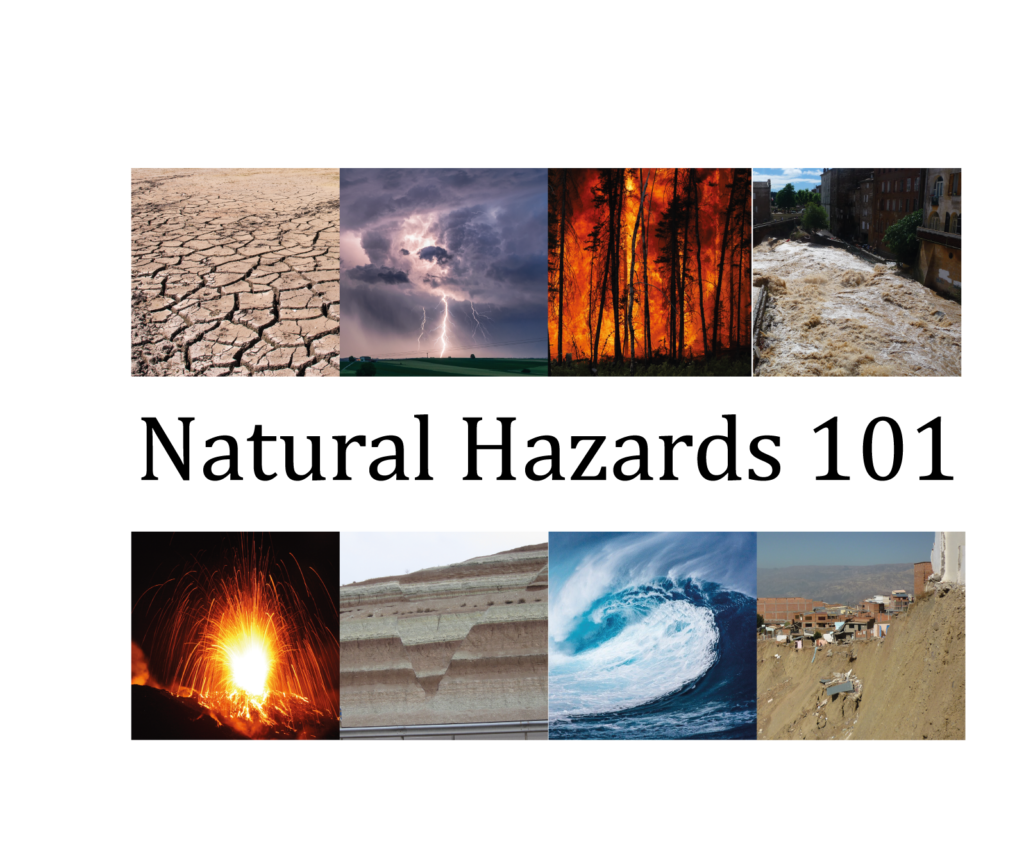
With the Natural Hazards 101 series, we meant to bring our readers closer to the terminology often used in the field of natural hazards, but that may not be so familiar. We started defining the very concept of hazard and natural hazard. We moved then to the concept of risk, which brought us to define exposure and vulnerability. In this episode, we will digest the disaster terminology provided by ...[Read More]
Pros & cons of an academic life
The life of an academic is supposed to be fulfilling. To study a specific topic, understand it and share the acquired knowledge with everyone is something of great societal value and should make anyone proud. But, everything in life comes with pros and cons. So, today we will try to talk about the beauty and the problems that come with being an academic. My name is Luigi Lombardo and today I will ...[Read More]
#shareEGU20 afterthoughts about virtual conferencing
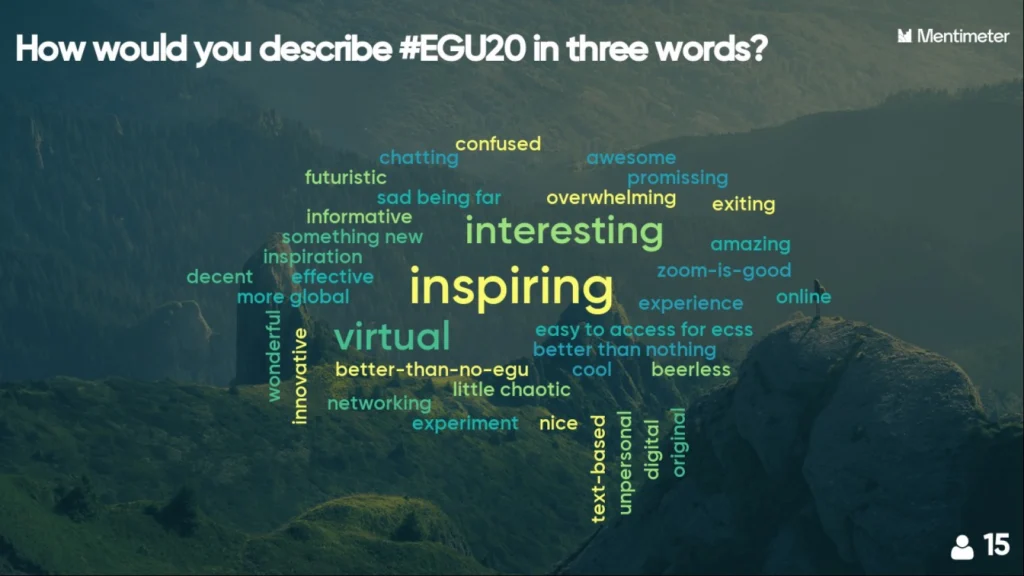
It’s 2020 and a new coronavirus has spread all over the world-changing most if not all our habits. In a few weeks, we’ve seen adaptations to living in a world with this pandemic, from many points of view. Science reacted and adapted very quickly, sharing research and opening dialogues using online tools. Similarly, the EGU General Assembly that usually hosts every year around 15,000 people i ...[Read More]
EGU 2020: Sharing Geoscience Online, NhET activities
We are currently living uncertain times due to the COVID-19 pandemic, and we hope that you and your relatives are healthy and safe. As you may know by now, the physical EGU 2020 General Assembly was cancelled. To keep science in the front line, provide a discussion and sharing platform also at these times, it was replaced by the first interactive and digital EGU 2020: Sharing Geoscience Online ev ...[Read More]
Vitor Silva: 2020 Natural Hazards division medallist story
In today’s interview, we talk with Dr Vitor Silva, who was awarded the 2020 Natural Hazard Division Outstanding Early Career Scientist Award for his fundamental contributions to the research on earthquake risk assessment. Seismic risk is the probable building damage and the number of people that are expected to be hurt or killed if a likely earthquake on a particular fault occurs. Disaster risk ca ...[Read More]
Blog column – PICTURE YOUR RESEARCH!
Working on natural hazards brings you to places (physically and virtually) you might never have discovered otherwise. You look at the world while asking questions about places, situations, relationships, and interactions of the natural processes surrounding you, inspiring your scientific potential. The Natural hazard Early Career Scientists Team is interested in your natural hazard research and wo ...[Read More]
The multitasking skillbox of researchers, direct experiences from Early Career Scientists.
Science is “the study of the nature and behaviour of natural things and the knowledge that we obtain about them” (Collins online dictionary). In other words, science is tightly linked to gaining knowledge. However, this definition and many others never mention that to gain knowledge through science, a vast amount of experience must be acquired beforehand and put into practice every day ...[Read More]
Behind the scene: knowing the President of the EGU Natural Hazard Division – Ira Didenkulova!
In this last post of 2019, I have the pleasure to ask some questions to Ira Didenkulova, the President of the EGU Natural Hazards division who has been recently elected for a second mandate. Ira, can you introduce yourself and tell what led you the position of EGU Natural Hazard (NH) Division president? What are the main challenges you had and what’s next for the NH division? It seems this ...[Read More]
Time for submissions: sessions proposed by NhET at the next EGU General Assembly!
We are getting closer to 2020 and one of the first deadlines is for the submission of abstracts for the next EGU General Assembly (GA) in Wien, from the 3rd to the 8th of May 2020. The Natural hazards Early career scientist Team (NhET) has proposed several sessions and short courses also for next GA. Below you can find a list of them. We also remind that there is an opportunity for financia ...[Read More]
Where science and communication meet: the editorial world of scientific journals.
The ultimate scope of scientists is to publish their research advancement and share it with the scientific community and civil society. Researchers, whether coming from academia or research institutes, publish their results in peer-reviewed journals, that are usually highly technical and often incomprehensible to anyone except the major experts in the field. In some subjects is inevitable given th ...[Read More]