The Geodynamics 101 series serves to showcase the diversity of research topics and methods in the geodynamics community in an understandable manner. We welcome all researchers – PhD students to Professors – to introduce their area of expertise in a lighthearted, entertaining manner and touch upon some of the outstanding questions and problems related to their fields. For our first ‘101’ ...[Read More]
From hot to cold – 7 peculiar planets around the star TRAPPIST-1
Apart from Earth, there are a lot of Peculiar Planets out there! Every 8 weeks, give or take, we look at a planetary body or system worthy of our geodynamic attention. When the discovery of additional Earth-sized planets within the TRAPPIST-1 system was revealed last year, bringing the total to 7 planets, it captured the minds of audiences far and wide. This week, two of the authors from a 2017 Na ...[Read More]
Happy new year!
It’s 2018! Another year to finally publish that paper, finish your PhD, find a new job, finish that project, and be happy! The EGU Geodynamics Blog Team is looking forward to keep brightening your Wednesday mornings with the most interesting and funny blog posts. In this first post, we wish you all, of course, a happy new year! I wish everyone a very happy, productive, writing- ...[Read More]
The fluid dynamics of wine
The Christmas holidays: the one time of year that you don’t need to think about work. Instead, you are focussed on your family (including the in-laws), the massive amount of food still left (a miscalculation every year), and you’re starting to think about your New Year’s resolutions (because we give it a try every year, right?). So, this is definitely not the time to go and read ...[Read More]
Remarkable Regions – The India-Asia collision zone
Every 8 weeks we turn our attention to a Remarkable Region that deserves a spot in the scientific limelight. This week we zoom in on a particular part of the eastern Tethys as Adina Pusok discusses the India-Asia collision zone. She is a postdoctoral researcher at the Institute of Geophysics and Planetary Physics, Scripps Institution of Oceanography, UCSD, US. Without doubt, one of the most striki ...[Read More]
2017 AGU Fall Meeting
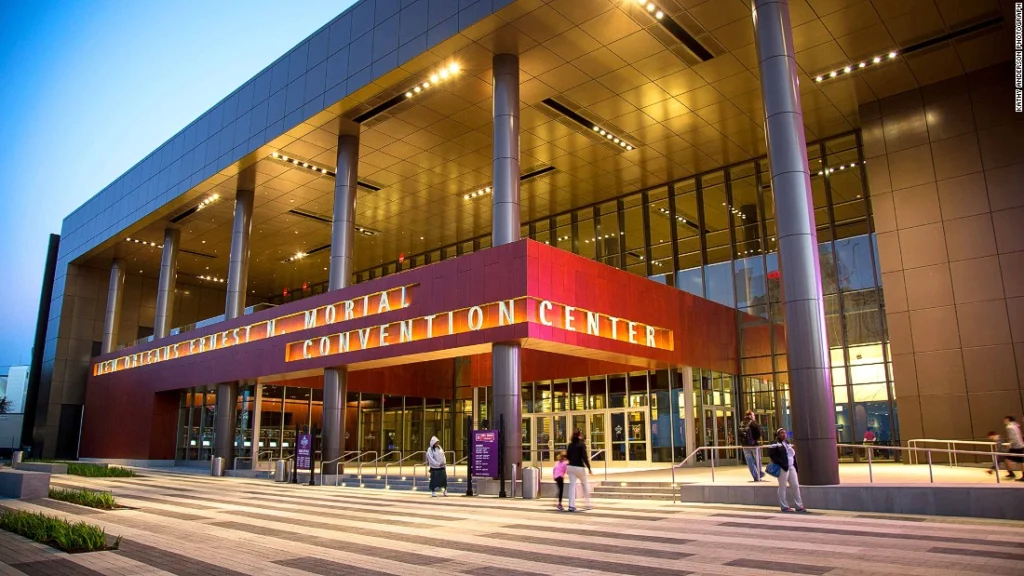
The largest Earth and Space science meeting in the world is taking place in New Orleans, Louisiana. As usual, once a year AGU gathers the best and brightest minds from around the globe in the pursuit of high quality science, knowledge, and a more sustainable future. In particular, AGU allows to share your science, advance your career, and gain visibility and recognition for your own scienti ...[Read More]
Conferences – so near and yet so far
Attending conferences is expensive and time consuming, so going to all the conferences relevant for your research topic(s) is an impossible mission. One solution might be to attend (parts of) conferences remotely. Suzanne Atkins, postdoc at ETH Zürich, Switzerland, discusses the pros and cons of remote conferencing. Last month the Geological Society of London live-streamed their celebration of 50 ...[Read More]
On the influence of grain size in numerical modelling
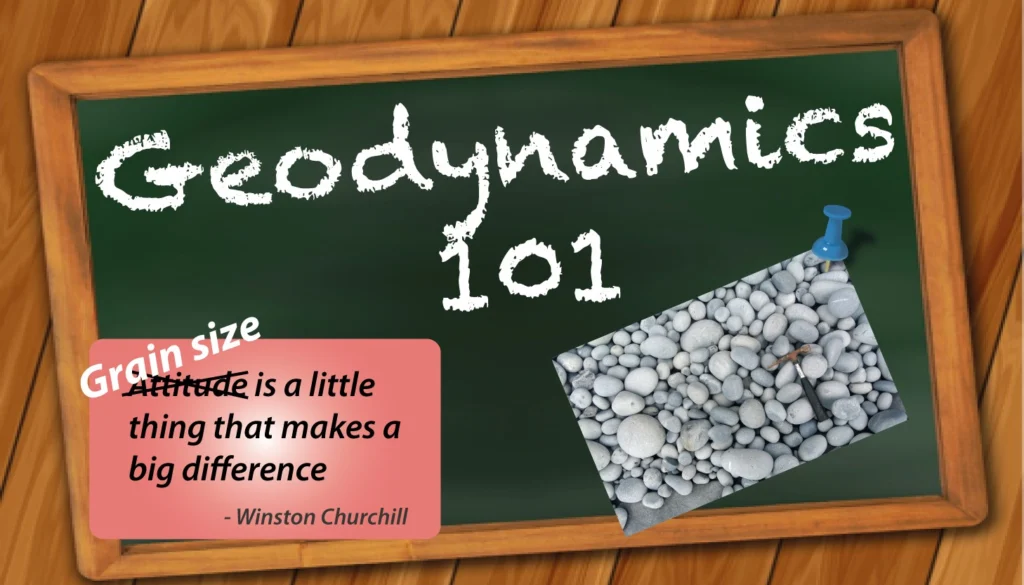
The Geodynamics 101 series serves to showcase the diversity of research topics and methods in the geodynamics community in an understandable manner. We welcome all researchers – PhD students to Professors – to introduce their area of expertise in a lighthearted, entertaining manner and touch upon some of the outstanding questions and problems related to their fields. This month Juliane Dannberg fr ...[Read More]
Alaska: a gold rush of along strike variations
Every 8 weeks we turn our attention to a Remarkable Region that deserves a spot in the scientific limelight. After exploring the Mediterranean and the ancient Tethys realm, we now move further north and across the Pacific to the Aleutian-Alaska subduction zone. This post was contributed by Kirstie Haynie who is a PhD candidate at the department of geology at the University at Buffalo, State Univer ...[Read More]
The quest of a numerical modelling hero
Numerical modelling is not always a walk in the park. In fact, it resembles a heroic quest more often than not. In this month’s Wit & Wisdom post, Cedric Thieulot, assistant professor at the Mantle dynamics & theoretical geophysics group at Utrecht University in The Netherlands, tells the story of his heroic quest to save the princess from the dragon clear a code from bugs and shows ...[Read More]