
Human civilization must survive on geological times: Why and How?
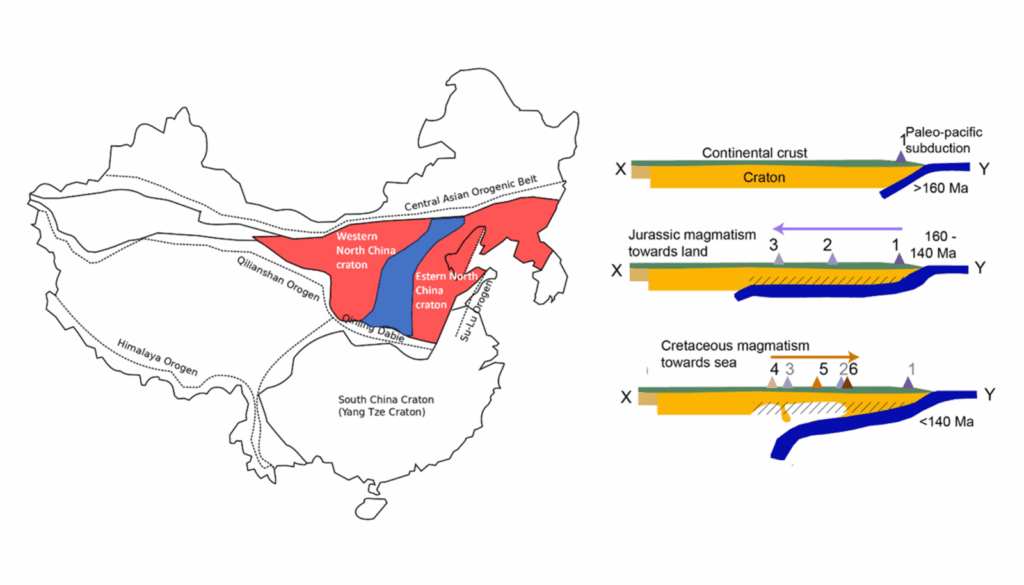
Cratons are forever, until they are not. These long-lived portions of lithosphere are known for being remarkably stable. However, if the conditions are right, even cratons can be ripped apart by geological forces, with far-reaching impacts on Earth’s systems. This week, Jyotirmoy Paul from the University of Oslo, Norway will tell us the downfall of …[Read More]
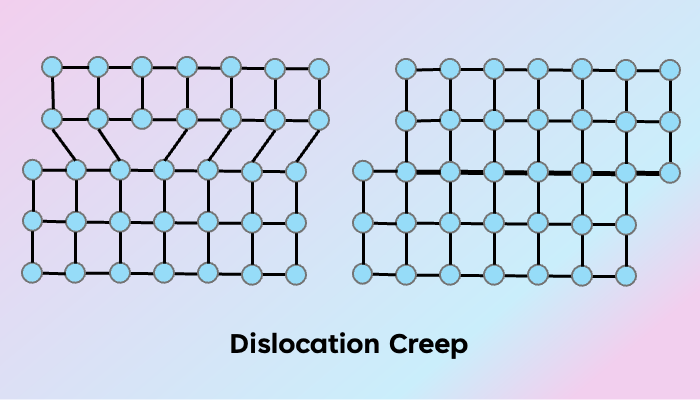
Assume you are under stress. What do you do? Take a walk in the park, order your favorite takeout, have a breakdown, or internally slip along preferred slip systems and develop a fabric? The response will mostly depend on what kind of material you are, how much stress you are under, and what environmental conditions …[Read More]
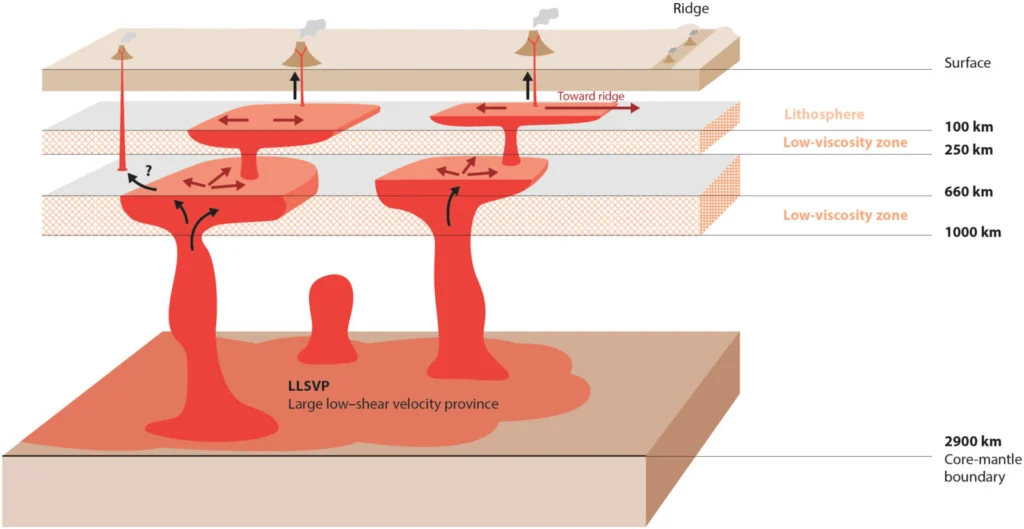
Is the lower mantle boring? For a long time, the lower mantle was thought to be relatively featureless and uniform compared to the more dynamic upper mantle. But recent seismic observations are challenging that idea, especially when we look near the base of the mantle. Recent studies from Maureen Long’s group (Creasy et al. 2017, …[Read More]
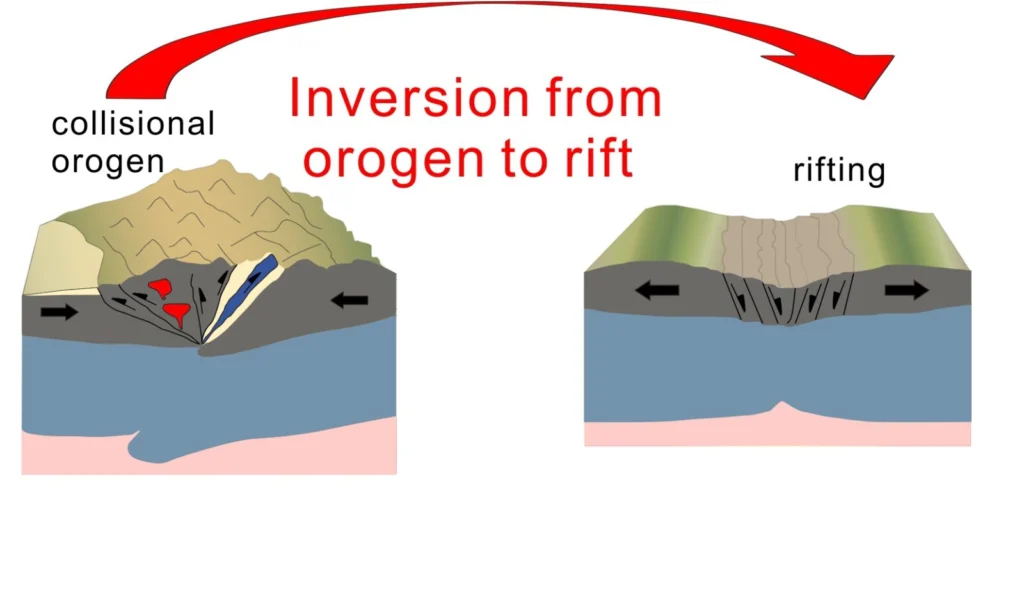
In this new blog, Dr. Kai Li (GFZ Potsdam) talk about his PhD work, where he used accordion numerical models to explore the tectonic history of the South China Sea. His PhD research focuses on the impact of orogenic inheritance on rifts and rifted margins, employing advanced geodynamic modeling techniques. Have you ever tried to …[Read More]
Geophysicists have long been intrigued by the enigmatic “blobs” residing deep within Earth’s lower mantle — the Large Low-Velocity Provinces (LLVPs). Ever wondered what keeps these gigantic thermochemical structures surviving for billions of years despite the mantle’s vigorous convection? In this week’s News & Views, Prachi Kar, a PhD candidate from Arizona State University, delves …[Read More]
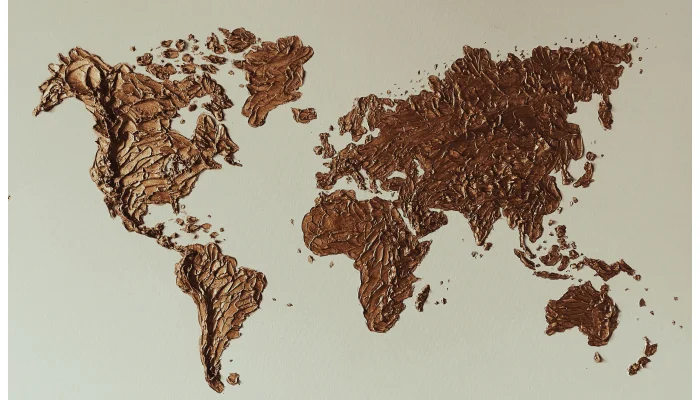
From the very early years on this Planet, earthquakes have always captivated people’s attention. The feeling of admiration and fear always lies within us, especially drawing on the most recent megathrust earthquake that hit the south coast of Kamchatka’s Peninsula, in Russia, twice this year. Therefore, in this week’s blog, we aim to explore how …[Read More]
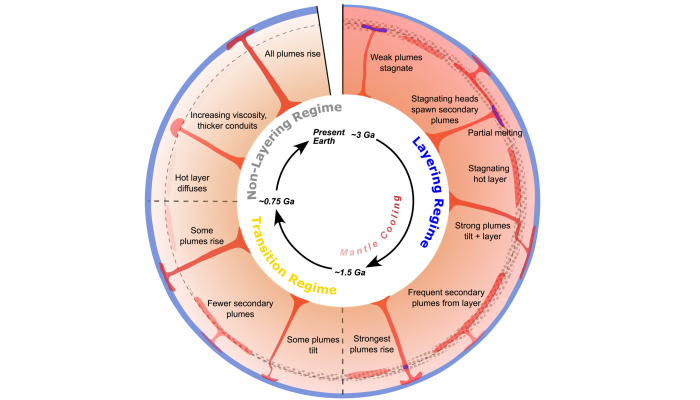
Earth’s structure and dynamics have evolved quite a lot since its formation, and so has mantle dynamics and convection patterns changed along with it. It turns out that phase transition in certain mantle minerals can be an important driver of this change. Today, Ranpeng Li from GEOMAR Helmholtz Centre for Ocean Research Kiel, Germany …[Read More]
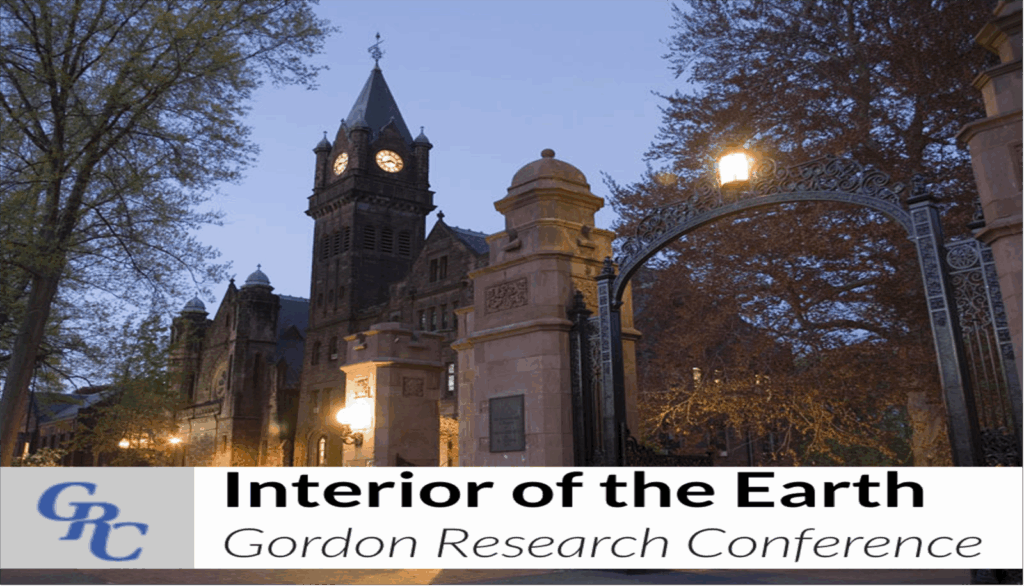
This week in News & Views, Heidi Krauss, a PhD student at Michigan State University, shares her experience co-chairing the 2025 Interior of the Earth Gordon Research Seminar, held at Mount Holyoke College in South Hadley, Massachusetts. Earlier this year, I had the opportunity to help co-chair the Gordon Research Seminar (GRS) on the Interior …[Read More]
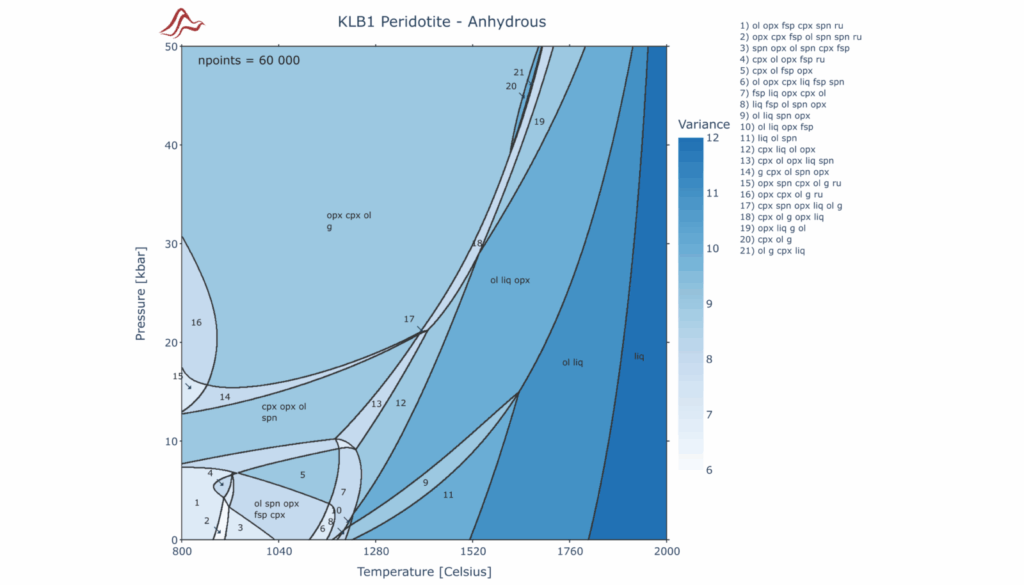
Understanding how rocks melt, deform, and evolve within Earth’s interior is a central challenge in geoscience. These processes span a wide range of spatial and temporal scales and are governed by complex interactions between temperature, pressure, composition, and phase stability. Capturing this complexity in numerical models requires integrating mineral thermodynamics directly into geodynamic modeling frameworks. MAGEMin …[Read More]