CR
Cryospheric Sciences

Cryospheric Sciences

Image of the Week – The GReenland OCEan-ice interaction project (GROCE): teamwork to predict a glacier’s future

Image of the Week – The GReenland OCEan-ice interaction project (GROCE): teamwork to predict a glacier’s future

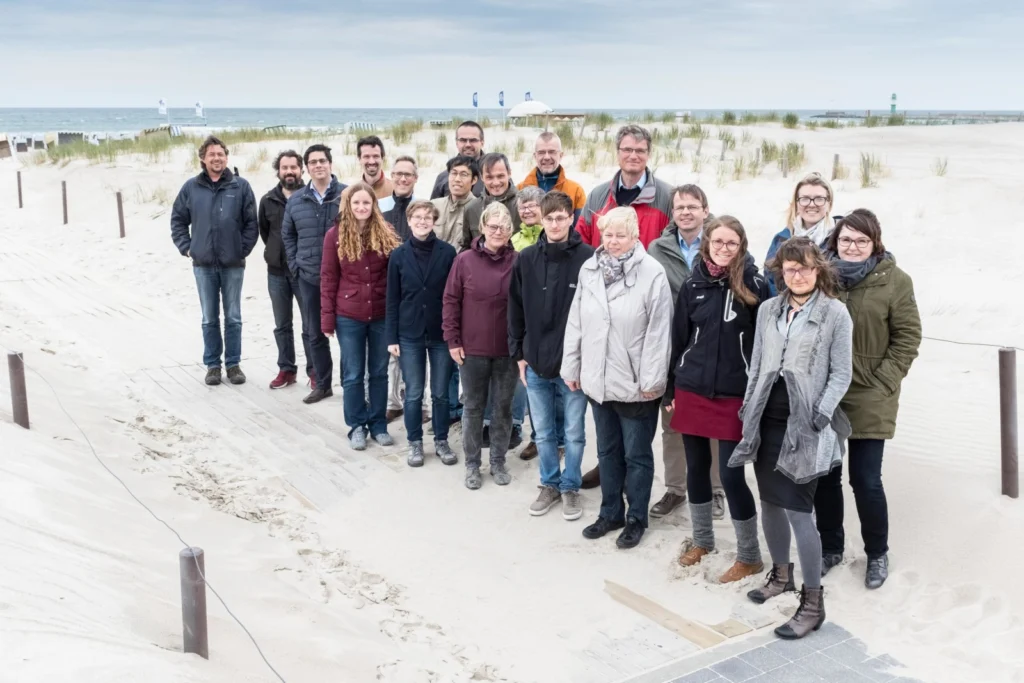
The GROCE project, funded by the German Ministry for Education and Research (BMBF), takes an Earth-System approach to understand what processes are at play for the 79°N glacier (also known as Nioghalvfjerdsfjorden), in northeast Greenland. 79°N is a marine-terminating glacier, meaning it has a floating ice tongue (like an ice shelf) and feeds into the …[Read More]

Image of the Week – The Lost Meteorites of Antarctica…

Image of the Week – The Lost Meteorites of Antarctica…

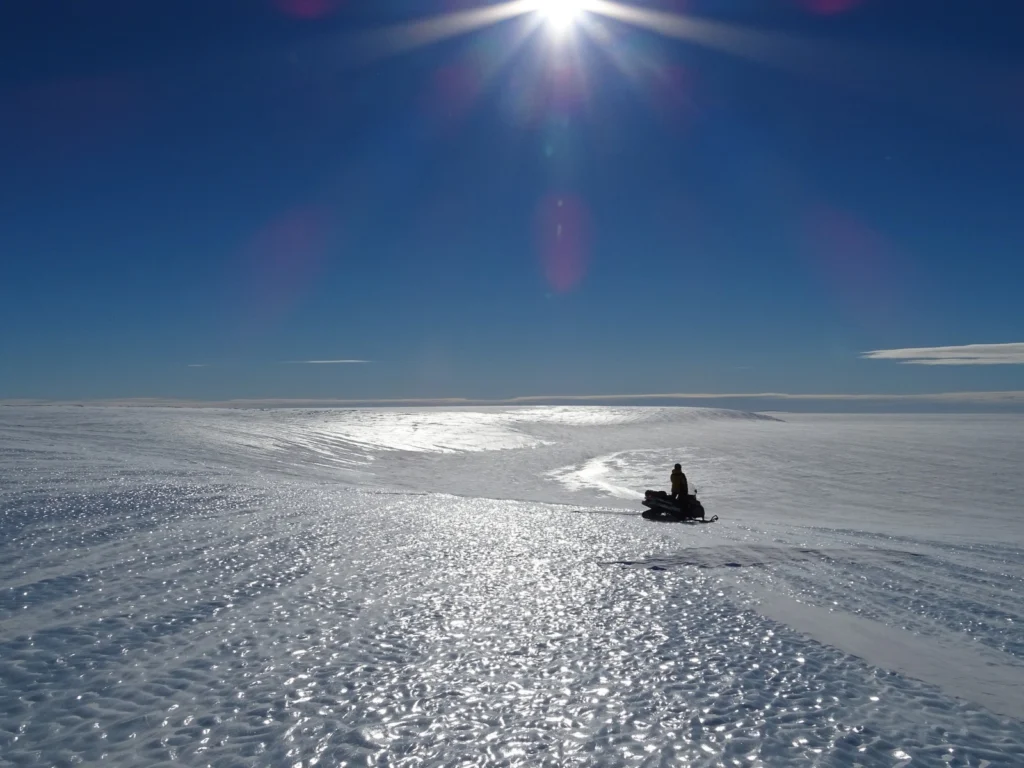
 When most people think of Antarctica, meteorites aren’t the first things that come to mind. Perhaps they imagine the huge ice shelves, the desolate interior, or perhaps penguin colonies near one of the scientific bases — but usually not meteorites. So why is our project looking for meteorites in Antarctica, and besides, aren’t they all …[Read More]

Image of the Week – Who let the (sun)dogs out?

Image of the Week – Who let the (sun)dogs out?

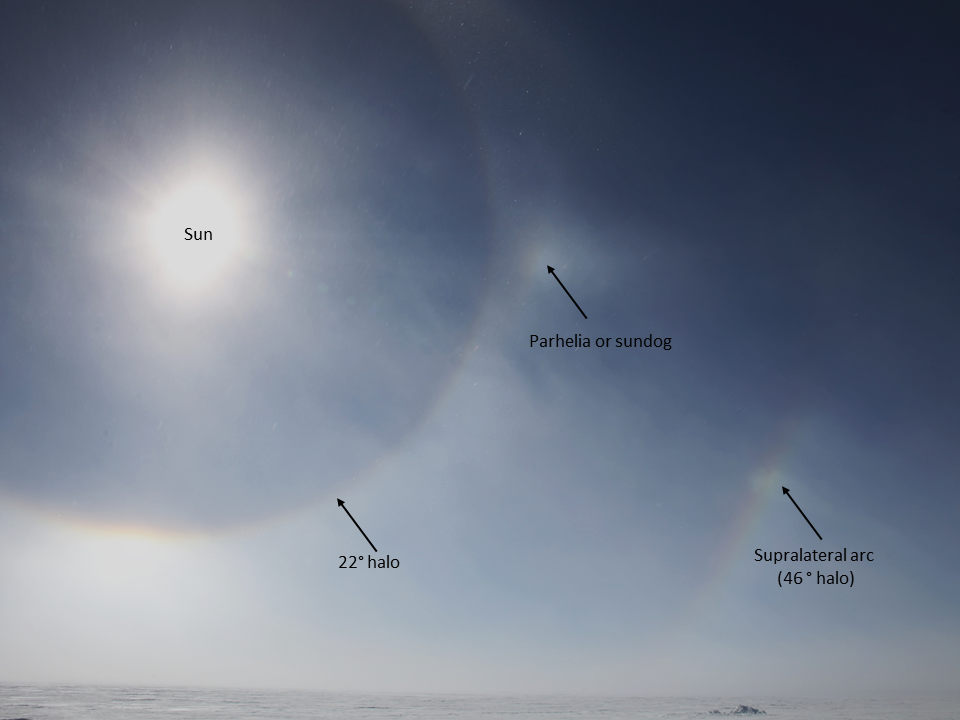
How peaceful it is to contemplate the sky … This is especially true of polar northern or southern skies where the low temperatures can engender unique light phenomena. We often tend call them all, wrongly, sundogs, but in fact, many more phenomena exist. To list a few, you can observe a parhelic circle, a 22° …[Read More]

Image of the Week – Kicking the ice’s butt(ressing)

Image of the Week – Kicking the ice’s butt(ressing)

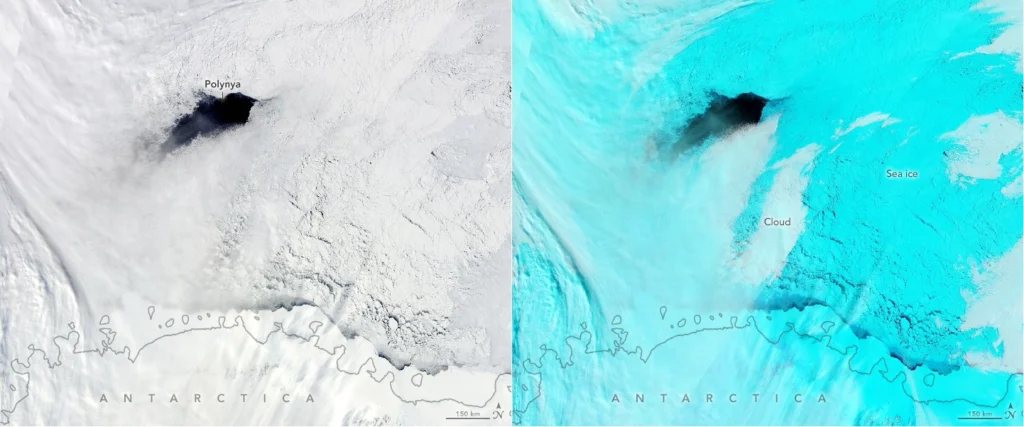
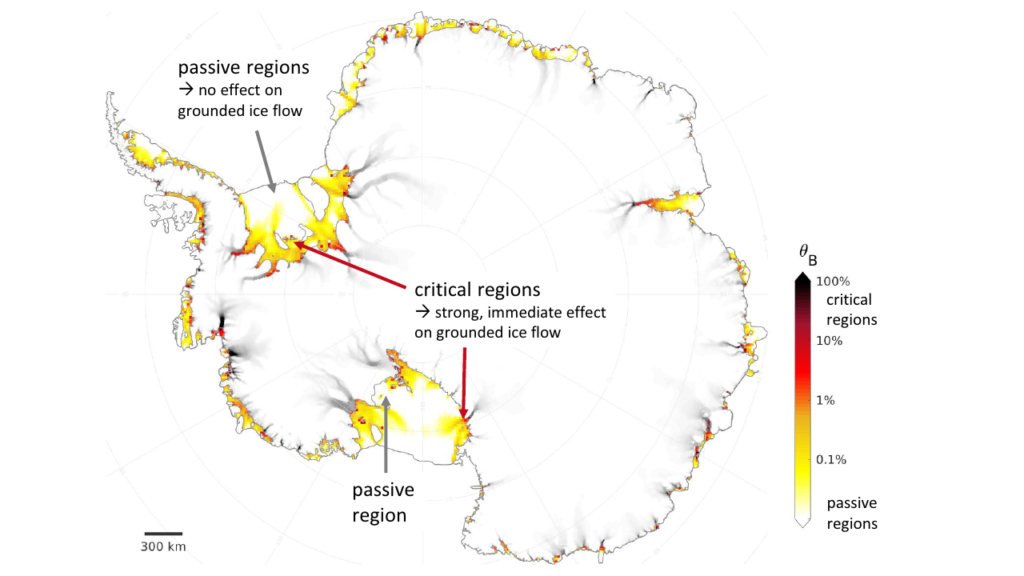
Changes in the ice shelves surrounding the Antarctic continent are responsible for most of its current contribution to sea-level rise. Although they are already afloat and do not contribute to sea level directly, ice shelves play a key role through the buttressing effect. But which ice shelf regions are most important for this? The role …[Read More]

Image of the Week — Cavity leads to complexity

Image of the Week — Cavity leads to complexity

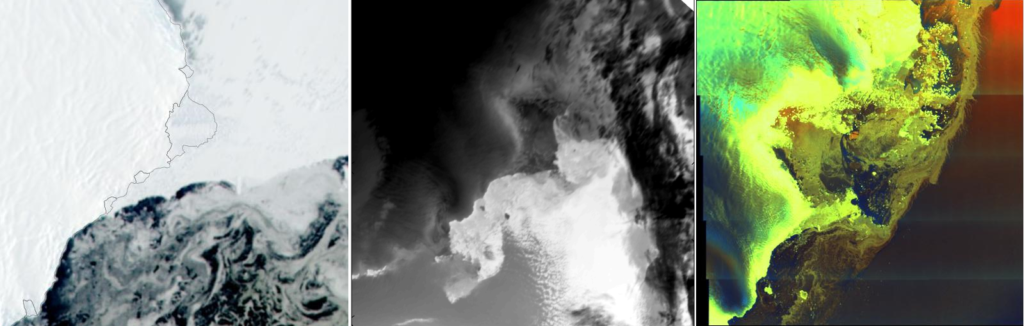
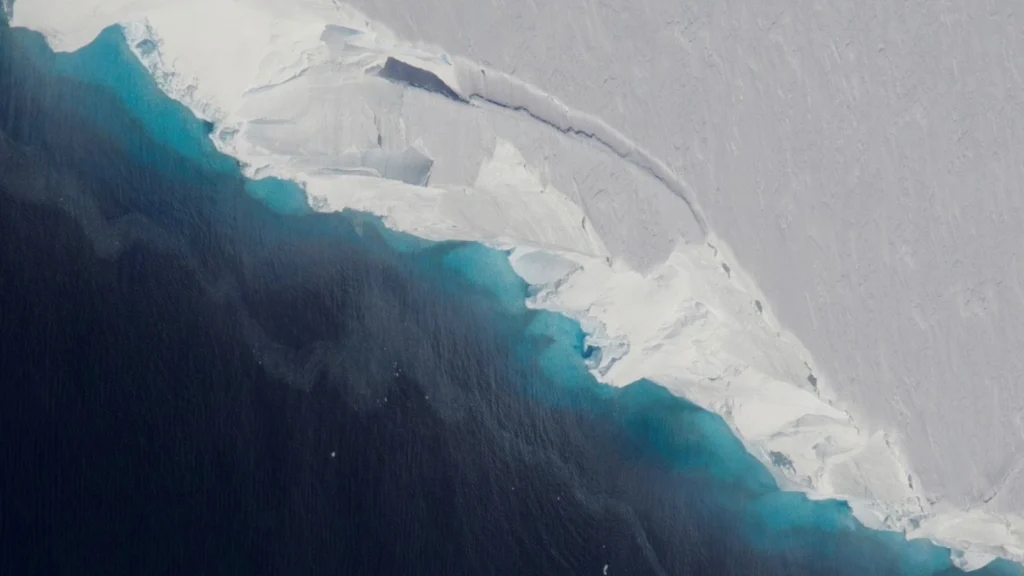
  A 10km-long, 4-km-wide and 350m-high cavity has recently been discovered under one of the fastest-flowing glaciers in Antarctica using different airborne and satellite techniques (see this press release and this study). This enormous cavity previously contained 14 billion tons of ice and formed between 2011 and 2016. This indicates that the bottom of the …[Read More]

Image of the Week – Cryo Connect presents: The top 50 media-covered cryosphere papers of 2018

Image of the Week – Cryo Connect presents: The top 50 media-covered cryosphere papers of 2018

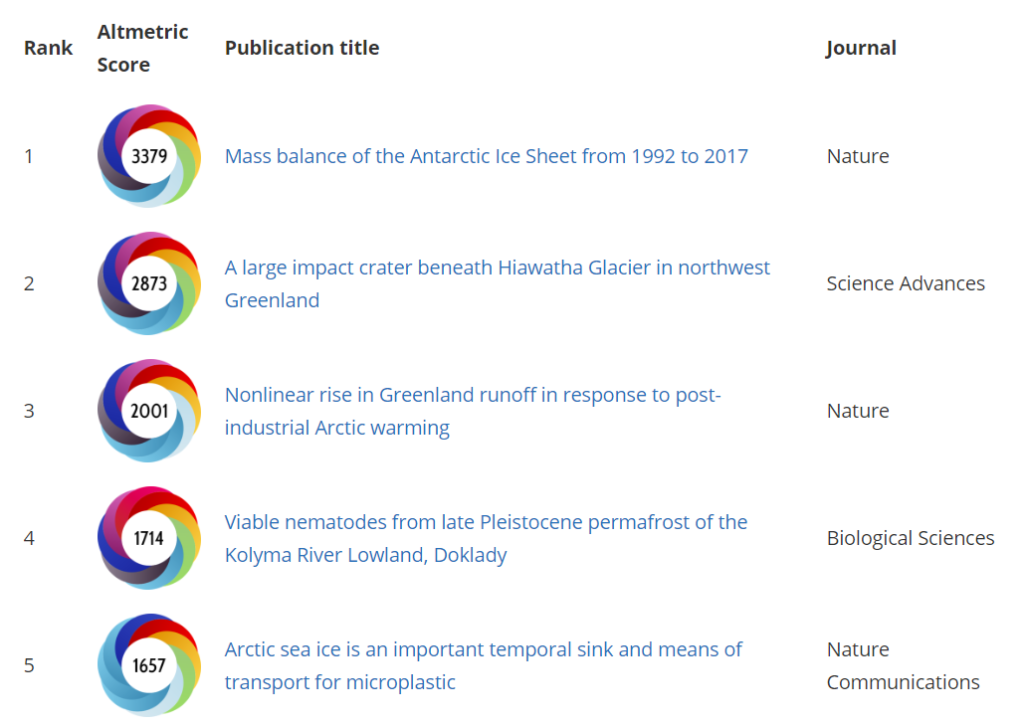
Discover which cryospheric research articles were most successful in attracting media attention in 2018 according to the Altmetric score. Cryo Connect and Altmetric Scientists are generally aware of each others’ studies. But when a scientific study generates media interest, its impact can be boosted beyond the scientific community. The media can push the essence of …[Read More]

A brief guide to Navigating EGU 2019!

A brief guide to Navigating EGU 2019!

Are you going to the EGU General Assembly in Vienna next week? If so, read on for a quick guide to navigating the week: Where to start, what to see and how to meet people and enjoy yourself! After all, the meeting is as much about the opportunities to meet scientists from all over the …[Read More]