BG
Biogeosciences

Biogeosciences

Five ways to improve your interdisciplinary communication skills

Five ways to improve your interdisciplinary communication skills

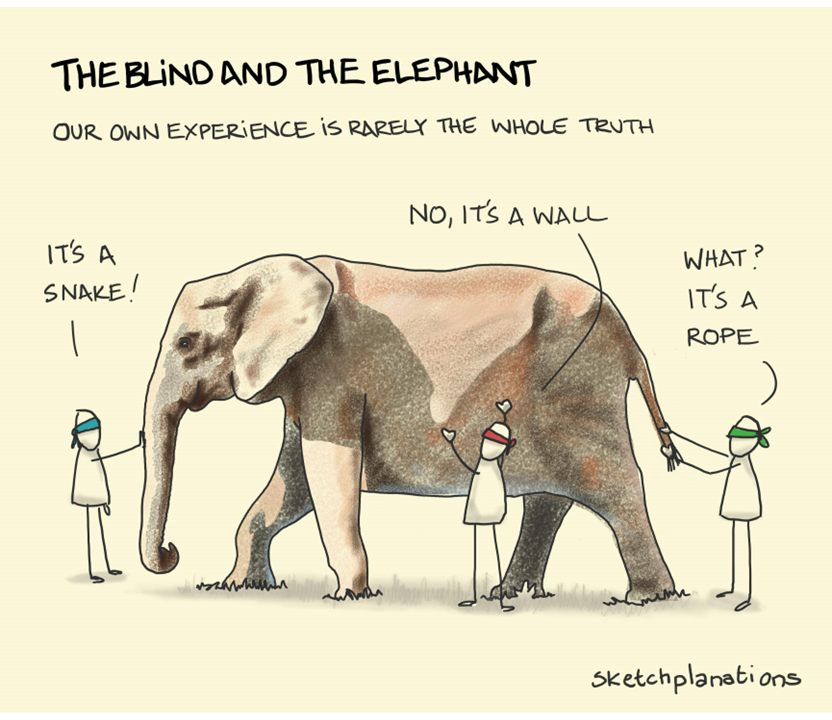
Oh, but you should know that… It is a short sentence, often spoken with good intentions. Yet in interdisciplinary conversations, it can bring a discussion to a complete halt. The moment someone says, “Oh, but you should know that,” they assume that what is obvious in their  discipline must be obvious to everyone else. Hearing this phrase repeatedly in scientific discussions made me realise how muc ...[Read More]

The beauty of Soil!

The beauty of Soil!

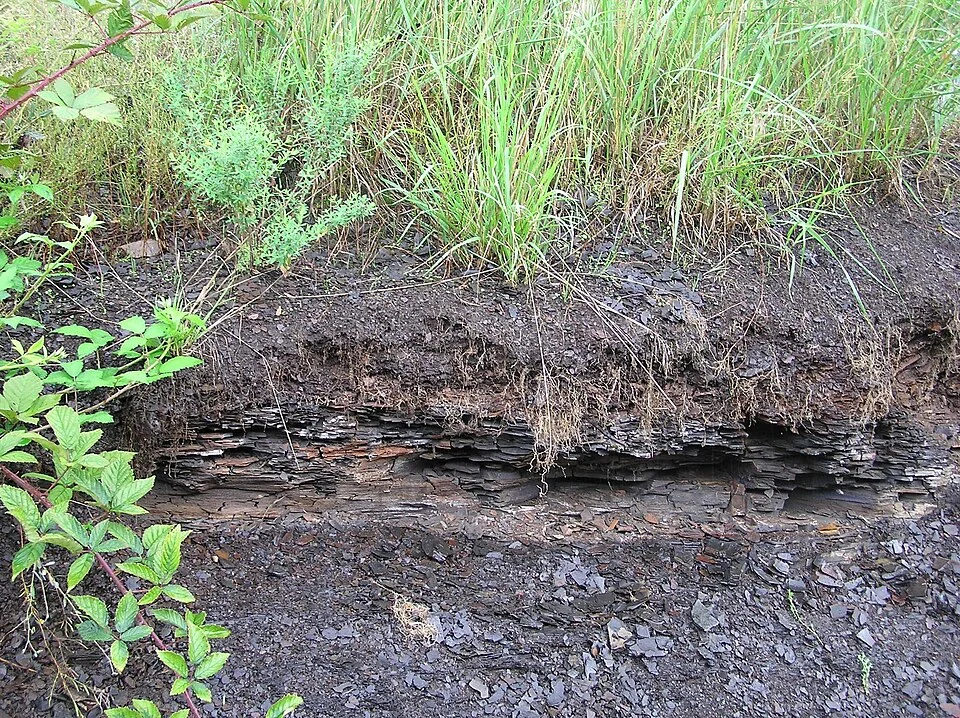
The Life Beneath Our Feet Where would we be without healthy soil? A lot of our research live would be in turmoil I’m here today to spread some soil appreciation, Which may require some thought transformation. Soil Is the base of our beautiful landscapes, Often where we go for some restorative escapes, Some key reasons to save soils from destruction They support 95% of global food production, And a ...[Read More]

Meet Thomas S. Bianchi, Vladimir Ivanovich Vernadsky Medallist 2026

Meet Thomas S. Bianchi, Vladimir Ivanovich Vernadsky Medallist 2026

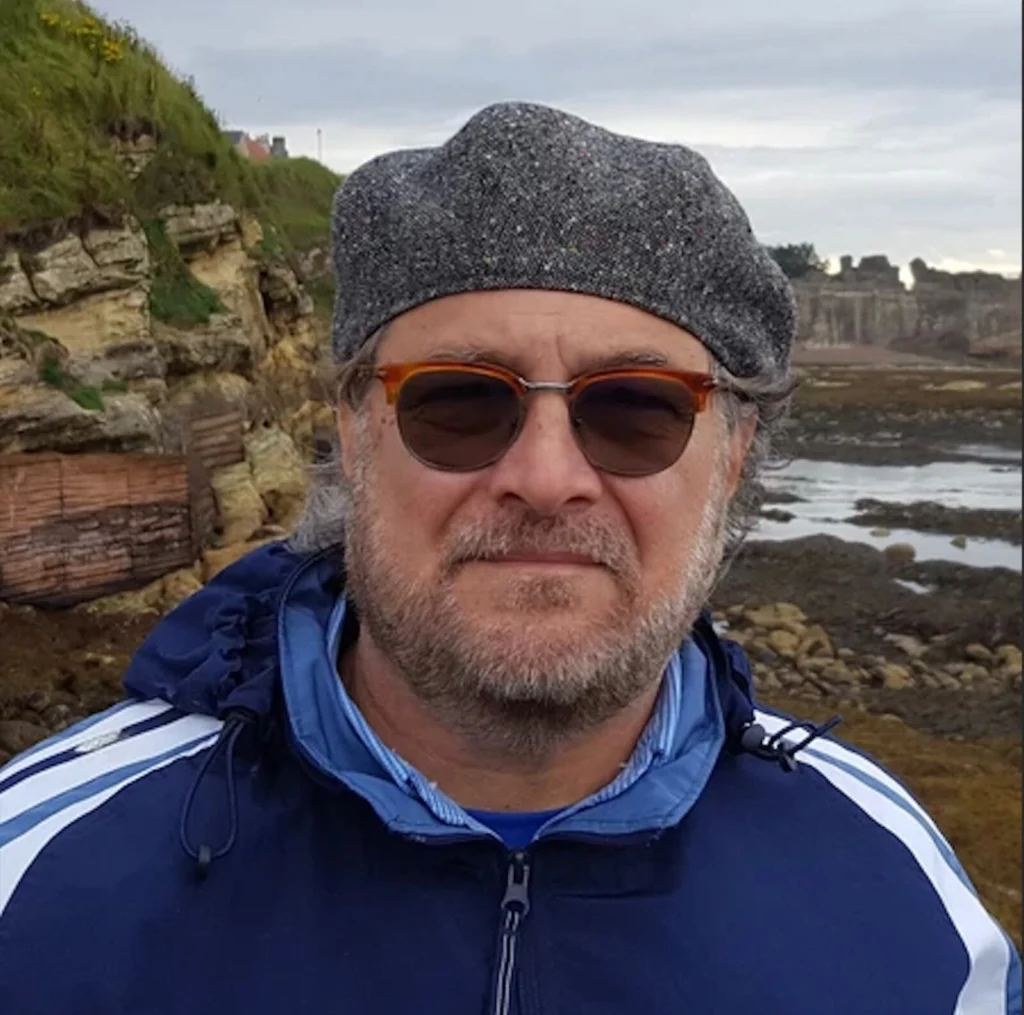
Thomas S. Bianchi is the 2026 Vladimir Ivanovich Vernadsky medallist of the Biogeosciences Division. The BG team congratulates Thomas and celebrates this well deserved recognition! We talked with Thomas to learn more about his career, research interests and advice for early career scientists Could you tell us a bit about yourself and what inspired you to pursue a career in biogeosciences? I grew u ...[Read More]

Meet Anne Klosterhalfen, the Outstanding Early Career Scientist awardee of the Biogeosciences Division!

Meet Anne Klosterhalfen, the Outstanding Early Career Scientist awardee of the Biogeosciences Division!

This year, Anne Klosterhalfen has received the Biogeosciences Division’s Outstanding Early-Career Scientist Award. The BG team warmly celebrates this well-deserved recognition! We talked to her about her scientific journey and research contributions, with the hope of inspiring the next generation of biogeoscientists.   Could you tell us a bit about yourself and what inspired you to pursue a c ...[Read More]

On the Mary Anning Conference Series

On the Mary Anning Conference Series

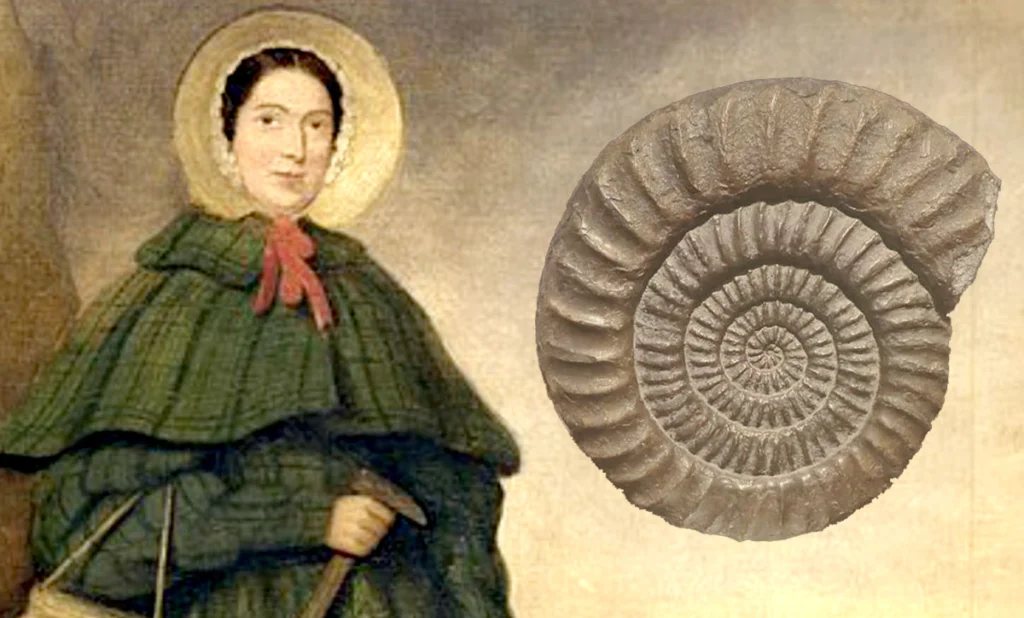
In this episode of the Biogeosciences podcast series Bikem Ekberzade sat down with the co-organizers of the 2025 Mary Anning Conference, Tristan Quaife and Lisa Wingate, as well as conference participant Catherine Morfopoulos. The conference titled Novel constraints on the coupling between the water and carbon cycles was held in Bordeaux, France. For details on the conference and its presentations ...[Read More]

Meet Corinne Le Quéré – Vladimir Ivanovich Vernadsky medal winner 2025

Meet Corinne Le Quéré – Vladimir Ivanovich Vernadsky medal winner 2025

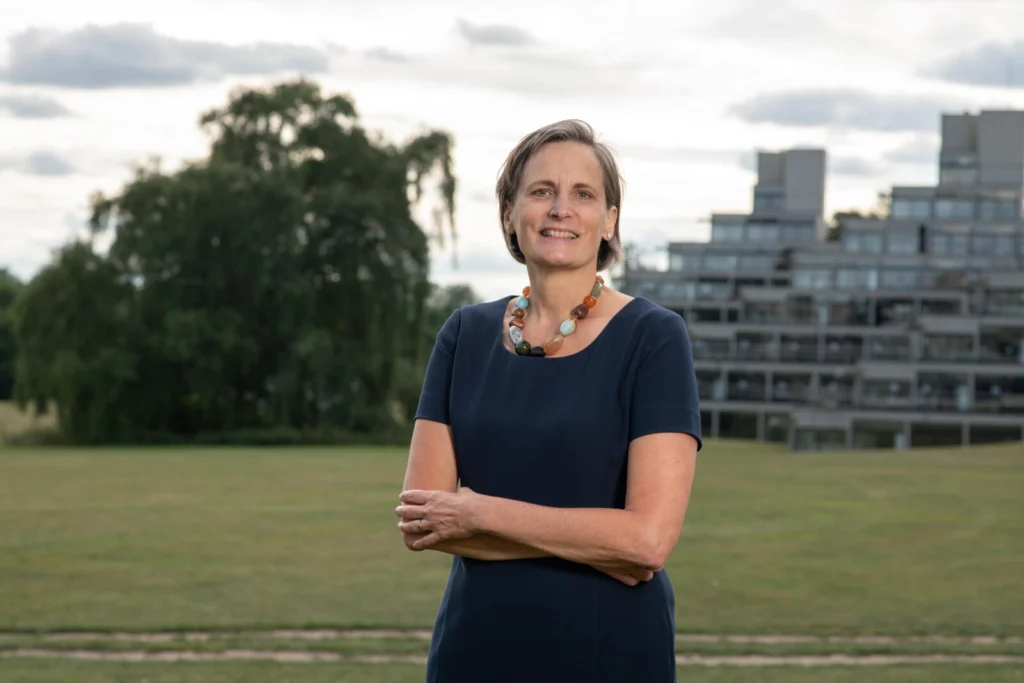
We spoke to Corinne Le Quéré, a Royal Society Research Professor of Climate Change Science at the University of East Anglia (UK). She is the recipient of the 2025 Vladimir Ivanovich Vernadsky medal of the EGU, awarded annually by the Biogeosciences division to those who make an exceptional contribution to biogeosciences. Can you tell us a bit about your background and how your career progressed to ...[Read More]

Recent highlights in Biogeosciences

Recent highlights in Biogeosciences

Want to know more about the latest breakthroughs in biogeochemistry? Then you’ve come to the right place. Across marine biogeochemistry, fisheries science, and environmental health, new research is mapping the unintended consequences of a warming and increasingly exploited planet. By tracing carbon and contaminants through water, sediments, and food systems, these studies offer a portrait of Earth ...[Read More]

Why did the Amazon forest become a CO2 source in 2023?

Why did the Amazon forest become a CO2 source in 2023?

When simulations help highlight an anomaly, scientists who are curious commit to dig deeper, and of course when resources but most importantly data is available, you get good science. In the third episode of the EGU Biogeosciences Division podcast series Bikem Ekberzade talks with Santiago Botia to look at the story behind a recent study that was published in AGU Advances. You can listen to the po ...[Read More]

How to write a competitive MSCA Postdoctoral Fellowship

How to write a competitive MSCA Postdoctoral Fellowship

Demonstrating independence is a critical step when you pursue a career in academia: not only being excellent at executing research, but also showing you can shape ideas into a coherent project, choose the right environment, and lead work that matters. EU funding can be a strong catalyst for that transition, especially in the postdoc phase, because it is designed to reward clear scientific vision p ...[Read More]

Writing for the BG blog

UNAM Campus in Mexico City, showing atomic mode, with tree in the foreground

Thank you for your interest in writing for the Biogeoscience Blog! The BG blog is created for and by EGU’s biogeoscience community. Please do not hesitate to reach out with any ideas, feedback or questions. What we publish Broadly speaking anyone can write for the blog and all ideas are welcome. Since the main readership of the blog are EGU members, our focus is on content that is interesting to a ...[Read More]