BG
Biogeosciences

Science

The beauty of Soil!

The beauty of Soil!

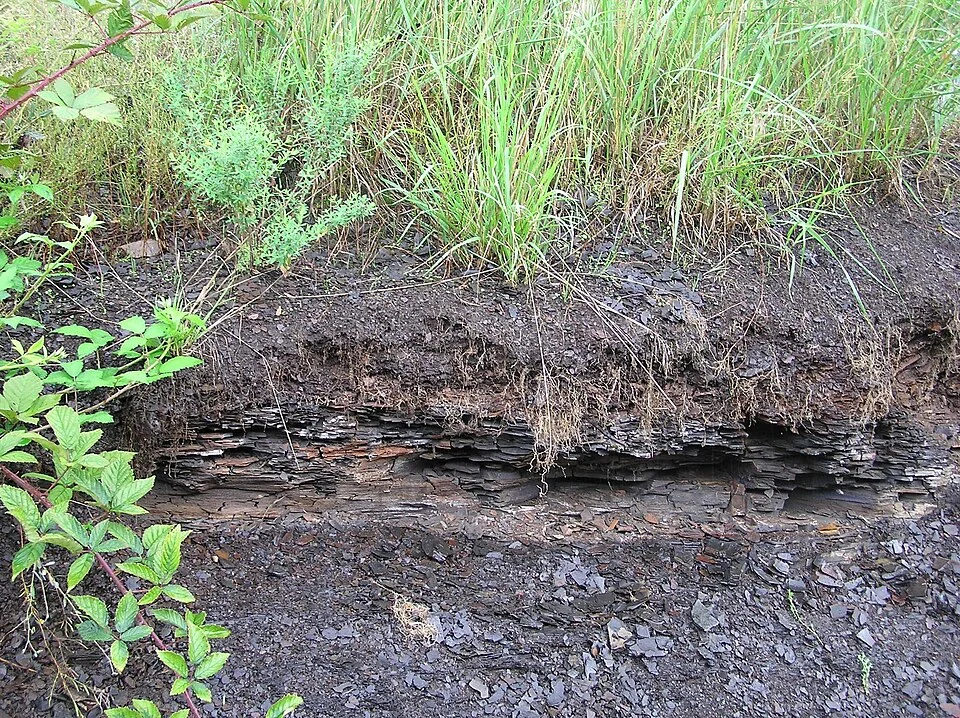
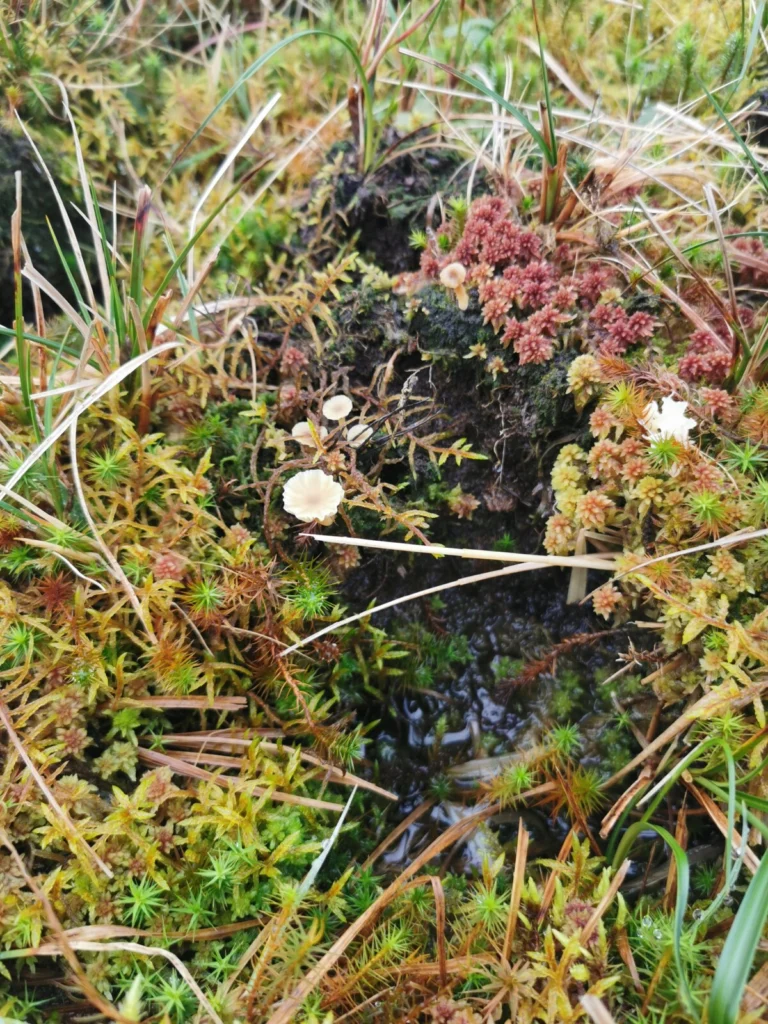
The Life Beneath Our Feet Where would we be without healthy soil? A lot of our research live would be in turmoil I’m here today to spread some soil appreciation, Which may require some thought transformation. Soil Is the base of our beautiful landscapes, Often where we go for some restorative escapes, Some key reasons …[Read More]

Recent highlights in Biogeosciences

Recent highlights in Biogeosciences

Want to know more about the latest breakthroughs in biogeochemistry? Then you’ve come to the right place. Across marine biogeochemistry, fisheries science, and environmental health, new research is mapping the unintended consequences of a warming and increasingly exploited planet. By tracing carbon and contaminants through water, sediments, and food systems, these studies offer a portrait …[Read More]

On fire and ice – the state of wildfires in the boreal zone

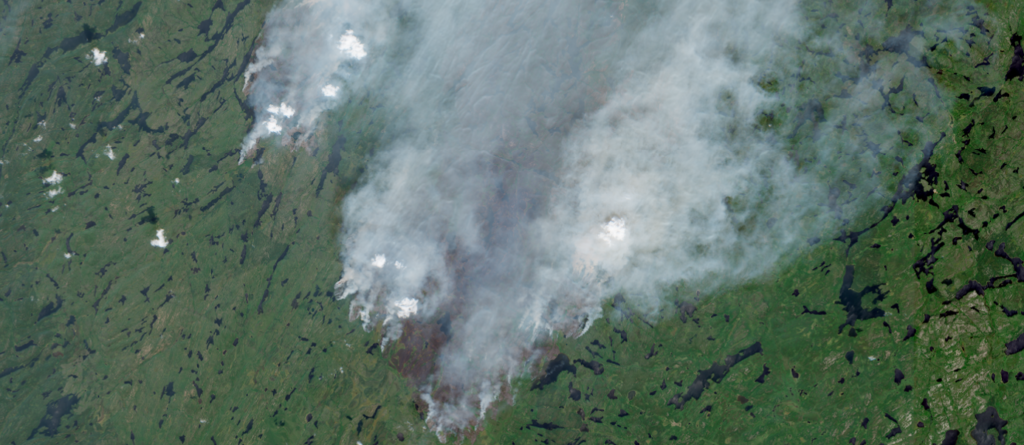
July 2021 Saskatchewan fires captured by Sentinel Hub (Copernicus).

On the second episode of the EGU Biogeosciences Division’s podcast series, Bikem Ekberzade interviews Sander Veraverbeke on the current patterns of wildfires in the boreal zone (as well as Europe, this year) and the effects of climate change and human interference in their severity and return period. You can listen to the podcast here: Of …[Read More]

Microbial Adventures in the Mont Blanc Massif

Microbial Adventures in the Mont Blanc Massif

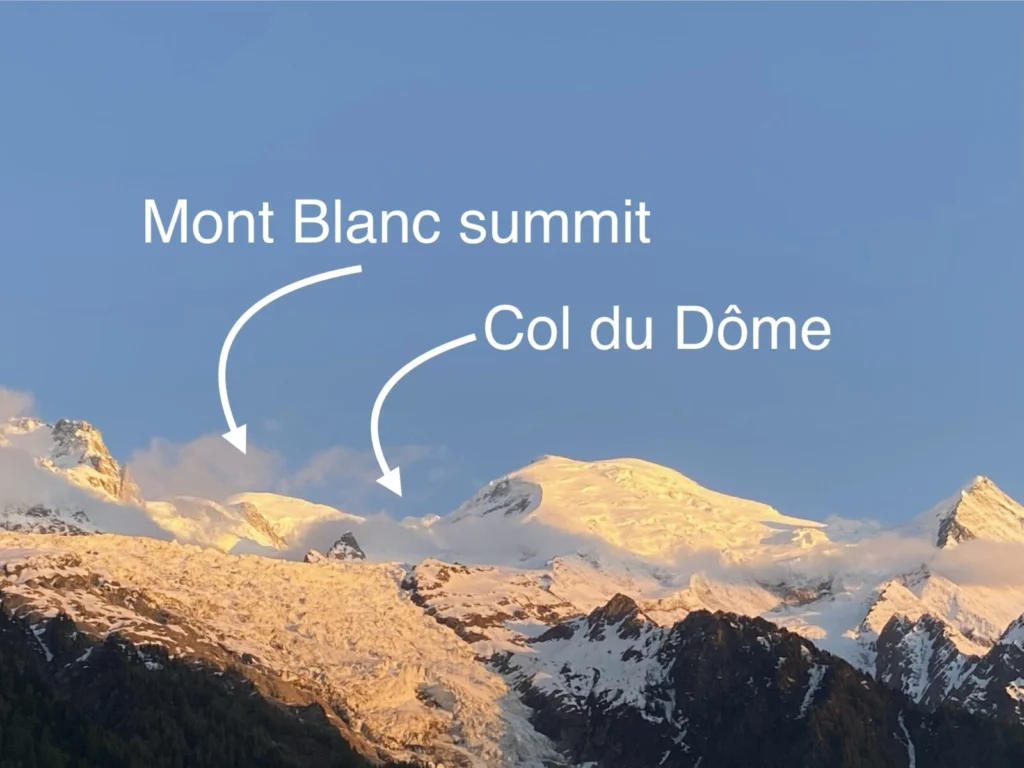
As we passed the town of Saint-Gervais-Les-Bains on the French highway, en route to a sampling campaign, Mont Blanc’s glaciated terrain suddenly emerged above the spring foliage. Breaking the silent awe, Patrick remarked that indeed, “Mont Blanc is still there.” The humor won’t be lost on anyone familiar with the massif. Its unquestionable, human-minimizing presence …[Read More]

My EGU25 highlights: Inspiring inland water greenhouse gas emission science

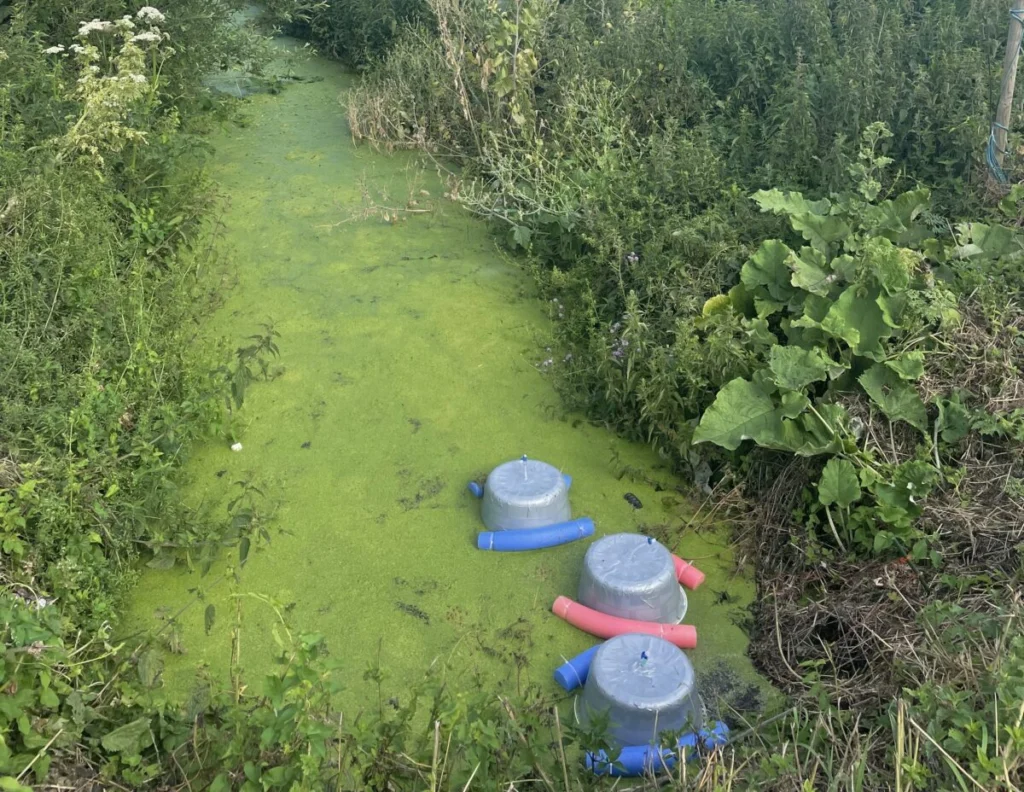
field measurements of greenhouse gas emissions using floating chambers on a agricultural drainage ditch.

The notion that inland waters are passive participants in biogeochemical cycling, with lakes as recipients and rivers as pipes, has long been overturned. More and more research suggests the global importance of inland waters in biogeochemical cycles, particularly in greenhouse gas (GHG) exchange. EGU25 had a remarkable line-up of talks and posters on inland water …[Read More]