BG
Biogeosciences

Uncategorized

Meet Thomas S. Bianchi, Vladimir Ivanovich Vernadsky Medallist 2026
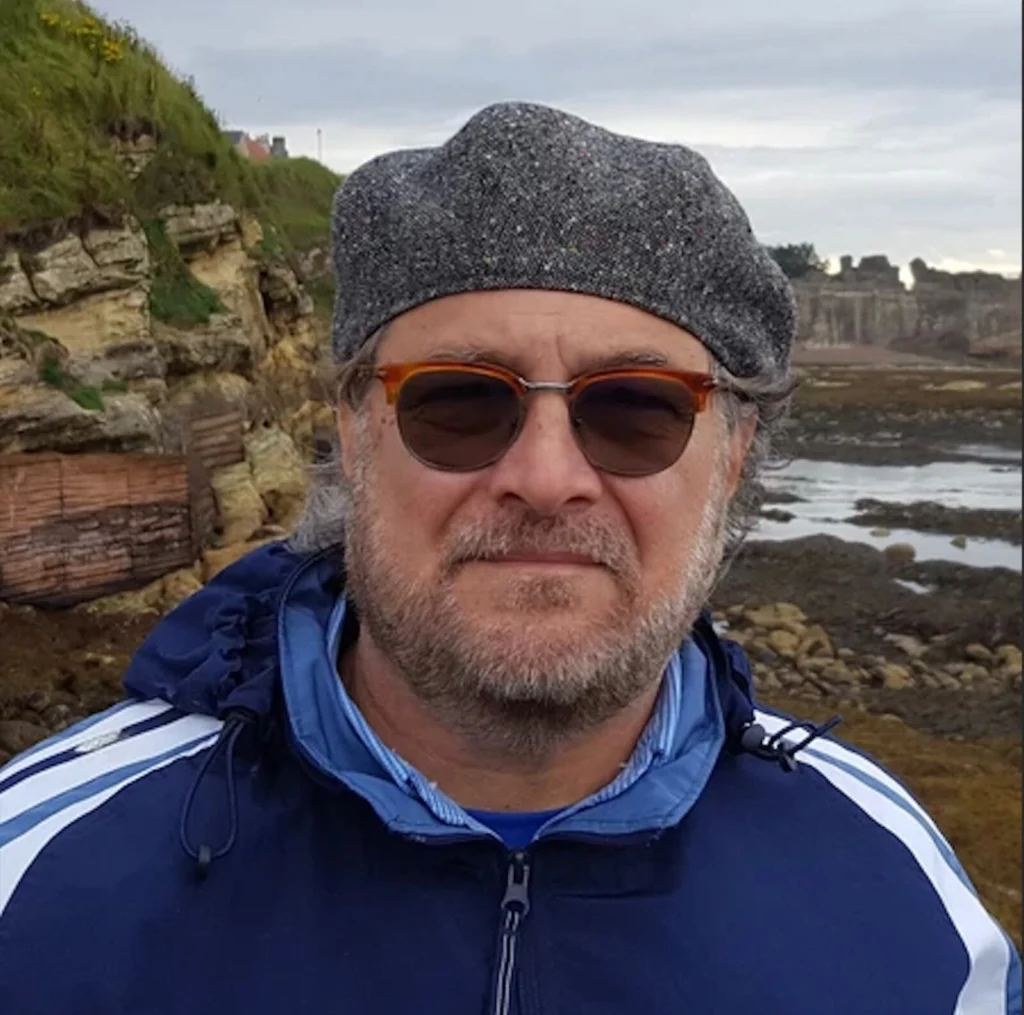
Meet Thomas S. Bianchi, Vladimir Ivanovich Vernadsky Medallist 2026
Thomas S. Bianchi is the 2026 Vladimir Ivanovich Vernadsky medallist of the Biogeosciences Division. The BG team congratulates Thomas and celebrates this well deserved recognition! We talked with Thomas to learn more about his career, research interests and advice for early career scientists Could you tell us a bit about yourself and what inspired you to pursue a career in biogeosciences? I grew u ...[Read More]

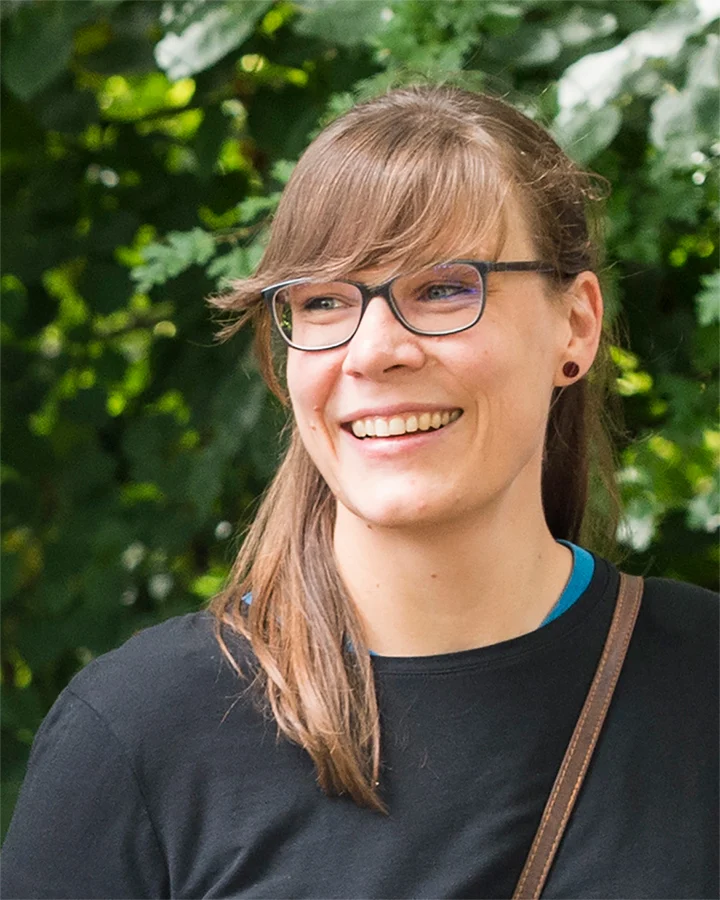
Meet Anne Klosterhalfen, the Outstanding Early Career Scientist awardee of the Biogeosciences Division!

Meet Anne Klosterhalfen, the Outstanding Early Career Scientist awardee of the Biogeosciences Division!

This year, Anne Klosterhalfen has received the Biogeosciences Division’s Outstanding Early-Career Scientist Award. The BG team warmly celebrates this well-deserved recognition! We talked to her about her scientific journey and research contributions, with the hope of inspiring the next generation of biogeoscientists.   Could you tell us a bit about yourself and what inspired you to pursue a c ...[Read More]

Meet Corinne Le Quéré – Vladimir Ivanovich Vernadsky medal winner 2025

Meet Corinne Le Quéré – Vladimir Ivanovich Vernadsky medal winner 2025

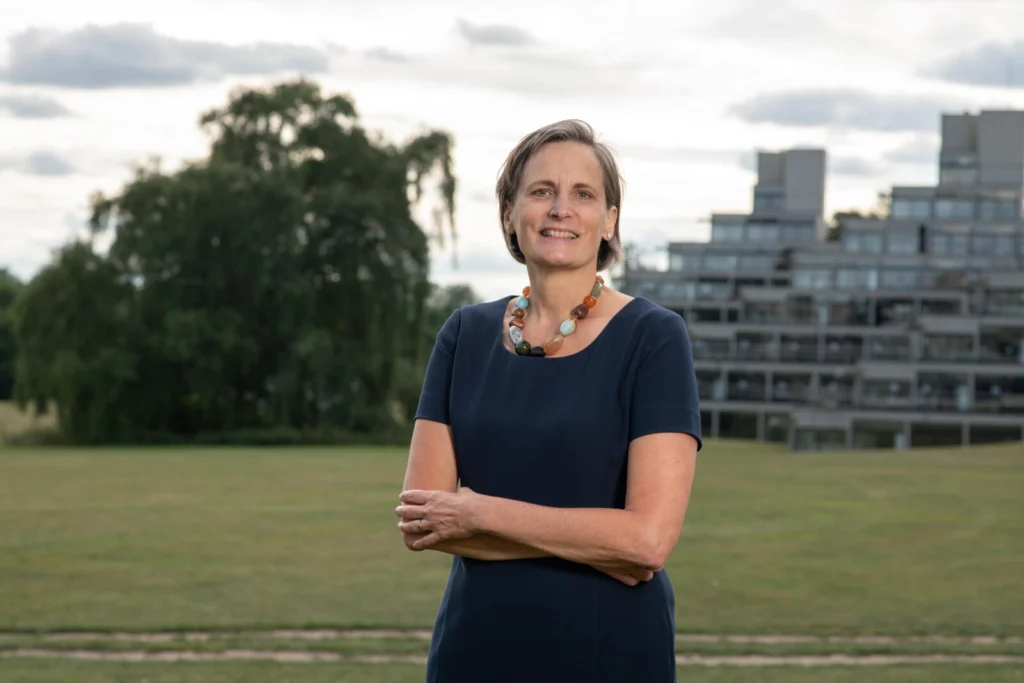
We spoke to Corinne Le Quéré, a Royal Society Research Professor of Climate Change Science at the University of East Anglia (UK). She is the recipient of the 2025 Vladimir Ivanovich Vernadsky medal of the EGU, awarded annually by the Biogeosciences division to those who make an exceptional contribution to biogeosciences. Can you tell us a bit about your background and how your career progressed to ...[Read More]

Working in industry during your PhD

Working in industry during your PhD

A guide for early career researchers exploring opportunities beyond academia Pursuing a PhD often starts with the assumption that your next step will be a postdoc, followed by a tenure-track position. But, for a number of reasons, many early career researchers are starting to look beyond academia. Industry careers represent an appealing alternative as they offer stimulating work, competitive salar ...[Read More]

Unleashing Blue Carbon: Meet the New BluECR Network

Unleashing Blue Carbon: Meet the New BluECR Network

Welcome to our new blog post! Today, we’re diving into the world of Blue Carbon Ecosystems (BCEs) and introducing you to an exciting new initiative—the BluECR network. Whether you’re new to blue carbon or already working in these vital habitats, this post will provide insights into their importance and invite you to join a community dedicated to advancing blue carbon research. Climate change ...[Read More]

Hw to get involved in Science-to-Policy in the Biogeoscience Division

Hw to get involved in Science-to-Policy in the Biogeoscience Division

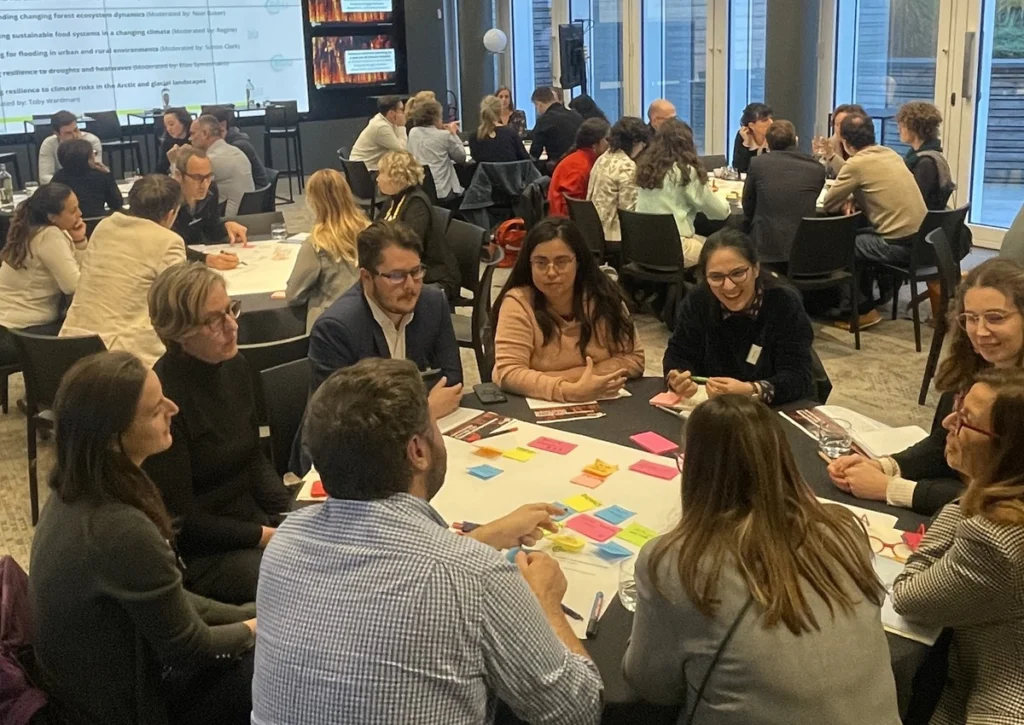
As scientists we possess invaluable expertise that can help shape evidence-informed policies, and decision-makers in the EU are increasingly recognising the importance of scientific input. The EGU can play a key role in this process, with its advice already being considered in major policy developments such as the Nature Restoration Law. As part of these efforts, the EGU Science-for-Policy Team (l ...[Read More]

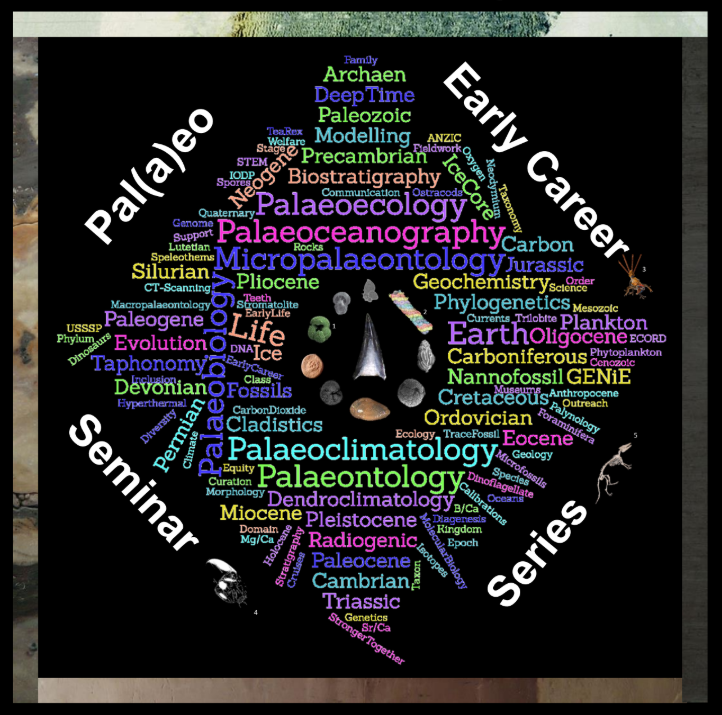
Guest post: Pal(a)eoPERCS

Pal(a)eoPERCS Logo

June 2020, amidst a global COVID-19 pandemic where social distancing and isolation brought the world to a standstill, a grassroots seminar series (Pal(a)eoPERCS) was started with the aim to bolster scholarly engagement and create a convivial space through weekly virtual seminars for Early Career Researchers and Professionals (ECRs).  Three years later, with June 2023 quickly approaching, Pal(a)eoP ...[Read More]

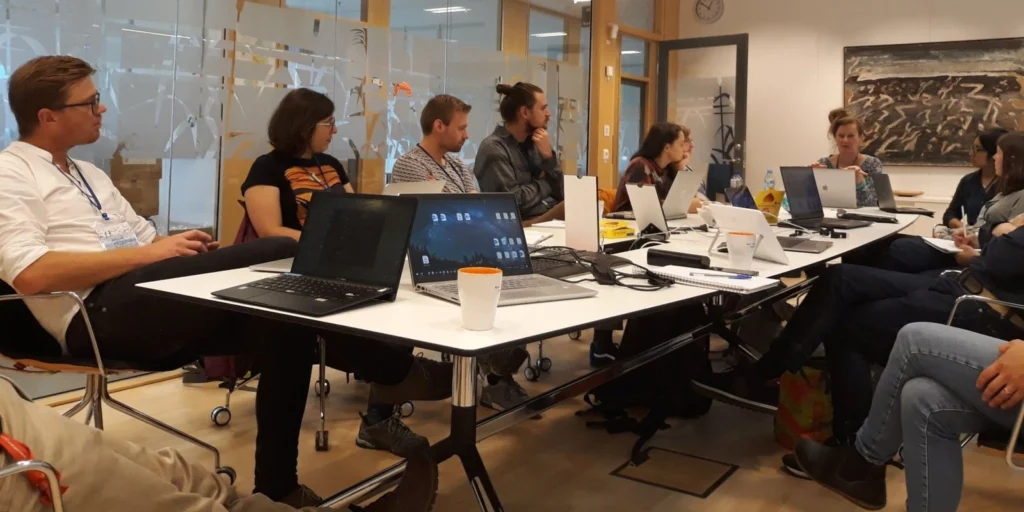
The sedaDNA scientific society, a collaborative network of international researchers working with sedimentary ancient DNA

Emergence of the field of molecular paleoecology Sequencing DNA of organisms that died a long time ago sounds like the synopsis of the movie Jurassic Park (1993). Let’s make it clear right now, dinosaur DNA has never been collected by humans. To date, the oldest DNA recovered is more than one million years old and comes from mammoths. In addition to the DNA recovered from fossils, aquatic and terr ...[Read More]

The hidden importance of Amazon forests

The hidden importance of Amazon forests

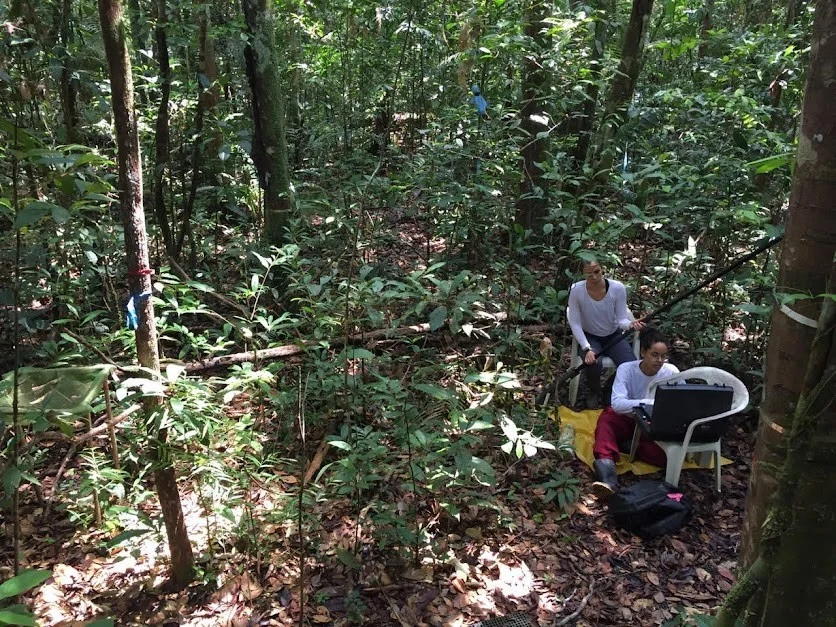
  Figure 1. Minirhizotron image acquisition in the field near Manaus, Brazil (photo credit Caroline Miron From different parts of continental Brazil, now working in different areas of Germany, we, three women scientists, share one more thing in common: our interest in making the hidden importance of the Amazon forest visible. In other words, we are root-nerds! Studying something that cannot i ...[Read More]

Meet your BG team 2022/23

Meet your BG team 2022/23

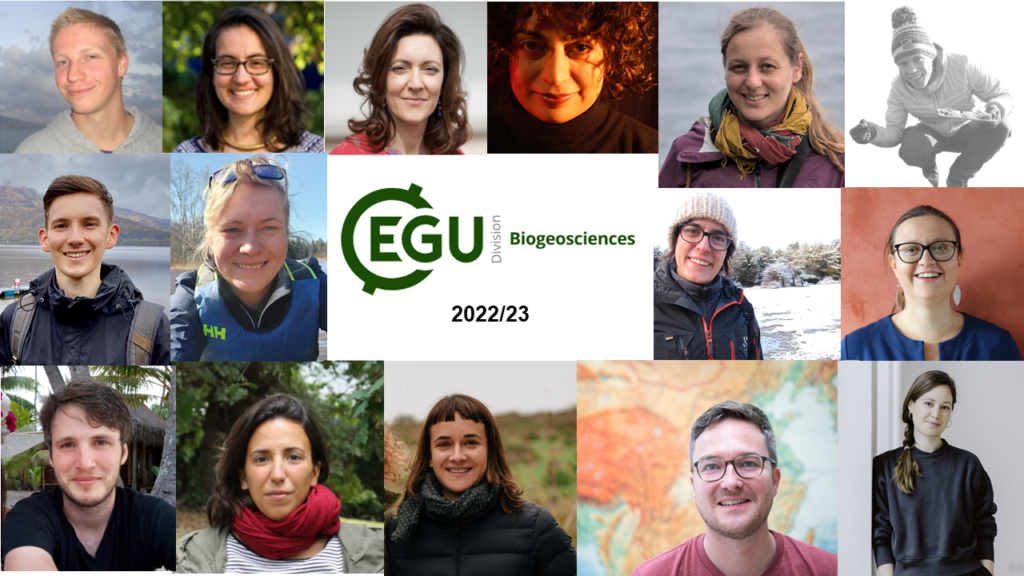
The Biogeosciences division is pleased to have substantially grown over the last year! In this blog post we’ll introduce you to our new representatives and detail how you can get involved in BG activities over the next year.   President: Lisa Wingate (INRAE) Lisa (she/her) has been president of the BG division since 2020 and has been elected to serve until 2025. She works as a researche ...[Read More]