BG
Biogeosciences

Career

A paper that shaped my career – Tim Eglinton on Hayes et al., 1990
A paper that shaped my career – Tim Eglinton on Hayes et al., 1990
In this series, we ask senior researchers to reflect on how a paper or a series of contributions influenced their thinking and led to a change in their research direction and career. Our first reflection comes from Prof. Tim Eglinton, who was professor of Biogeoscience at the Department of Earth and Planetary Sciences of ETH Zurich, Switzerland until his recent retirement in 2025. Throughout his c ...[Read More]

Five ways to improve your interdisciplinary communication skills

Five ways to improve your interdisciplinary communication skills

Oh, but you should know that… It is a short sentence, often spoken with good intentions. Yet in interdisciplinary conversations, it can bring a discussion to a complete halt. The moment someone says, “Oh, but you should know that,” they assume that what is obvious in their  discipline must be obvious to everyone else. Hearing this phrase repeatedly in scientific discussions made me realise how muc ...[Read More]

On the Mary Anning Conference Series

On the Mary Anning Conference Series

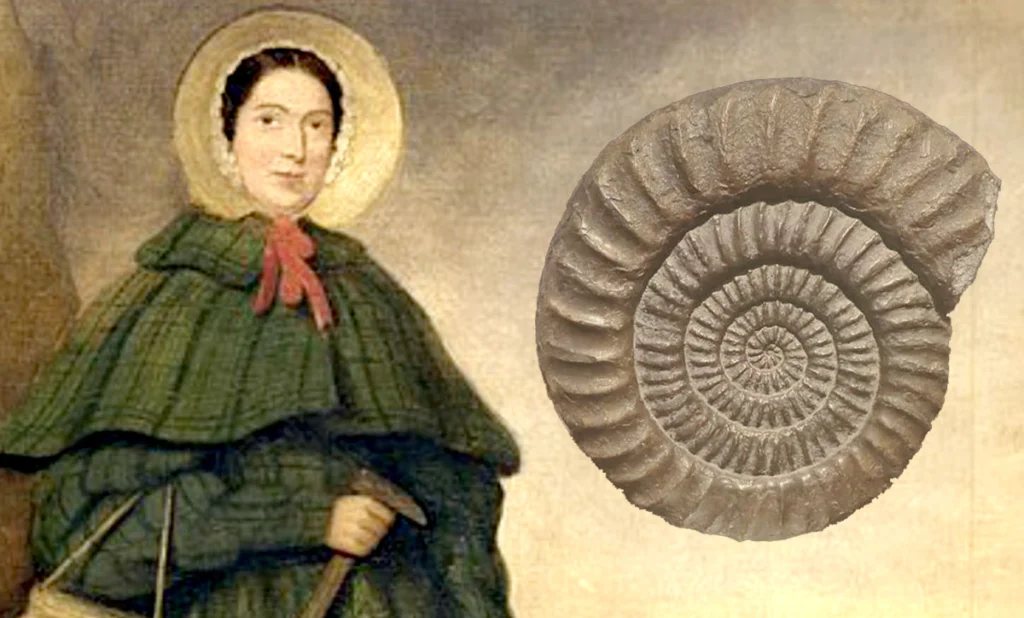
In this episode of the Biogeosciences podcast series Bikem Ekberzade sat down with the co-organizers of the 2025 Mary Anning Conference, Tristan Quaife and Lisa Wingate, as well as conference participant Catherine Morfopoulos. The conference titled Novel constraints on the coupling between the water and carbon cycles was held in Bordeaux, France. For details on the conference and its presentations ...[Read More]

How to write a competitive MSCA Postdoctoral Fellowship

How to write a competitive MSCA Postdoctoral Fellowship

Demonstrating independence is a critical step when you pursue a career in academia: not only being excellent at executing research, but also showing you can shape ideas into a coherent project, choose the right environment, and lead work that matters. EU funding can be a strong catalyst for that transition, especially in the postdoc phase, because it is designed to reward clear scientific vision p ...[Read More]