Detail of a photo: Large angular boulder beside a shallow pebbly stream in a grassy mountain valley, below steep forested slopes and rocky peaks under a dramatic blue sky, in heavily processed colours.
EGU Blogs

1080 search results for "early career scientists"

G

Women in the History of Geodesy
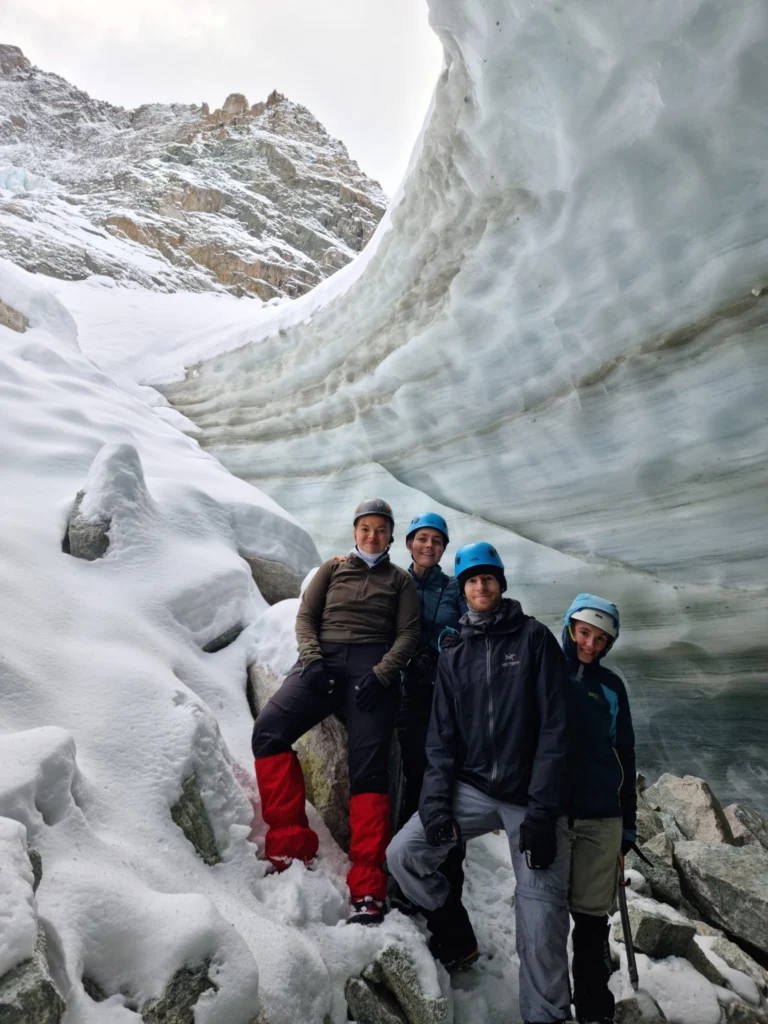
Women in the History of Geodesy
When we look at the history of science, we mostly see male presence in inventions and discoveries. However, this is not actually a true representation of scientific history. A lot of fundamental aspects/parts of science were discovered by female scientists such as Caroline Herschel, Ada Lovelace, Alice Ball, Marie Curie, Chien-Shiung Wu, Grace Hopper and …[Read More]

GD

Biogeodynamics

Biogeodynamics

Would you like to participate in the development of a completely new research field? Here is the opportunity – Biogeodynamics! Biogeodynamics is an emerging field with exciting research opportunities. In this blog post professors Taras Gerya, Loïc Pellissier, and Robert Stern talk about what is Bio-Geo-Dynamics, how this field is developing, and what are the challenges …[Read More]

NH

Getting to know NH11: Climate Hazards, the new EGU Natural Hazards Sub-Division

Getting to know NH11: Climate Hazards, the new EGU Natural Hazards Sub-Division

Earlier this year, the EGU Natural Hazards Division launched a new sub-division dedicated to climate hazards. In today’s interview, Dr Steven Hardiman, a Senior Research Scientist at the Met Office (UK) and the Science Officer of this new sub-division, will share some insights about NH11 and its future development.   Hi Steve, and congratulations on …[Read More]

BG

The sedaDNA scientific society, a collaborative network of international researchers working with sedimentary ancient DNA

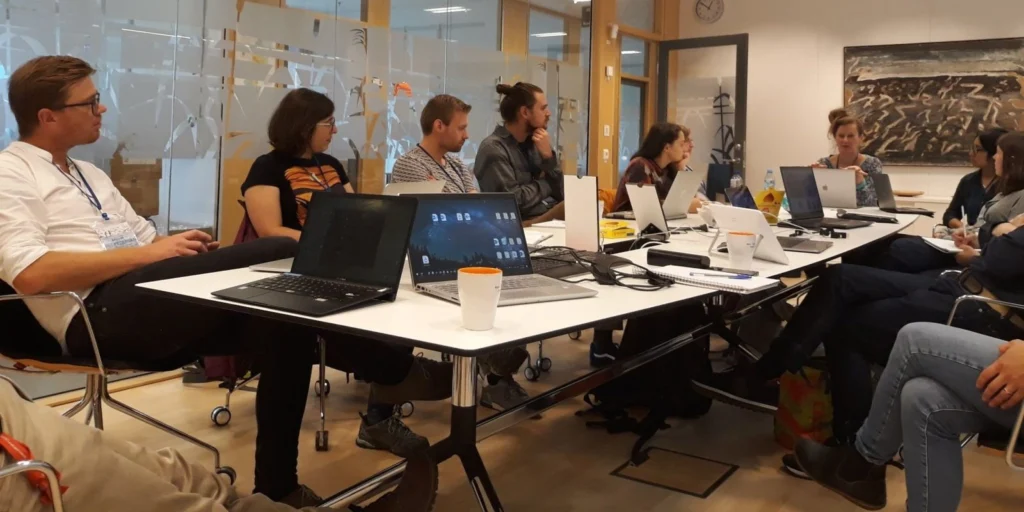
A group of people working together on laptops around a table in a room.

Emergence of the field of molecular paleoecology Sequencing DNA of organisms that died a long time ago sounds like the synopsis of the movie Jurassic Park (1993). Let’s make it clear right now, dinosaur DNA has never been collected by humans. To date, the oldest DNA recovered is more than one million years old and …[Read More]

To accept or not accept: what makes a good scientific editor

To accept or not accept: what makes a good scientific editor

Researchers and those in academia sooner or later come across the scientific editor: the gatekeeper of scientific journals. The editor plays a key role in the publishing process, working closely with authors and reviewers to implement an unbiased peer-review process that upholds rigorous standards. They are often experienced scientists and experts in their field who …[Read More]