
Our paper of the month is “Bubbles attenuate elastic waves at seismic frequencies: First experimental evidence” (N. Tisato et al., 2015) commented by Luca De Siena. Luca De Siena is Lecturer in Geophysics at the School of Geoscience, University of Aberdeen (UK). He received his PhD from the University of Bologna (Italy) with a scholarship …[Read More]

A seismologist on vacation
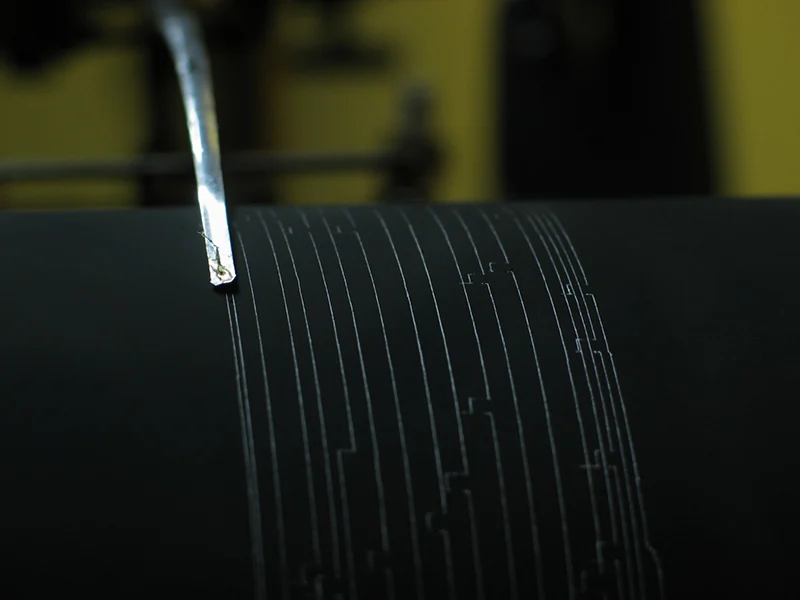
Beginning of this month, I was travelling to Germany to visit family and friends. One week out of the office, without interpreting wiggles or creating synthetic seismograms. But I bet that most of you know that vacation from science does not really exist, especially if an awesome opportunity comes along… What do seismologists do during …[Read More]
Listening to Earthquakes
Most seismologist see earthquakes regularly on screen. We look at the wiggles and try to process them so that we can find useful information about the Earth’s structure. But did you ever listen to earthquakes? Here are just some links to pages where you can dive into the earthquake sounds: Listening to earthquakes on USGS …[Read More]
Paper of the Month – Self-healing slip pulses in earthquake rupture
The “Paper of the Month” (PoM) blog series, recently launched by the Early Careers Scientists (ECS) representatives of the Seismology Division at EGU, aims to present particularly interesting, important, or innovative research articles in all fields related to seismology. While peer-reviewed articles published in the last 12 months are the primary targets, also older “classical” …[Read More]
A tale about MERMAIDs
Once upon a time there was a little mermaid, with the upper body of a human and a tail of a fish, happily diving within the seven seas. Wait … I’m sorry, that is the wrong story. I will tell you today something about a different generation of MERMAIDs, that are pretty useful for seismologists. …[Read More]
Writing boost: Being a reviewer
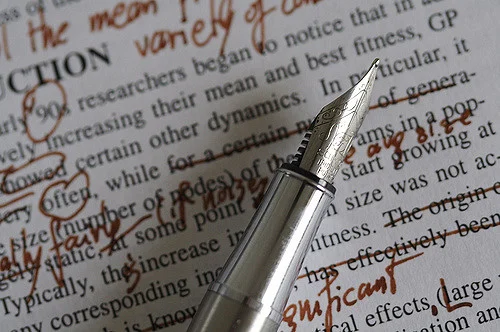
I don’t know how you feel … but after a stressful month to prepare for EGU and a month relaxing and getting back to work, it is now time for the last part of tips for writing, submitting, and reviewing. The last two times we have talked about scientific writing and the submission process. Today, I will …[Read More]
Article submission and resubmission
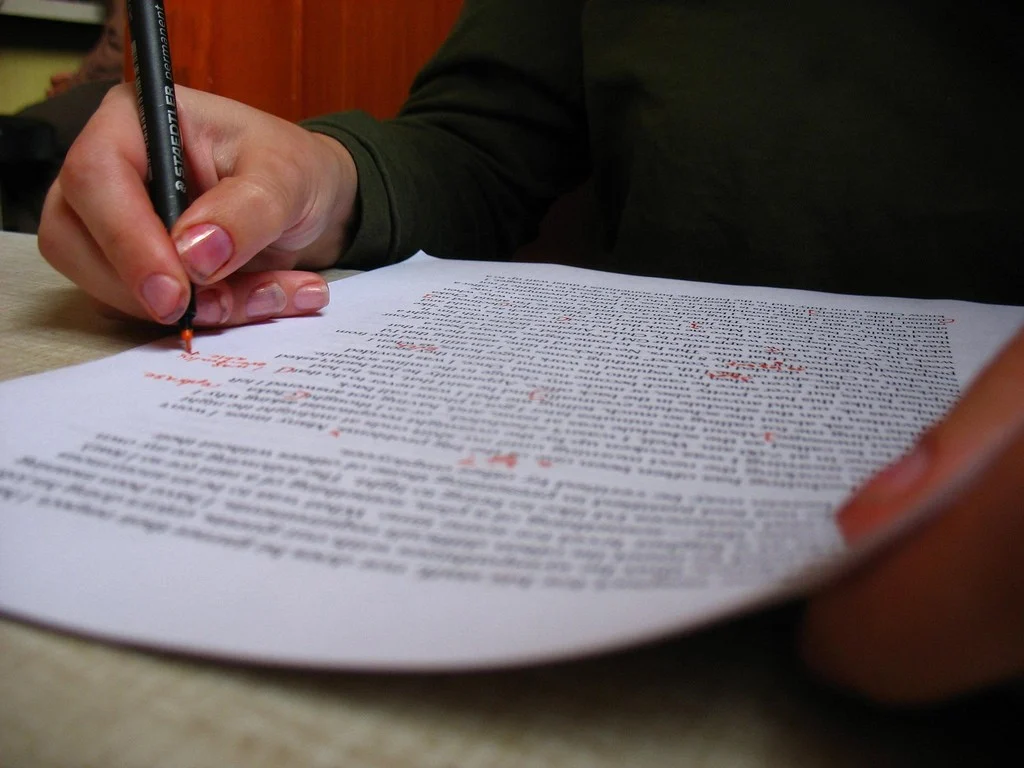
Guest writer Kathrin Spieker is back with her thoughts and experience about how to improve writing skills specifically aimed for publishing in scientific journals. This post is part of a series. Kathrin is a young seismologist who has recently started publishing her own research as part of her PhD study. In a previous post (The publication circle) …[Read More]
The publication circle

In this and upcoming posts guest writer Kathrin Spieker will share her thoughts and experience about how to improve writing skills specifically aimed for publishing in scientific journals. Kathrin is a young seismologist who has recently started publishing her research as part of her PhD study. In this little series, I will talk about the …[Read More]