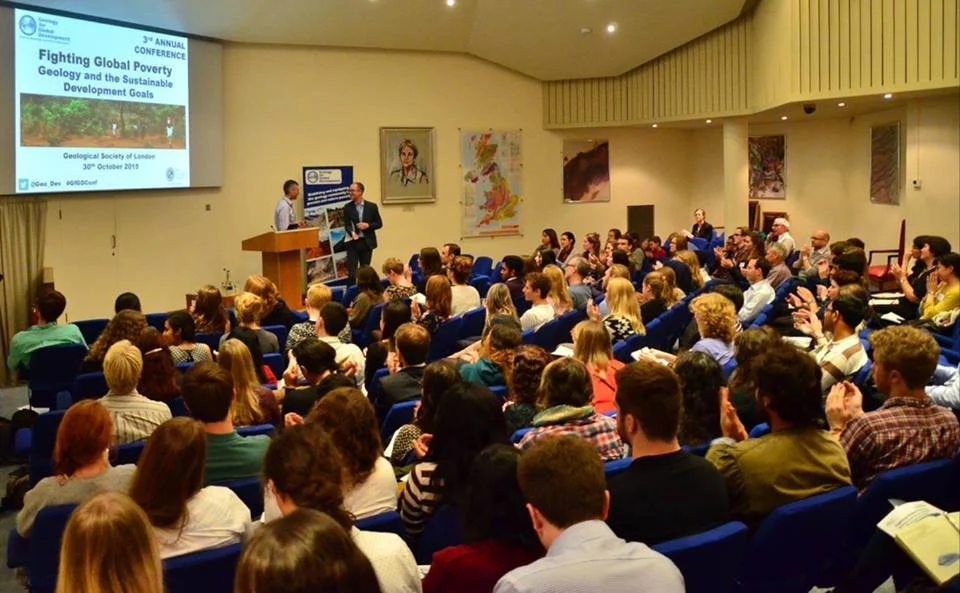
Registration for the next GfGD Annual Conference is now open! 4th GfGD Annual Conference – Geology and the Sustainable Development Goals Friday 4th November 2016 (registration open from 9.45 am, for a 10.20 am start), hosted and supported by the Geological Society of London (Burlington House, Piccadilly, London). Register here: http://gfgdconference2016.eventbrite.co.uk/ (£5 students/unwaged, £13.09 employed) …[Read More]
Latest posts
Minds over Methods: Numerical modelling
Minds over Methods is the second category of our T&S blog and is created to give you some more insights in the various research methods used in tectonics and structural geology. As a numerical modeller you might wonder sometimes how analogue modellers scale their models to nature, or maybe you would like to know more …[Read More]
Imaggeo on Mondays: The road to nowhere – natural hazards in the Peloponnese
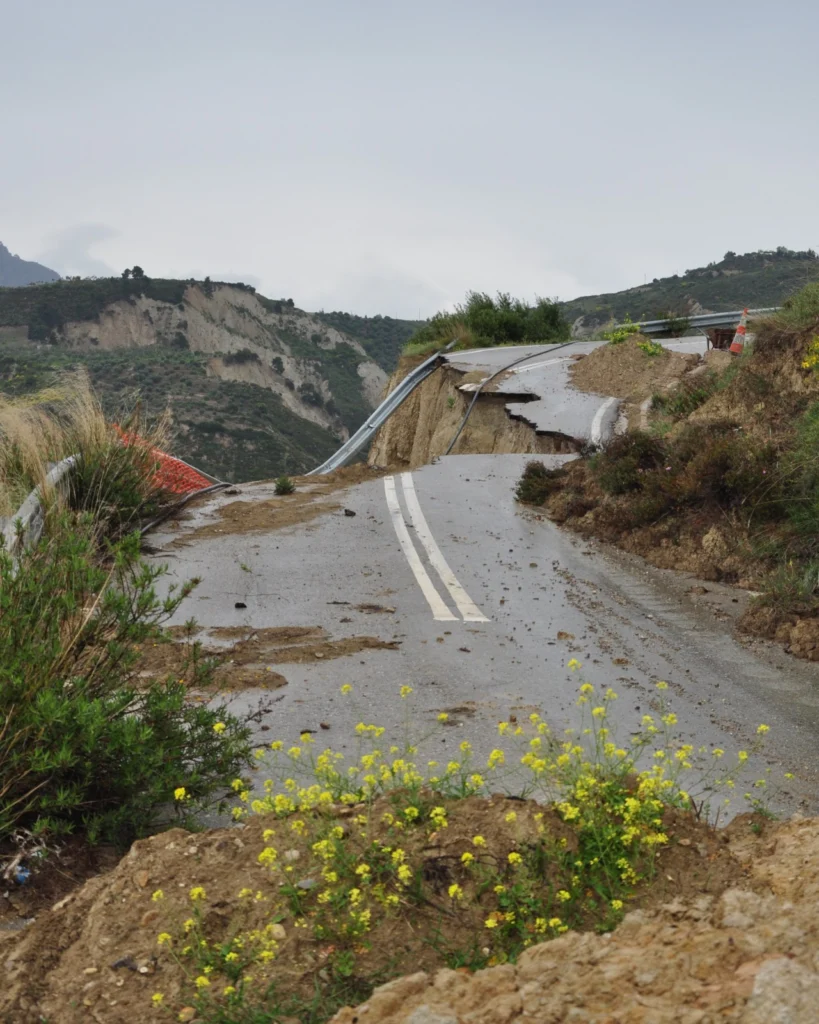
The Gulf of Corinth, in southern Greece, separates the Peloponnese peninsula from the continental mainland. The structural geology of the region is complex, largely defined by the subduction of the African Plate below the Eurasian Plate (a little to the south). The Gulf itself is an active extensional marine basin, i.e., one that is pulling …[Read More]
The Scorpion and the… Trees: Surface mining (im)practical implications
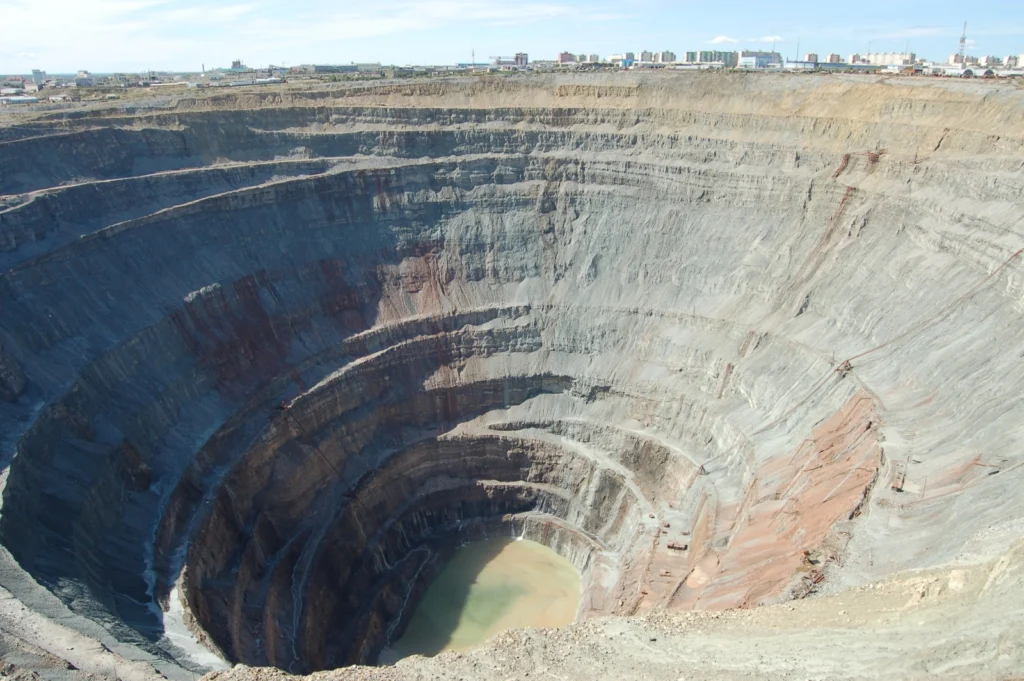
The Scorpion and the Frog. This old tale, which was first documented by the movie Mr. Arkadin by Orson Welles, reports a scorpion that wants to cross a river… and asks a frog for a ride. Embarking on a lose-lose situation, both the frog and the scorpion are doomed in the tale. Dramatic, this fable severely …[Read More]
What is in your field rucksack? Camping in Iceland
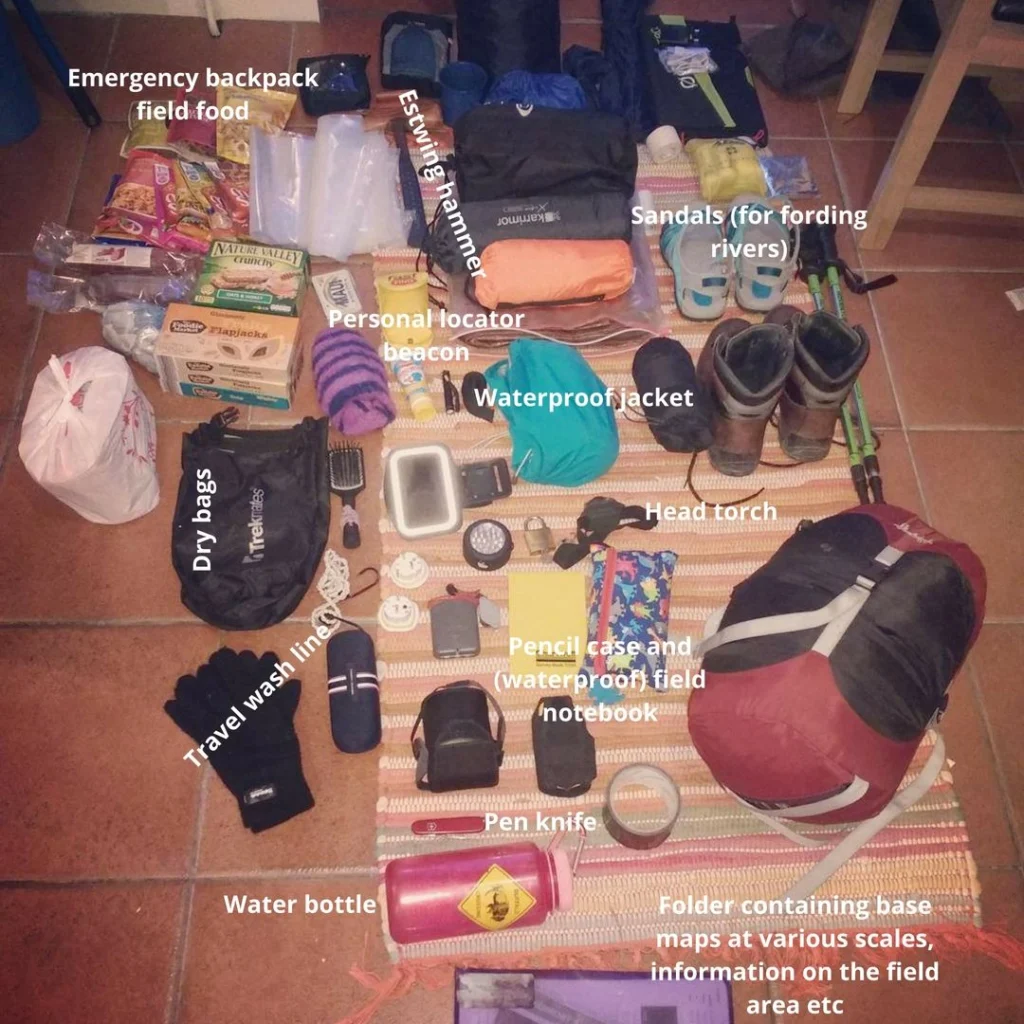
Inspired by a post on Lifehacker on what your average geologist carries in their rucksack/backpack, we’ve put together a few blog posts showcasing what a range of our EGU members carry in their bags whilst in the field! Beautiful, eyrie, the land where fire meets ice: Iceland. An Earth scientist’ dream, complete with lava, volcanoes, …[Read More]
Image of the Week – Satellite Measurements of Arctic Sea Ice
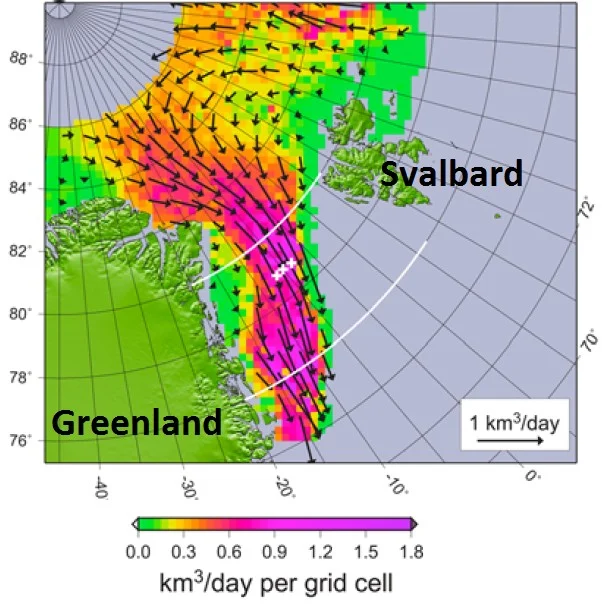
Sea ice is an important part of the Earth’s climate system. When sea ice forms, it releases heat and salt. When sea ice melts, it takes up heat and adds freshwater to the salty ocean water. It is also important for the exchange of energy between the atmosphere and the ocean surface, and for the …[Read More]
Water Masses “For Dummies”
Polar surface water, circumpolar deep water, dense shelf water, North Atlantic deep water, Antarctic bottom water… These names pop in most discussions about the ice-ocean interaction and how this will change in a warming climate, but what do they refer to? In our second “For Dummies” article, we shall give you a brief introduction to …[Read More]
GeoPolicy: Science and the policy cycle
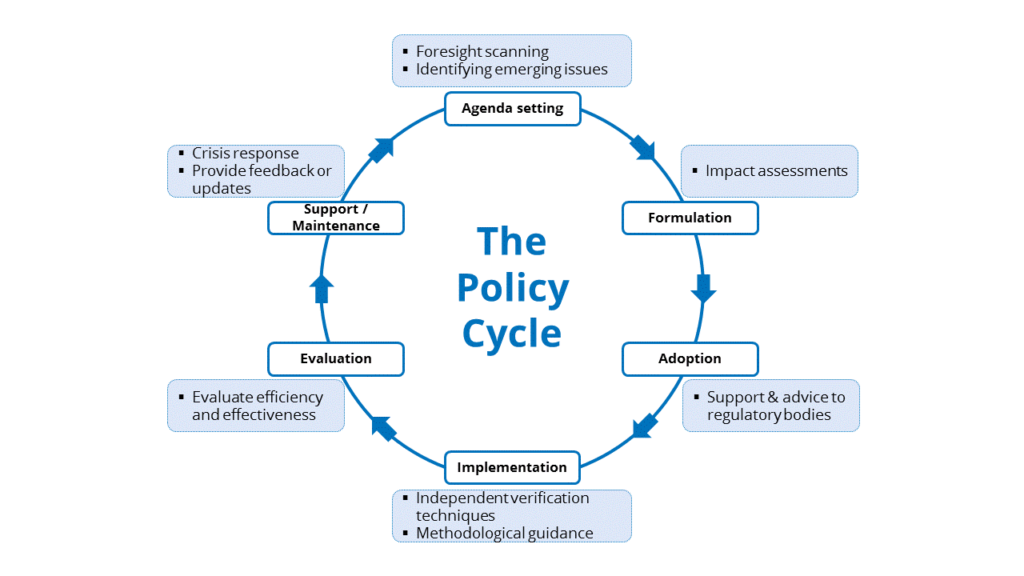
One way to improve the impact of your scientific research is to engage with policy. Doing so can create new opportunities for yourself and your research. The main challenges are knowing when and how to effectively communicate scientific results to policy. If the wrong timing or communication method is chosen then results are less likely …[Read More]
Imaggeo on Mondays: what corals can tell us about past climate change
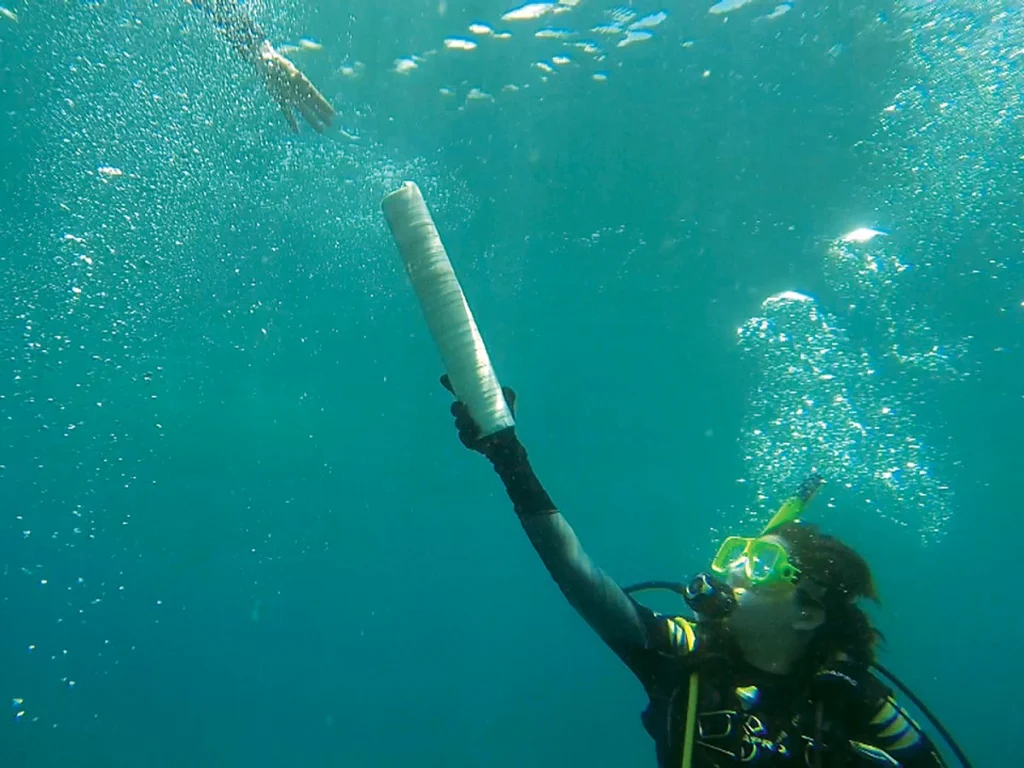
Reconstructing past climates is a tricky task at the best of times. It requires an ample data set and a good understanding of proxies. Add into the mix some underwater fieldwork and the challenge got a whole lot harder! In today’s Imaggeo on Monday’s post, Isaac Kerlow explains how information locked in corals can tell …[Read More]
Brackish groundwater resources: is development advisable?
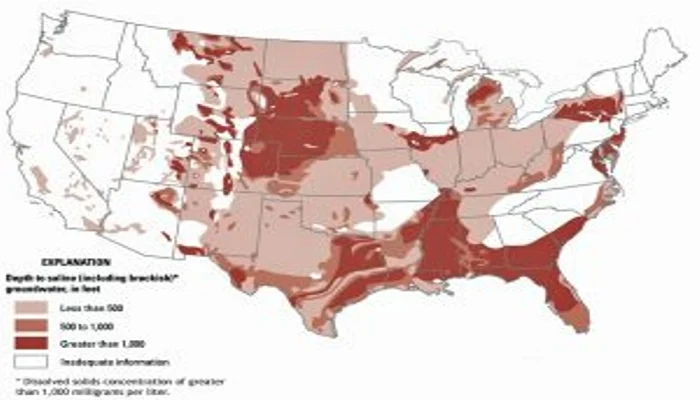
Authored by: Grant Ferguson – Assistant Professor in the Department of Civil & Geological Engineering at the University Saskatchewan Groundwater makes up a large fraction of the Earth’s freshwater but that represents only a part of groundwater resources. Large volumes of groundwater are saline, with some reaching salinities of over ten times that of seawater. Brackish water is an …[Read More]