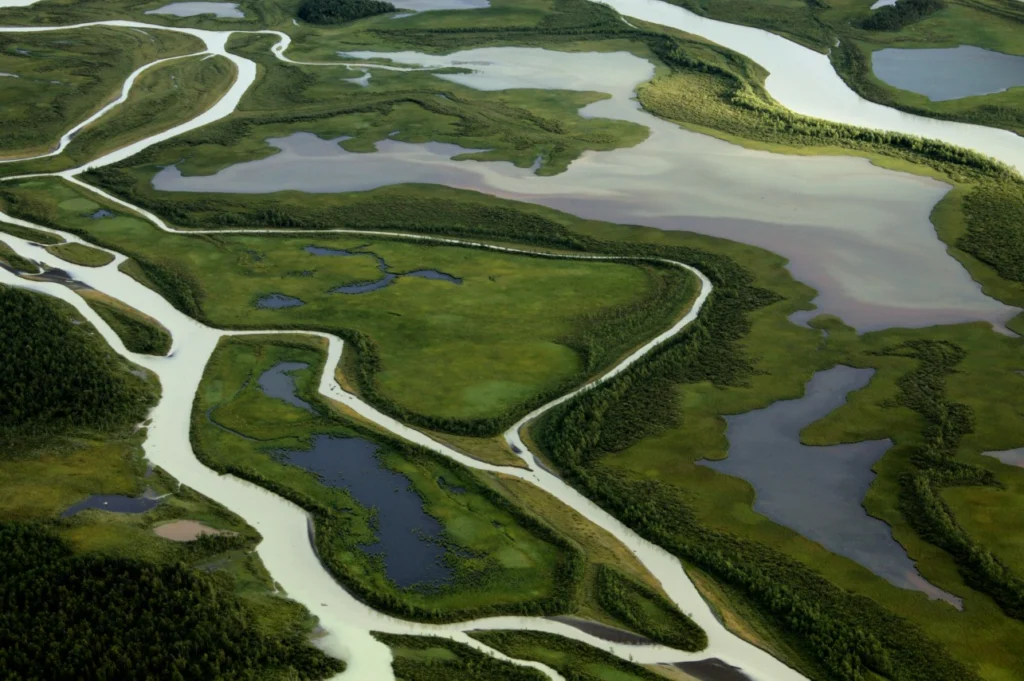
There are handful true wildernesses left on the planet. Only a few, far flung corners, of the globe remain truly remote and unspoilt. To explore and experience untouched landscapes you might find yourself making the journey to the dunes in Sossuvlei in Namibia, or to the salty plain of the Salar Uyuni in Bolivia. But …[Read More]
Latest posts
Science Communication – Brexit, Climate Change and the Bluedot Festival
Earlier this summer journalists, broadcasters, writers and scientists gathered in Manchester, UK for the Third European Conference of Science Journalists (ECSJ) arranged by two prestigious organisations. Firstly, the Association of British Science Writers (ABSW) who provides support to those who write about science and technology in the UK through debates, events and awards. Secondly the …[Read More]
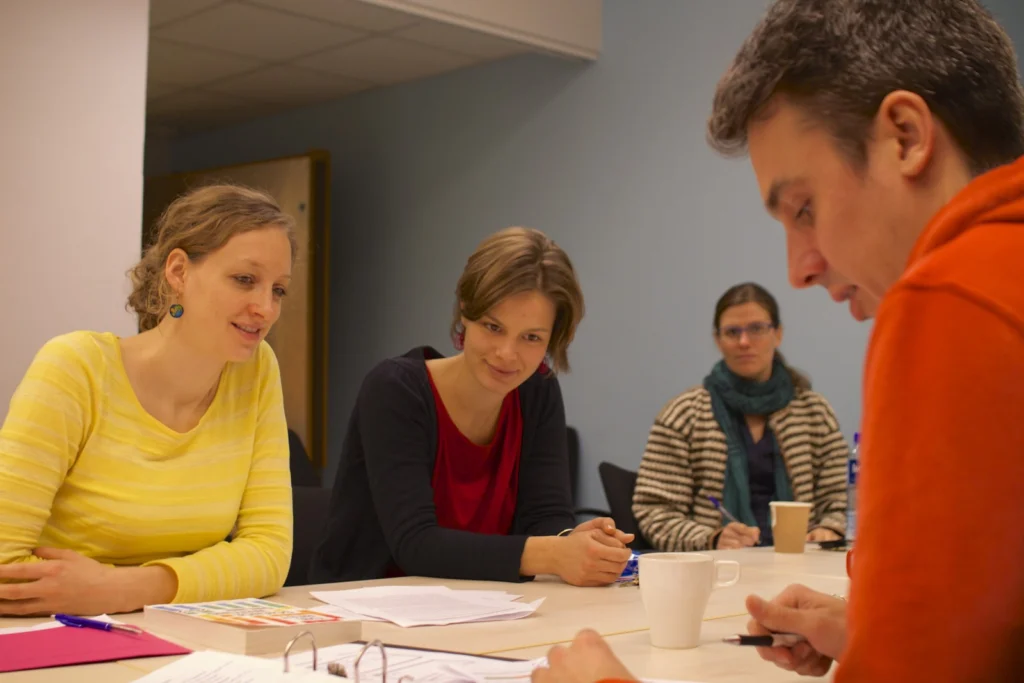
GeoSciences Column: Improving together – science writing and football
Writing is something that those pursuing a career in academia are expected to be good at. It is a requirement of the job, yet it is a skill few get any formal training in and simply rely on the old saying that practice makes perfect. But what if there is another way? Mathew Stiller-Reeve is …[Read More]
Image of The Week – 100 years of Endurance!
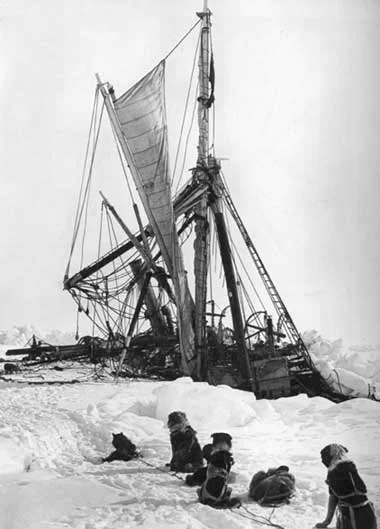
The 30th August 2016 marks 100 years since the successful rescue of all (human) member of Shackleton’s Endurance crew from their temporary camp on Elephant Island (see map). Nearly a year prior to their rescue they were forced to abandon their ship – The Endurance – after it became stuck in thick drifting sea ice, known as …[Read More]
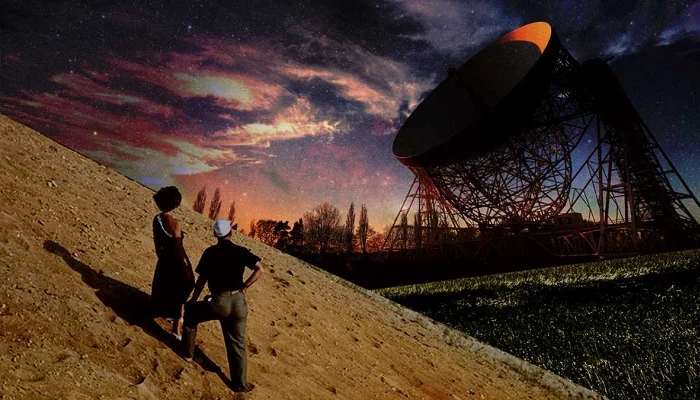
Imaggeo on Mondays: counting stars
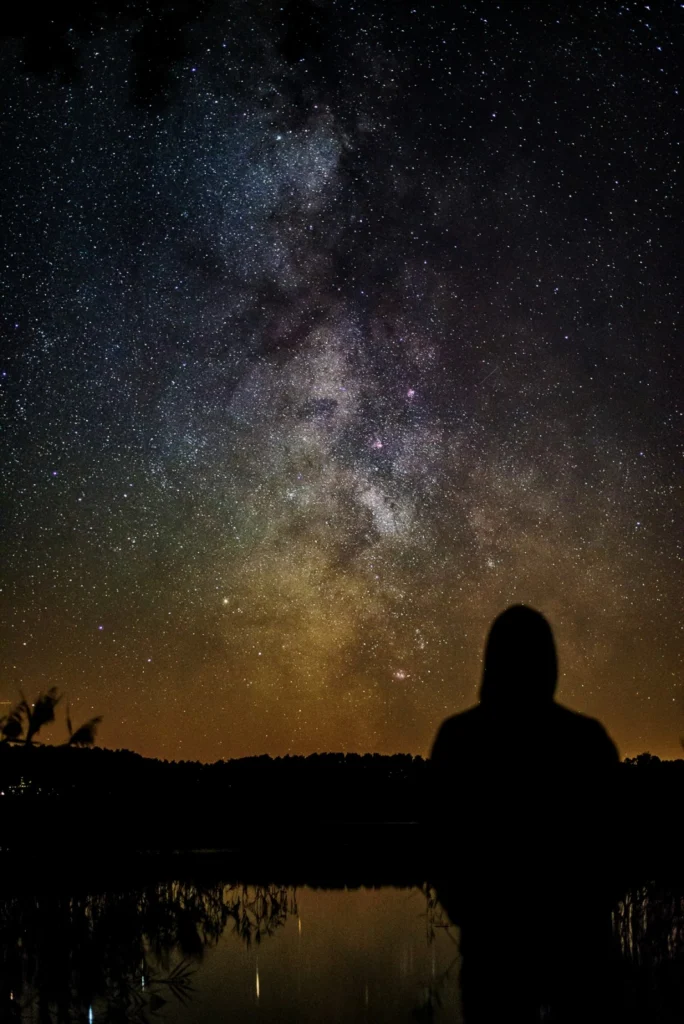
This year’s imaggeo photo contest saw humdreds of great entries. Among the winning images was a stunning night-sky panorama by Vytas Huth. In today’s post, Vytas describes how he captured the image and how the remote location in Southern Germany is one of the few (in Europe) where it is still posssible to, clearly, image …[Read More]
Features from the field: Slickenside Lineations
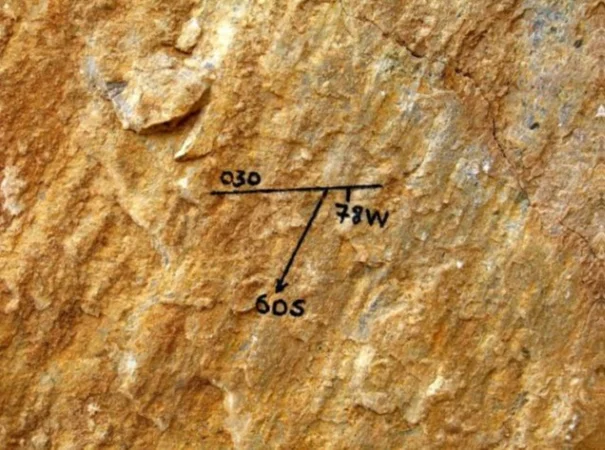
In this Tectonics and Structural Geology blog we will use different categories for our blog-posts. The first category we present to you is all about field geology: “Features from the field”. One of our bloggers, Mehmet Köküm, spends a lot of time in the field for his PhD and will share some of the features …[Read More]
Image of the Week — Where do people stay in the “coolest” place on earth?
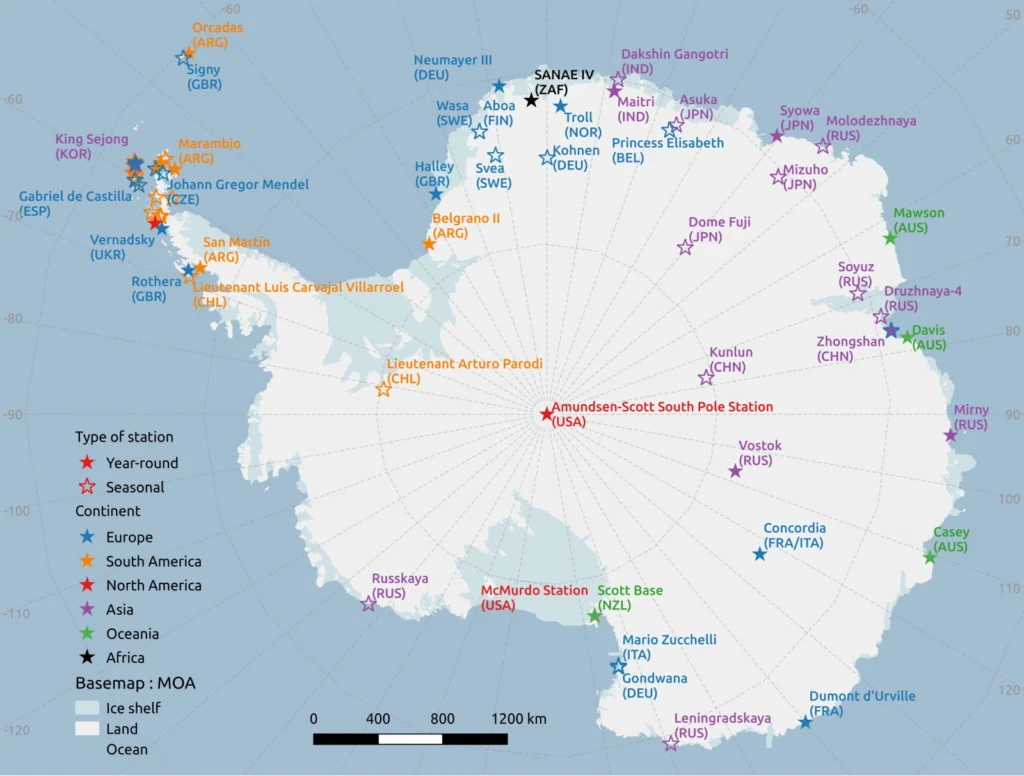
What word would you use to characterise the Antarctic ? White? Windy? Remote? Empty? Inhospitable? Wild? Preserved? While all of these are true it may surprise you to find out that the Antarctic is occupied by humans all year round with almost half of its 82 research stations operating 365.25 days a year! Just a …[Read More]
GeoTalk: REcycle textile posters into useful products
Conference posters: Most scientists spend tens (if not hundreds) of working hours perfecting their conference poster. There’s not just the science to think about, but also the design, the flow, the images, the language… The list is endless. Once complete, you print it, roll it up and feed it into the protective poster tube. Then …[Read More]
A seismologist on vacation
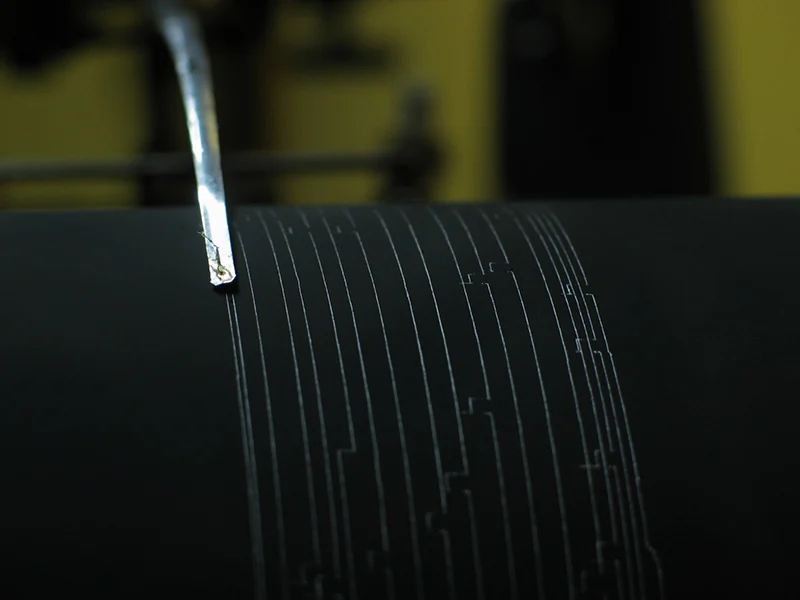
Beginning of this month, I was travelling to Germany to visit family and friends. One week out of the office, without interpreting wiggles or creating synthetic seismograms. But I bet that most of you know that vacation from science does not really exist, especially if an awesome opportunity comes along… What do seismologists do during …[Read More]
GeoPolicy: How do Members of European Parliament learn about science?
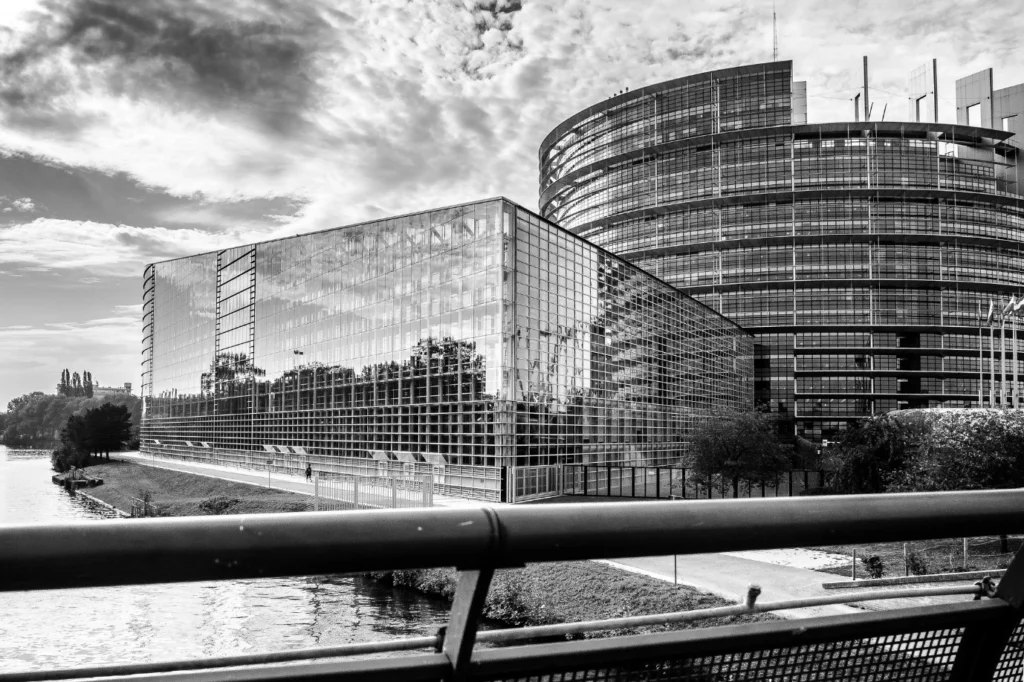
Only ~5% of Members of European Parliament, or MEPs, have a background in the physical sciences1, yet many political challenges require an understanding of the science surrounding these issues. Issues such as locating and extracting mineral resources, understanding climate change impacts, and developing new low-carbon technology. The European Commission (EC) and the European Parliament (EP) …[Read More]