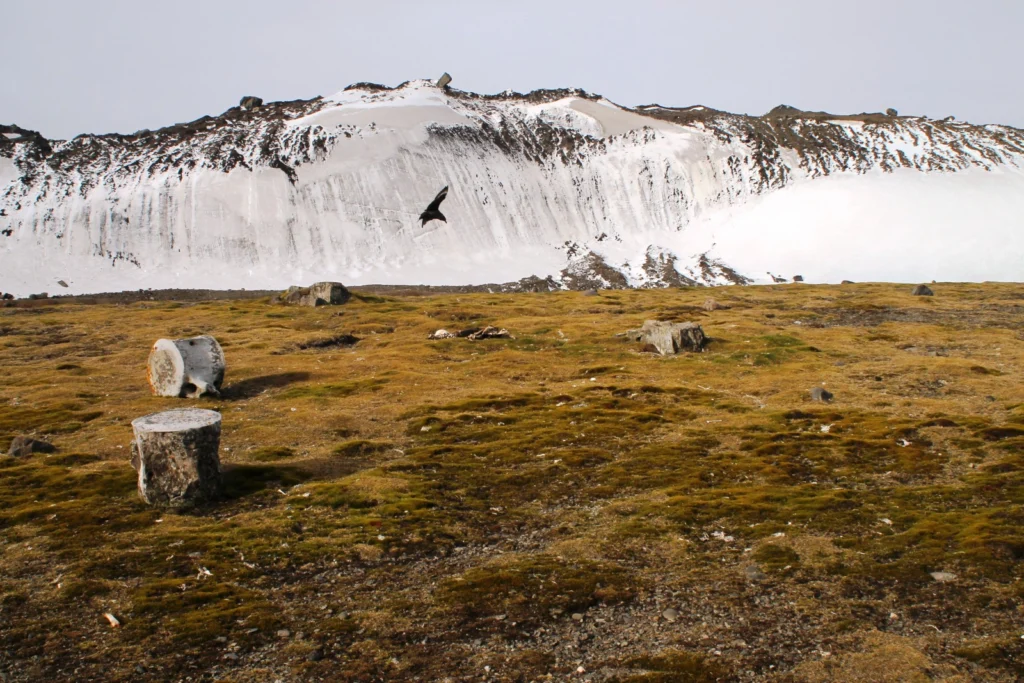
Antarctica has been known as “the frozen continent” for almost as long as we have known of its existence. It may be the only place on Earth where, instead of information on the extent of glaciers or ice caps, there exists a dataset of all non-icy areas compiled from satellite imagery. However, this repository is …[Read More]
Latest posts
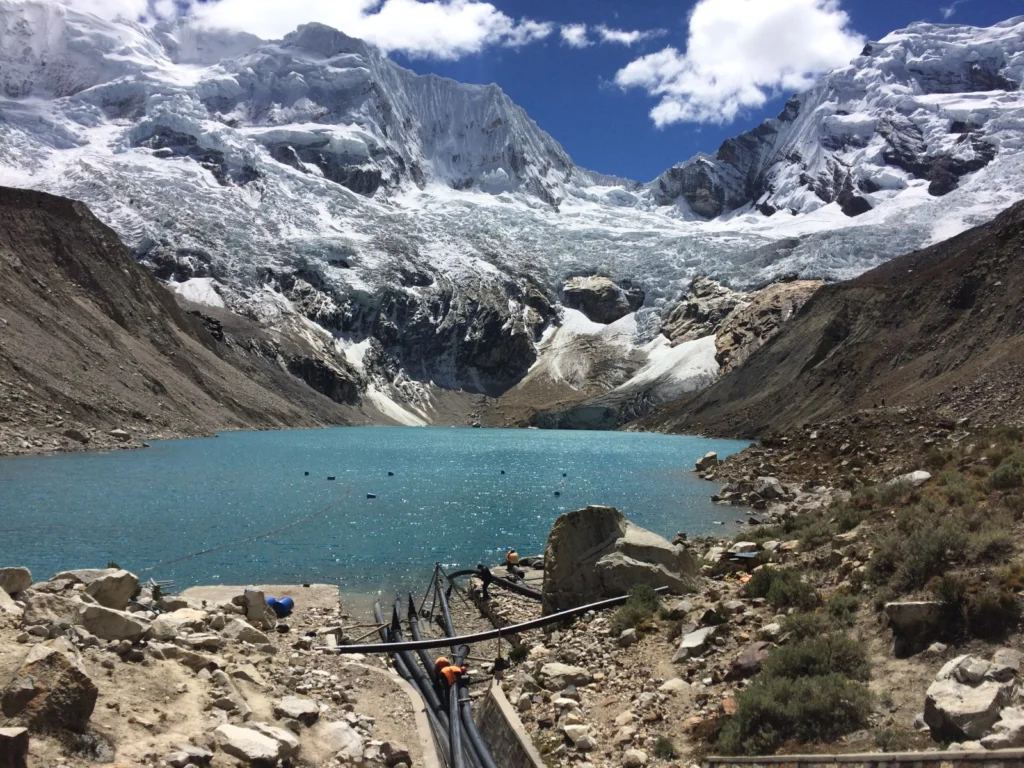
Image of the Week – Yes, you’re looking at one of Peru’s most dangerous glacial lakes!
As mountain glaciers melt and recede, they often leave behind large glacial lake that are contained by the glaciers’ old terminal moraines. These glacial lakes are found throughout the world and can pose a significant flood hazard to downstream communities and infrastructure. The image of this week focuses on Lake Palcacocha, a large glacial lake located …[Read More]
Upcoming space events!
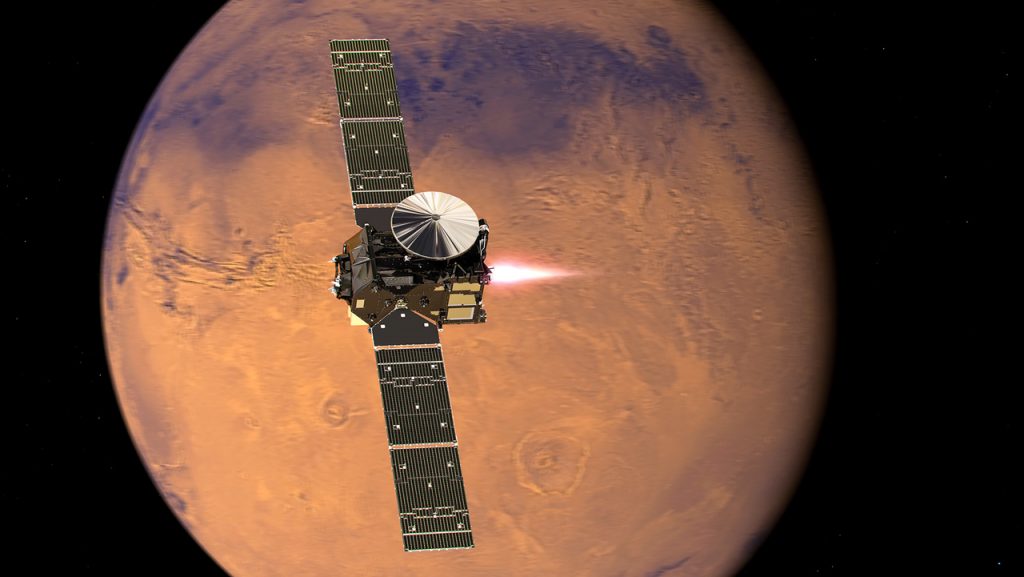
Normally, September is not people’s favorite month as it goes with the end of the summer holidays, the beginning of the academic year and that of autumn. Not much to be happy about. Thankfully, space and planetary science is here to help you overcome this difficult period with lots of exciting events. Fly me to …[Read More]
Imaggeo on Mondays: Get involved!
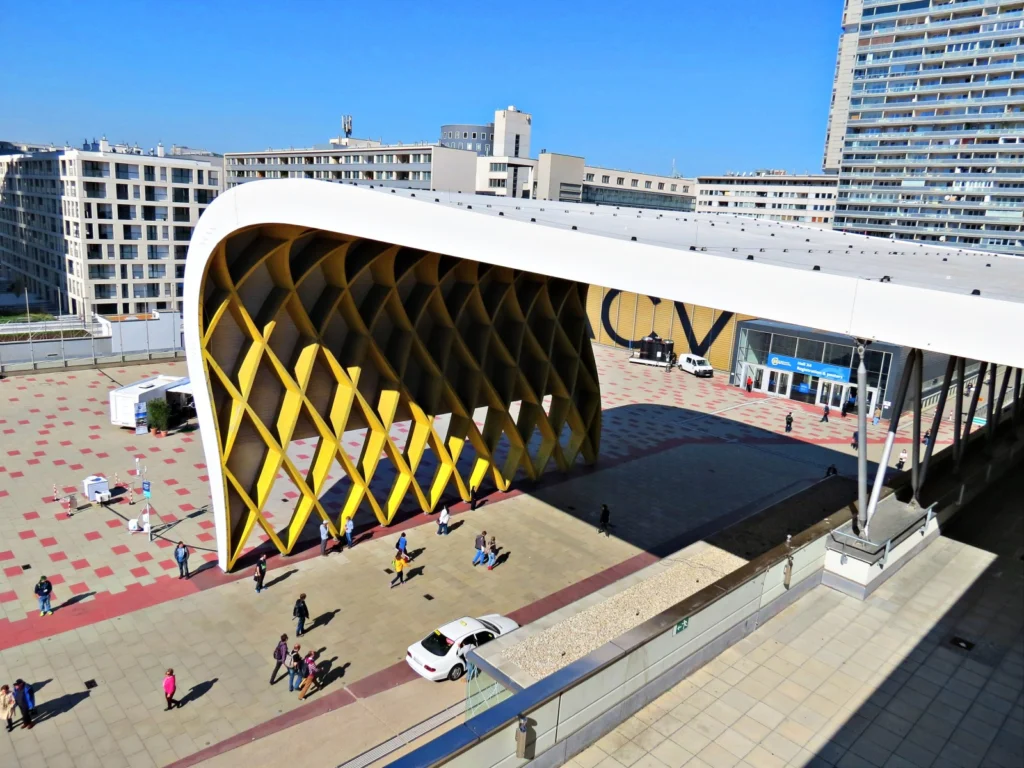
Today’s featured image is a throw back to our 2016 General Assembly! Did you enjoy this year’s 619 unique scientific sessions and 321 side events at conference? Did you know that EGU members and conference attendees can play an active role in shaping the scientific programme of the conference? It is super easy! You can suggest …[Read More]
Science communication after disasters
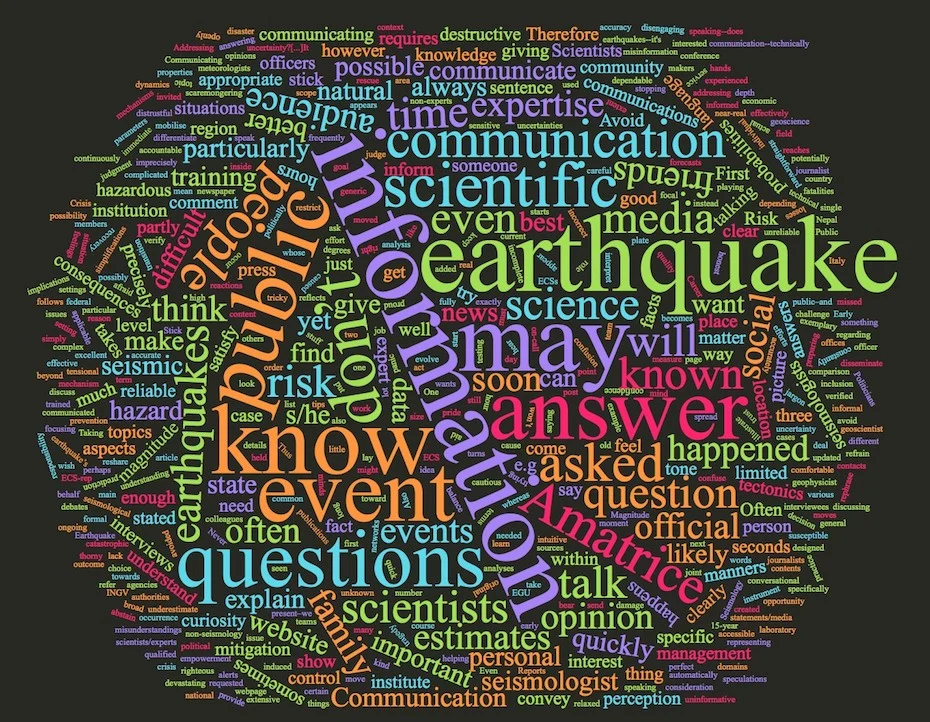
When events such as the Aug 28 2016 Amatrice earthquake occur, we seismologists are asked to answer scientific questions and to give an immediate judgment of the situation. Such questions may be asked by media officers during formal interviews or by friends and family members in person or even on the social networks in informal …[Read More]
It’s Been a While
It’s been a long time since my last post. This is mainly due to the ridiculously busy summer I have had. The biggest thing was getting married, but the honeymoon, work trips and deadlines as well as working on a few papers kept me pretty occupied. I’m sad to say that blog updates dropped lower …[Read More]
Image of the Week – The Journey of a Snowflake
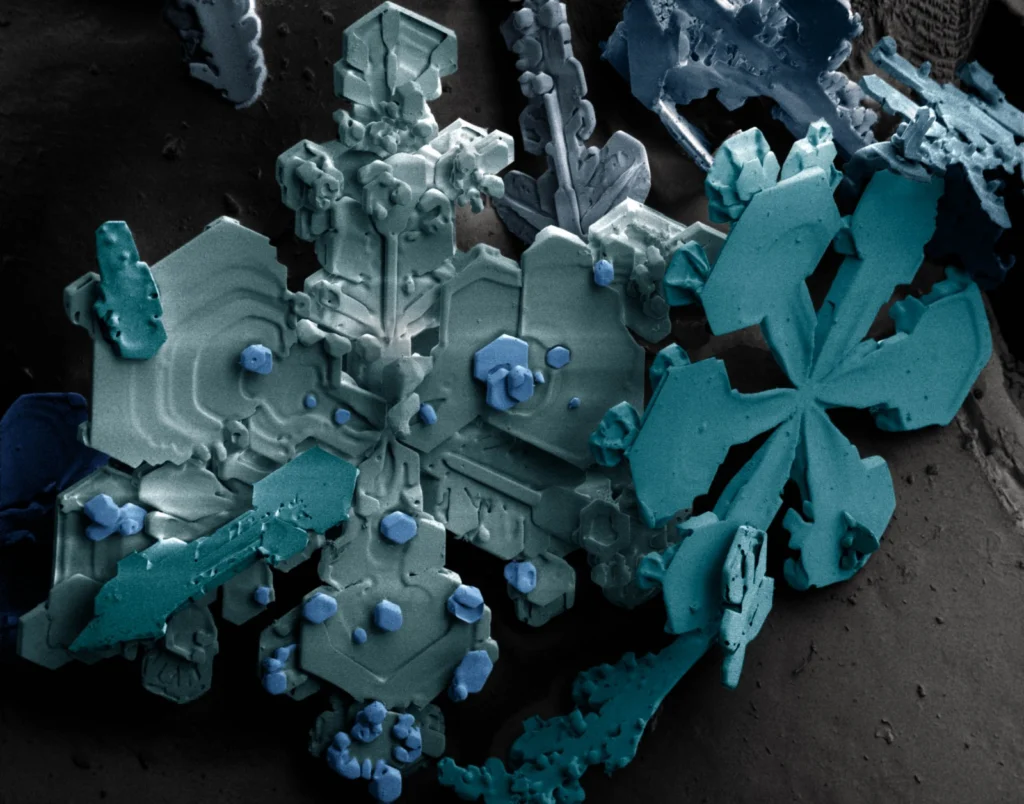
You remember last winter, when everything was white and you had so much fun building a snowman with your friends? What you see on this image above, is what you would see, if you took a tiny tiny piece of your snowman and put it under a low-temperature scanning electron microscope (SEM). The colours are …[Read More]
GeoTalk: Raffaele Albano, Early Career Scientist Representative
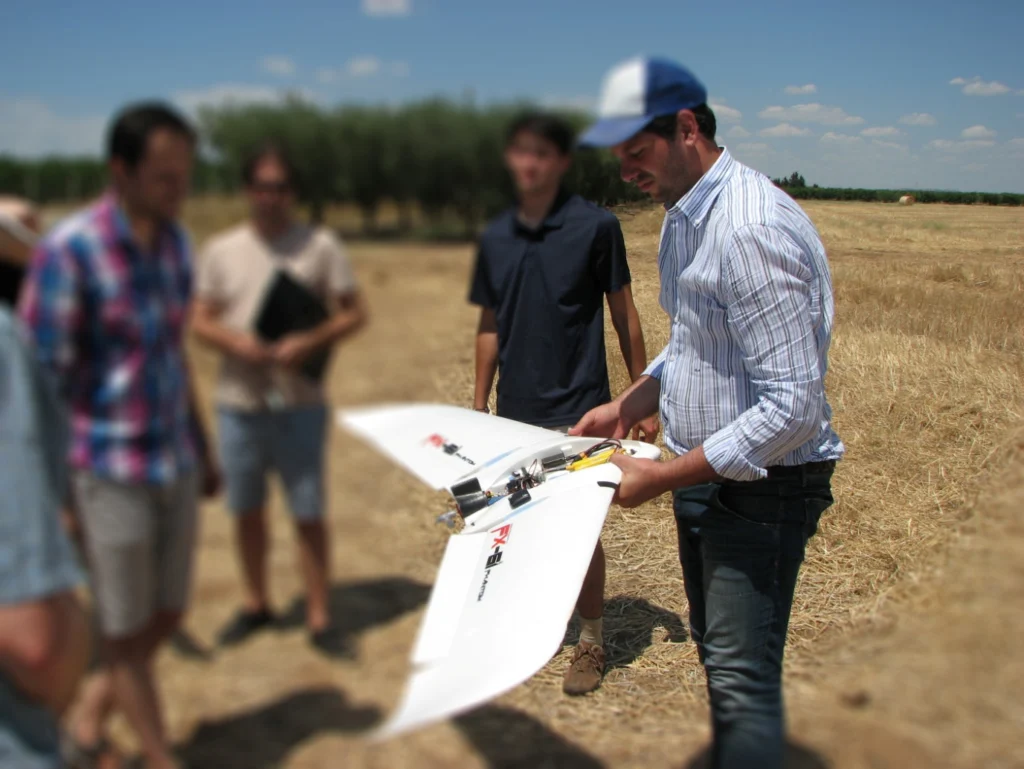
In addition to the usual GeoTalk interviews, were we highlight the work and achievements of early career researchers, over the next few months we’ll be introducing the Division early career scientist representatives (ECS). They are responsible for ensuring that the voice of EGU ECS membership is heard. From organising short courses during the General Assembly, …[Read More]
Boon of big data for geoscience investigations
The amount of digital data per person is rising with a geometric progression since 2009. According to the latest report of Oyster IMS, the digital universe will grow by a factor of 300 between 2005 and 2020: from 130 Exabytes to 40,000 Exabytes, or 40 trillion gigabytes (more than 5,200 gigabytes for every person in 2020). …[Read More]
(Sicilian farmers look) Back to the future
Sicilian farmers are returning to cultivate ancient seed. This is to recover the ancient wisdom that feed the island and Italy since ancient times. Giuseppe Li Rosi is a local farmer and one of the strongest supporters of the return to traditional agriculture. He has converted a property of 100 hectares to traditional farming and …[Read More]