
Special Issue in “Earth Surface Dynamics” (interactive, open-access and public peer reviewed journal): 4-D reconstruction of earth surface processes: multi-temporal and multi-spatial high resolution topography. The special issue aims to demonstrate the advantages of High Resolution Topography (HiRT) to measure and understand earth surface processes at multiple temporal scales and varying spatial resolutions. The focus …[Read More]
Latest posts
From Neptune to Planet Nine: finding planets with pen and paper
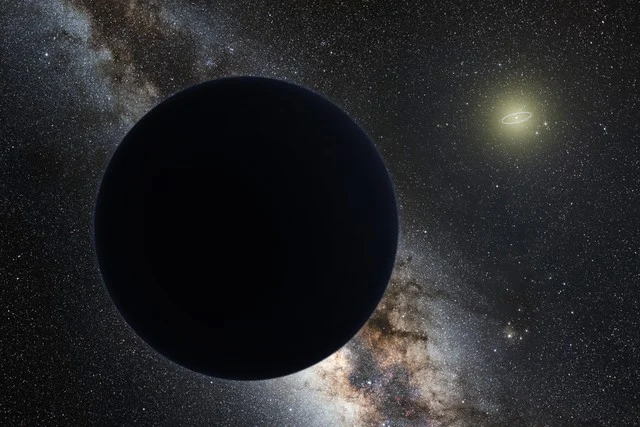
In 1781, William Herschel discovers a faint uncatalogued point in his telescope. He first thinks he has discovered a comet, but the orbit of the new object seems more of a planetary nature. This will be confirmed by subsequent observations: the planet Uranus has been discovered! Many years later, in the early nineteenth century, questions …[Read More]
Imaggeo on Mondays: recording the Earth’s magnetic field one grain at a time
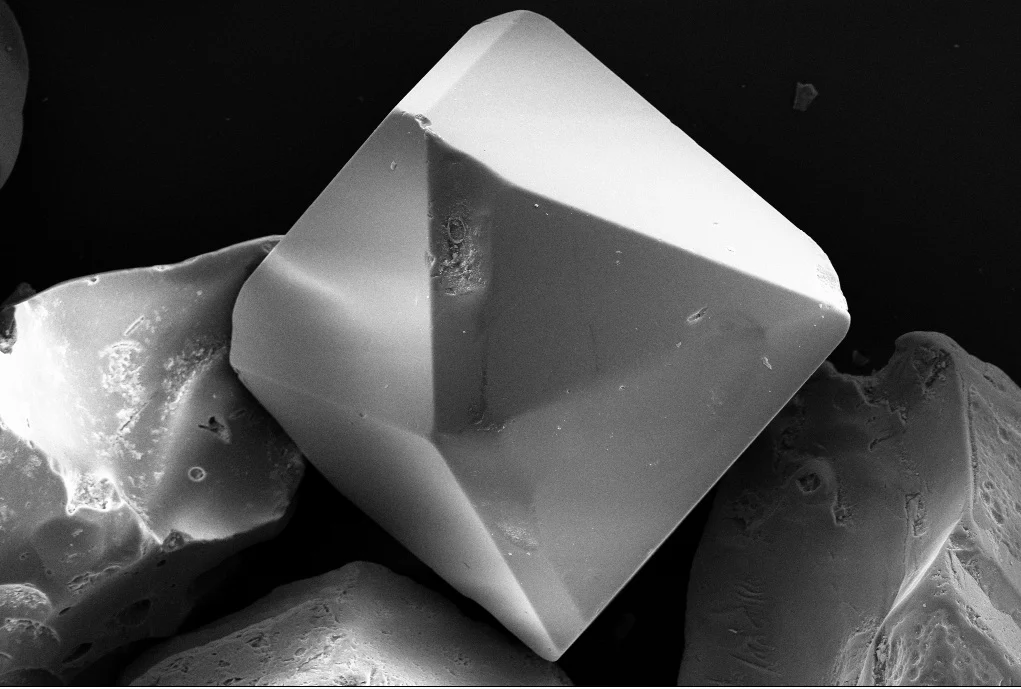
The Earth’s magnetic field extends from the core of the planet, right out to space. It is an invisible, butterfly-like, shield which protects us against the harmful particles ejected by solar flares. In addition, it guards us from atmospheric erosion and water loss caused by solar wind. But how do scientists study the Earth’s magnetic …[Read More]
Geosciences column: Making aurora photos taken by ISS astronauts useful for research
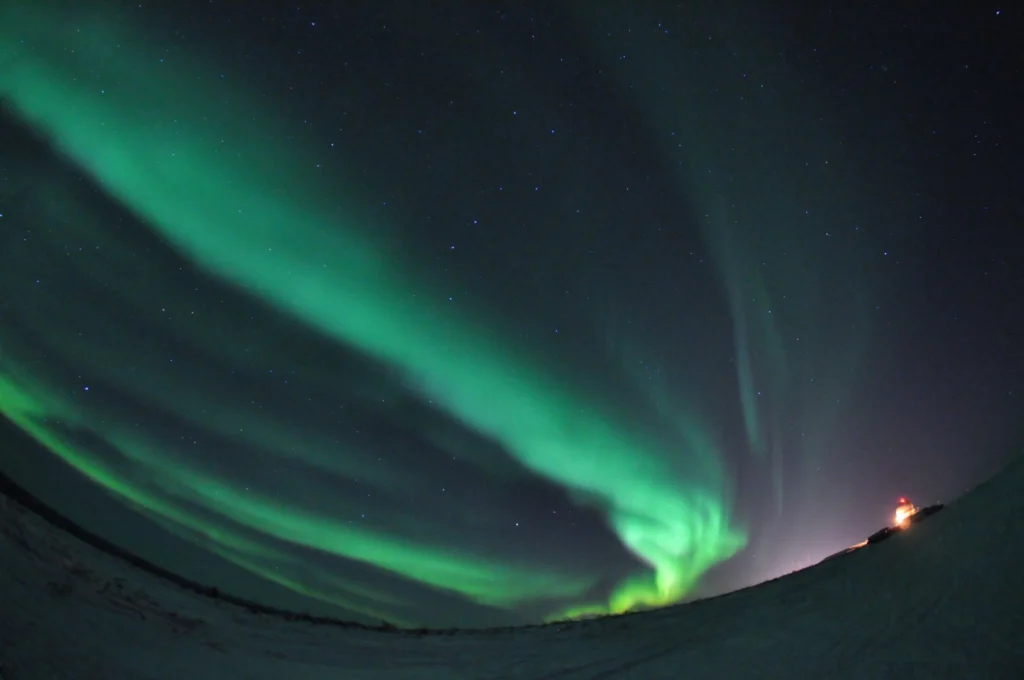
It’s a clear night, much like any other, except that billions of kilometers away the Sun has gone into overdrive and (hours earlier) hurled a mass of charged particles, including protons, electrons and atoms towards the Earth. As the electrons slam into the upper reaches of the atmosphere, the night sky explodes into a spectacular …[Read More]
Image of the Week — FRISP 2016
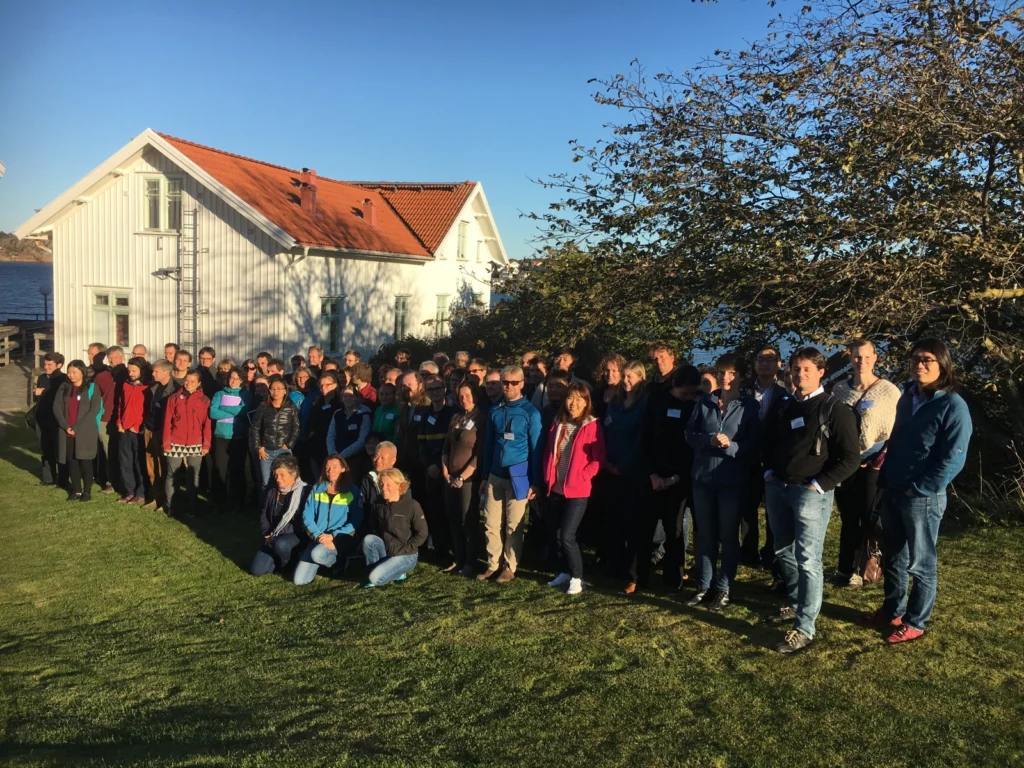
The Forum for Research into Ice Shelf Processes, aka FRISP, is an international meeting bringing together glaciologists and oceanographers. There are no parallel sessions; everyone attends everyone else’s talk and comment on their results, and the numerous breaks and long dinners encourage new and interdisciplinary collaborations. In fact, each year, a few presentations are the …[Read More]
Solid Earth journal: the possibilities of open access publishing
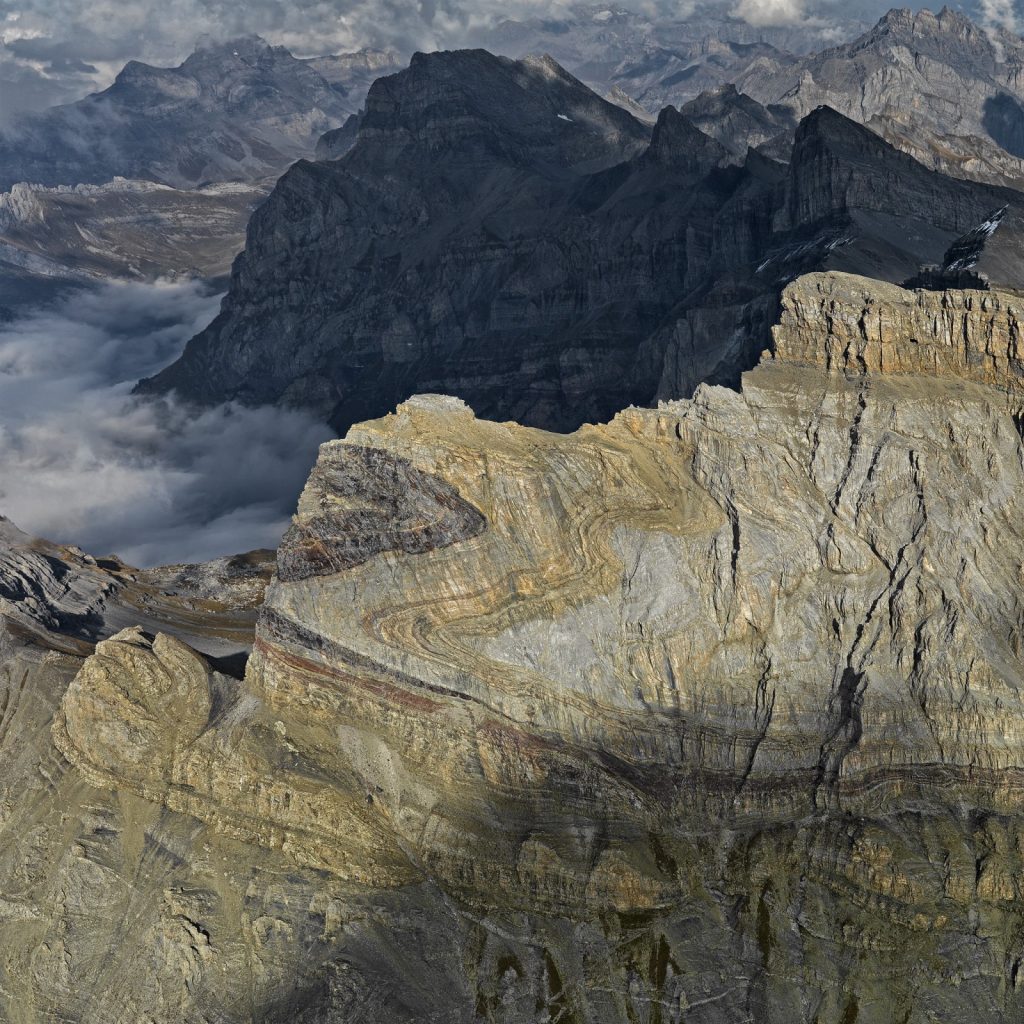
The third blog for TS is an invited guest blog by Fabrizio Storti, the chief executive editor of the EGU journal Solid Earth. Solid Earth publishes open access manuscripts on the composition, structure, and dynamics of the Earth from the surface to the deep interior. It is the journal for our community and we encourage …[Read More]
Pilgrimage to Pompeii
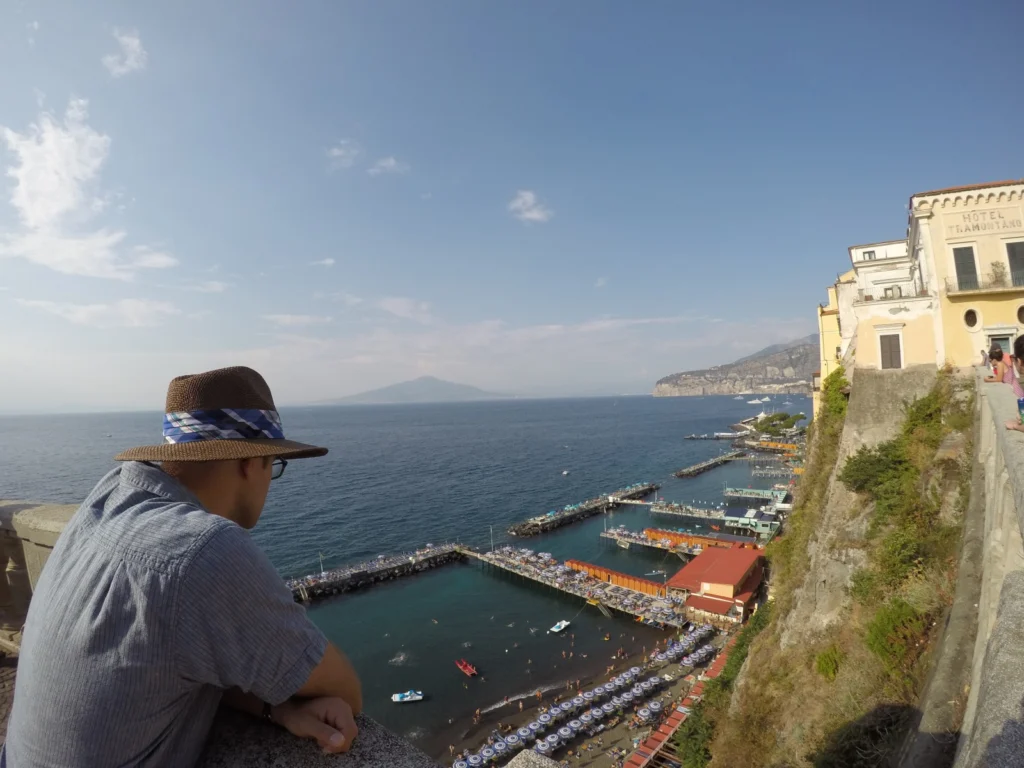
One of the highlights of my honeymoon in Italy was our trip to Pompeii. Both my wife and I are big classics nerds so for us a visit to Pompeii had something of a pilgrimage aspect to it. For me, as a geologist, it was doubly impactful to see the effect of Vesuvius on the …[Read More]
Celebrating Earth Science Week!
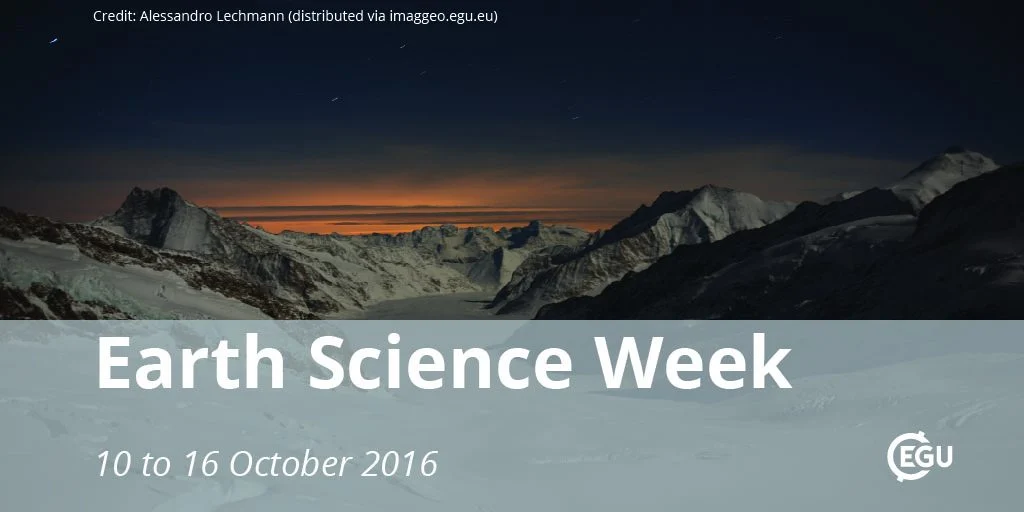
For those not so familiar with the Earth sciences, geosciences and all its subdisciplines might be shrouded in mystery: boring, unfathomable, out of reach and with little relevance to everyday life. Nothing could be further from the truth! Earth Science Week, an international annual celebration founded by the American Geosciences Institute in 1998, aims to …[Read More]
Educators: Apply now to take part in the 2017 GIFT workshop!
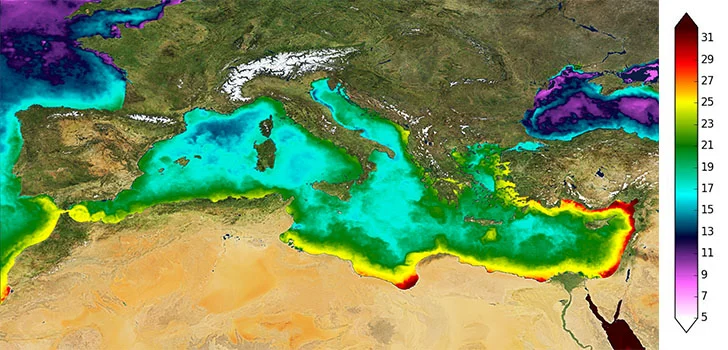
The General Assembly is not only for researchers but for teachers and educators with an interest in the geosciences also. Every year the Geosciences Information For Teachers (GIFT) is organised by the EGU Committee on Education to bring first class science closer to primary and high school teachers. The topic of the 2017 edition of …[Read More]
Imaggeo on Mondays: The invaluable role of soil dwellers
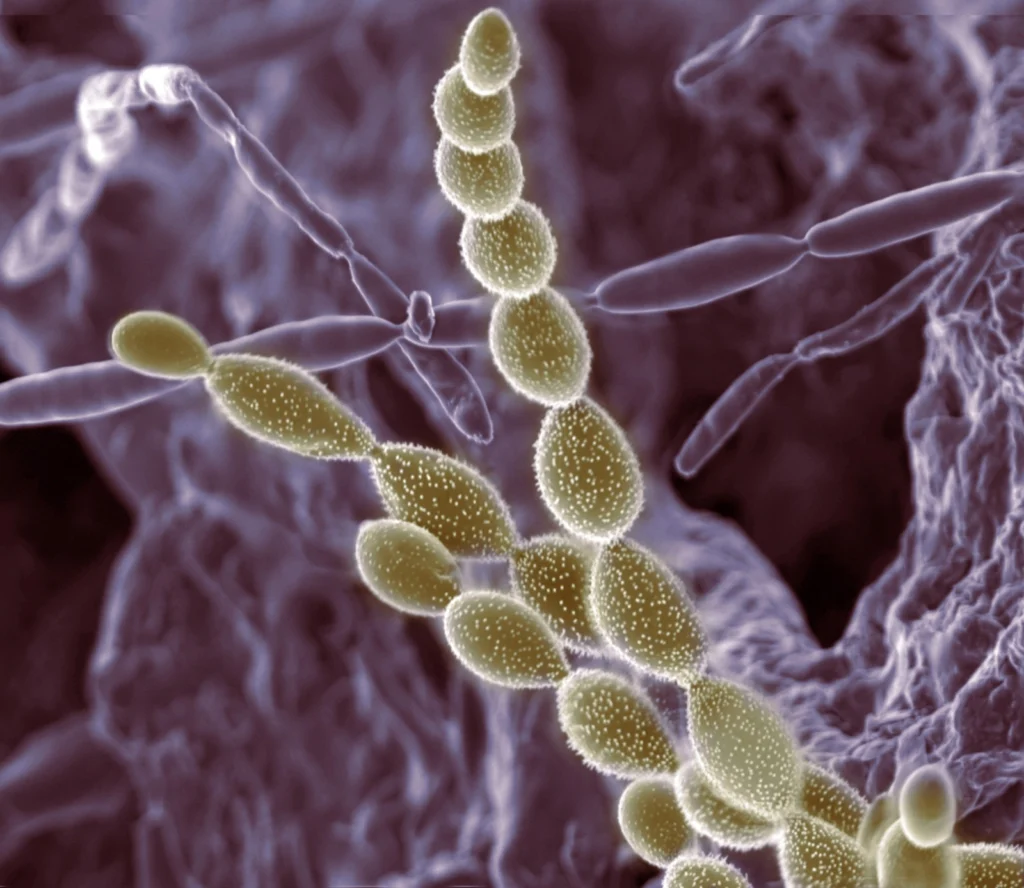
That soils are vital to secure our future supplies of water, food, as well as aiding adaptation to climate change and sustaining the planet’s biosphere is a subject we’ve featured on the blog as recently as the summer. That’s because never have humans been more out of touch with the vital importance of this natural …[Read More]