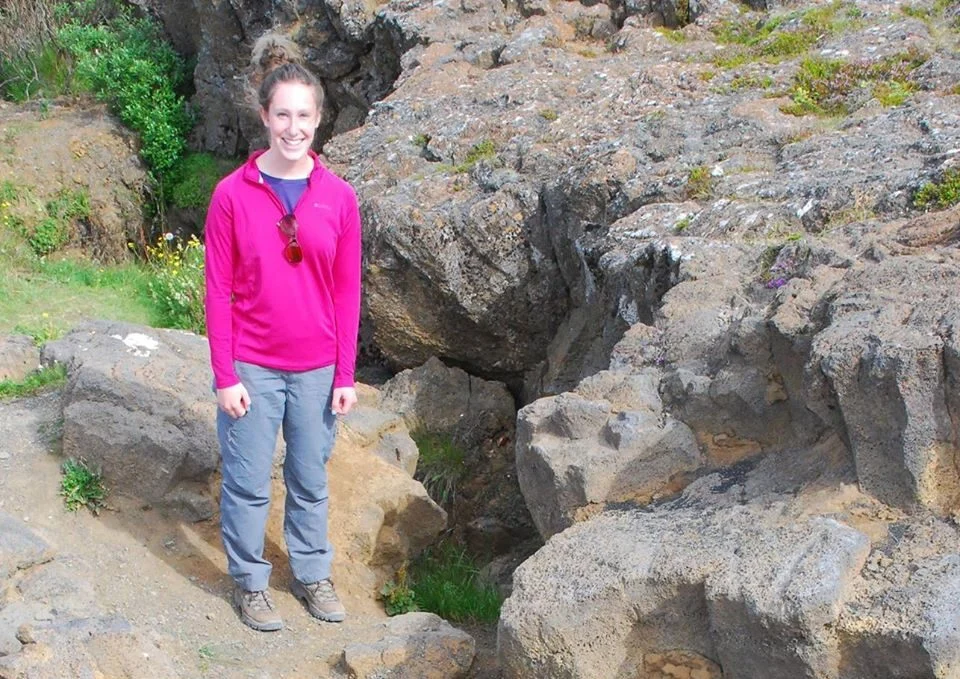
Over the next few weeks, we’d like to introduce you to some new faces on the GfGD blog, bringing fresh ideas and perspectives on topics relating to geoscience and sustainable development. We’re delighted to have their input and look forward to their posts. Today we interview Hannah Ritchie – a PhD student doing research in …[Read More]
Latest posts
Natural Hazards
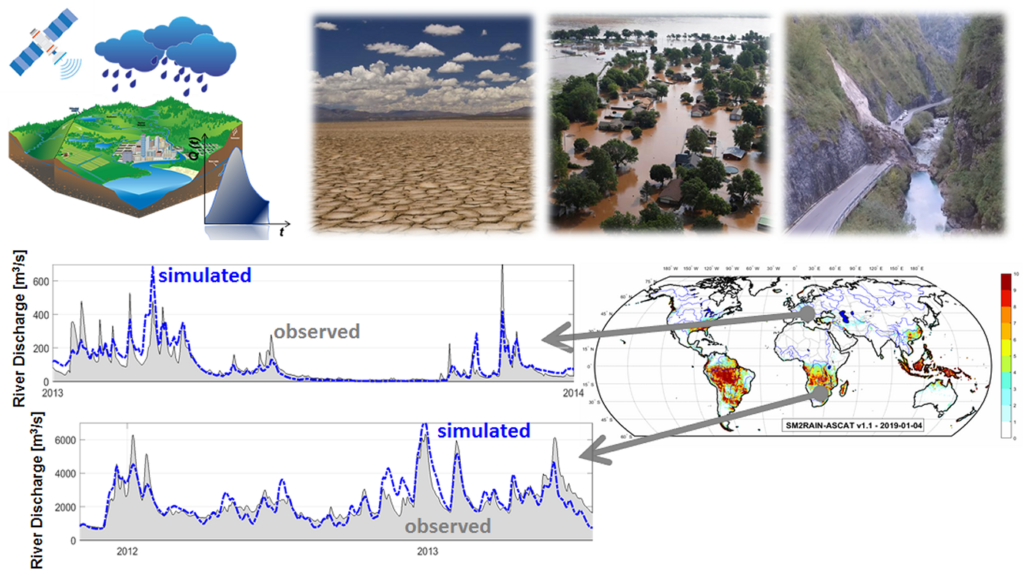
How satellites measuring soil moisture provide a new understanding of rainfall patterns
Soil moisture and rainfall are the two fundamental variables in the water and energy cycle and their knowledge in many applications is crucial. For instance, for predicting the occurrence and the magnitude of flood and landslide events the knowledge of the initial soil moisture condition and of rainfall amount is mandatory. In the last decade, …[Read More]
GeoLog
Imaggeo on Mondays: The Tempest
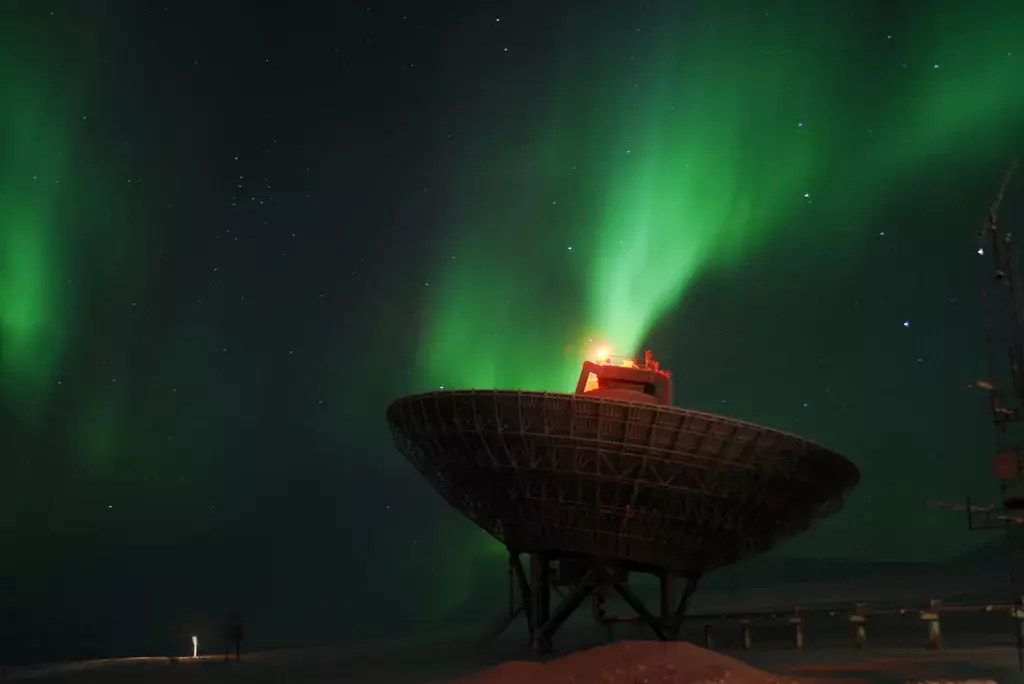
Measuring the aurora. This picture was taken while doing an optical/radar coordinated campaign in Svalbard, Norway, near the settlement of Longyearbyen. In this campaign, we were measuring for the first time the polarisation of the auroral ‘red line’ of atomic oxygen with a photopolarimeter and were running the radars in order to have a better …[Read More]
GeoLog
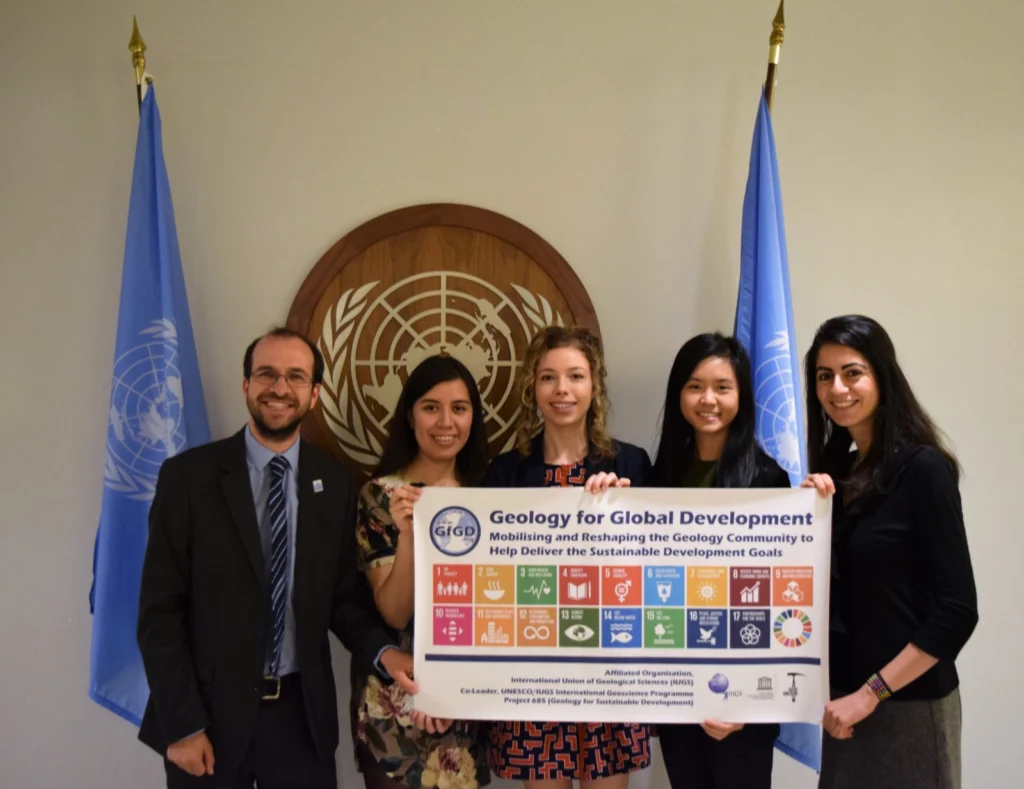
GeoTalk: Joel Gill discusses the UN’s Sustainable Development Goals and the ‘Decade of Action’
Geotalk is a regular feature highlighting early career researchers and their work. In this interview we speak with Joel Gill who a geoscientist, based in the UK, who works at the British Geological Survey, supporting their international development programmes, whilst also researching multi-hazards and disaster risk reduction. In addition he leads a not-for-profit organisation, Geology …[Read More]
Cryospheric Sciences
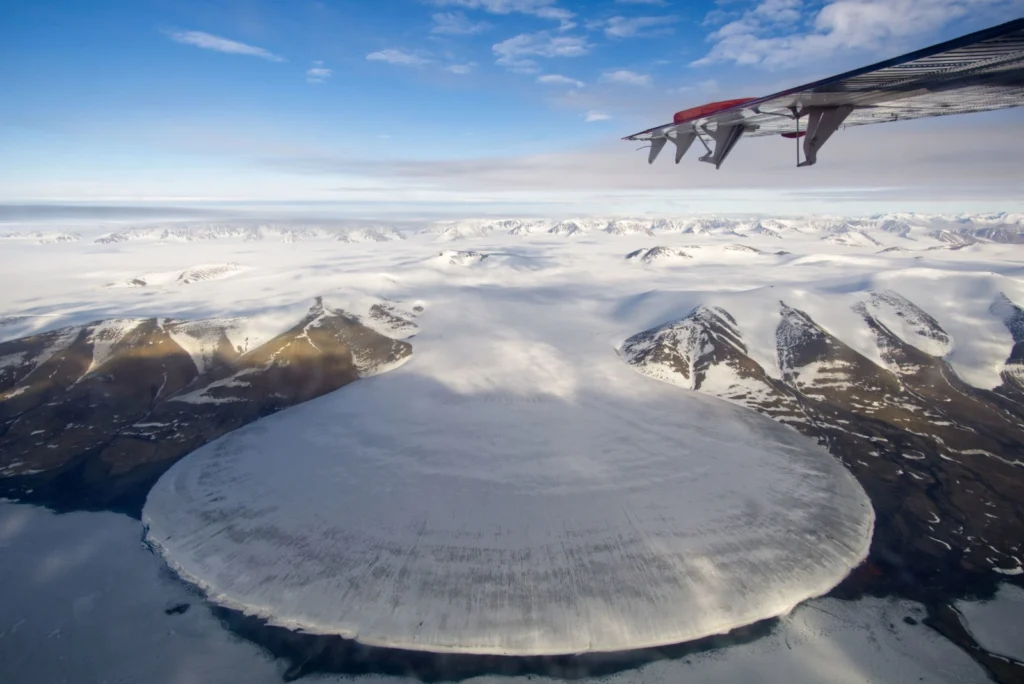
The foot of a glaciated mammoth? No… A glacier!
Ice is a viscous fluid: it flows but slowly, reaching up to 100 m/yr for the fastest flowing ice. That’s 0.00001 km/hr, so you’d never see it with the naked eye. But what influences the morphology of the glaciers is the shape of the topography that lies underneath them. Elephant Foot Glacier, shown above, aptly …[Read More]
Seismology
Seismology Job Portal
On this page, we regularly update open positions in Seismology for early career scientists. Do you have a job on offer? Contact us at ecs-sm@egu.eu Please, note that other available research positions are displayed on the EGU Jobs Portal.
Geodynamics
The Sassy Scientist – Climate Change Causality
Tom Doehne has been watching the news reports on the effects of climate change on human civilization. Dumbfounded that the main stream has not peered beyond the variable intensity of weather patterns and the mere notion of rising sea levels, he pondered: Will the increase in ocean level trigger more slippage along subduction zones? Dear …[Read More]
GeoLog
Accessibility at EGU: Parenting at the General Assembly? Yes to the creche!
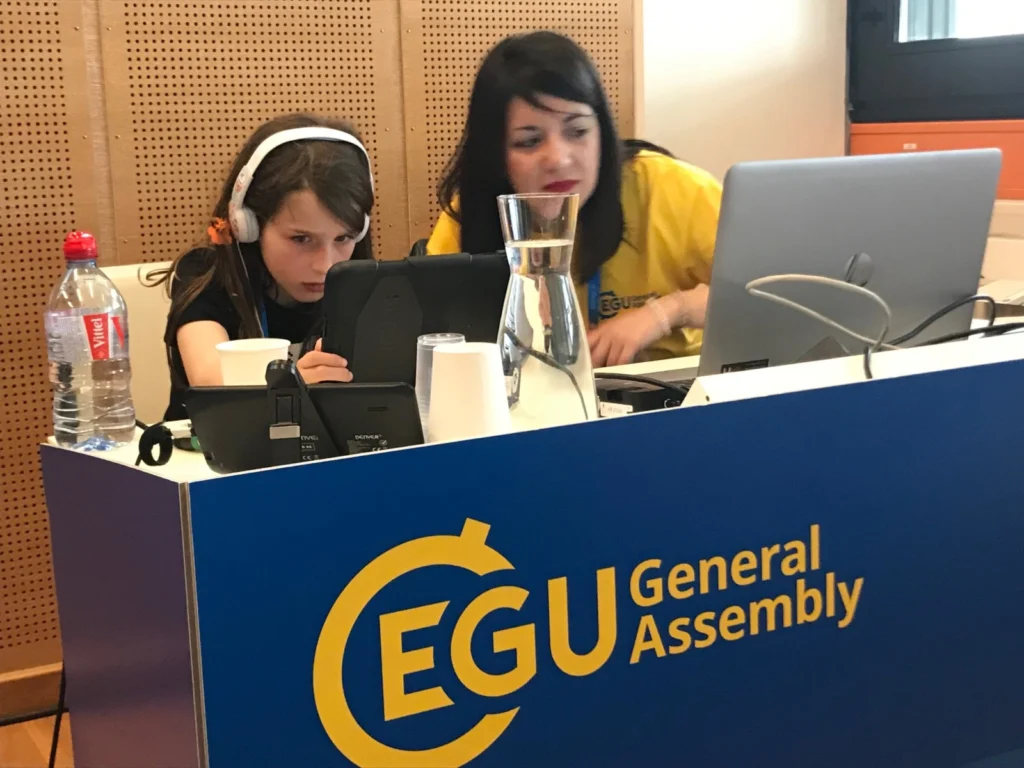
As part of EGU’s steps to further accessibility and inclusivity at the General Assembly, we have recently published a dedicated webpage with guidance for parents wanting to bring their children with them to Vienna. Whether you are looking for breastfeeding facilities, wondering about childcare whilst you are presenting or want to bring your 13 year …[Read More]
Hydrological Sciences
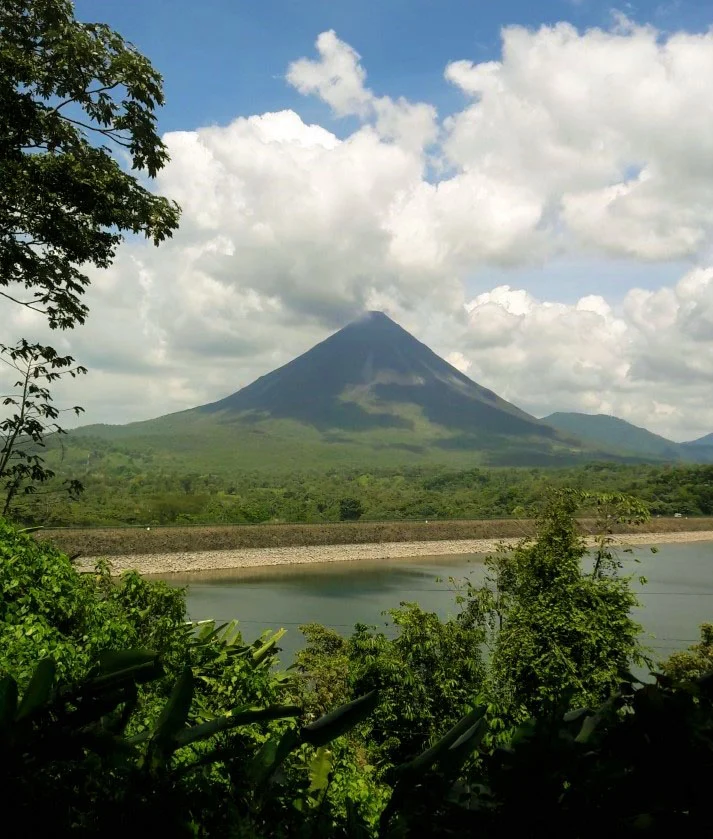
Featured catchment series: The San Carlos Catchment in northeast Costa Rica, a multi-scale hydrological observatory to leapfrog data scarcity in the tropics
Tropical ecosystems are of major hydrological importance for regional and global climate systems and are characterized by greater energy inputs, higher rate of change and dynamics compared to other hydroclimatic regions. Nowadays, the anthropogenic influence in the climate crisis exerts enormous pressure on tropical hydrological systems. This growing pressure affects water quality and quantity, which …[Read More]
Geodynamics
Science. Exploration. Survival.
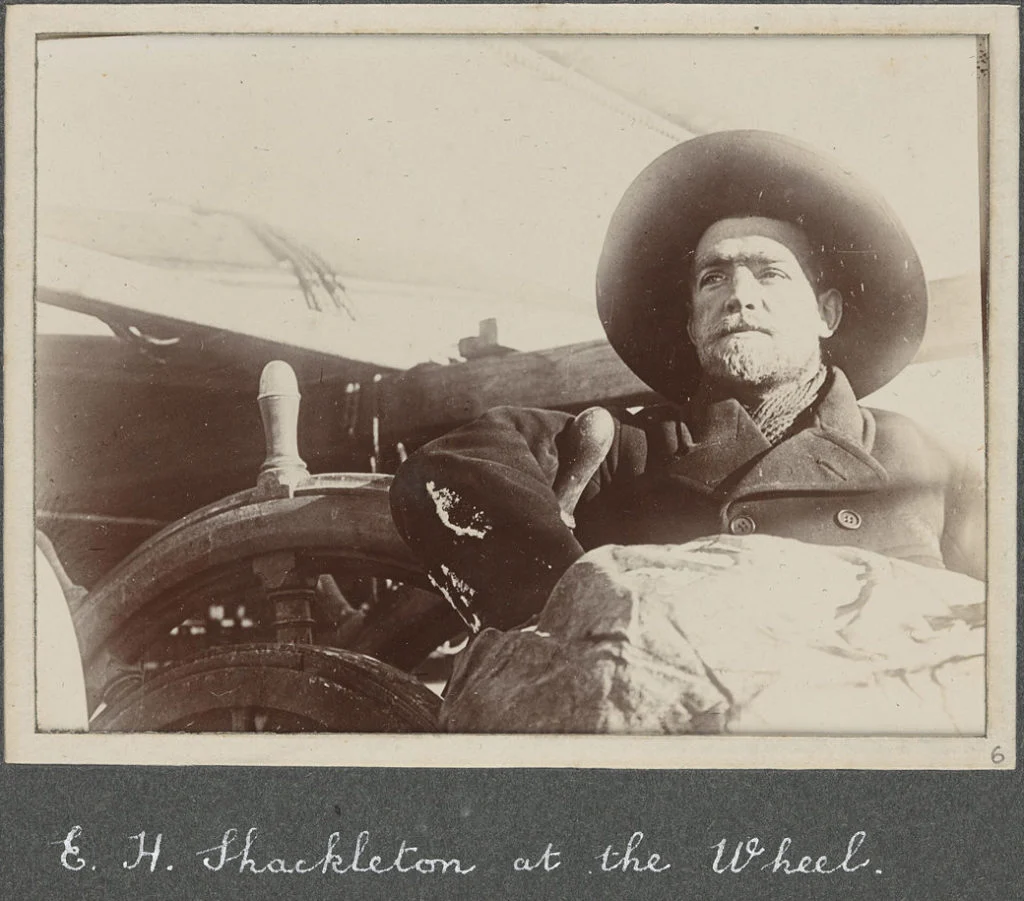
A scientific career can be a struggle. This week Dave Stegman, Associate Professor at Scripps, draws parallels between being a scientist and being an Antarctic explorer. He dangled in the crevasse, unable to touch the sides; the abyss beneath was hundreds of feet deep; the rope he was suspended from was 14 feet long, connected …[Read More]