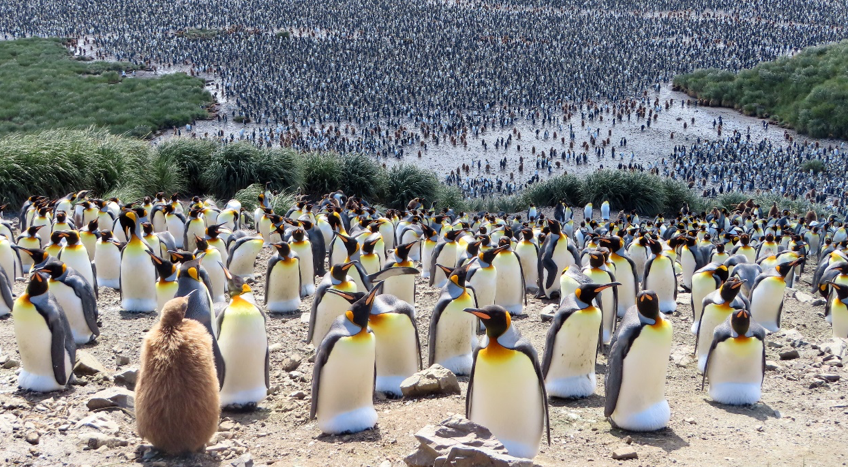
By Emma Liu – Lecturer in Earth Science, University College London. For more adventures, follow Emma on Twitter! It’s a strange feeling to realise that your closest human neighbours are on the international space station…! We were five hundred miles away from the nearest civilisation and all I could see in every direction was miles …[Read More]
Latest posts
GeoLog
Imaggeo on Mondays: Tertiary Flying Saucers
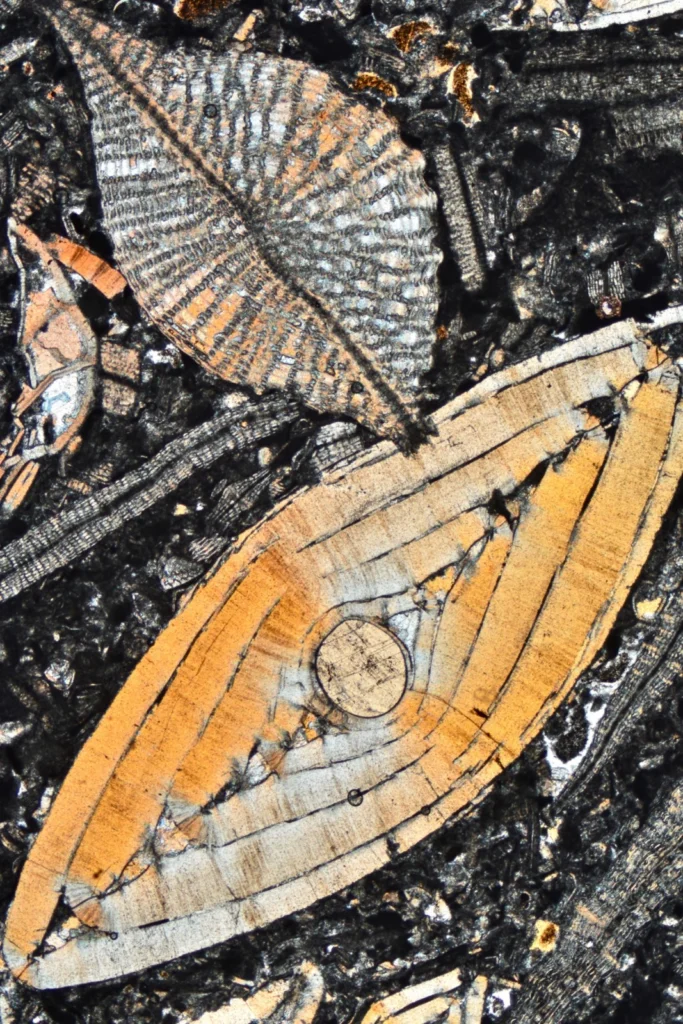
Besides for the purposes of documenting my research, I like to take photos of rocks under the microscope also because of their aesthetic appeal. It’s an hidden, marvelous world. These flying-saucer-looking objects are in fact the fossil skeletons of a Nummulites (the larger) and a Discocyclina (the one on top left), both belong to the …[Read More]
Stratigraphy, Sedimentology and Palaeontology
Adaptation and inheritance in the geosciences
Every year, the Stratigraphy, Sedimentology and Paleontology Division awards one scientist for their outstanding contribution to stratigraphy, sedimentology or paleontology with the Lamarck medal in recognition of the scientific achievements of Jean-Baptiste Lamarck (Bazentin-le-Petit, 1-02-1744 – Paris, 18-12-1829). It was the 11 May 1800 when Jean Baptiste Lamarck presented a lecture at the Muséum national d’histoire naturelle …[Read More]
Cryospheric Sciences
Boom and bust beneath the ice
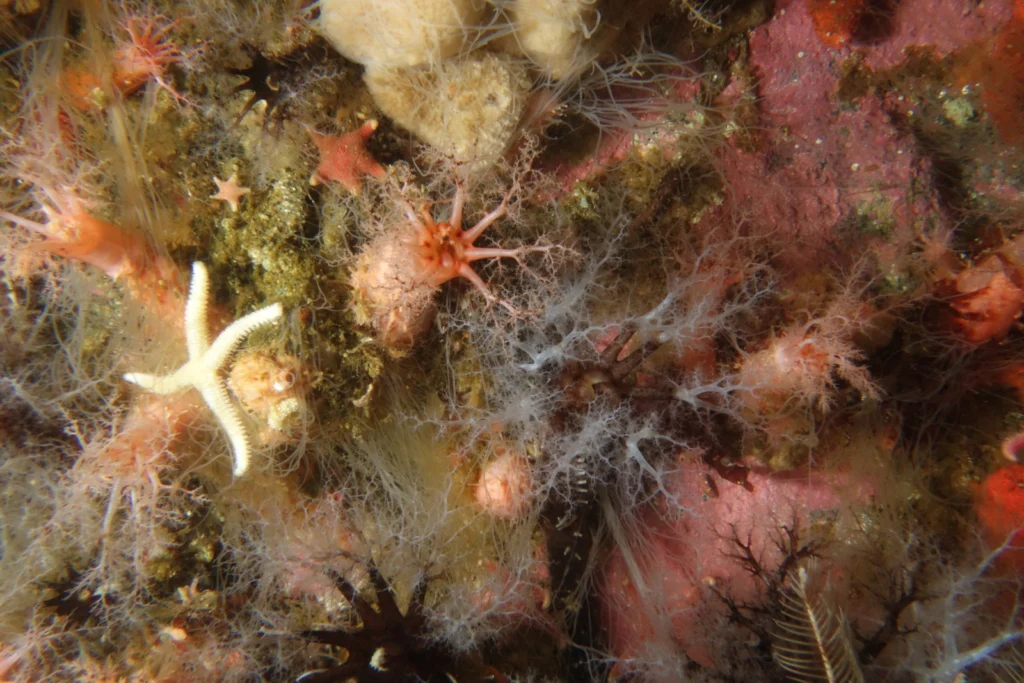
Beneath the frozen surface of the Southern Ocean, live some of the most spectacular creatures on earth. These creatures are spectacular not only in appearance, but also in their ability to survive in such an extreme environment as Antarctica. Here, temperatures deviate only slightly from 0°C, and food is scarce during the winter months. How …[Read More]
GeoLog
GeoPolicy: How to become a Seconded National Expert for the European Commission
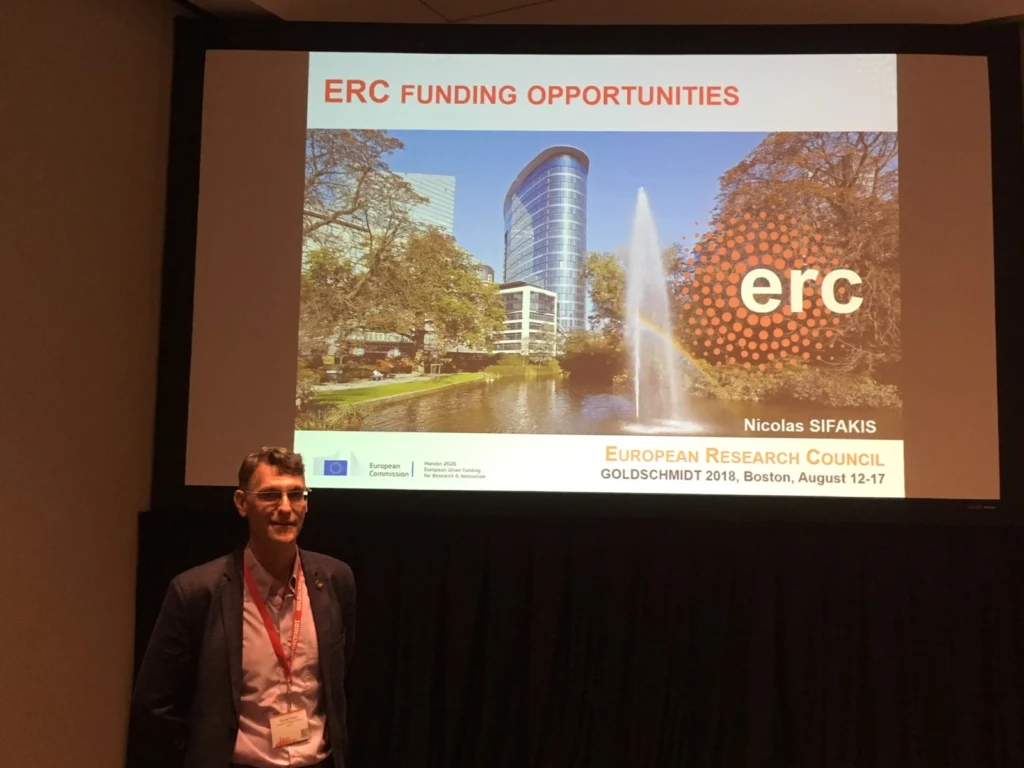
The European Seconded National Expert programme is a fantastic opportunity for scientists who are currently working in a national, regional or local public administration of an EU member state or an intergovernmental organisation to gain experience working within a European policy institution. In most cases, secondments are between six months and four years during which …[Read More]
Geodynamics
The Sassy Scientist – Stochastic Sequels
Tuckered from simply contemplating the infinite myriad of possibilities arising behind the dandy phantasmagoria at the pristine horizon which is a doctorate, Maite considers: Should I start a postdoc directly after my PhD? Dear Maite, I would. If you want to stay in science, that is. Consider yourself a prospector initiating the exploration of an …[Read More]
Seismology
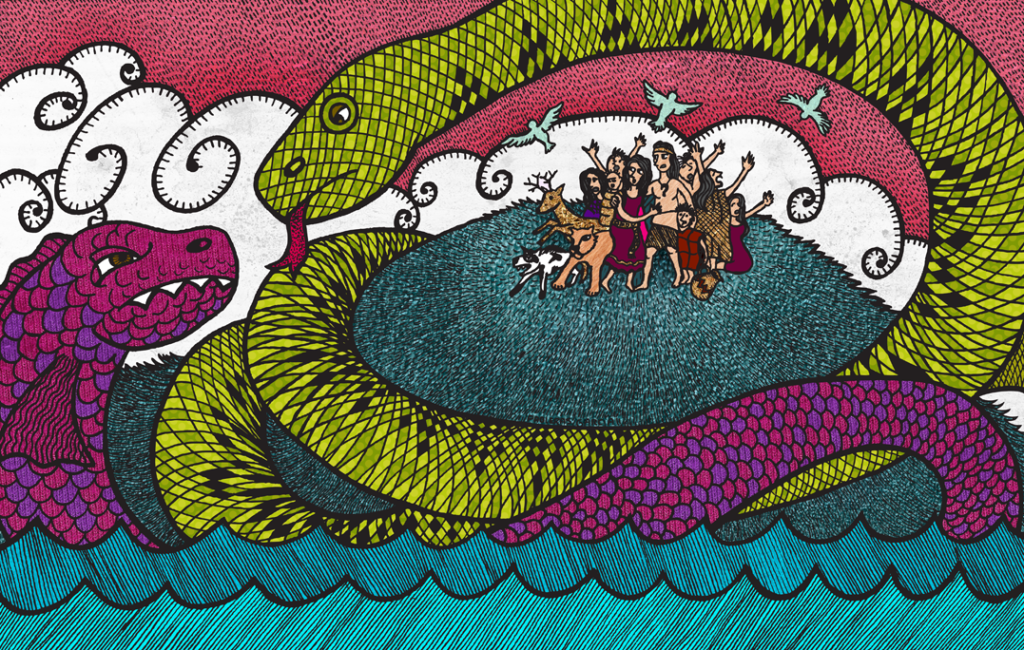
Ten years after the 2010 Maule earthquake: how science and ancestral knowledge build-up resilient societies
At 3:34 a.m. (local time) on February 27, 2010, a magnitude Mw 8.8 earthquake occurred in Central Chile and extended over around 500 km along the Maule and Bio Bio regions, a convergent zone between the Nazca and South America plates (Figure 1a). The occurrence of this large earthquake in the context of active …[Read More]
GeoLog
Accessibility at EGU: Promoting inclusive language, an incomplete guide
Like all people, geoscientists can sometimes forget the importance of language. How scientists use language is important because it not only allows us to communicate effectively with different groups, from policymakers to concerned citizens and other researchers, but it can also influence how people respond on an emotional or personal level. The way we use …[Read More]
Geodynamics
Postdoc: Europe vs. United States
Being a postdoc provides you with an extended training period after receiving your PhD. It is the pathway towards becoming an independent scientist; therefore, it is important to undertake your postdoc in a place where career development is enhanced and supported. Let’s start with a basic yet crucial question: why should I move to another …[Read More]
Climate: Past, Present & Future
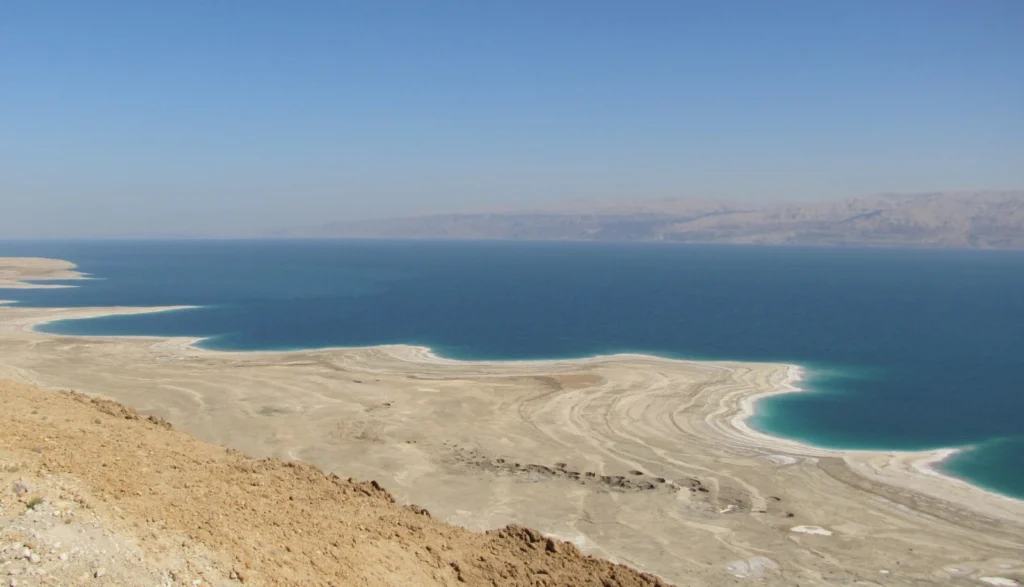
Dead Sea – lively stories of the past
The Dead Sea is dead. Nothing can live there except for specialized microbes. The water with a salinity multiple times higher than seawater prevents a colonization by higher life forms. However, it does not prevent the input of organic material that can tell us stories about the past. A unique sediment record The Dead Sea, …[Read More]