
EGU Blogs

Latest posts

GeoLog

EGU statement of support for the European Research Council

EGU statement of support for the European Research Council

The European Research Council (ERC) is the sole European science funding agency that is designed and governed by scientists. As such, it has become one of the world’s leading and most respected funders of frontier research, with more than 70% of completed projects leading to discoveries or major advances. The ERC’s investigator-driven approach and allocation …[Read More]

GeoLog

#shareEGU20: the EGU code of conduct

#shareEGU20: the EGU code of conduct

As part of #shareEGU20, EGU’s massive online experiment that will take place from 4-8 May, we are strongly committed to the principles of inclusivity and diversity and therefore require all our members and attendees to treat each other with basic courtesy and respect. This is why you may notice on all our guidelines we state …[Read More]

HS
Hydrological Sciences

WomenInHydrology – a new initiative to connect female hydrologists worldwide

WomenInHydrology – a new initiative to connect female hydrologists worldwide

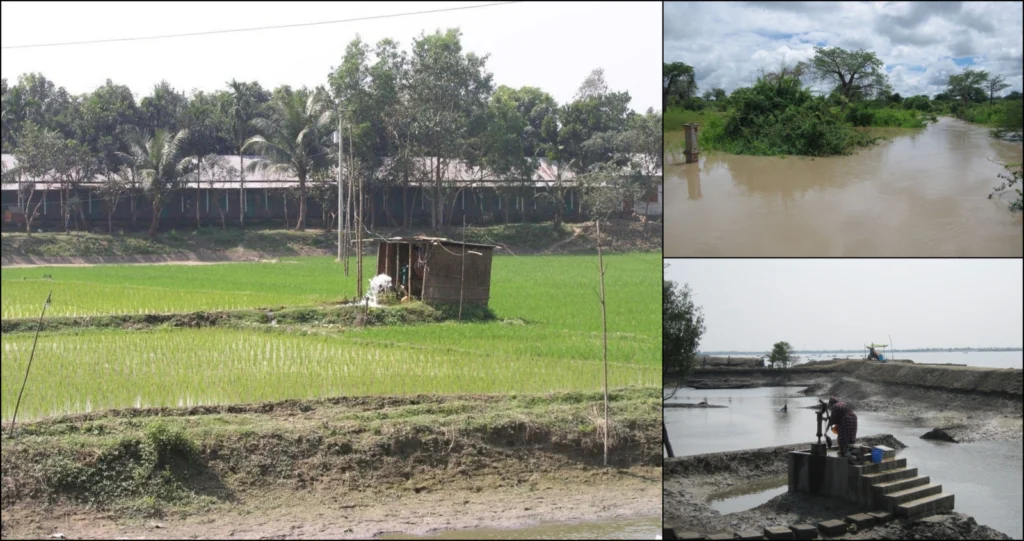
Geographical location of the WomenInHydrology members by their workplace, stand: 31.03.2020 What is WomenInHydrology about? WomenInHydrology is a Google Group mailing list created to encourage and foster the active participation of female hydrologists in the hydrological community. While the information content is not intended to be only women-oriented, the mailing list is dedicated specifically to …[Read More]

GD
Geodynamics

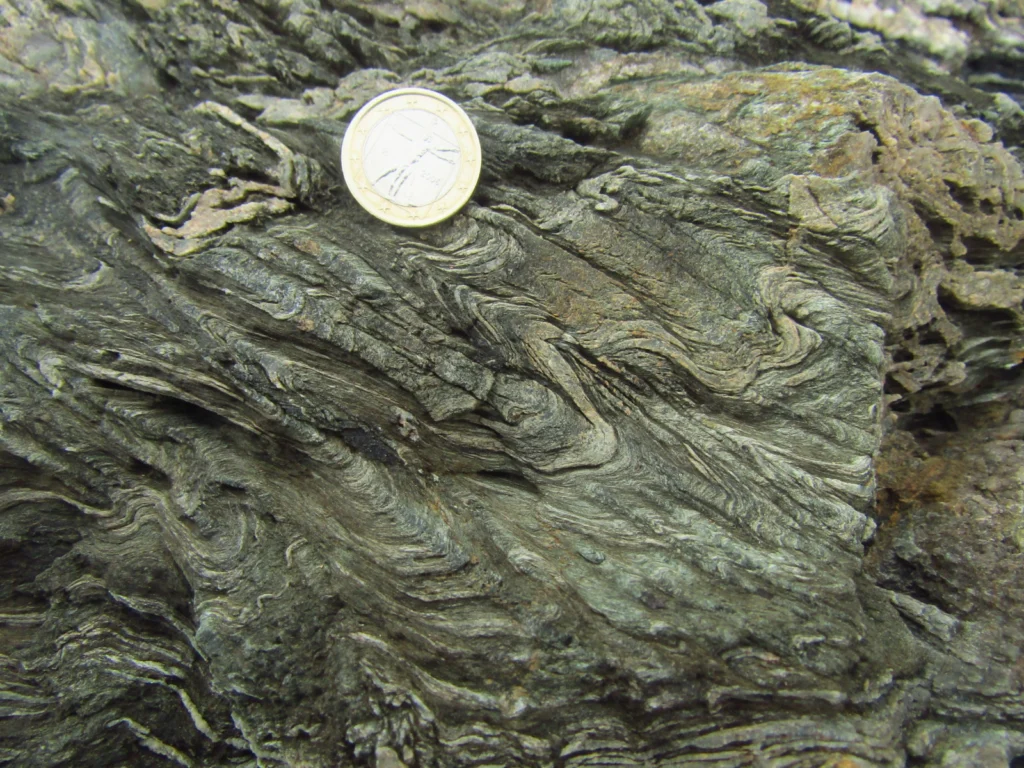
Can plume-lithosphere interaction initiate a modern subduction zone?

Plume-induced subduction inititation?

This week in News & Views, dr. Marzieh Baes from GFZ Potsdam introduces us to the mechanisms behind subduction initiation. Moreover, she discusses the different types of subduction initiation in reaction to plume-lithosphere interaction that she observed in her recent 3-d numerical modelling study. Possible scenarios of subduction initiation According to plate tectonics, oceanic plates …[Read More]

ST
Solar-Terrestrial Sciences

New auroral dunes discovered through citizen science

New auroral dunes discovered through citizen science

The region of the Earth’s atmosphere lying at altitudes between about 80 and 120 km, corresponding to the mesosphere–lower thermosphere–ionosphere (MLTI), is often referred to as the “ignorosphere”, because its observation is so challenging that only a handful of measurements of its composition, temperature and other physical parameters have been obtained over the last few decades. …[Read More]