
As of 19 February 2021, the US officially re-joined the Paris Climate Agreement, a landmark international accord to limit global warming by 2°C (and ideally to 1.5°C) compared to pre-industrial levels. The Paris Climate Agreement aims to bring the world together to avoid catastrophic warming that will impact us all and to build resilience to …[Read More]
Latest posts
Paleogeography – A window into past mantle dynamics
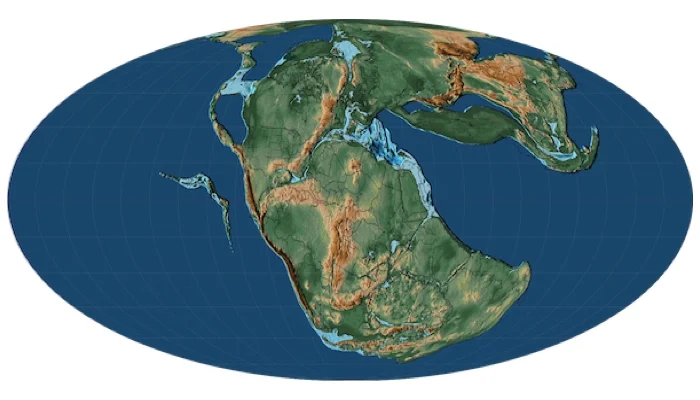
Paleogeography refers to the past distribution of landmasses and oceans and gives important insights into the state of previous tectonics. This is a useful cornerstone for many aspects of geodynamics and this week Boris Robert – previously postdoctoral fellow at the Centre for Earth Evolution and Dynamics Oslo (Norway) and currently visiting scientist at GFZ …[Read More]
EGU’s Climate: Past, Present & Future and Atmospheric Sciences Divisions welcome the US back into the Paris Climate Agreement
As of 19 February 2021, the US officially re-joined the Paris Climate Agreement, a landmark international accord to limit global warming by 2°C (and ideally to 1.5°C) compared to pre-industrial levels. The Paris Climate Agreement aims to bring the world together to avoid catastrophic warming that will impact us all and to build resilience to …[Read More]
Seismology Job Portal
On this page, we regularly update open positions in Seismology for early career scientists. Do you have a job on offer? Contact us at ecs-sm@egu.eu Please, note that other available research positions are displayed on the EGU Jobs Portal. Special Thanks to Eric Löberich for researching job postings for the ECS.
Imaggeo On Monday: over 10 years of the EGU Photo Competition
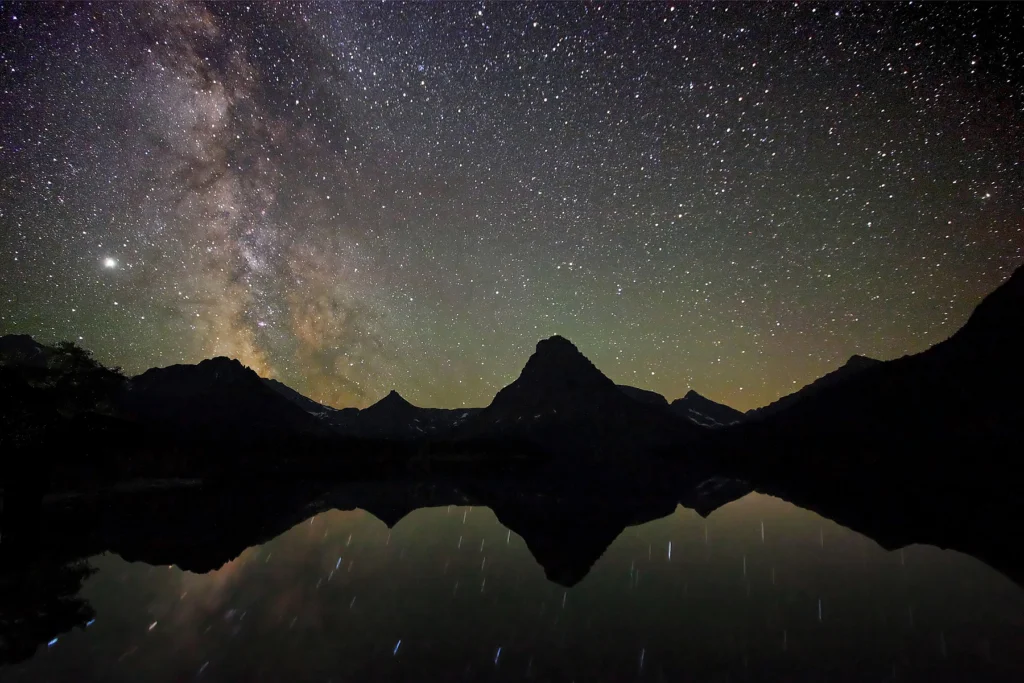
In 2010 EGU held our first annual Photo Competition at the General Assembly in Vienna. Since then hundreds of photos have been shared on imaggeo by geoscientists and researchers just like you, with a lucky few being selected each year to be highlighted during the meeting and voted on by our members. These images …[Read More]
First time… publishing a paper

I can’t speak for anyone else, but finally getting a paper through comes with the great satisfaction of not having to deal with the project anymore. There’s a sense of relief, hope, and maybe excitement that the time that is now freed up can be used on other, new projects. Anyway, I am currently still …[Read More]
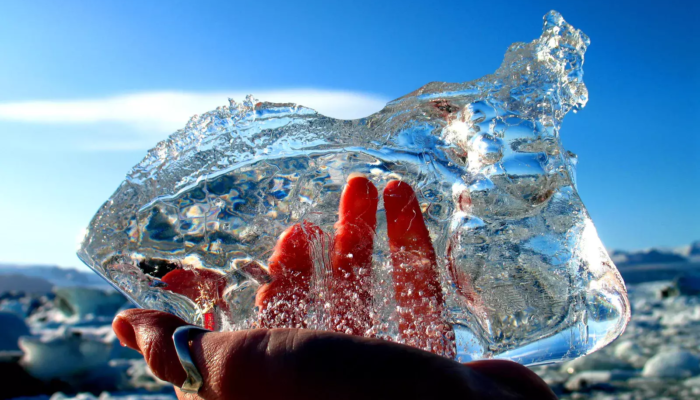
Image of the Week – The mystery of the ice mushrooms
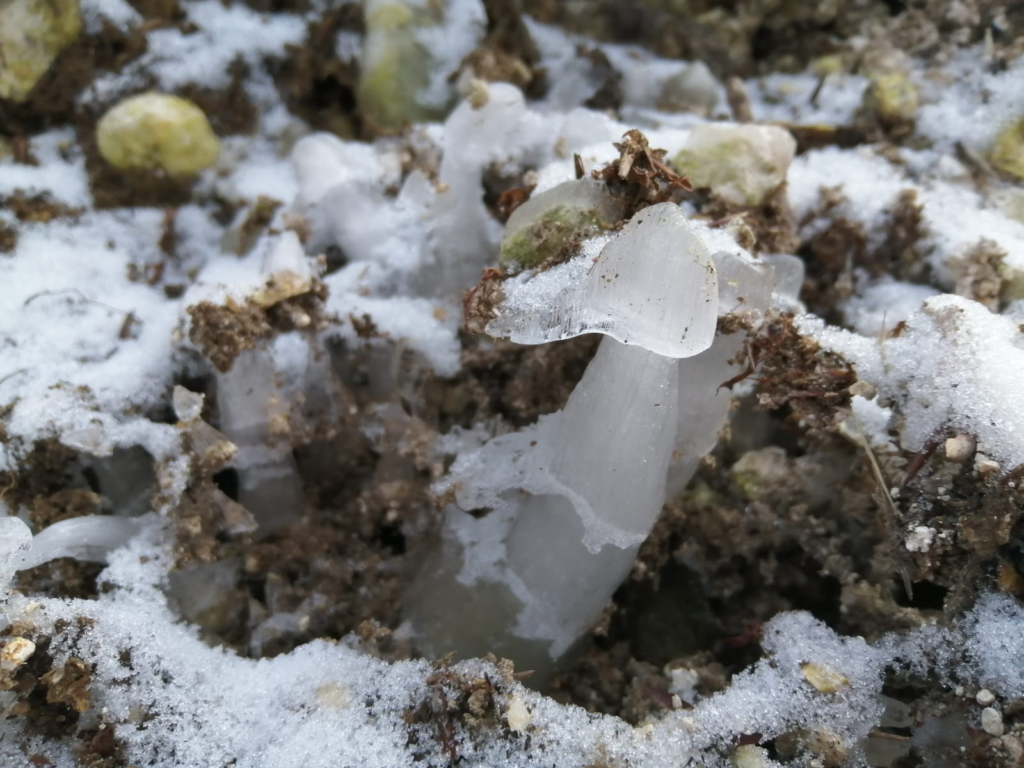
Last week, the EGU Cryosphere Blog (“Cryoblog” for the regulars) team was contacted by a reader who stumbled upon very curious ice formations while taking a morning walk in rural Berkshire, England. This was right after a few nights with below-freezing temperatures and snowfall. He asked us whether we could explain to him what these …[Read More]
GeoTalk: Meet Tim van Emmerik, hydrologist and Geosciences Instrumentation and Data Systems Division Early Career Scientist representative.
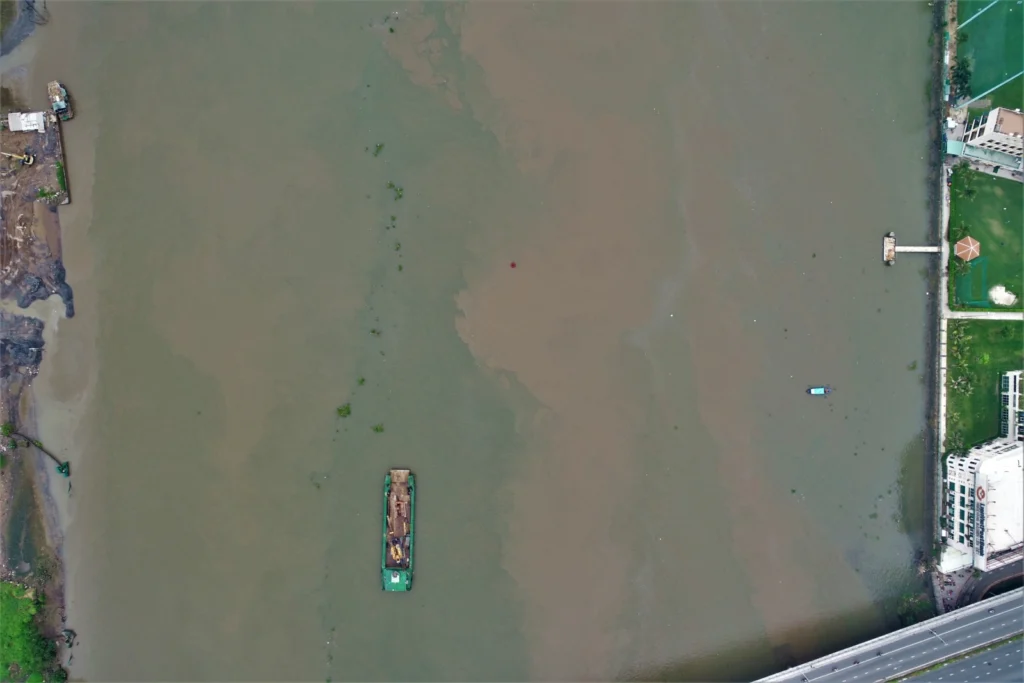
Hi Tim, thanks for talking with us today, can you start by telling us a little about yourself and your research background? As experimental hydrologist I aim to provide reliable data to solve water-related societal challenges. For over a decade I have been working on developing new, better or cheaper measurement methods to quantify components …[Read More]
The Sassy Scientist – Out of Orbit

After reading last week’s post Ilona asks how to switch research topics to something more impactful during their lifetime: How do I transition from a PhD in mantle convection to a postdoc in satellite geodesy? Dear Ilona, What a moon-shot you are aiming for! But, have no fear, nothing is impossible. Undoubtedly, space is cool. …[Read More]
GMPV ECS online talks! Wednesday 17th March 11am CET

The Geochemistry, Mineralogy, Petrology and Volcanology division’s early career scientists talks (EGU campfires) will return on Wednesday 17th of March at 11am CET! The speakers of the 9th edition are: Tommaso Tacchetto (PhD Student @ Curtin University) – Disorientation control on trace element segregation in fluid-affected low-angle boundaries in olivine Kyra Cutler (PhD Student @ …[Read More]