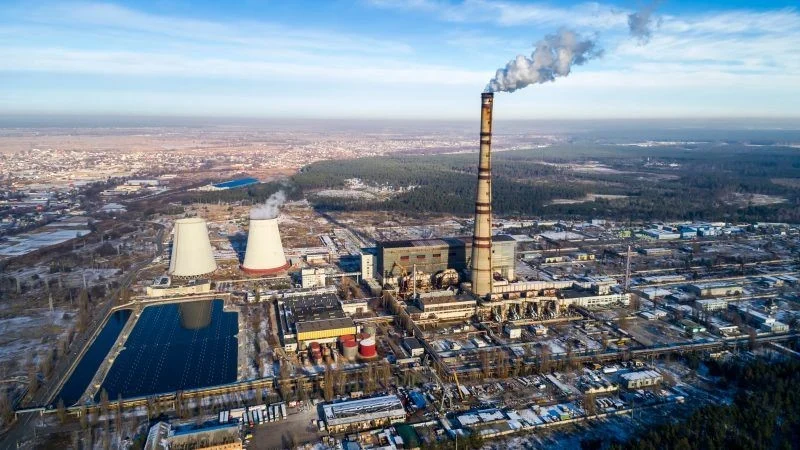
Although you may not realise it, waste and the circular economy is an important topic for many geoscientists. Our consumption drives the need for resources and sustainable resource extraction, while disposing and reducing this waste requires a wide range of expertise and impacts the environments in which many scientists undertake their research. On a more personal level, understanding what happens ...[Read More]
GeoPolicy: What really drives political decision-making?
On July 17 2019, the EU Commission’s Joint Research Centre (JRC) published a report highlighting how thinking is challenged by today’s information environment and the role of evidence-informed policymaking in a well-functioning democracy. Titled Understanding our political nature, the report was produced with the assistance of 60 international experts in the humanities, behavioural and socia ...[Read More]
GeoPolicy: Fake news and populism – a threat to science in Europe
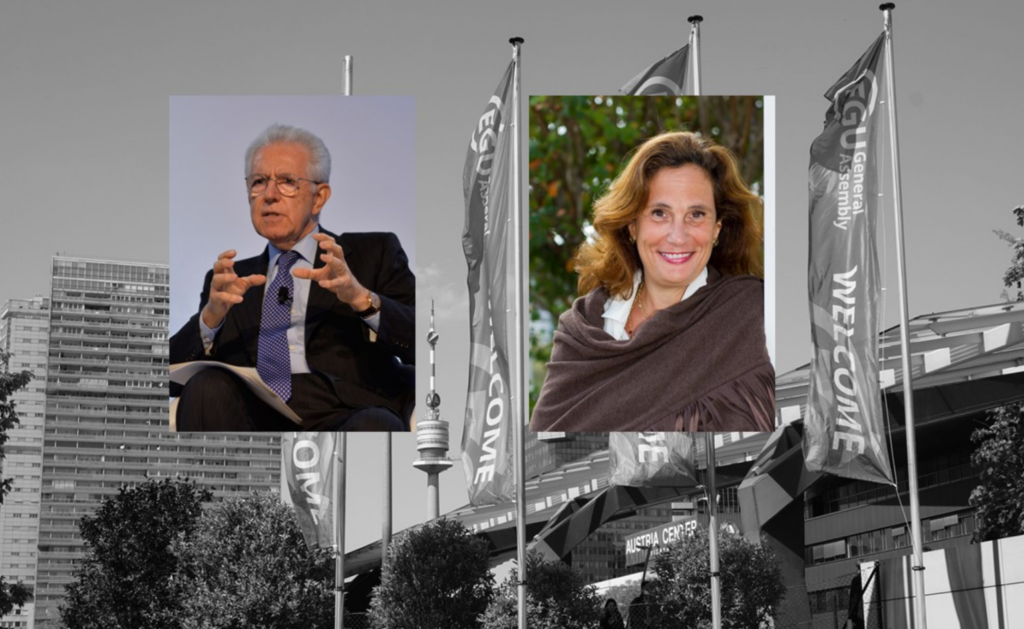
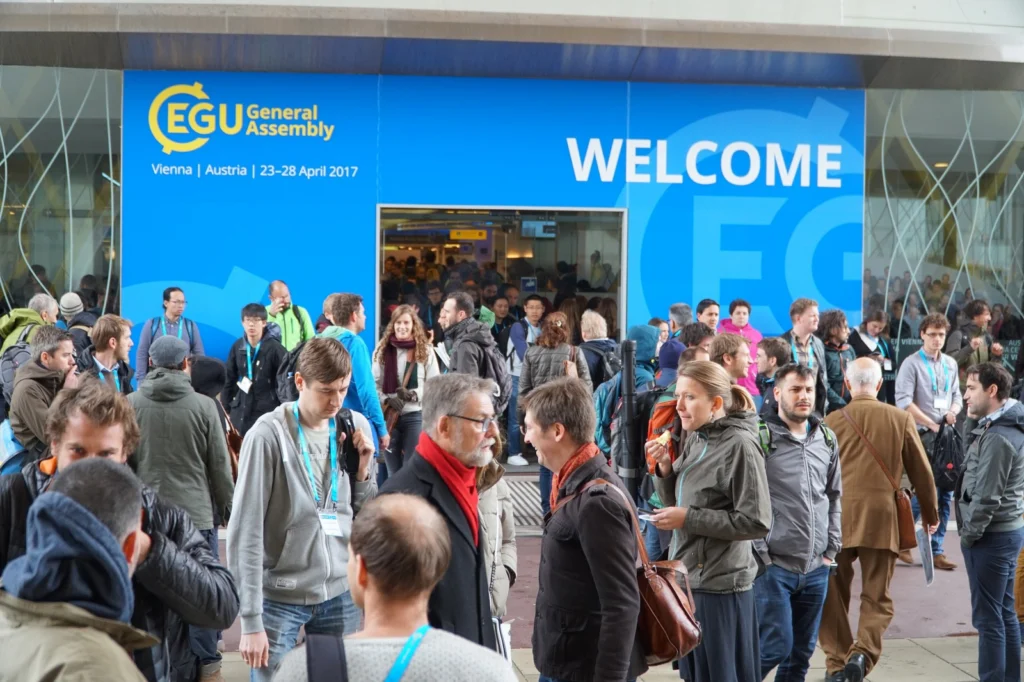
The 2019 EGU General Assembly was a great success. Not only was it the largest in EGU history (with over 16,000 participants, 5,531 oral, 9,432 poster and 1,287 PICO presentations) but it also allowed scientists to connect geoscience and their research with global challenges and potential solutions. One of the highlights of this year’s General Assembly was the high-level session on Science, Politi ...[Read More]
GeoPolicy: The importance of communicating your research with the public
Science and innovation are a central priority for the European Union with the current research framework, Horizon 2020, allocating almost €80 billion to research and innovation over seven years, until 2021. It appears that policymakers are currently happy with this investment as they are looking to increase research and innovation spending to at least €100 billion in the next research funding fram ...[Read More]
Can the EU become carbon neutral by 2050? A new strategy from the EU!
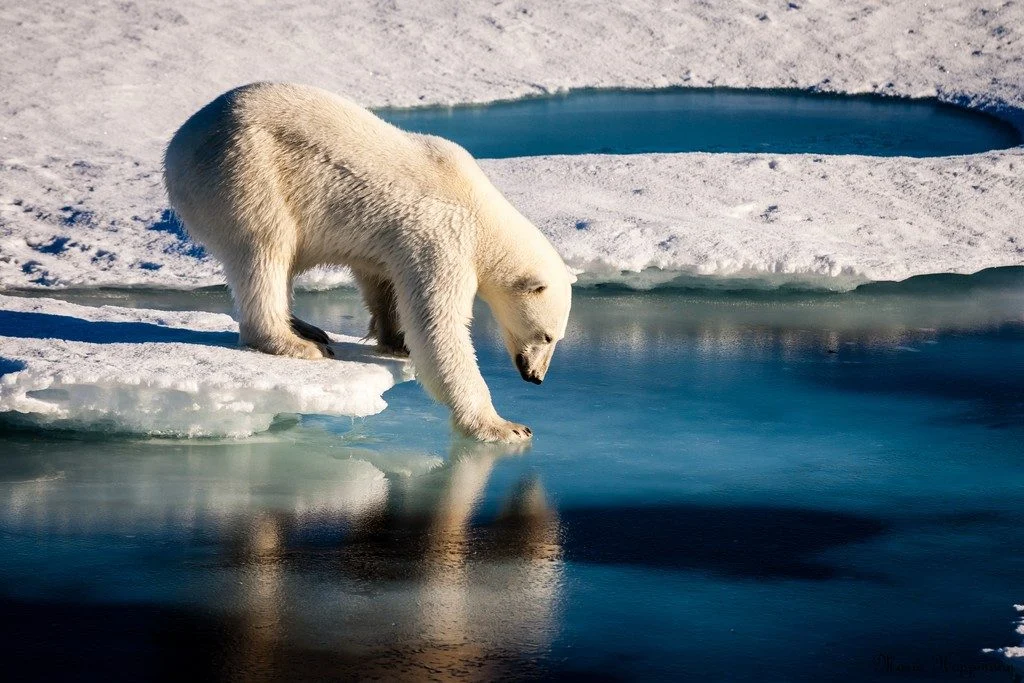
On Wednesday 28 November 2018, the European Commission adopted a strategic long-term vision for a climate neutral economy (net-zero emissions) by 2050! A Clean Planet for All, tactically released ahead of the 24th Conference of the Parties (COP 24), which will be hosted in Katowice, Poland from 2-14 December, describes seven overarching areas that require action and eight different scenarios that ...[Read More]
GeoPolicy: the EU’s Bioeconomy Strategy – what is it and how is it linked with geoscience?
What is the bioeconomy? Global threats such as climate change, ocean acidification, land degradation and an ever-expanding population means that it’s essential for us to reduce our environmental impact while still meetings our demand for food, resources and energy. The bioeconomy covers all sectors and systems that rely on biological resources and their functions including renewable biological re ...[Read More]
GeoPolicy: What does working at the European Environment Agency look like? An interview with Petra Fagerholm
This blog post features an interview with Petra Fagerholm who is currently leading the team on public relations and outreach in the communications department of the European Environment Agency (EEA). Petra gave a presentation about the EEA during the Science for Policy short course at the 2018 EGU General Assembly. In this interview, Petra describes her career path, what it is like to work at the ...[Read More]
GeoPolicy: ESOF – putting scientists & policymakers in the same room!
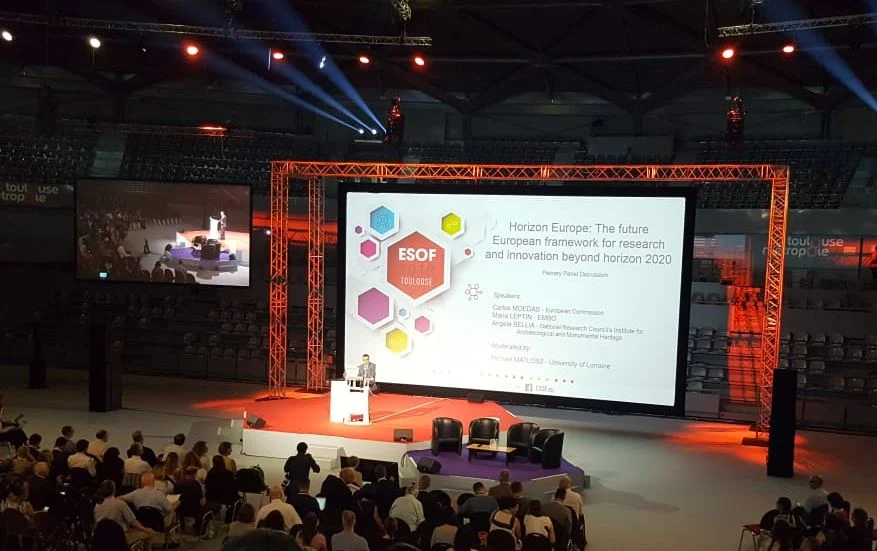
The EuroScience Open Forum (ESOF), the largest interdisciplinary science meeting in Europe, was held earlier this month in Toulouse, France and attracted scientists and policymakers from across the globe. Held every second year, ESOF provides an interface between science, policy and society. This year was my first ESOF. I attended as the EGU Policy Officer and was able to actively participate in a ...[Read More]
GeoPolicy: Getting involved with policy at the 2018 General Assembly
The EGU General Assembly is an amazing event, not only because of its size but also due to the number of disciplines represented! This gives scientists, who are diligently focused on their specific research for the majority of the year, the chance to let loose and learn something a bit different. This year’s assembly will host a multitude of science-policy related sessions that aim to help researc ...[Read More]
GeoPolicy: How can geoscientists make the most of the Horizon 2020 programme?
As a geoscientist, I’m sure that you have heard of Horizon 2020, an EU programme that is allocating almost €80 billion to research and innovation over 7 years (from 2014 to 2020). This money is distributed throughout various scientific divisions and provides a plethora of opportunities for scientists, not only within the EU but also throughout the world. Unfortunately, the magnitude of the Horizon ...[Read More]