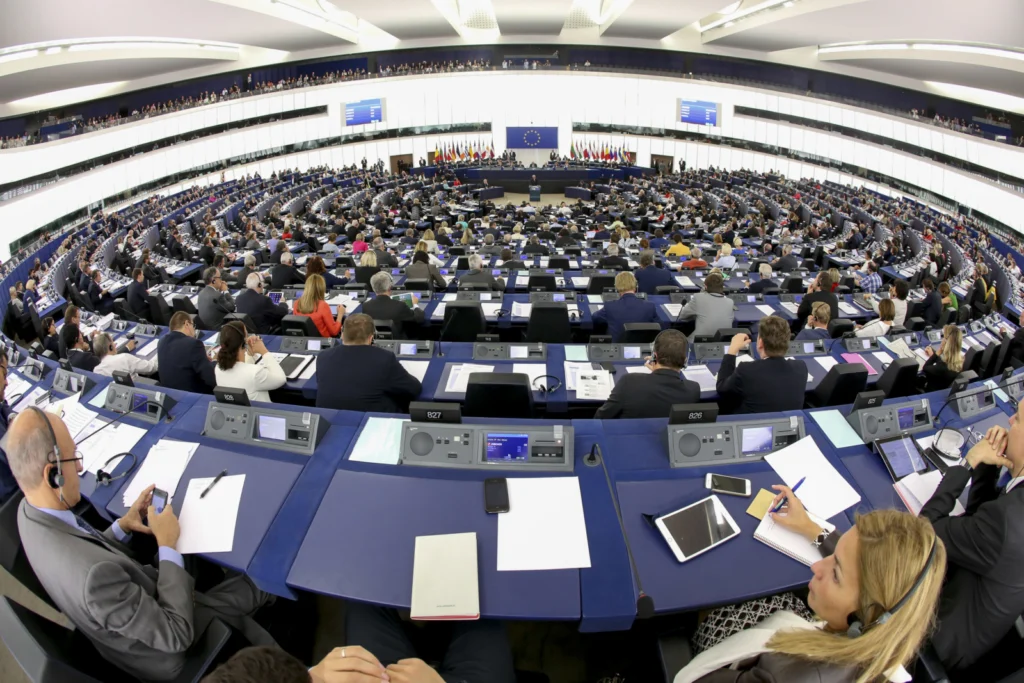
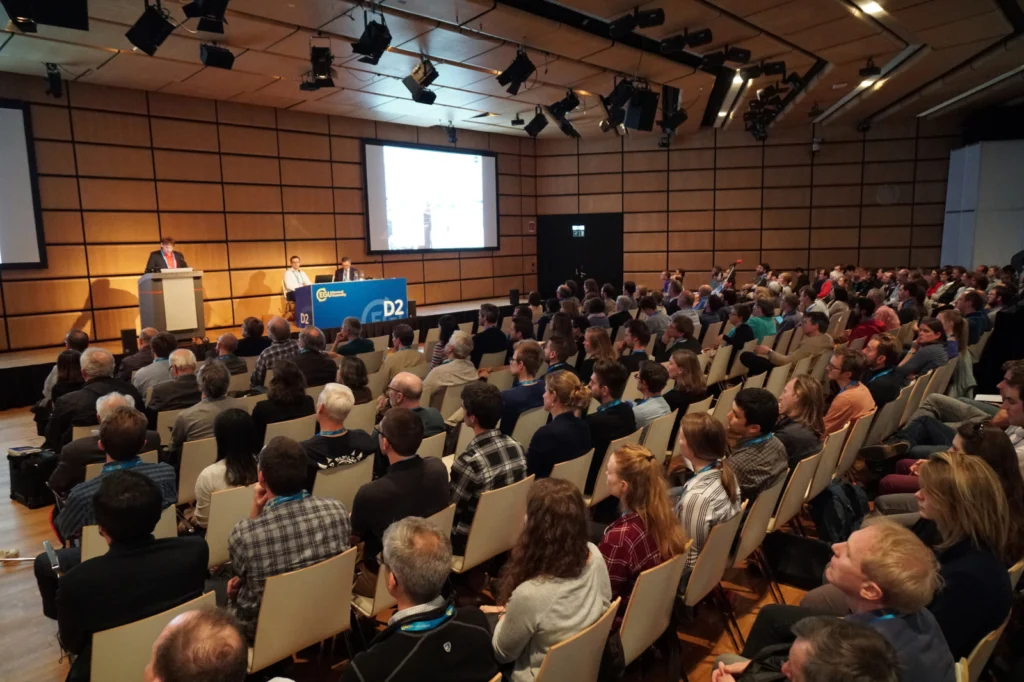
Earlier this year, the EGU hosted the Integrating science into the EU Green Deal event in collaboration with the Intergroup on Climate Change, Biodiversity and Sustainable Development to outline how the geosciences can most effectively support the European Green Deal and ensure its ambitious biodiversity and zero-pollution targets are reached. The event provided policymakers, scientists and indust ...[Read More]
GeoPolicy: Proposed cuts to EU science funding could slow future research and innovation
As a European scientific union with over 20,000 members, the EGU is well positioned to provide feedback on the current and future state of research and innovation funding in Europe. The recent cuts to the EU’s 2021-2027 research budget from European Parliament’s initial proposal of €120 billion to the current proposal of €81 billion (at 2018 prices), will not only affect researchers througho ...[Read More]
GeoPolicy: A window into a career in Science Policy, as EGU’s first Policy Intern.
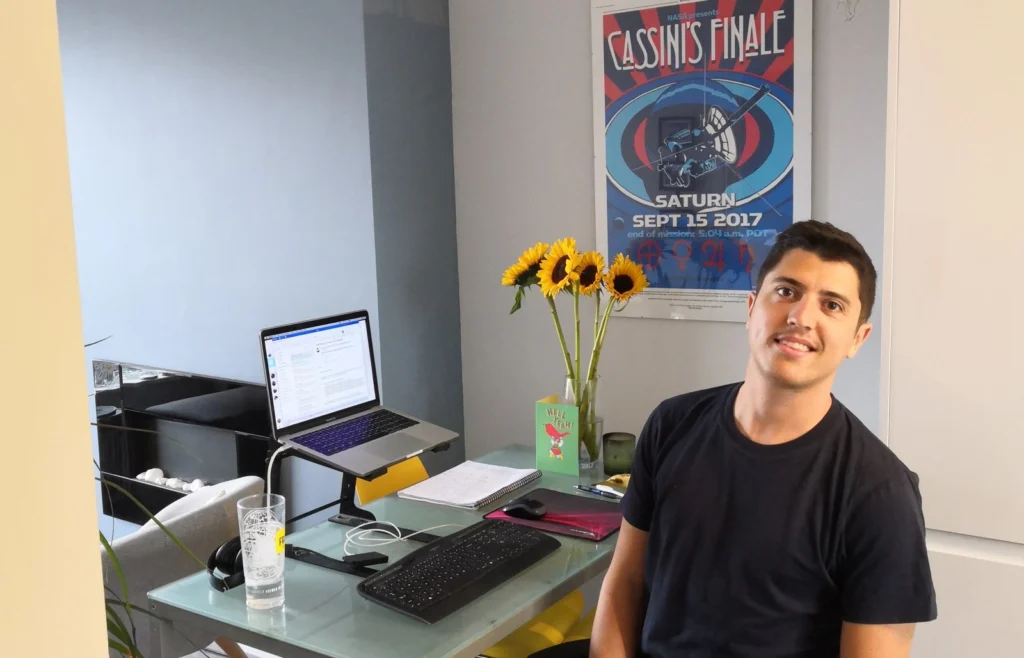
My name is Ned Staniland and I am a third year PhD student in space physics at Imperial College London. I study the magnetic field of Saturn using data from the Cassini-Huygens mission that was launched in 1997. In July 2020, I was lucky enough to be EGU’s first intern where I worked in their policy and communications team. Finding an Internship Since the beginning of my PhD, I have kept an eye ...[Read More]
GeoPolicy: Communicating A Global Climate Crisis – your questions answered!
A wide variety of webinar sessions were streamed during EGU 2020’s Sharing Geoscience Online, including all of the Great Debates and Union Symposia. The sessions were very well attended, with some sessions having over 700 participants. An extremely high level of engagement meant that in many cases not all of the participants’ questions could be answered in the available time. Union Symposium ...[Read More]
GeoPolicy: Getting involved with science for policy during #shareEGU20!
This year, EGU’s science-policy related sessions will be run a little bit differently! In case you haven’t already heard, EGU will be hosting EGU2020: Sharing Geoscience Online (#shareEGU20) from 4-8 May 2020 in place of the physical General Assembly. While this fully online event is in response to the COVID-19 crisis, it is also an opportunity to experiment with online networking and ...[Read More]
GeoPolicy: Interview with the former President of the European Research Council – Jean-Pierre Bourguignon
I recently had the honour of interviewing Professor Jean-Pierre Bourguignon, who completed his six-year term as the President of the European Research Council (ERC) at the end of 2019. As an award-winning mathematician, he has been a fellow of the Centre National de la Recherche Scientifique for most of his career. Bourguignon held a Professor position at École Polytechnique (1986-2012) and served ...[Read More]
GeoPolicy: My experience with the EGU’s science-policy pairing scheme
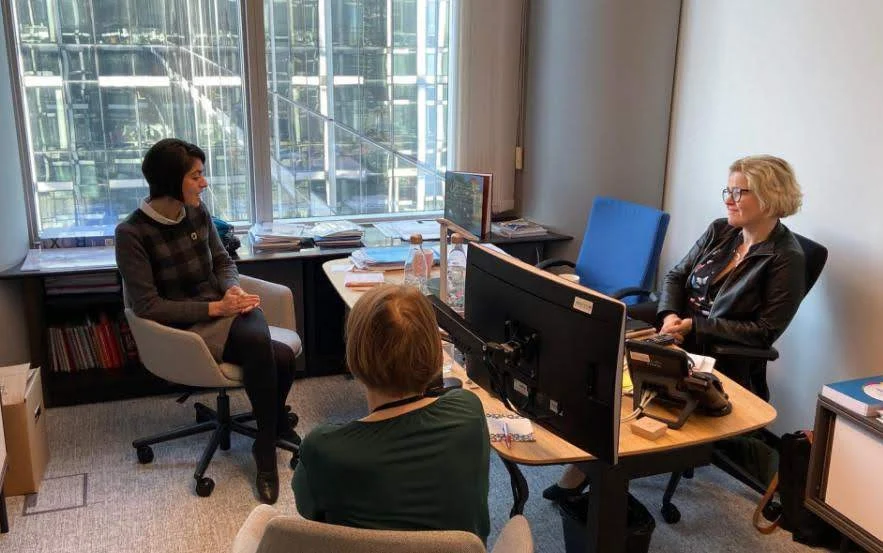
“Thanks for coming, but no time for celebratory drinks,” I told my colleagues. I arrived in Brussels right after defending my doctoral thesis to brief the Finnish Member of the European Parliament (MEP) Miapetra Kumpula-Natri and her team about the impact of sea-level rise and climate change on the coastal communities of the Baltic Sea. Climate science? Baltic Sea? EU Parliament? I was soon bombar ...[Read More]
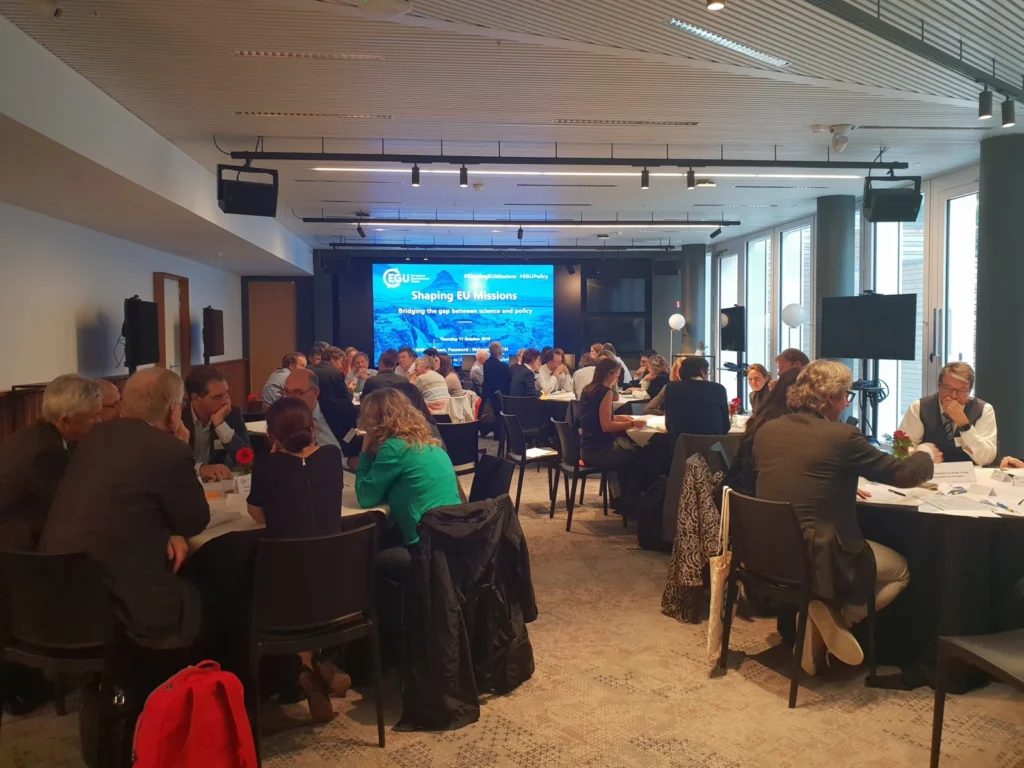
GeoPolicy: Shaping EU Missions – bridging the gap between geoscience and policy
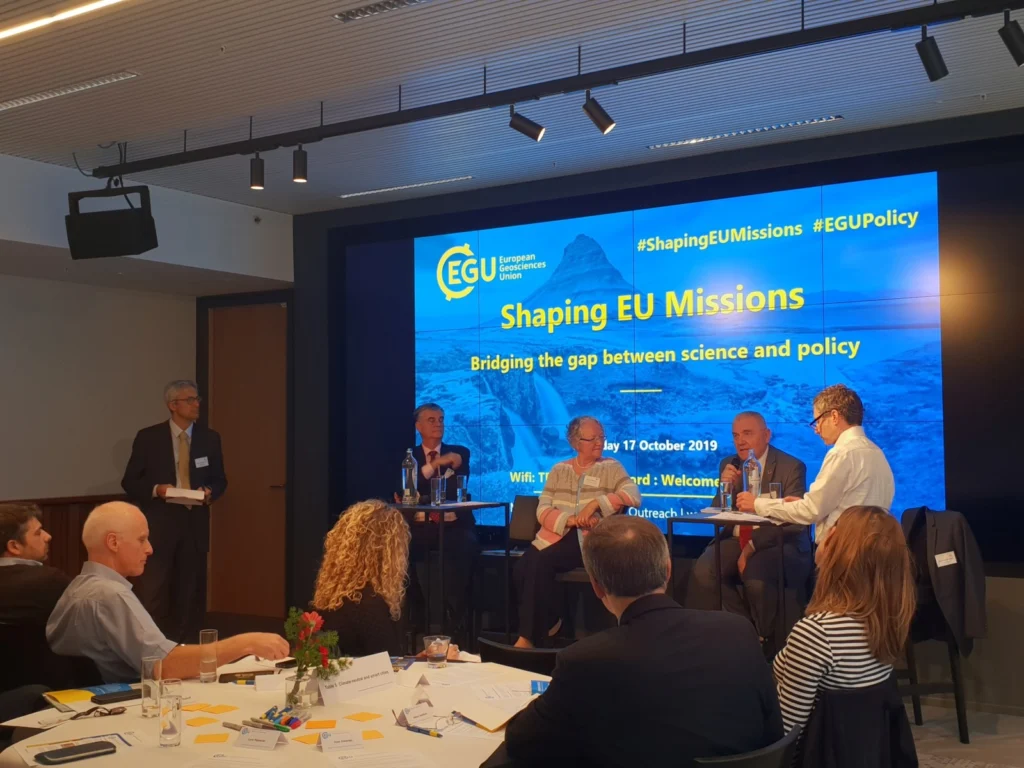
This month’s GeoPolicy blog post is a Q&A about the EGU’s second annual science-policy event, Shaping EU Missions: bridging the gap between geoscience and policy which was hosted in Brussels on October 17 2019. The EGU has an annual event outside of the General Assembly?? Yes! Except this one is much smaller with about 70 participants and relatively new (only starting in 2018). Th ...[Read More]
GeoPolicy: What really drives political decision-making?
On July 17 2019, the EU Commission’s Joint Research Centre (JRC) published a report highlighting how thinking is challenged by today’s information environment and the role of evidence-informed policymaking in a well-functioning democracy. Titled Understanding our political nature, the report was produced with the assistance of 60 international experts in the humanities, behavioural and socia ...[Read More]
GeoPolicy: Preventing mercury leakage from a WWII submarine
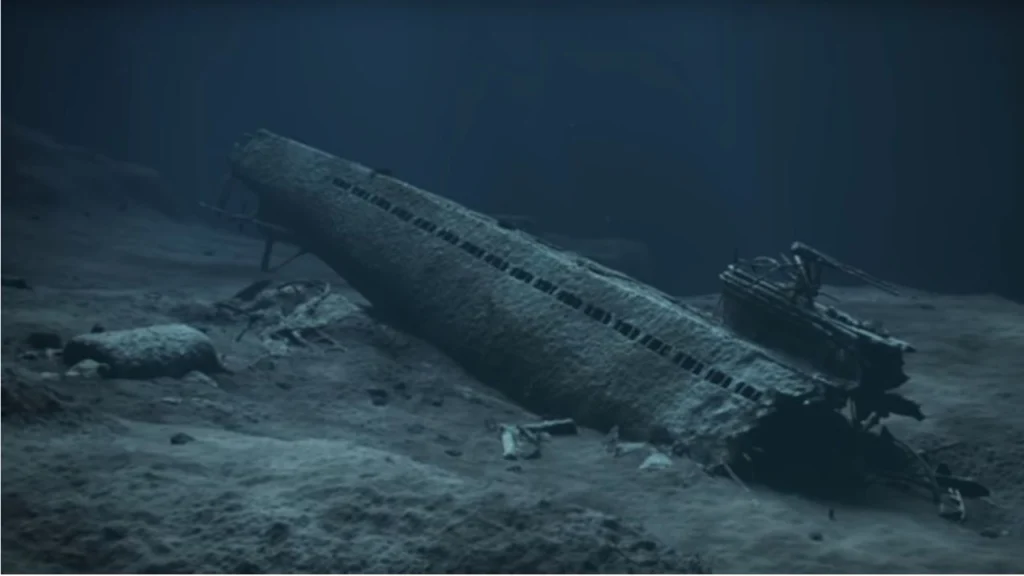
I recently had the opportunity to interview Matthias Kaiser, a professor at Bergen University and, at the time of the interview, Director of the Centre for the Study of the Sciences and the Humanities. He is part of an expert team that has given scientific advice to Norwegian policymakers, highlighting the issues that should be considered when dealing with the U-864 submarine wreckage and its carg ...[Read More]