GeoLog

GeoPolicy

Revisiting the key Science for Policy conversations at EGU26
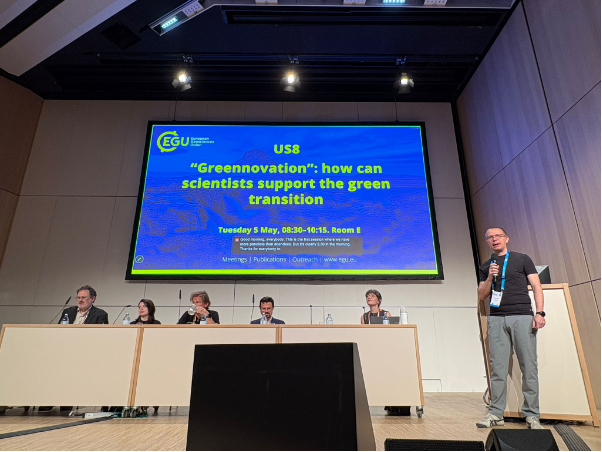
Revisiting the key Science for Policy conversations at EGU26
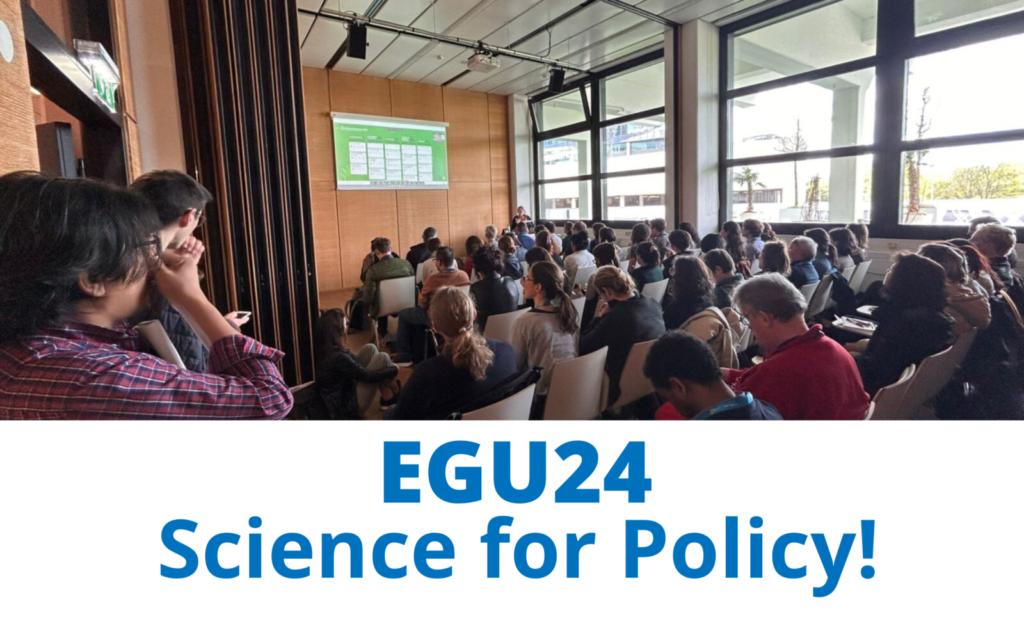
As we left EGU26 behind with record participation, it was amazing to see increased interest in science-policy sessions from the scientific community. Thanks to all panellists who contributed to the stimulating discussions, and to all participants for igniting them! Below is a look into some of the key themes emerged from the #science4policy sessions at EGU26. Innovation and emerging technologies A ...[Read More]

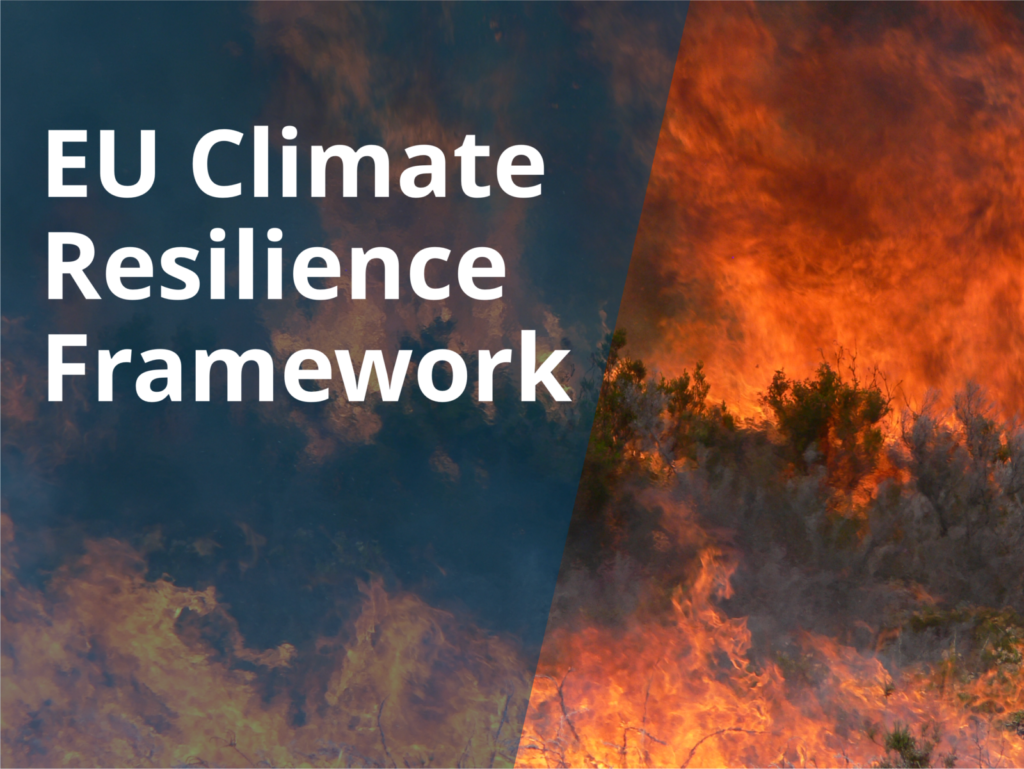
GeoPolicy: Response to the new European climate resilience framework

GeoPolicy: Response to the new European climate resilience framework

Climate change is having a profound impact on the planet. According to several reports, 2023 was the warmest year on record, with the global average temperature over the 12-month period from February 2023 to January 2024 exceeding the 1.5 °C threshold above pre-industrial levels. Climate change acts as a risk multiplier, as its impacts transcend national borders and amplify existing threats and cr ...[Read More]

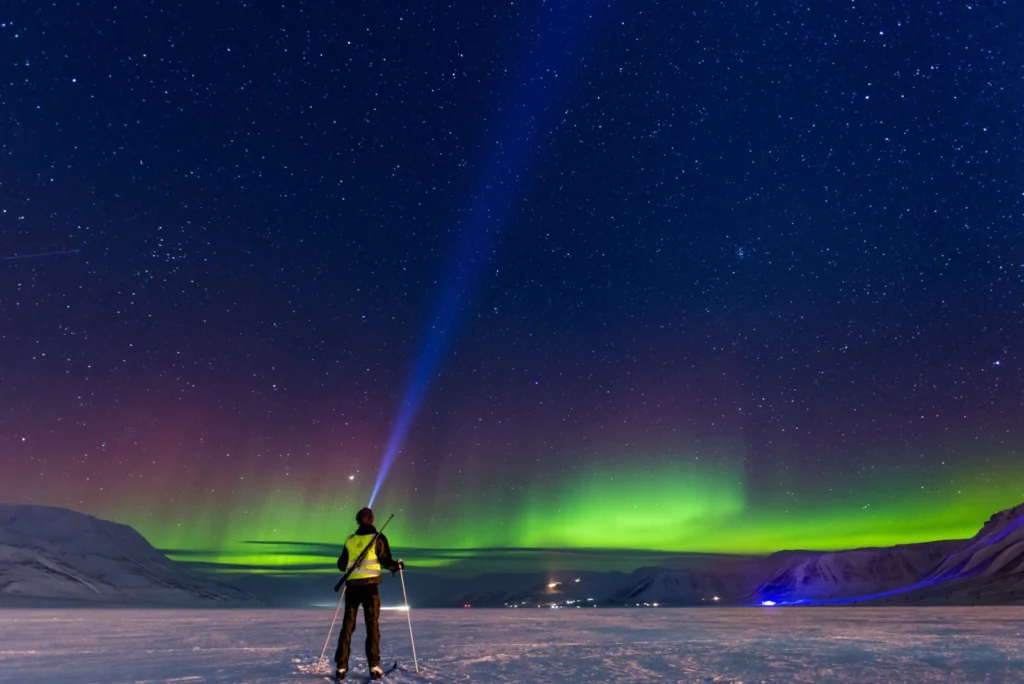
How 40 years of Viking missions decoded the Universe’s most misbehaving matter

How 40 years of Viking missions decoded the Universe’s most misbehaving matter

In a couple of days, on 22 February, we will mark a major milestone in space history: 40 years since the launch of the first Swedish Viking satellite, when an Ariane rocket from Kourou in French-occupied Guiana launched on 22 February 1986! While the general public might hear the word Viking and picture longboats, heavy axes, and a level of beard maintenance that borders on the professional, space ...[Read More]

GeoPolicy: 10 steps for creating a knowledge synthesis for policy impact

GeoPolicy: 10 steps for creating a knowledge synthesis for policy impact

When working on legislation, policymakers often require scientific evidence or expertise to support their decision-making. Scientific information can help policymakers to identify any unintended consequences of a policy decision and access solutions that they may not have otherwise considered. In many cases, the information that researchers give to policymakers is a summary of a single study that ...[Read More]