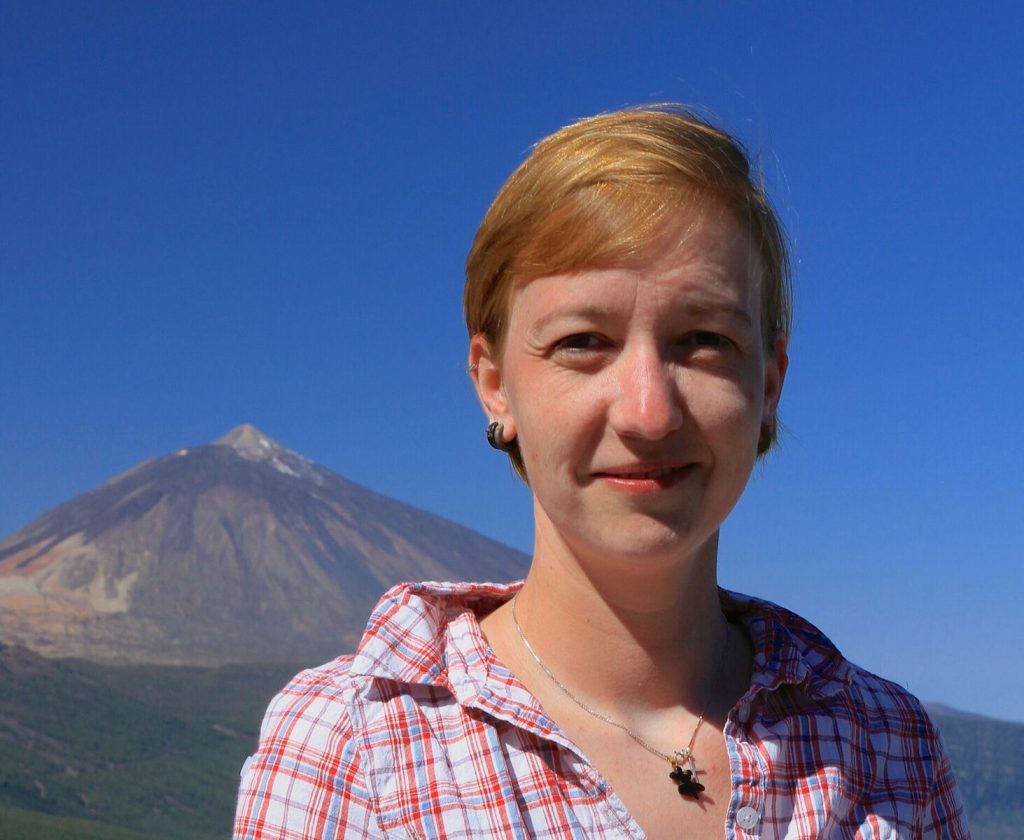
Geotalk is a regular feature highlighting early career researchers and their work. In this interview we speak to Anja Schmidt, an interdisciplinary researcher at the University of Cambridge who draws from atmospheric science, climate modelling, and volcanology to better understand the environmental impact of volcanic eruptions. She is also the winner of a 2018 Arne Richter Award for Outstanding Ea ...[Read More]
geology
Imaggeo on Mondays: Chilean relics of Earth’s past
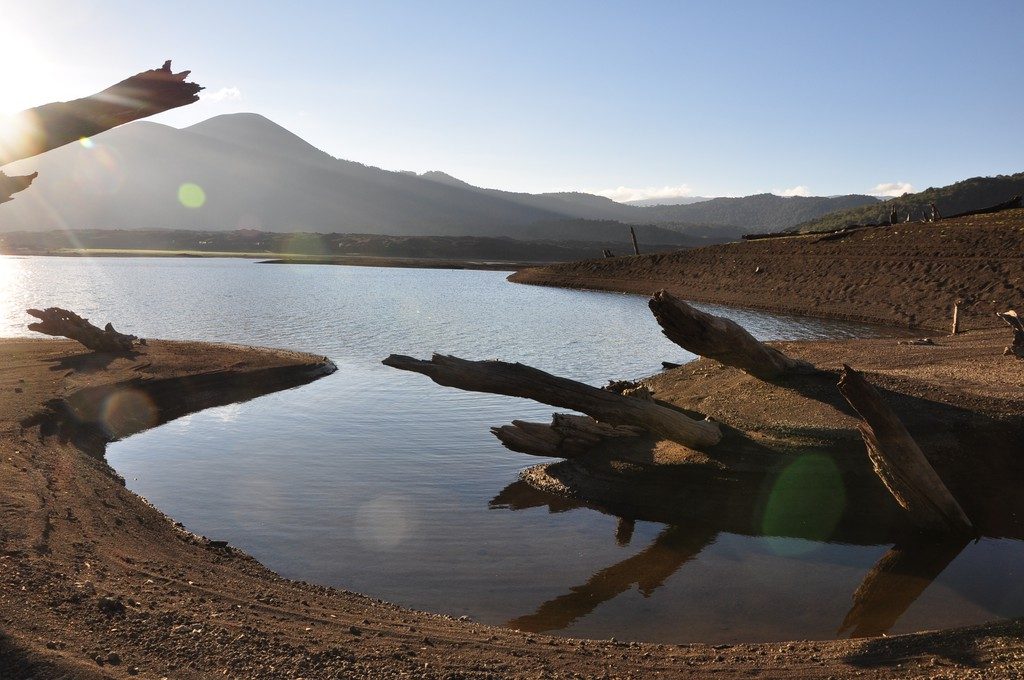
As Earth’s environment changes, it leaves behind clues used by scientists to paint portraits of the past: scorched timber, water-weathered shores, hardened lava flows. Chile’s Conguillío National Park is teeming with these kind of geologic artifacts; some are only a few years old while others have existed for more than 30 million years. The photographer Anita Di Chiara, a researcher at Lancaster U ...[Read More]
Light years from home – a geologist’s tale
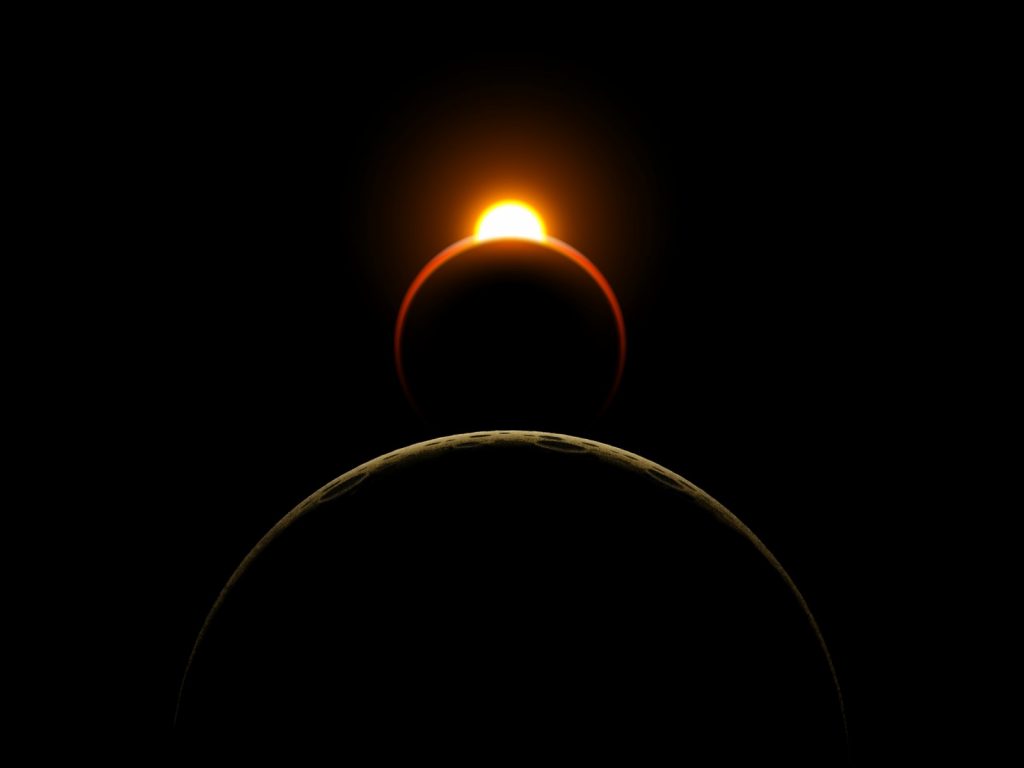
In a departure from the usual posts we feature on the blog, today Conor Purcell (a freelance science writer) brings you a thought provoking science fiction piece. Grab a drink and dive into this geology inspired adventure! “It’s typical geology for a rocky planet” K reported. “Captured beneath the ocean at its northern pole, the core is a mix of metamorphic and sedimentary rock, with sand an ...[Read More]
Life after geoscience
After spending 13 years (give or take) at school you are faced with a tough decision: what to study at University (if anything at all, the academic path may well not be for you)? You sift through a bunch of university prospectuses and try to plan your future. Of course, lots of things can change, prior to, during and after you finish your studies. Nevertheless, there is no harm in starting to plan ...[Read More]
GeoEd: Why fieldwork is essential to training the next generation of Geoscientists
Our latest GeoEd article is brought to you by Simon Jung, a lecturer and palaeoceanographer from the University of Edinburgh, who highlights what makes fieldwork a brilliant way to understand Earth processes… Studying geosciences involves training across a broad range of natural sciences. Only equipped with such background knowledge will students be able to grasp key concepts in the various ...[Read More]
For the love of rocks
We often have a way of seeing patterns in otherwise random features, and rock outcrops are no exception. Do you see the heart on its side? To the untrained eye an outcrop like this is simply a heart-shaped feature in an otherwise grey rock. But to the geologist, the layers, swirls, shapes and colours tell a story. The ribbons in the granite show that the rock has been subjected to sheer forces and ...[Read More]
GeoTalk: Matt Herod on awesome outreach and education
Matt Herod has long been part of the EGU Blog Network, where he writes about all things geochemistry from his base in the University of Ottawa. In this week’s GeoTalk, we had the chance to talk to Matt about all the other science communication activities he’s been up to – from mentoring kids in Canada to speaking science in schools… This year GeoSphere had its first birthday as part of the EGU Blo ...[Read More]
Geoscience under the tree
In a festive-themed post, EGU Media and Communications Manager Bárbara Ferreira selects a plethora of geoscience-inspired Christmas presents, which you could give to your favourite researcher. Please note that, with the exception of the last one, the items listed below are not necessarily recommended or endorsed by the EGU. For me Christmas is more about eating large amounts of food and celebratin ...[Read More]
GeoTalk: Simon Redfern on science communication
This week in GeoTalk, we’re talking to Simon Redfern, renowned scientist and science communicator and the man behind An Atom’s-Eye View of the Planet. What made you first step into science communication? That’s a difficult question for me to answer, since it is not a step that I have consciously recognised myself making. I suppose that I see science as having at least two sides. One is discovery… ...[Read More]