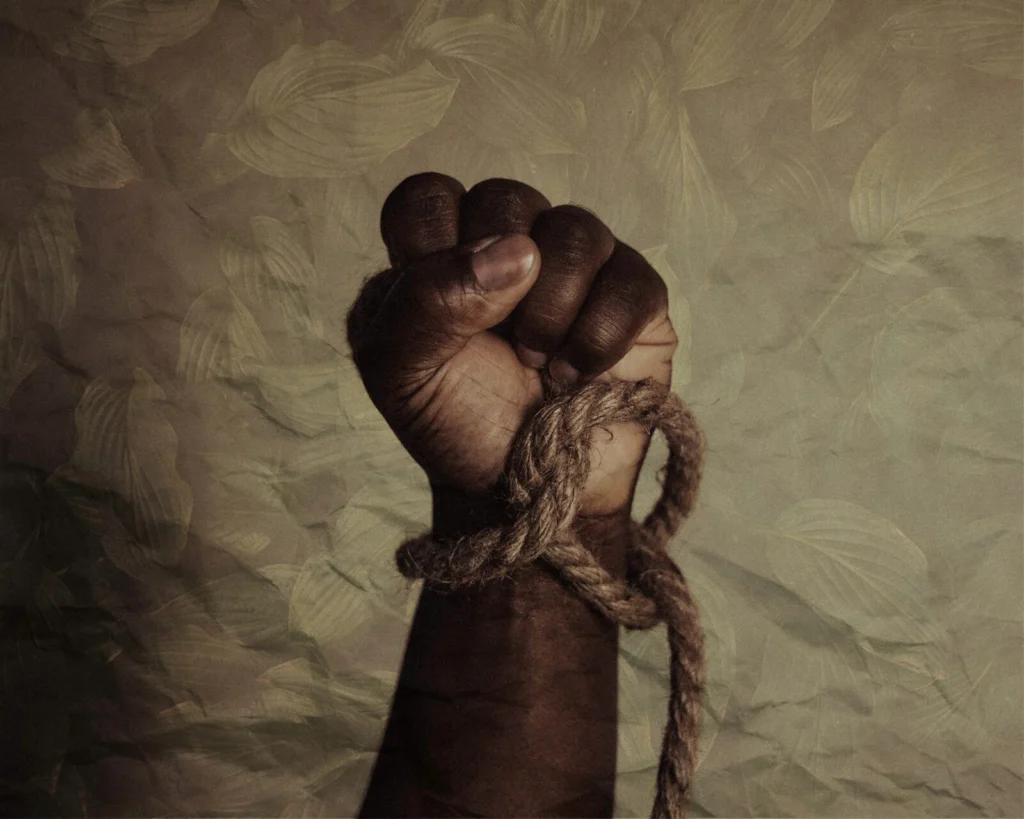
From 1525, when the first human trafficking ship departed Africa, to September 22, 1862, when the Emancipation Proclamation was issued, more than 300 years passed. This was enough time for the exploitation of humans and the earth to leave a permanent mark, one so profound it is now visible in the geological record. Not only did the age of chattel slavery during the Modern era shape the land and th ...[Read More]
geology
Sue the unconventional tyrant: 35 years of discovery, science, and icon status
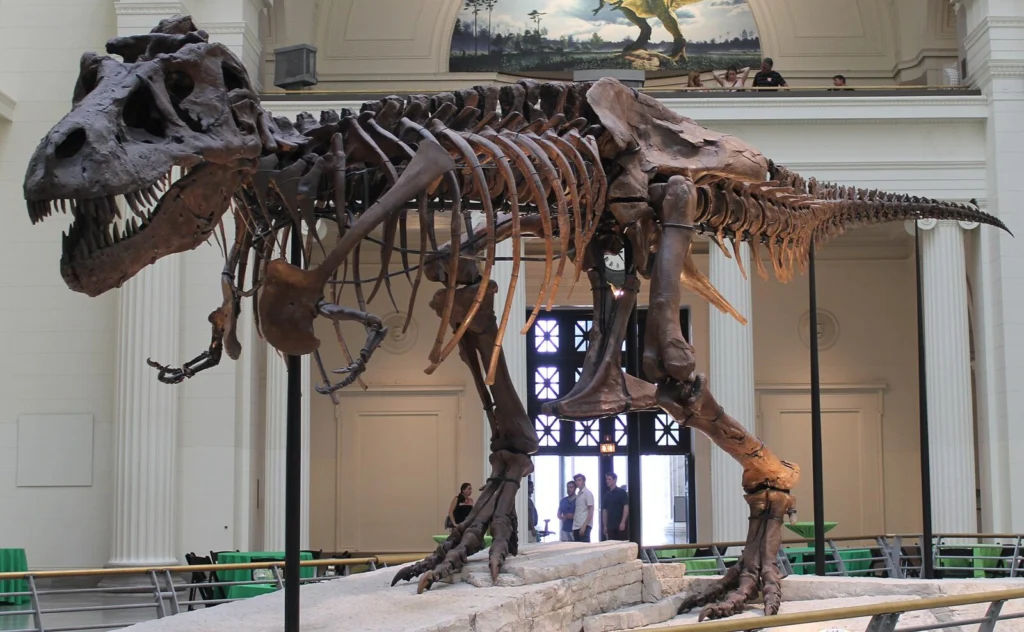
This year marks the 35th anniversary of a discovery that redefined our understanding of the Tyrannosaurus Rex and captivated the world. It’s a story of serendipity, fierce legal battles, groundbreaking science, and an unexpected journey into pop culture. Discovered in South Dakota in 1990 by fossil hunter Sue Hendrickson, Sue is not just any dinosaur skeleton; it is the largest and most complete T ...[Read More]
Sarakiniko: A unique geoheritage site under threat
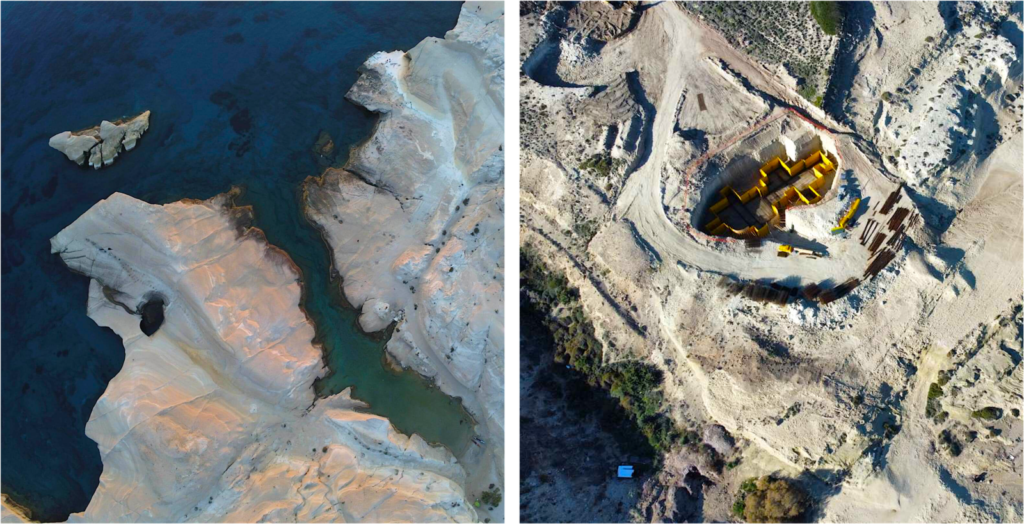
Sarakiniko, a stunning geological landmark on the aegean island of Milos, Greece, is under imminent threat. Known for its breath-taking white tuff formations built by the deposition of submarine volcanic eruptions and sculpted by wind and water over millions of years, this site serves as both a natural laboratory for geoscience and planetary research and a worldwide significant geoheritage site. H ...[Read More]
GeoTalk: meet Gino de Gelder, researcher of the link between tectonics, sea-level rise & coral reefs!
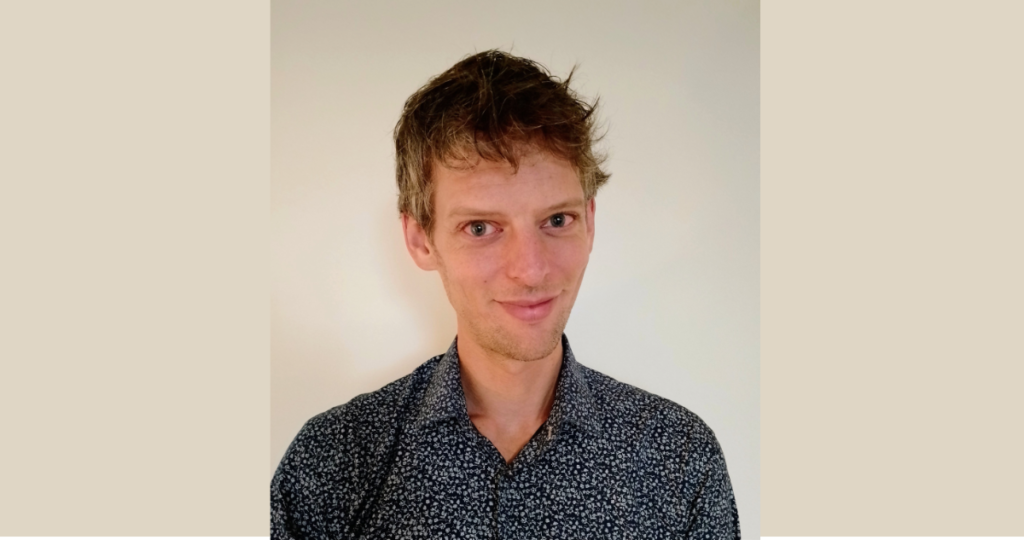
Hello Gino! Welcome to GeoTalk. Could you tell our readers a little bit about yourself and your background? Sure thing! My background is mostly in tectonics, geomorphology and the evolution of (active) fault systems, which I developed during my studies at Utrecht University and my PhD at the IPGP (Paris). Initially I focused on the way that coastlines record either uplift or subsidence in response ...[Read More]
The ancient art and science of mining: a look back at the 1500s
Sean Daly is a (now retired) Canadian mining geologist with 40+ years of experience, who has dedicated his career to understanding the close relationship between mining, geology and society. His recent book “From the Erzgebirge to Potosi: A History of Geology and Mining Since the 1500’s” traces the history of mining and geology from the 1500’s including the Renaissance, the Industrial ...[Read More]
GeoTalk: Inaugural Katia and Maurice Krafft Award winner, Rhian Meara talks about the EGU award nominations.
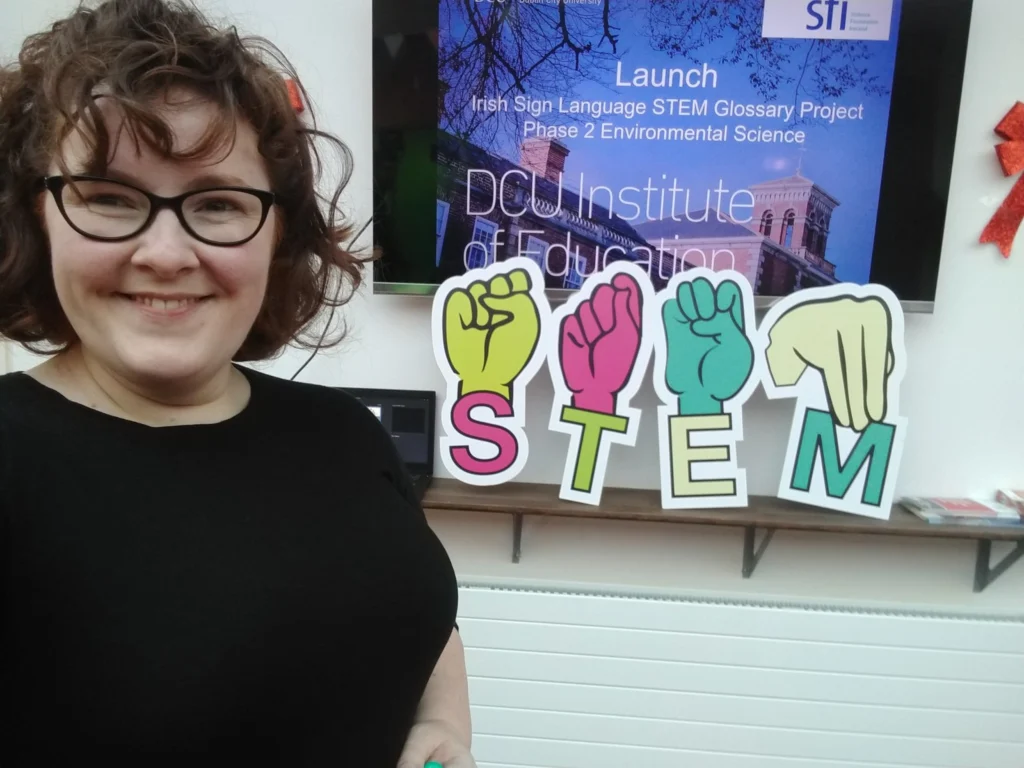
Hi Rhian, thanks for talking with us today about the EGU’s Award nominations, please start by introducing yourself! I’m a physical geography and geology lecturer at Swansea University, with a particular focus on teaching through the medium of Welsh. I have been awarded the Katia and Maurice Krafft Award for my work on the British Sign Language Glossary Project, with colleagues from the ...[Read More]
Discover geology with Lego!
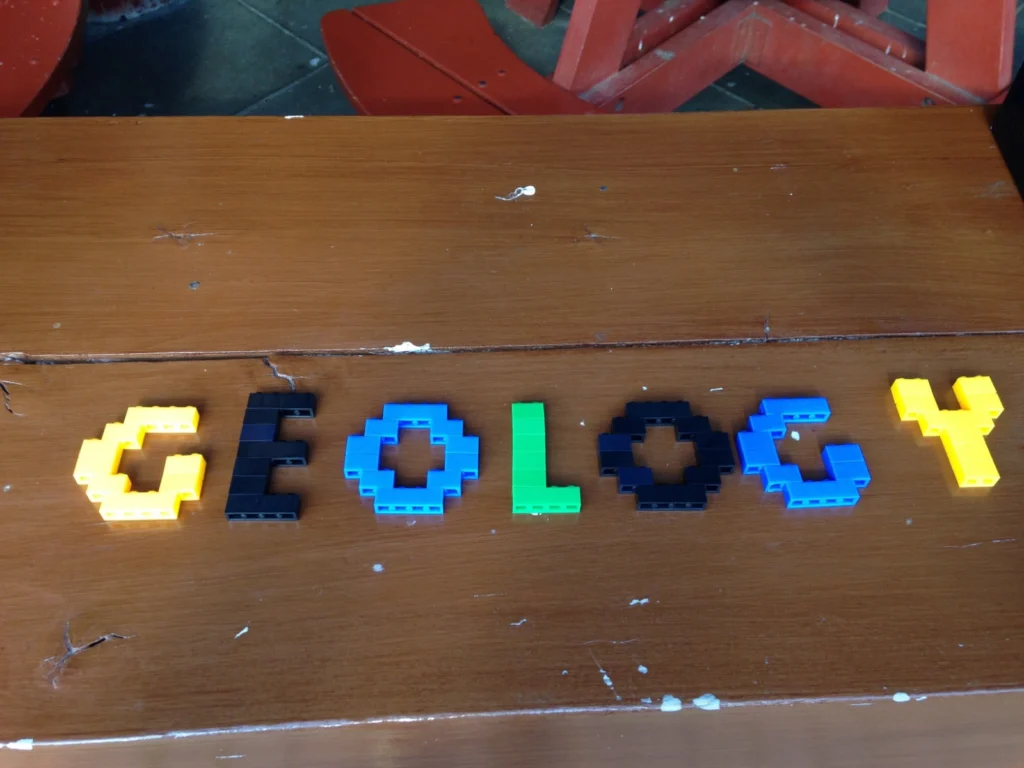
Science communication is becoming a widely recognized skill for both established and budding geoscientists alike. Outreach activities are beneficial in many ways, as they not only showcase science to the general public, but also give scientists the chance to develop transferable skills. If you’re in the market for a creative geoscience activity, one that especially appeals to a younger audience, l ...[Read More]
Living in a new Age
If you were suddenly told you were living in a different time period, what would your immediate reaction be? Changes in the calendar – even if it’s just terminology – have proven emotive in the past. In 1752, when England shifted from the Julian to Gregorian calendars, and 11 days were cut from 1752 to catch up, there are suggestions that civil unrest ensued. Once again, the name of the period in ...[Read More]
Imaggeo on Mondays: A Colombian myth with geologic origins
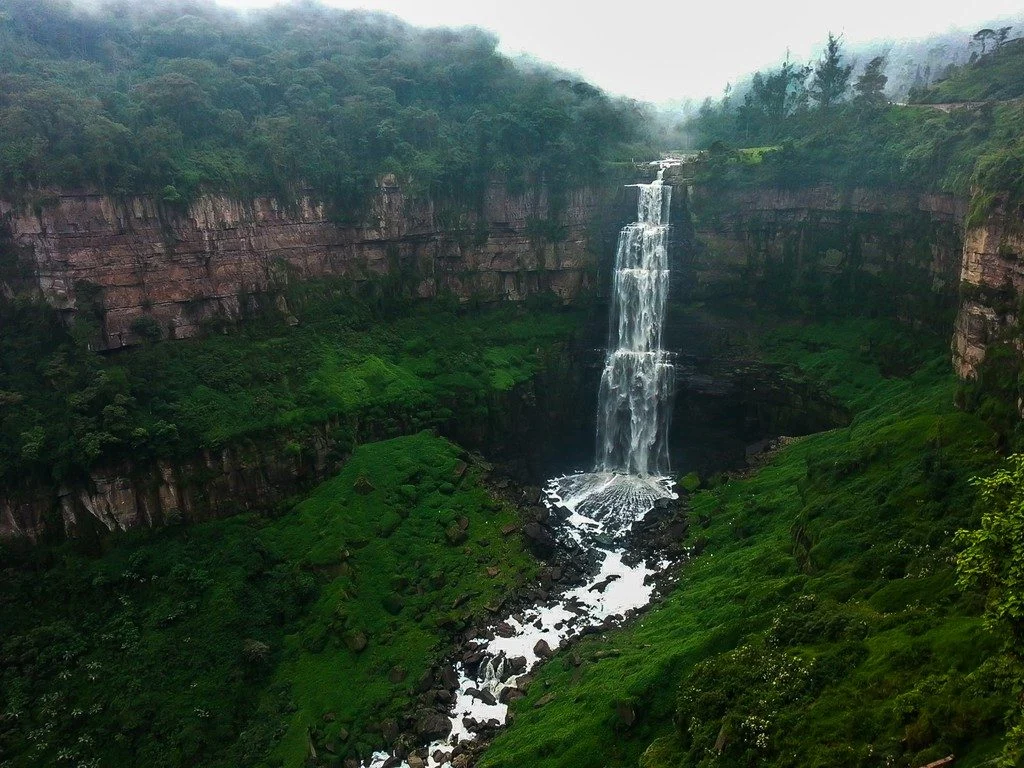
This photograph shows El salto del Tequendama, a natural waterfall of Colombia, located in the Department of Cundinamarca at an altitude of 2400 metres above sea level and approximately 30 kilometres southwest of the country’s capital, Bogotá. The Salto del Tequendama is a space of transit and connectivity between the warm lands of the Magdalena river basin and the cold lands of the Sumapaz ...[Read More]
Imaggeo on Mondays: Probing the Pliocene
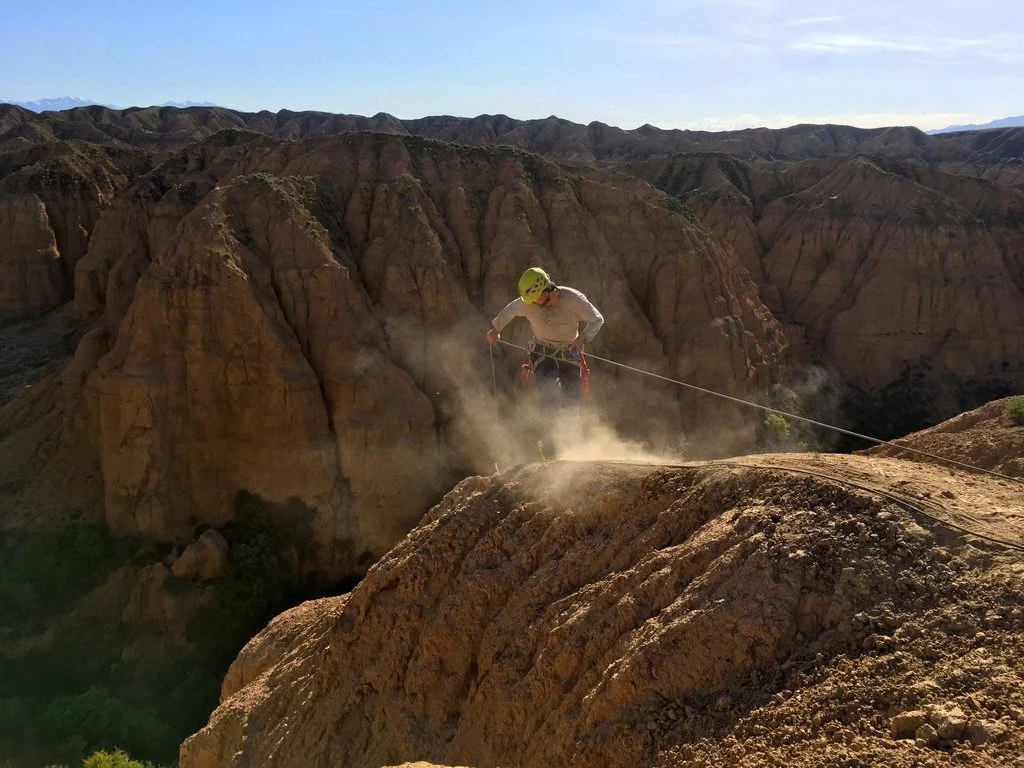
The heights we go to for science… This photograph shows a member of our team preparing to abseil down a cliff in the Charyn Canyon, in the Ili River basin of southeast Kazakhstan. The Charyn River and its tributaries, a branch of the Ili River north of the Tien Shan Mountains, have cut canyons up to 300 metres deep, carving through rocks of different geologic ages, some as old as 540 million years ...[Read More]