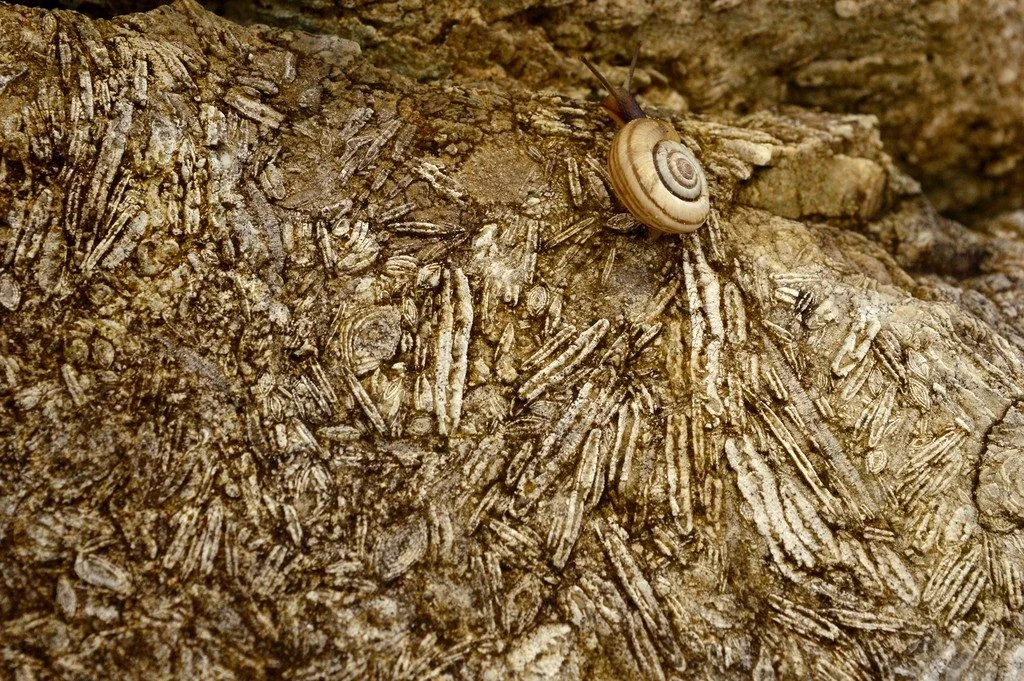
This photograph depicts a close-up of Eocene limestones from the Sardinero Formation in Cantabria (Northern Spain). The limestone is rich with foraminifera shells, most of them from the Nummulitidae family. These organisms once lived in a very shallow sea that separated Europe from Iberia in the late Mesozoic and early Cenozoic era. Later the sea …[Read More]
EGU
Open Positions on the EGU Education and Outreach Committees
Do you have experience in science education or outreach? Are you looking to get more involved with the EGU community? The EGU Committee on Education and the EGU Outreach Committee are both searching for members interested in promoting the geosciences as well as engaging with the groups inside and outside the science community. The Committee …[Read More]
February GeoRoundUp: the best of the Earth sciences from across the web
Drawing inspiration from popular stories on our social media channels, as well as unique and quirky research news, this monthly column aims to bring you the best of the Earth and planetary sciences from around the web. Major stories The biggest story in Europe right now is the bone-chilling cold snap sweeping across the continent. …[Read More]
Imaggeo on Mondays: Winter threatens to freeze over fieldwork
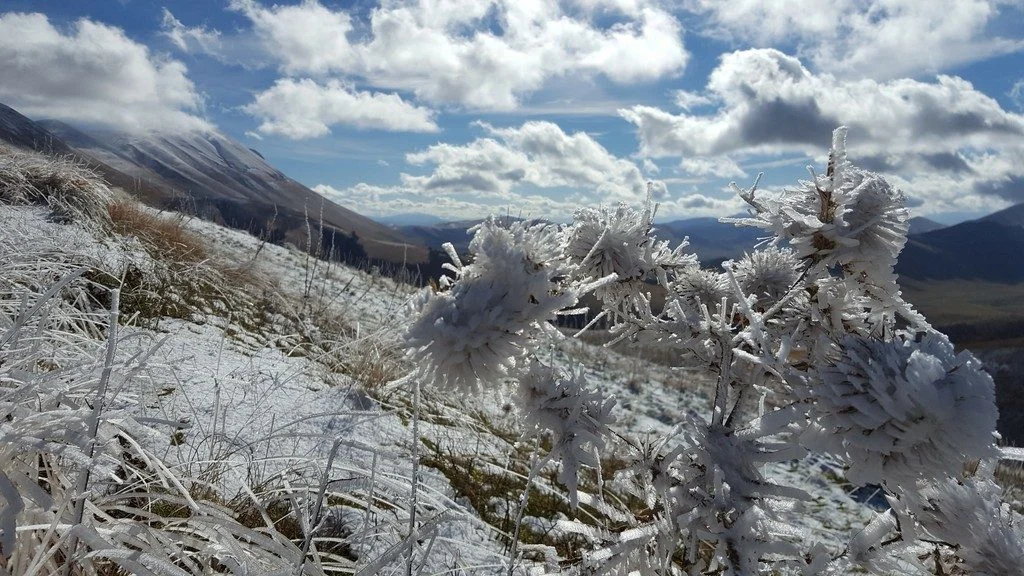
This photo was taken during a fieldwork campaign following the mainshock of the deadly seismic sequence that struck central Italy starting from 24 August 2016. The magnitude 6.2 earthquake severely damaged nearby towns, claimed more than 290 lives and injured nearly 400 people in its wake. As a geologist from the National Institute of Geophysics …[Read More]
Imaggeo on Mondays: The birth of a new ocean
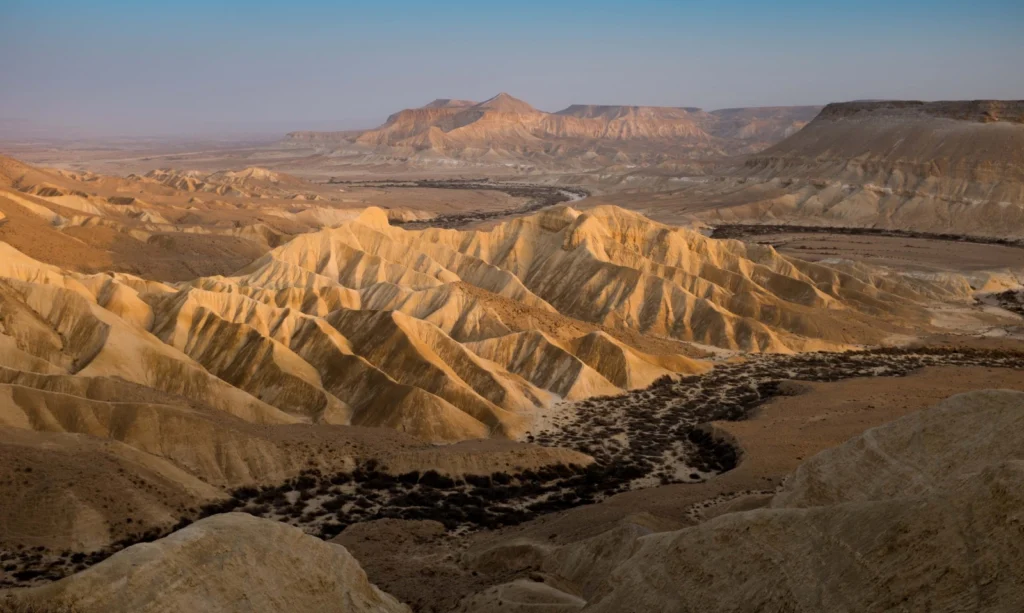
This is a photograph of Zin (or Tzin) Valley, taken from Midreshet Ben Gurion at Sede Boker, Negev Desert in Israel. The Zin Valley takes its name from the River Zin, which is now a dry river except for a few days of the year when heavy rainfall can form dangerous flash floods. The River Zin …[Read More]
Imaggeo on Mondays: Tasman Lake Down Under
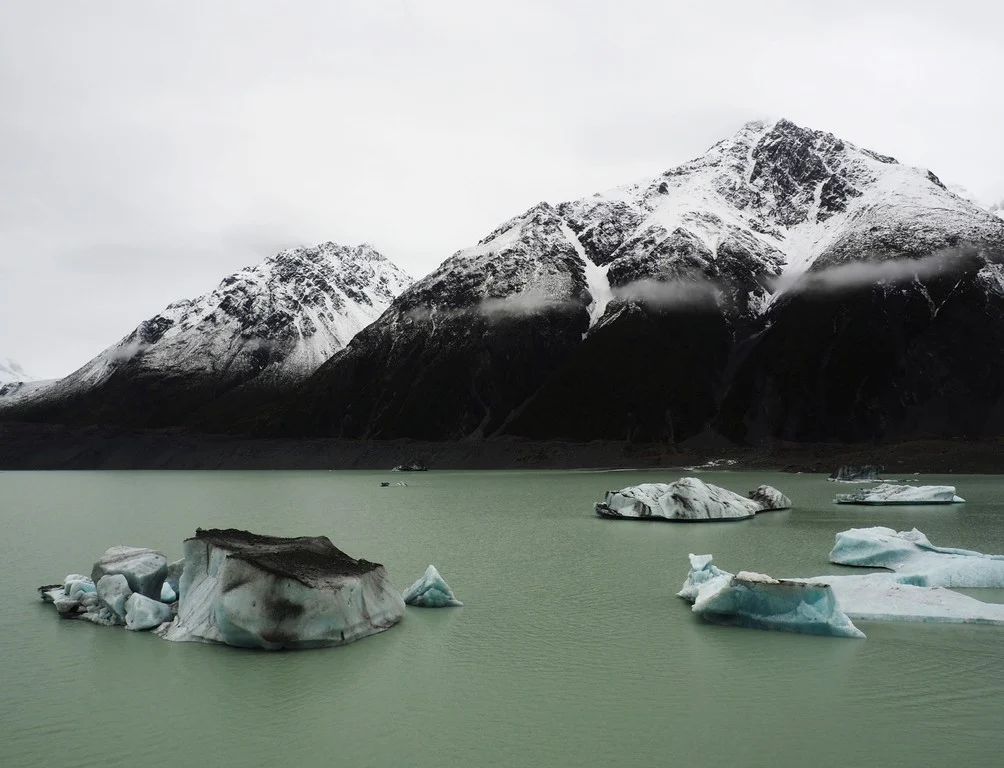
The Tasman Glacier Terminal Lake, seen in this photograph, lies in the Aoraki Mount Cook National Park in New Zealand’s south island. The photographer, Martina Ulvrova, stated she “finally got to see the largest glacier in New Zealand after several days of heavy rain, during which the landscape was bathing in mist”. The Tasman Glacier is 23 km long and is …[Read More]
January GeoRoundup: the best of the Earth sciences from across the web
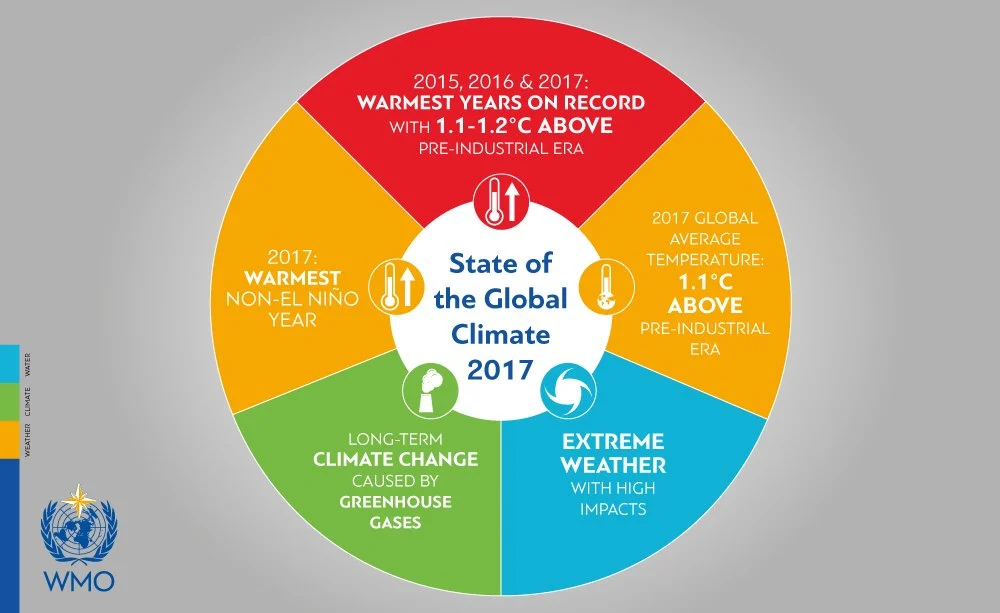
Drawing inspiration from popular stories on our social media channels, as well as unique and quirky research news, this monthly column aims to bring you the best of the Earth and planetary sciences from around the web. Major stories The World Meteorological Organization (WMO) has confirmed that 2017 is among the three warmest years on …[Read More]
GeoTalk: Eleanor Frajka-Williams, the 2017 Ocean Sciences Division Outstanding Early Career Scientists Awardee
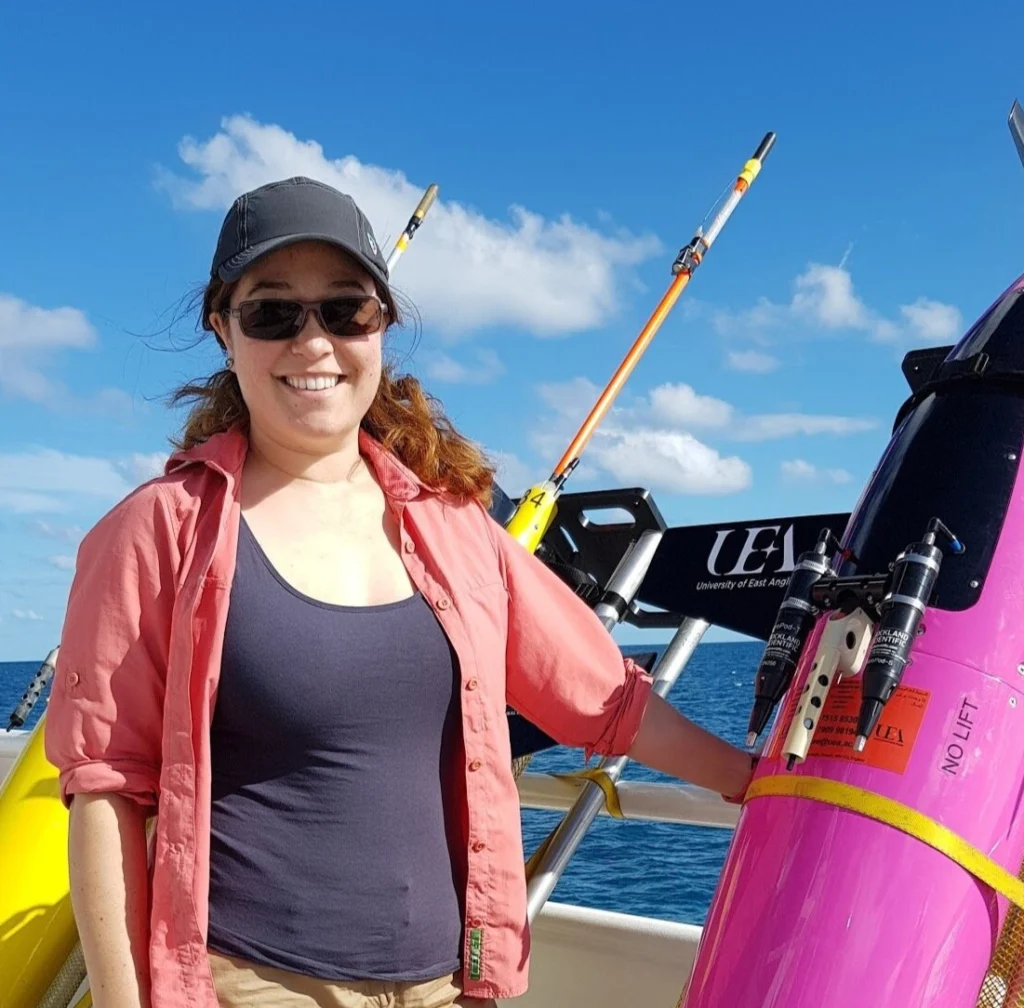
Geotalk is a regular feature highlighting early career researchers and their work. Following the EGU General Assembly, we spoke to Eleanor Frajka-Williams, the 2017 Ocean Sciences Division Outstanding Early Career Scientists awardee. In her work, Eleanor uses real-world measurements – from ships, satellites, sea gliders and moorings – to understand how the world’s oceans work. …[Read More]
GeoPolicy: Reaching out on Twitter – casually engage with policymakers!
Reaching out to policymakers and sharing your research with them can seem like a daunting task! While there are many formal outlets for engaging with policymakers (such as completing questionnaires, contributing to workshops and participating in paring schemes), there are also more casual methods that can be done sporadically and with less effort. One example …[Read More]
GeoPolicy: The importance of scientific foresight
Many of the issues that society currently faces are complex and research on just one angle or area does not provide sufficient information to address the problem. These challenges are compounded when more than one region (or even the entire planet) is impacted. Many of the decisions and legislations passed by governments today will go …[Read More]