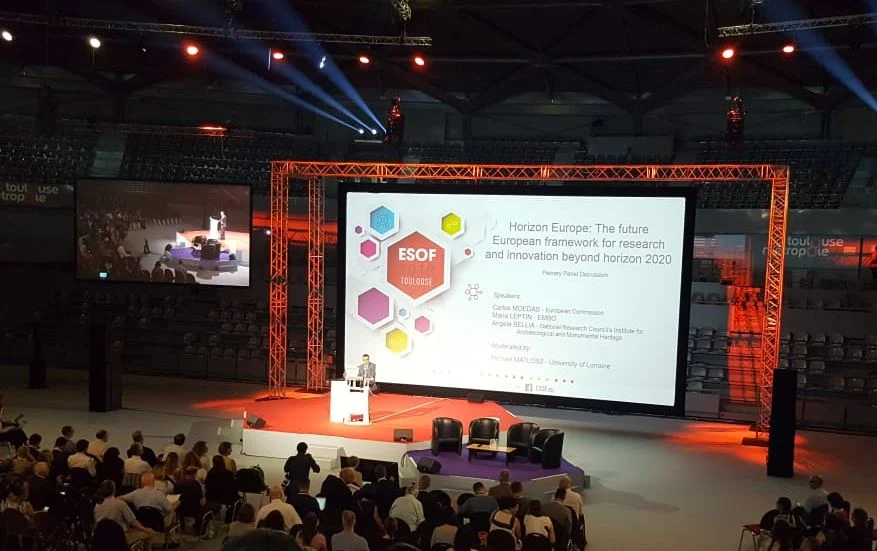
The EuroScience Open Forum (ESOF), the largest interdisciplinary science meeting in Europe, was held earlier this month in Toulouse, France and attracted scientists and policymakers from across the globe. Held every second year, ESOF provides an interface between science, policy and society. This year was my first ESOF. I attended as the EGU Policy Officer …[Read More]
early career researchers
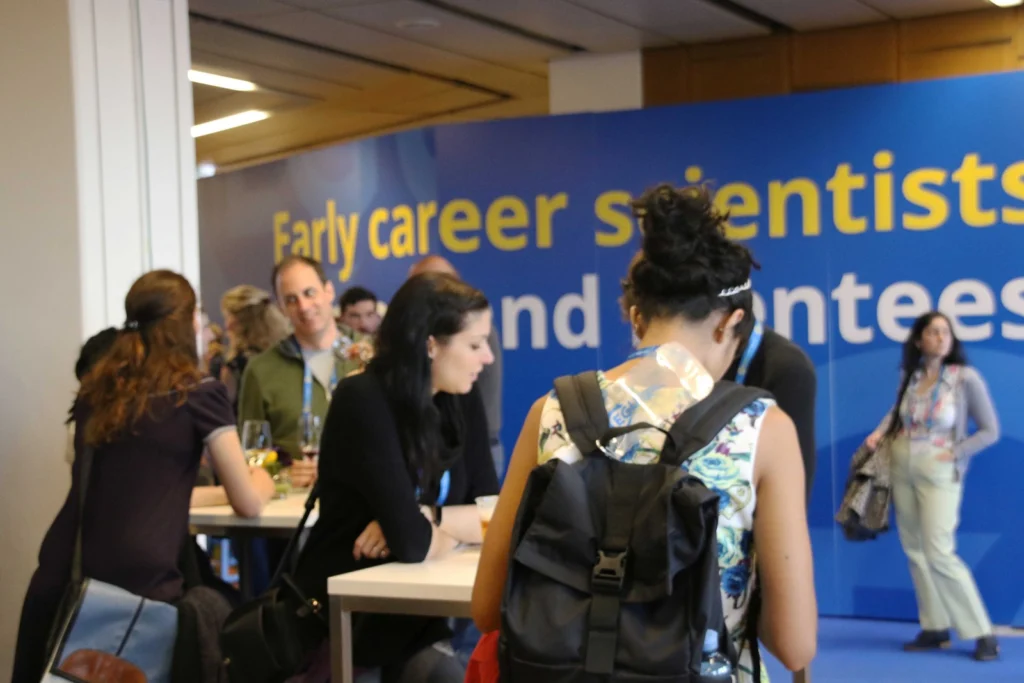
Give us the foundation to build our transferrable skills!
The EGU Early Career Scientists’ (ECS) Great Debates offer early career scientists at the EGU General Assembly the chance to network and voice their opinions on important topics in the format of round-table discussions. At the end of the debate, each table delivers a statement that summarises the discussion and recommendations. By publishing the results, …[Read More]
GeoTalk: A new view on how ocean currents move
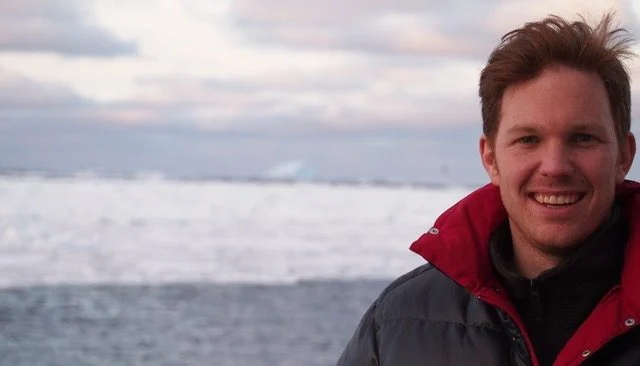
Geotalk is a regular feature highlighting early career researchers and their work. In this interview we speak to Jan Zika, an oceanographer at the University of New South Wales in Sydney, Australia. This year he was recognized for his contributions to ocean dynamics research as the winner of the 2018 Ocean Sciences Division Outstanding Early …[Read More]
Treat that brilliant early career scientist to an EGU award nomination
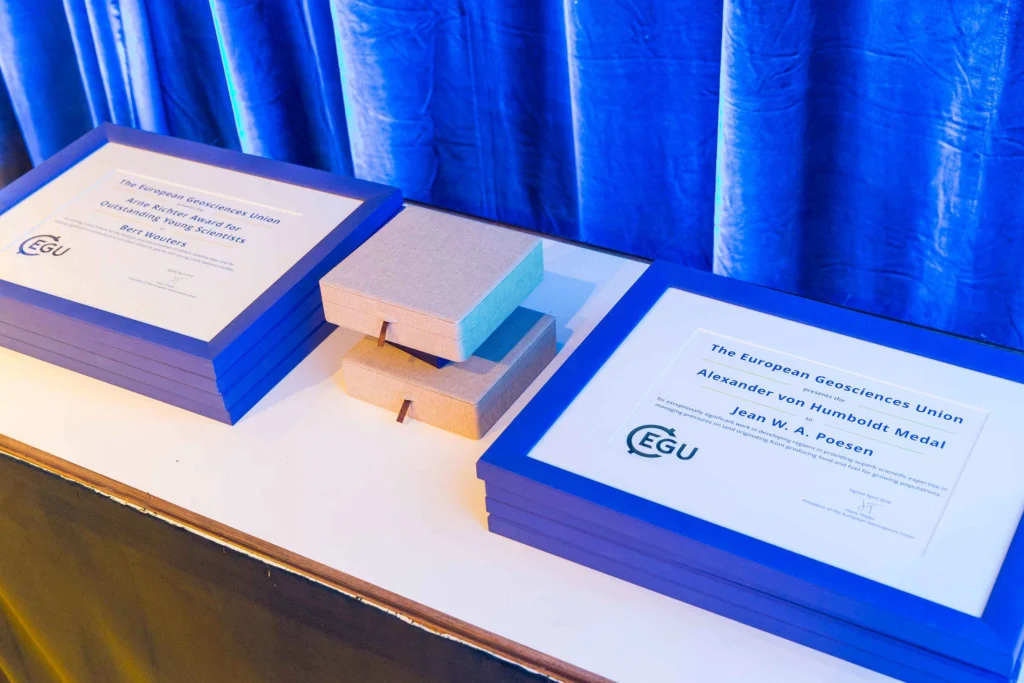
As a colleague or proud supervisor of postgraduate students and post-docs, there is a simple thing you can do to congratulate them on their excellence and research: nominate them for the one of the European Geosciences Union’s awards for outstanding early career scientists. The deadline is 15 June 2018, so now is the time to act. Putting early career …[Read More]
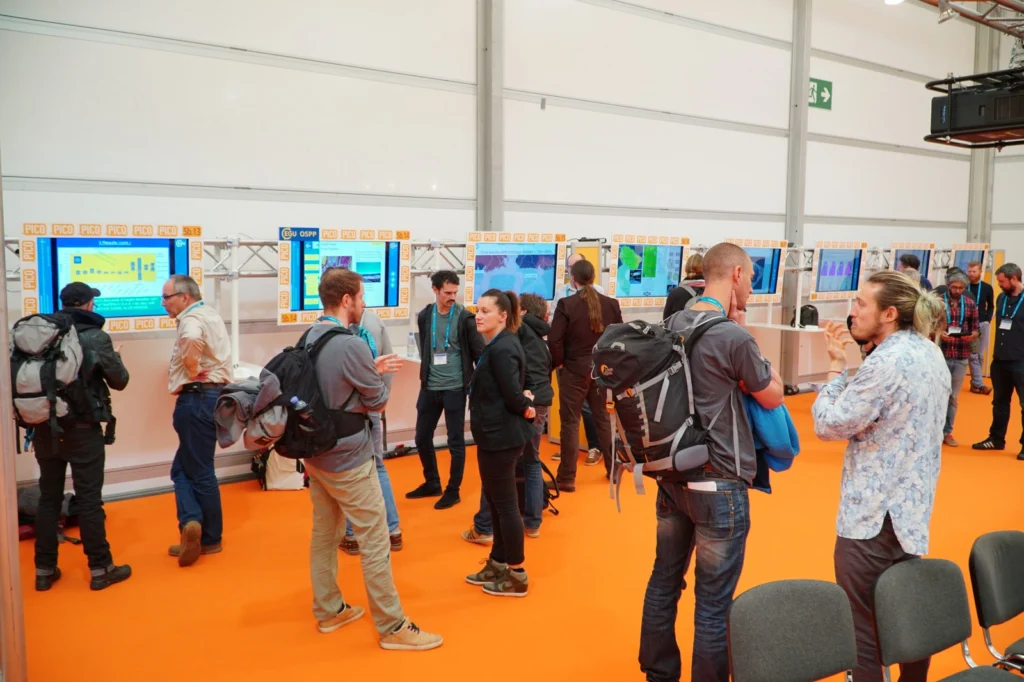
Making a poster or PICO presentation: top tips from the Outstanding Student Poster and PICO (OSPP) Award judges
Every year at the General Assembly hundreds of students present their research at the conference with a lot of time and effort going into preparing these presentations. With the aim to further improve the overall quality of poster presentations and more importantly, to encourage early career scientists to present their work in the form of …[Read More]
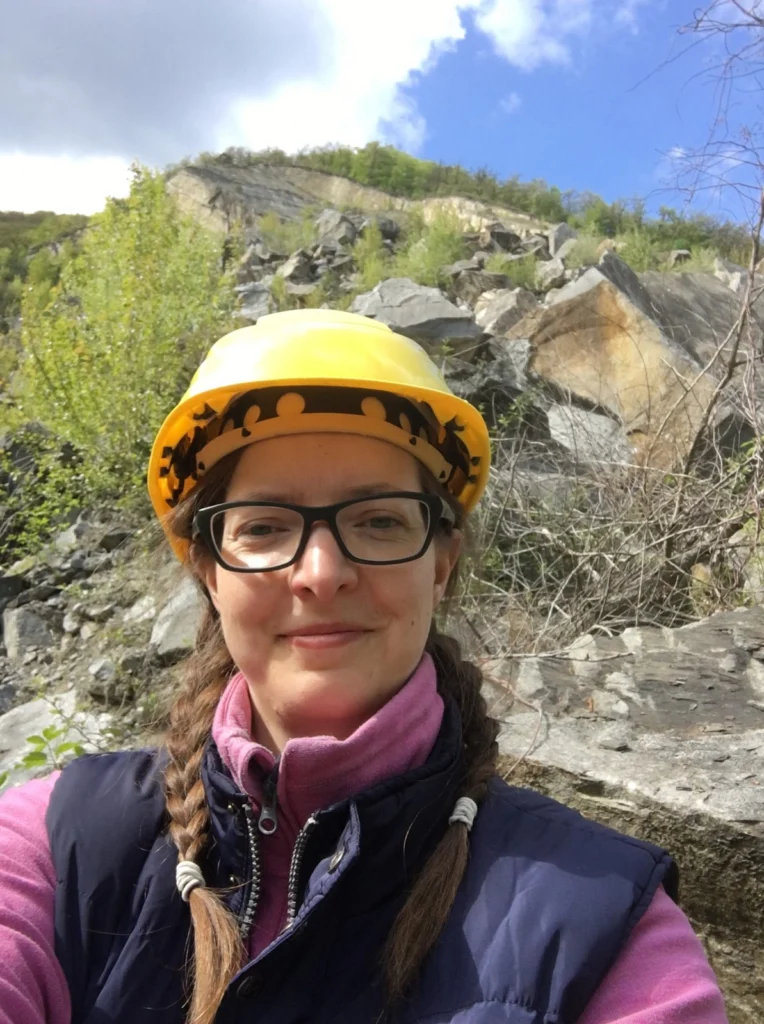
GeoTalk: Stephanie Zihms, Early Career Scientist Representative
In addition to the usual GeoTalk interviews, where we highlight the work and achievements of early career researchers, this month we’ll also introduce one of the Division early career scientist representatives (ECS). They are responsible for ensuring that the voice of EGU ECS membership is heard. From organising short courses during the General Assembly, through …[Read More]
Migrating scientists
Scientific research is no doubt enriched by interdisciplinarity and collaborations which cross borders. This, combined with the scarcity of academic positions and the need to further ones horizons by experiencing varied research environments, leads many scientists to relocate (if only on a short term basis) to a country which is not their own. In today’s …[Read More]
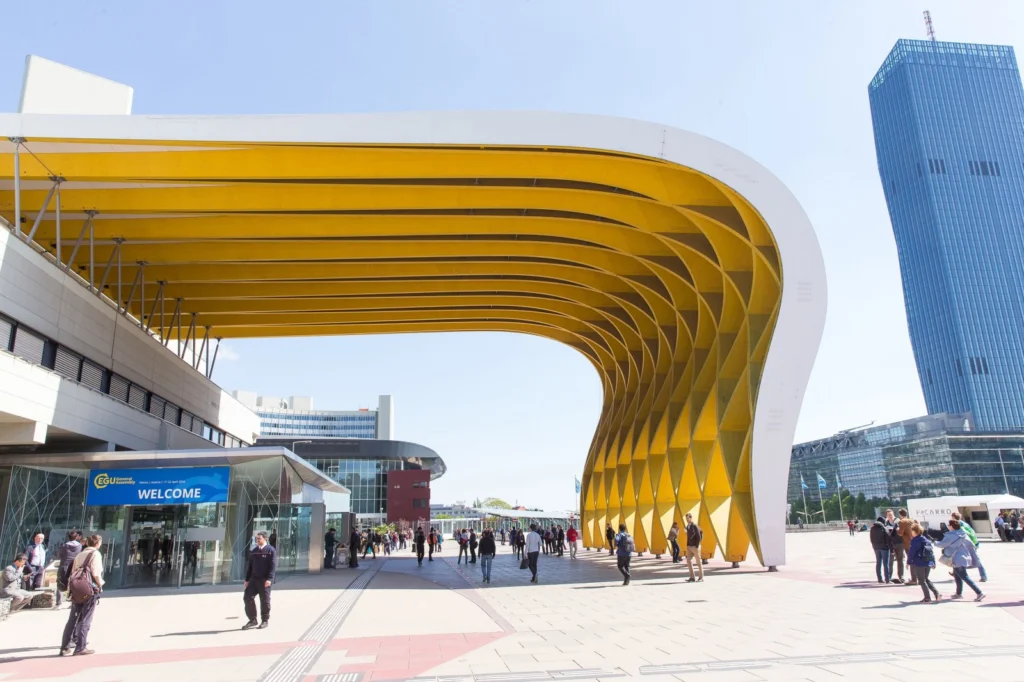
EGU 2018: How to make the most of your time at the General Assembly without breaking the bank
Attending a conference is not cheap, even if you’ve been lucky enough to secure some funds to help with travel, accommodation and/or registration costs. However, with a little insider knowledge from those who’ve attended the General Assembly many times before, it is possible to have a (scientifically) rewarding week in Vienna, without breaking the bank. …[Read More]
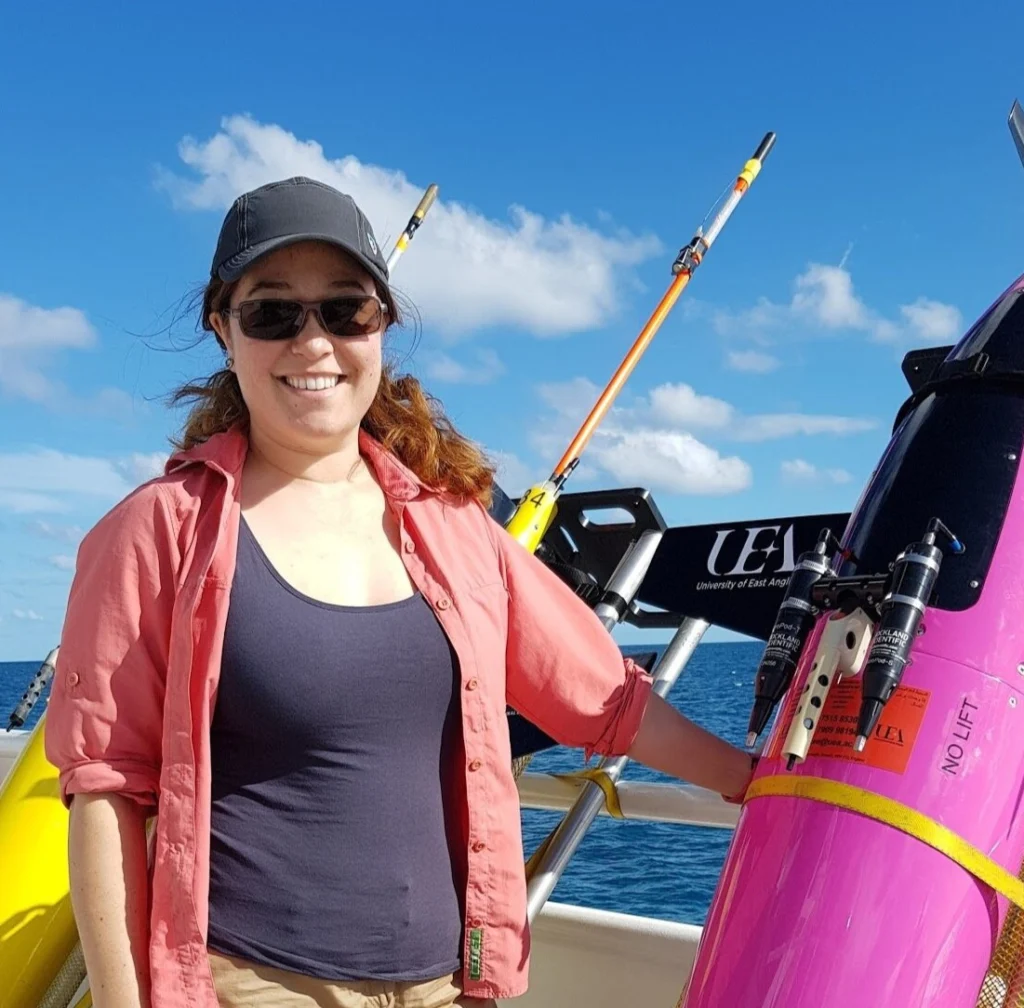
GeoTalk: Eleanor Frajka-Williams, the 2017 Ocean Sciences Division Outstanding Early Career Scientists Awardee
Geotalk is a regular feature highlighting early career researchers and their work. Following the EGU General Assembly, we spoke to Eleanor Frajka-Williams, the 2017 Ocean Sciences Division Outstanding Early Career Scientists awardee. In her work, Eleanor uses real-world measurements – from ships, satellites, sea gliders and moorings – to understand how the world’s oceans work. …[Read More]
Geopolicy: How does scientific uncertainty translate into policy?
Scientific uncertainty is one of the only things in science that is certain. It’s found in complex modelling systems, in the unpredictability of natural processes and even when there seems to be scientific consensus, a new scientific discovery can recreate ambiguity. But how do policymakers deal with scientific uncertainty when they are making decisions? Policymakers …[Read More]