GeoLog

early career researchers

I want you to stop being an early career scientist
I want you to stop being an early career scientist

In this guest post Roelof Rietbroek, EGU’s Union-wide Early Career Scientist Representative (2017-2018), speaks about the importance of reseachers getting involved with the Union’s early career activities to really reap the benefits of being part of the network. With over half of the participants of EGU’s general assembly qualifying as an Early Career Scientist (ECS), …[Read More]

GeoPolicy: Reaching out on Twitter – casually engage with policymakers!

GeoPolicy: Reaching out on Twitter – casually engage with policymakers!

Reaching out to policymakers and sharing your research with them can seem like a daunting task! While there are many formal outlets for engaging with policymakers (such as completing questionnaires, contributing to workshops and participating in paring schemes), there are also more casual methods that can be done sporadically and with less effort. One example …[Read More]

GeoTalk: Maribel García-Ibáñez, Early Career Scientist Representative

GeoTalk: Maribel García-Ibáñez, Early Career Scientist Representative

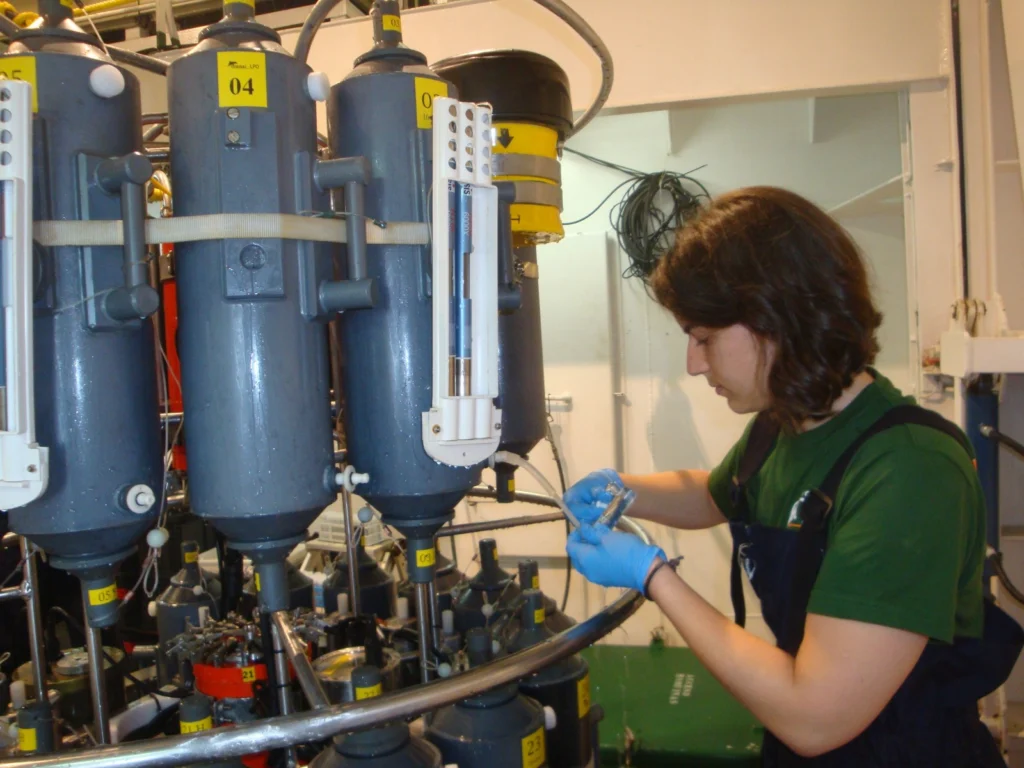
In addition to the usual GeoTalk interviews, were we highlight the work and achievements of early career researchers, this month we’ll also introduce one of the (outgoing) Division early career scientist representatives (ECS). The representatives are responsible for ensuring that the voice of EGU ECS membership is heard. From organising short courses during the General …[Read More]

A first-timer’s guide to the 2018 General Assembly

A first-timer’s guide to the 2018 General Assembly

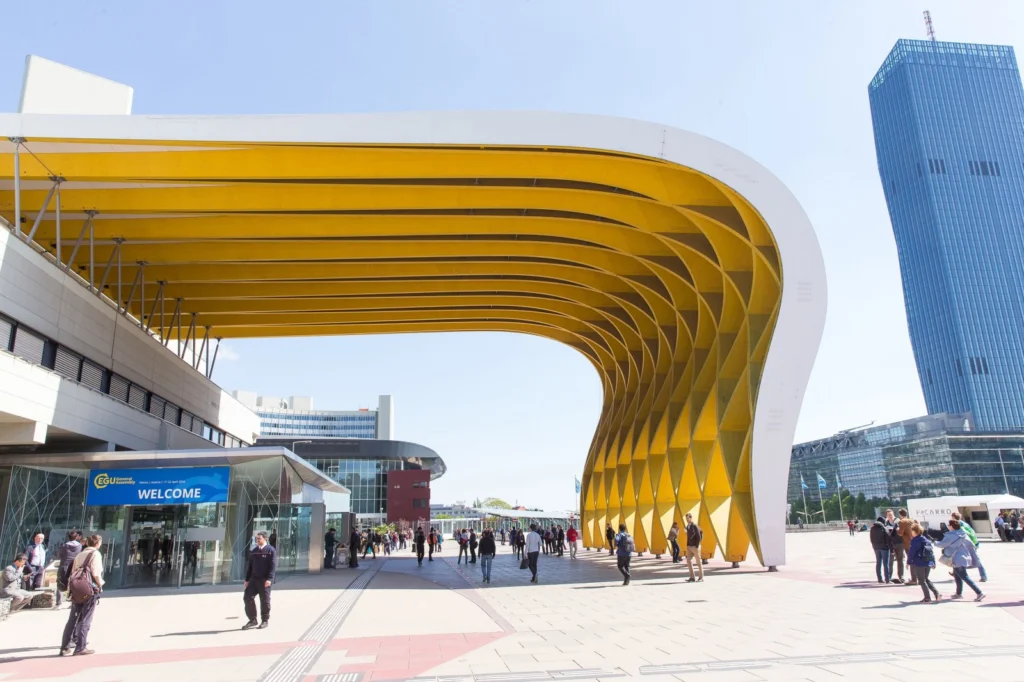
Will this be your first time at an EGU General Assembly? With almost 14,500 participants in a massive venue, the conference can be a confusing and, at times, overwhelming place. To help you find your way, we have compiled an introductory handbook filled with history, presentation pointers, travel tips and a few facts about Vienna …[Read More]

Mentoring programme at EGU 2018

Mentoring programme at EGU 2018

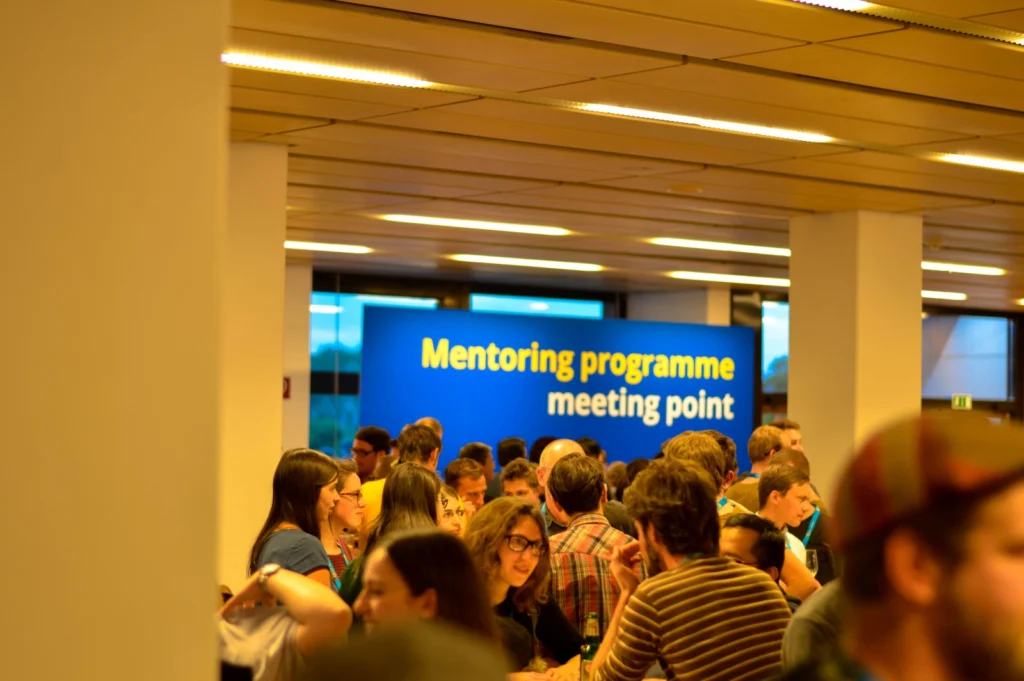
With over 14,000 participants, 4,849 oral presentations and over 11,000 posters, all under one roof, the General Assembly can be an overwhelming experience.  There is a warren of corridors to navigate, as well as a wide range of workshops, splinter and townhall meetings to choose from. With that in mind, we’ve put in place some …[Read More]

Five top tips to apply for small grants

Five top tips to apply for small grants

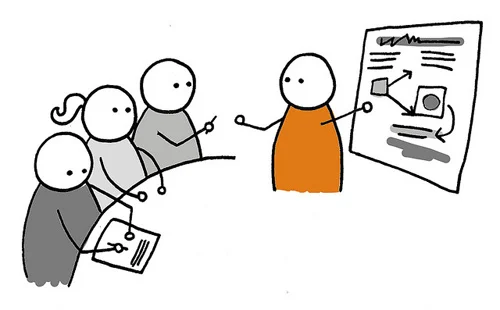
Stephanie Zihms, the ECS Representative for the EMRP Division (and incoming Union Level Representative) has applied for a range of small scale grants (<£15,000, ca. 16,965€). At this year’s General Assembly, she was one of two speakers at the ‘How to write a research grant’ short course, where she shared  insights from her successes and …[Read More]

GeoTalk: Meet the EGU’s President, Jonathan Bamber

GeoTalk: Meet the EGU’s President, Jonathan Bamber

GeoTalk interviews usually feature the work of early career researchers, but this month we deviate from the standard format to speak to Jonathan Bamber, the EGU’s President. Jonathan has a long-standing involvement with the Union, stretching back almost 20 years. Following a year as vice-president, Jonathan was appointed President at this year’s General Assembly in …[Read More]

New Dimensions for Natural Hazards in Asia: the first AOGS–EGU Joint Conference

New Dimensions for Natural Hazards in Asia: the first AOGS–EGU Joint Conference

Asia is one of the most natural disaster-prone regions on the globe. Overpopulation and limited resources mean that natural hazards hit local populations particularly hard. “It doesn’t matter which index or evaluation method you use, Asia will always unfortunately come out on top when it comes to fatalities and damage from natural hazard events,” explains Dr. Adam Switzer, a member …[Read More]

GeoPolicy: What are science-policy placements and are they for you?

GeoPolicy: What are science-policy placements and are they for you?

This month’s GeoPolicy blog will examine science-policy internships, fellowships, secondments and pairing-schemes in closer detail – highlighting the reasons for undertaking a placement and interviewing Dr Michelle Cain, an EGU member who participated in NERC’s Policy Placement Fellowship Scheme Science-policy placements provide scientists with the opportunity to use their knowledge within a policy-orientated organisation. This could include working …[Read More]