Detail of a photo: Maze of layered canyon walls and buttes in bands of red, cream and grey, receding into the distance in soft evening light.
GeoLog

GeoLog

Imaggeo On Monday: Scale model of Doñana marshes
Imaggeo On Monday: Scale model of Doñana marshes

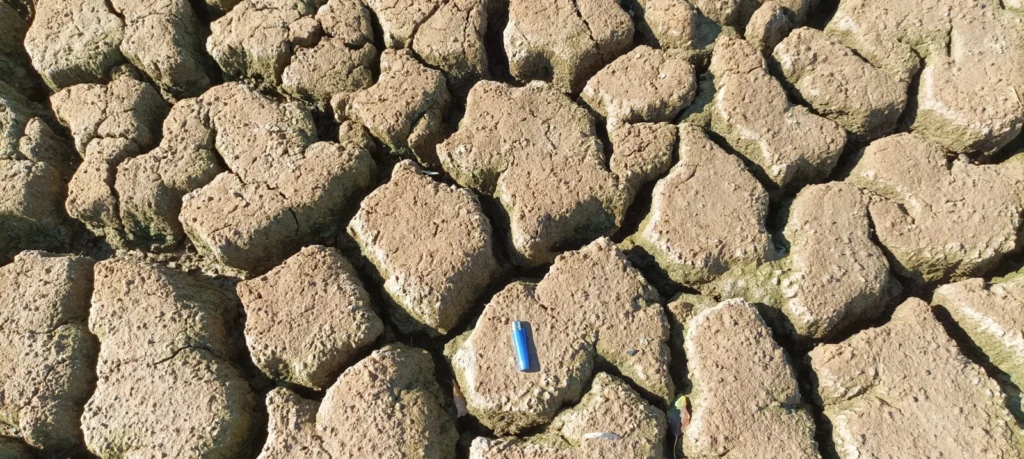
First, in English: Bottom of a dry lagoon in the Cañada de Los Pájaros (Birds Dale) in the surroundings of the Doñana National Park (Huelva, SW Spain). After an exceptionally long, hot, and dry summer, the area’s lagoon system has dried up. The bottom, clayey and silty, contracts to form a network of columnar aggregates …[Read More]

Top 5 Gifts for Geoscientists (2022 edition!)

Top 5 Gifts for Geoscientists (2022 edition!)

The nights are growing darker as winter approaches here in the Northern Hemisphere, and if you are in Europe you are probably thinking about what gifts to get that special geoscientist in your life! We know sourcing appropriately nerdy and/or geology related gifts can sometimes be a challenge, so once again we in the EGU …[Read More]

GeoRoundup: the highlights of EGU Journals published during November!

GeoRoundup: the highlights of EGU Journals published during November!

Each month we feature specific Divisions of EGU and during the monthly GeoRoundup we put the journals that publish science from those Divisions at the top of the Highlights roundup. For November, the Divisions we are featuring are: Earth Magnetism & Rock Physics (EMRP), Geodynamics (GD) and Tectonics and Structural Geology (TS). They are served by the …[Read More]

Imaggeo On Monday: S-C mylonite in the Calamita Schists (Island of Elba, Italy)

Imaggeo On Monday: S-C mylonite in the Calamita Schists (Island of Elba, Italy)

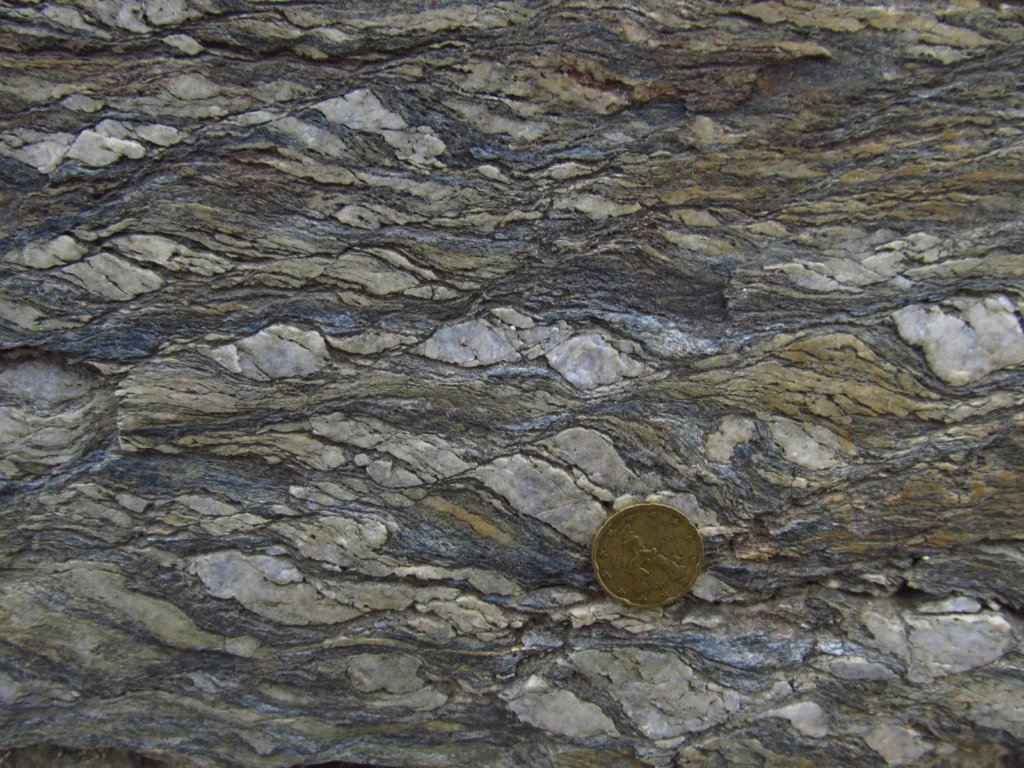
S-C mylonites developed in andalusite-cordierite micaschist (Calamita Schists) in the contact aureole of the Porto Azzurro pluton. The white layers are made of quartz, while the brown layers consist predominantly of white mica and biotite. Top-to-left (East) sense of shear. Read more: Papeschi et al (2017). Heterogeneous brittle-ductile deformation at shallow crustal levels under high …[Read More]

A Pedagogical Dance: EGU’s Teacher-Scientist Pairing Scheme

A Pedagogical Dance: EGU’s Teacher-Scientist Pairing Scheme

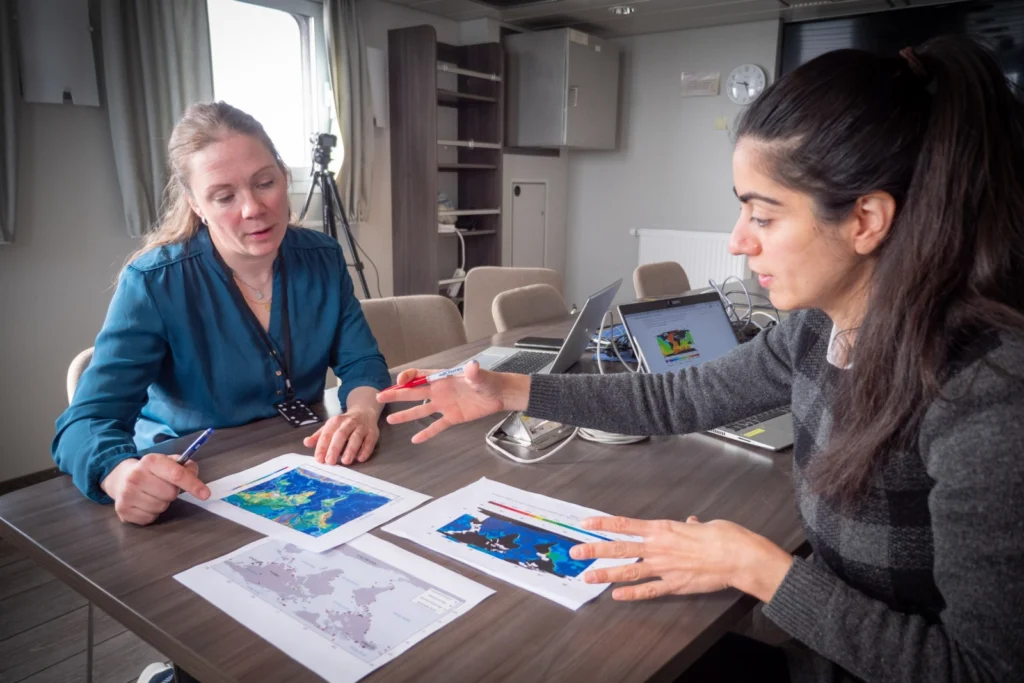
An email from Giuliana Panieri, a geology professor at the Arctic University of Norway (UiT) in Tromsø, cracked my pandemic bubble late last year. She invited me to join an unconventional expedition (AKMA OceanSenses) to the Arctic Ocean, where scientists worked hand-in-hand with other societal actors, to integrate different kinds of knowledge and create tools …[Read More]

Sustainable Energy Geoscientist reflects on UN’s COP27

Sustainable Energy Geoscientist reflects on UN’s COP27

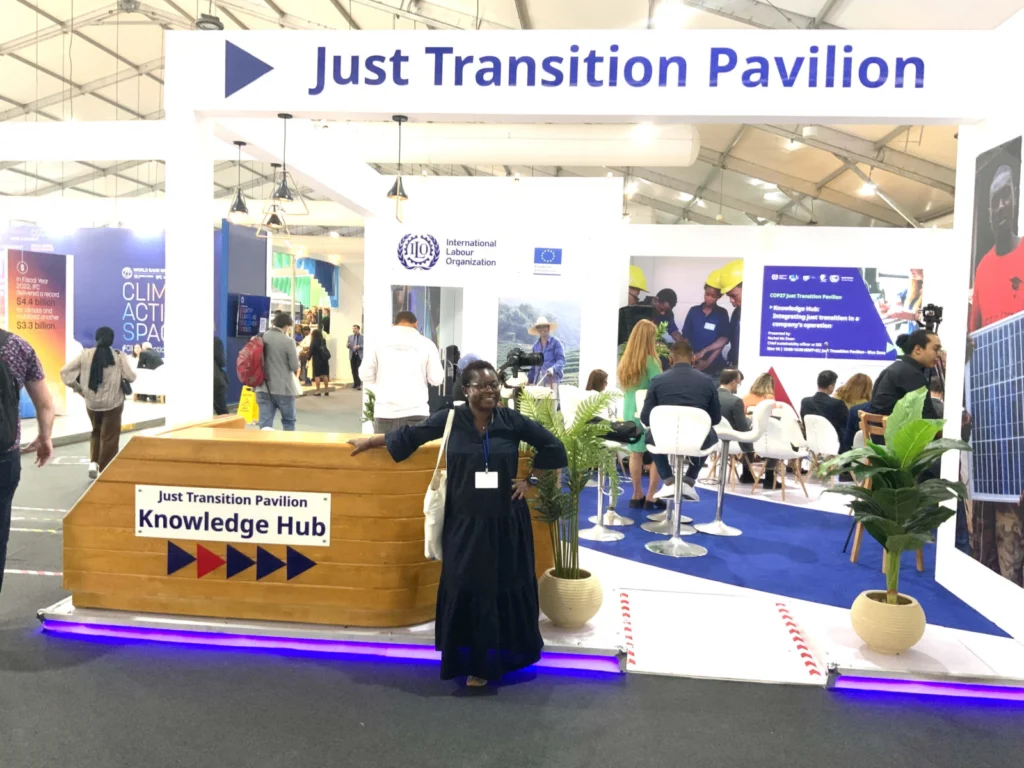
This year, from 6 to 20 November, the United Nation’s COP27 took place in Sharm el-Sheikh in Egypt. The conference hosted several high-level and side events, key negotiations and press conferences, attended by more than 100 Heads of State and Governments and over 35,000 participants who deliberated climate action strategies around the world. I had …[Read More]

Imaggeo On Monday: Computing for a blank globe

Imaggeo On Monday: Computing for a blank globe

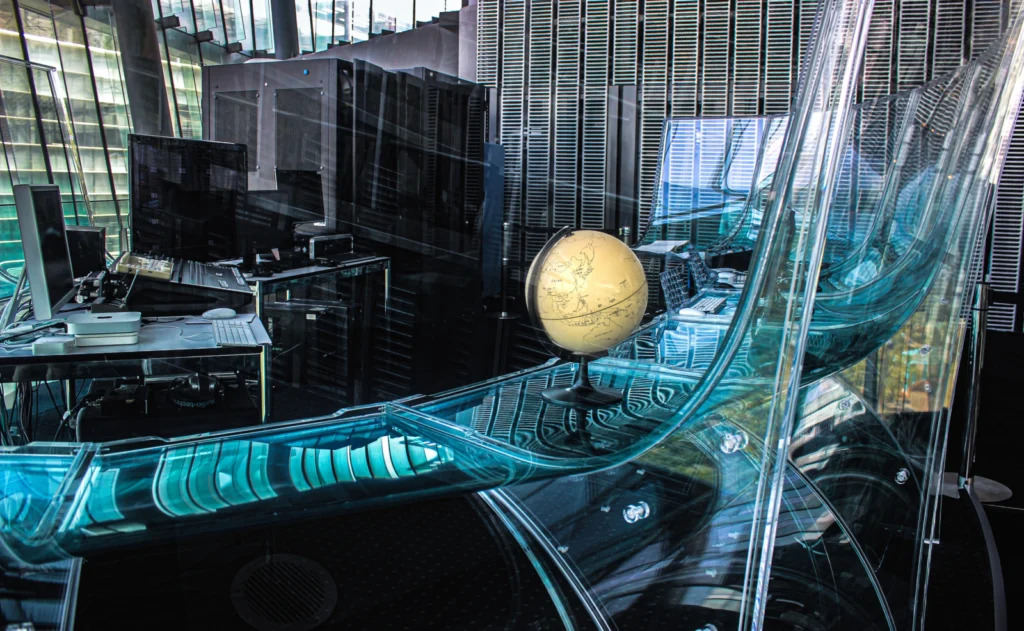
A tribute to the computational geosciences. A mix of computer infrastructure, a modern workstation, and a simple globe with coastlines. Found this scene at the back of room at Miraikan – the National Museum of Emerging Science and Innovation in Tokyo, Japan. The computers, screens, and globe are behind a plexi-glass and while not intended …[Read More]

Imaggeo On Monday: Mud extrusion, Gobustan, Azerbaijan

Imaggeo On Monday: Mud extrusion, Gobustan, Azerbaijan

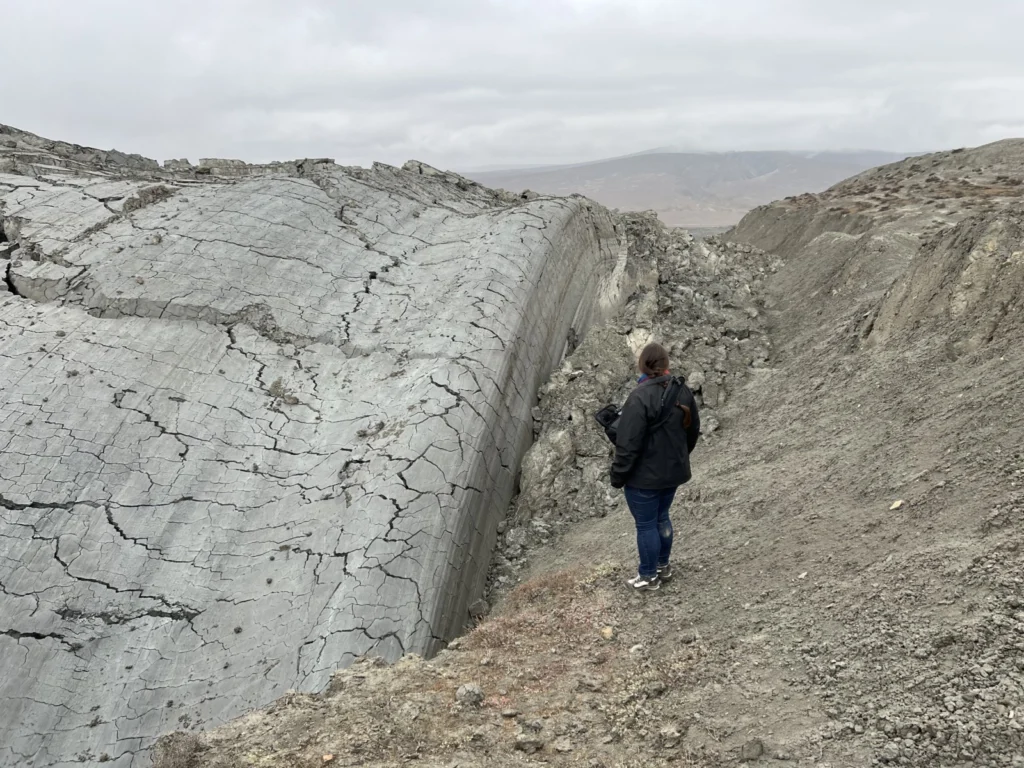
In Gobustan, Azerbaïdjan, gases such as methane or carbon dioxide are emitted in the underground. They lower the density of the overlying sediments which are pushed upwards by buoyancy. Fingering instabilities occur, where more mobile and lighter sediments form vents and mud volcanoes with upwards moving material. Many small scale cones are deposited when the …[Read More]