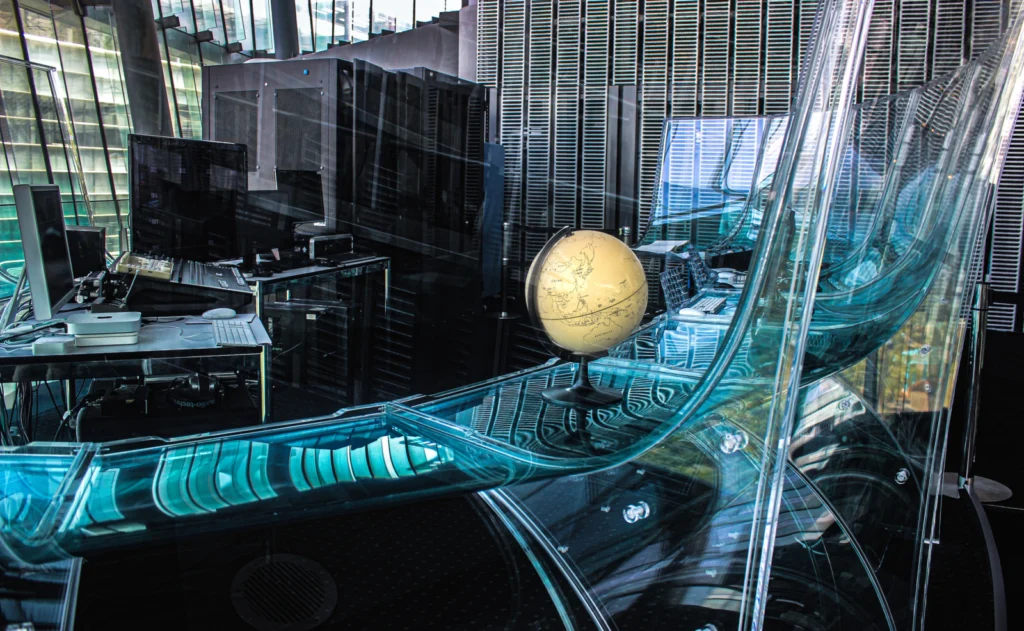
A tribute to the computational geosciences. A mix of computer infrastructure, a modern workstation, and a simple globe with coastlines. Found this scene at the back of room at Miraikan – the National Museum of Emerging Science and Innovation in Tokyo, Japan. The computers, screens, and globe are behind a plexi-glass and while not intended …[Read More]
Imaggeo On Monday: Welcome aboard Planet Earth
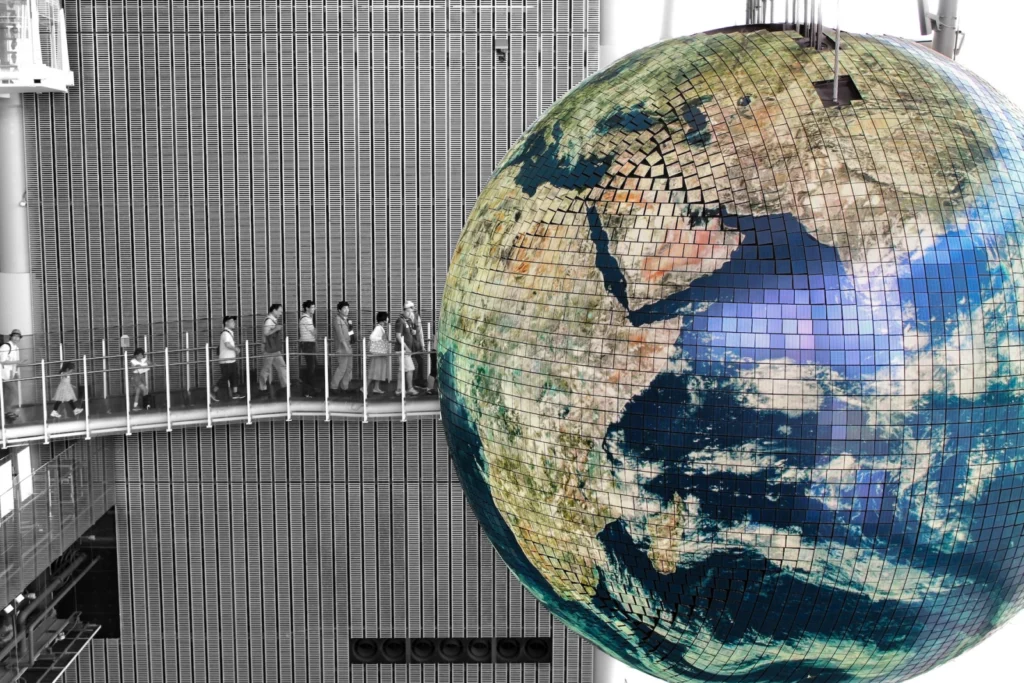
The large suspended globe in the foreground and a suspended pathway in the background. The composition gives an impression that the museum visitors are entering into the Earth, perhaps even boarding an Earthly spaceship. Photo taken at Miraikan – the National Museum of Emerging Science and Innovation in Tokyo, Japan. At the moment the photo …[Read More]
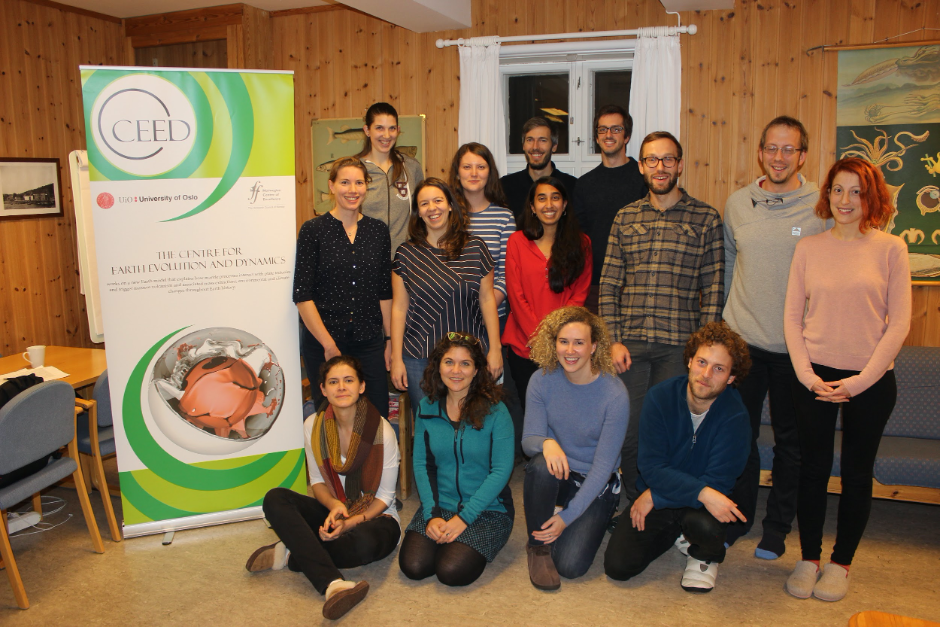
How many transdisciplinary researchers does it take to find out how an ocean sinks?
There is no shortage of increasingly uphill challenges in the current research landscape, especially for Early Career researchers: discouragingly long-standing science questions; minimal freedom for developing methodologies; invariably ambivalent proposal reviews; an academic grading scheme based mainly on publication productivity and impact; and enforced competition for few permanent research positions, just to name a few. …[Read More]
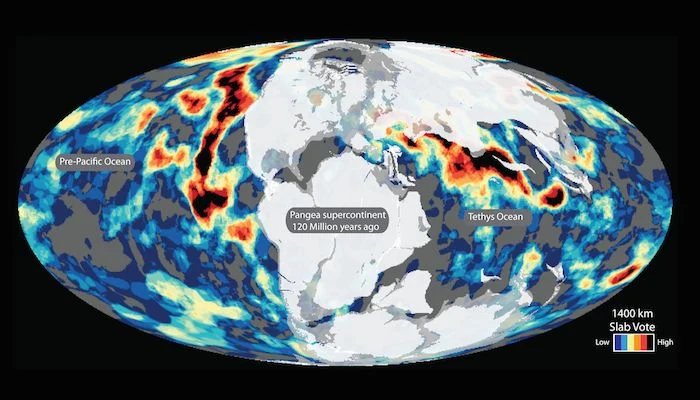
Mapping Ancient Oceans
This guest post is by Dr Grace Shephard, a postdoctoral researcher in tectonics and geodynamics at the Centre of Earth Evolution and Dynamics (CEED) at the University of Oslo, Norway. This blog entry describes the latest findings of a study that maps deep remnants of past oceans. Her open access study, in collaboration with colleagues …[Read More]
Imaggeo on Mondays: Polar backbone (Arctic Ocean)
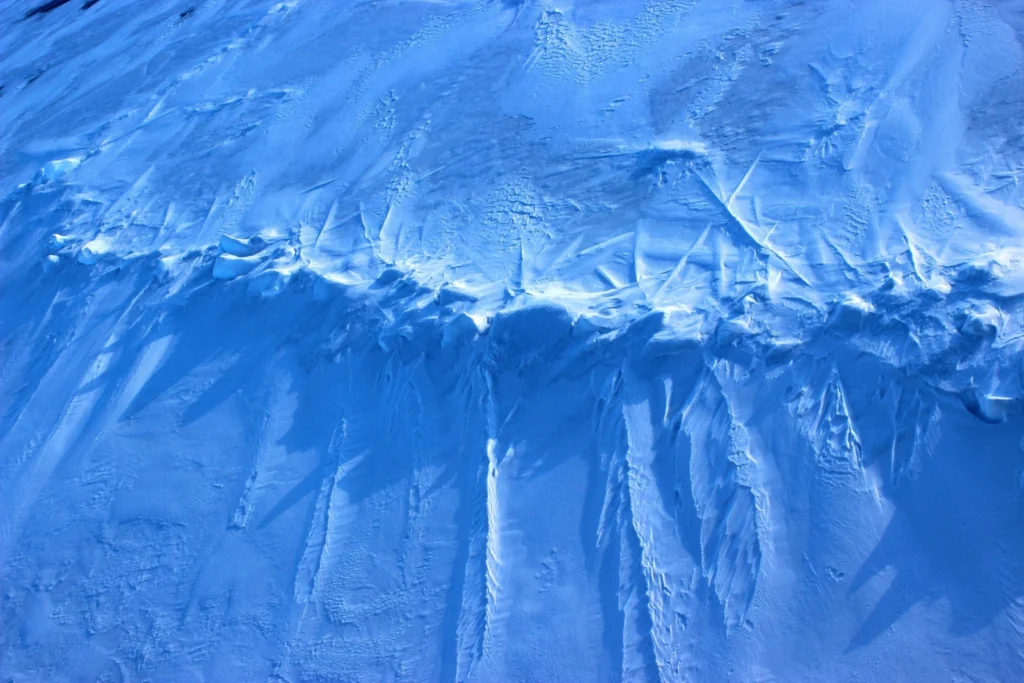
This image was taken during the Arctic Ocean 2016(AO16) expedition that ventured to the central regions of the Arctic Ocean, including the North Pole. It shows a pressure ridge, or ice ridge, as viewed from onboard the deck of the icebreaker Oden. It was quite striking that the ice ridge resembled an image of a …[Read More]