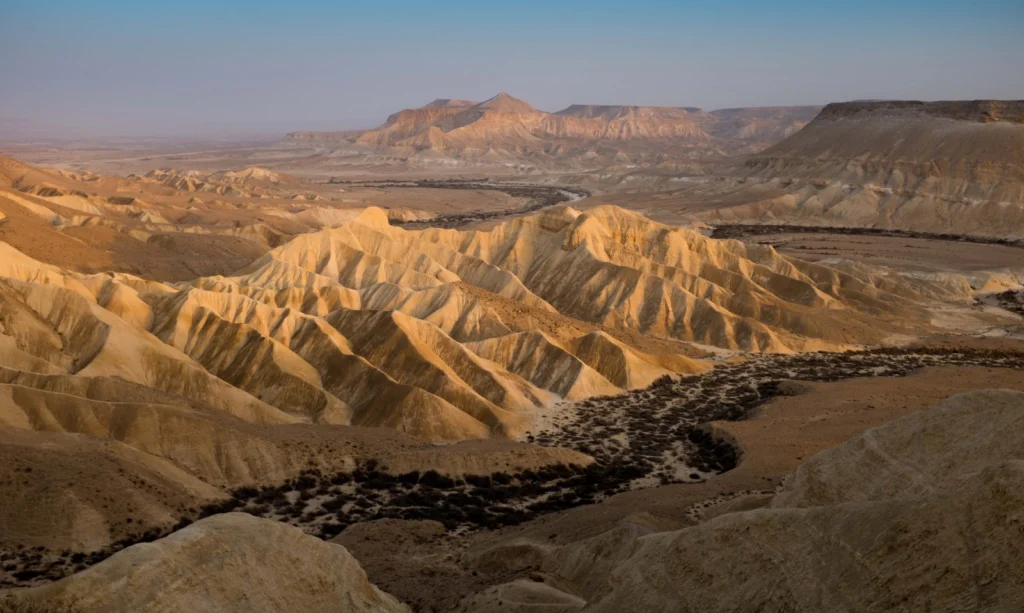
This is a photograph of Zin (or Tzin) Valley, taken from Midreshet Ben Gurion at Sede Boker, Negev Desert in Israel. The Zin Valley takes its name from the River Zin, which is now a dry river except for a few days of the year when heavy rainfall can form dangerous flash floods. The River Zin …[Read More]
GeoLog
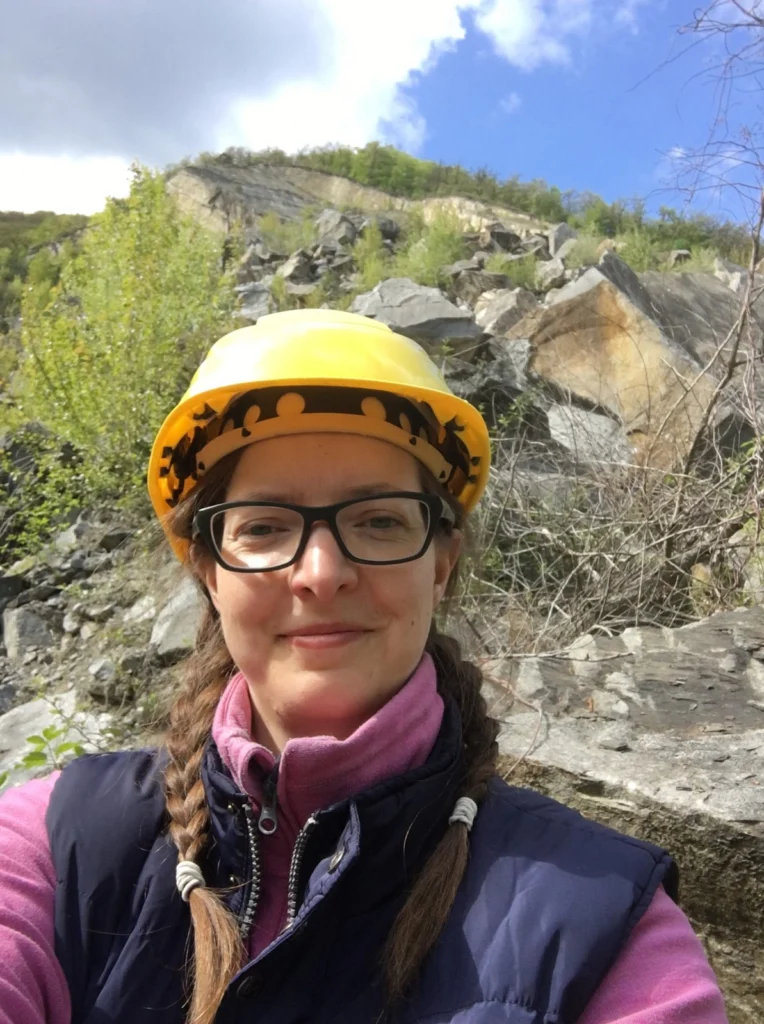
GeoTalk: Stephanie Zihms, Early Career Scientist Representative
In addition to the usual GeoTalk interviews, where we highlight the work and achievements of early career researchers, this month we’ll also introduce one of the Division early career scientist representatives (ECS). They are responsible for ensuring that the voice of EGU ECS membership is heard. From organising short courses during the General Assembly, through …[Read More]
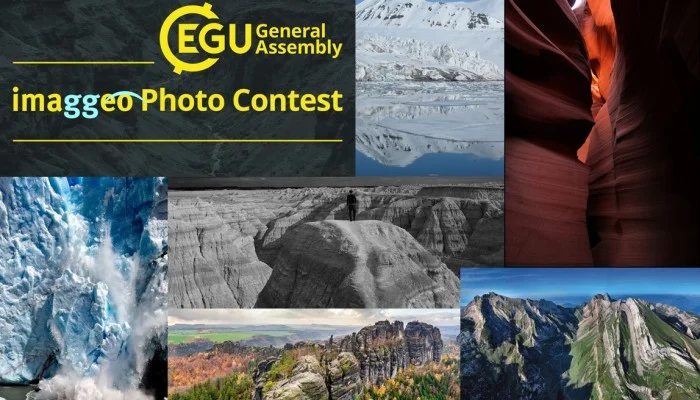
Last chance to enter the EGU Photo Contest 2018!
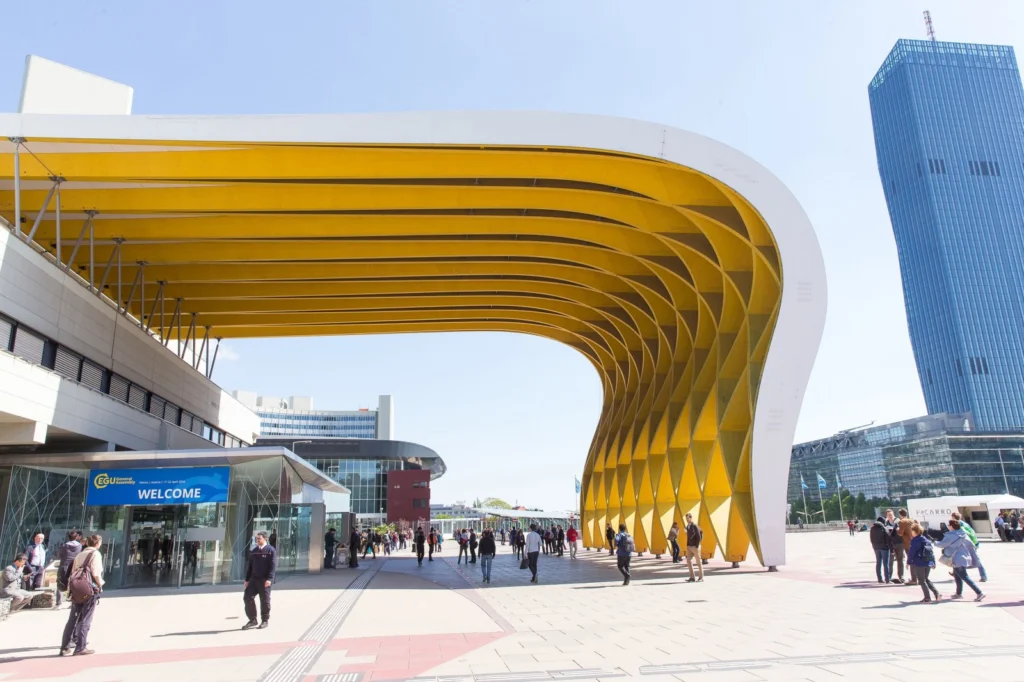
If you are pre-registered for the 2018 General Assembly (Vienna, 8 -13 April), you can take part in our annual photo competition! Winners receive a free registration to next year’s General Assembly! But hurry, there are only a few days left to enter! Every year we hold a photo competition and exhibit in association with our open access …[Read More]
Imaggeo on Mondays: Tasman Lake Down Under
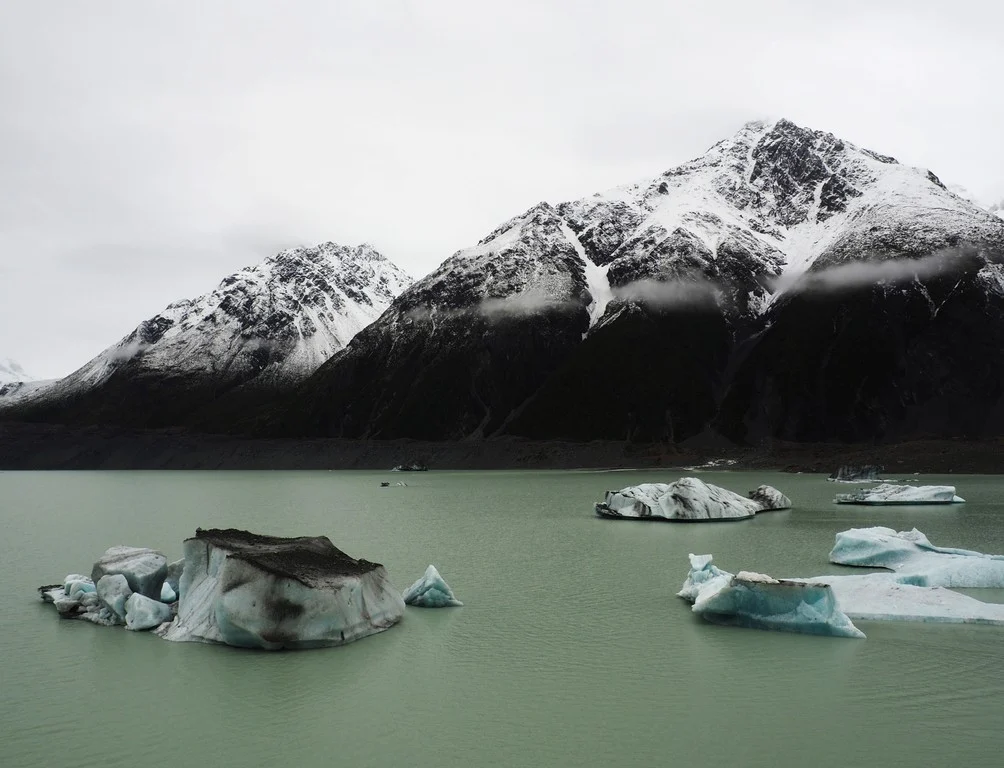
The Tasman Glacier Terminal Lake, seen in this photograph, lies in the Aoraki Mount Cook National Park in New Zealand’s south island. The photographer, Martina Ulvrova, stated she “finally got to see the largest glacier in New Zealand after several days of heavy rain, during which the landscape was bathing in mist”. The Tasman Glacier is 23 km long and is …[Read More]
Geosciences Column: How fast are Greenland’s glaciers melting into the sea?
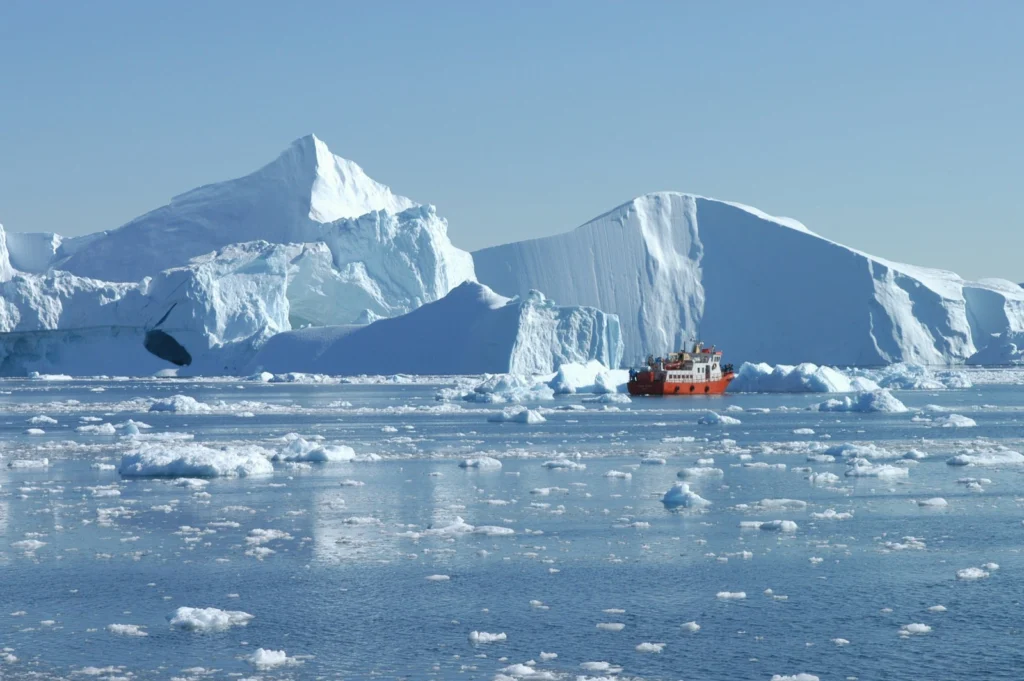
The Greenland ice sheet is undergoing rapid change, and nowhere more so than at its margins, where large outlet glaciers reach sea level. Because these glaciers are fed by very large reservoirs of ice, they don’t just flow to the coast, but can extend many kilometres out into the ocean. Here, the ice – being …[Read More]
Migrating scientists
Scientific research is no doubt enriched by interdisciplinarity and collaborations which cross borders. This, combined with the scarcity of academic positions and the need to further ones horizons by experiencing varied research environments, leads many scientists to relocate (if only on a short term basis) to a country which is not their own. In today’s …[Read More]
Imaggeo on Mondays: Robberg Peninsula – a home of seals
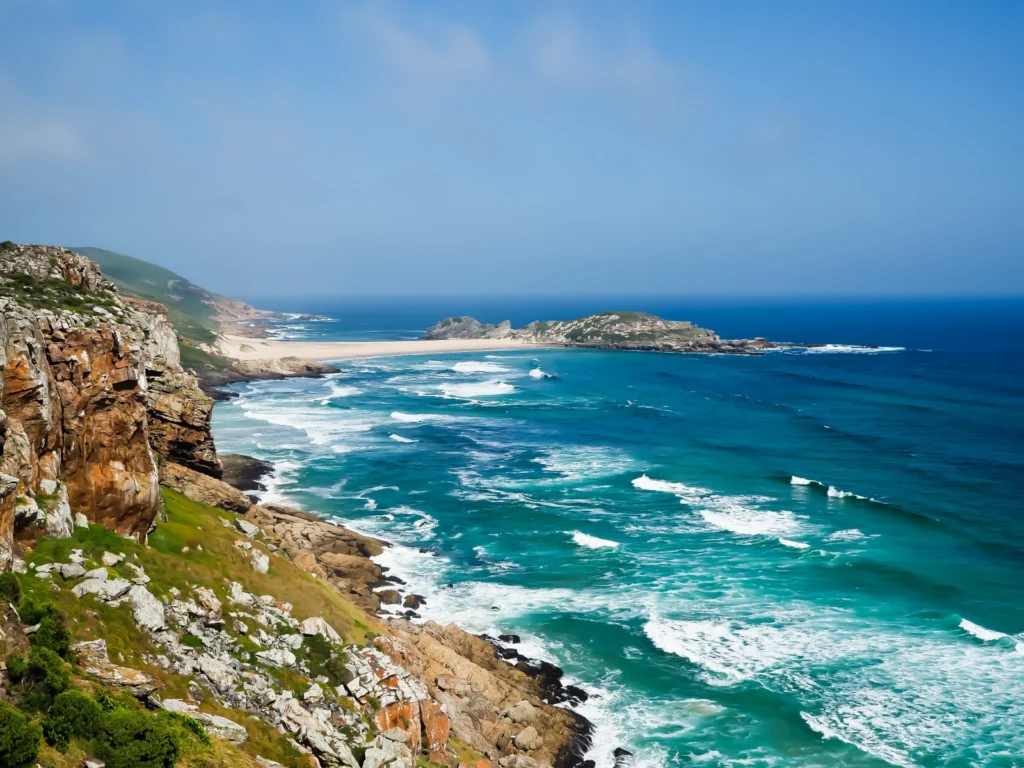
This picture is taken from the Robberg Peninsula, one of the most beautiful places, and definitely one of my favorite places in South Africa. The Peninsula forms the Robberg Nature Reserve and is situated close to the Plettenberg Bay on the picturesque Garden Route. “Rob” in Dutch means “seal”, so the name of the Peninsula …[Read More]
EGU 2018: How to make the most of your time at the General Assembly without breaking the bank
Attending a conference is not cheap, even if you’ve been lucky enough to secure some funds to help with travel, accommodation and/or registration costs. However, with a little insider knowledge from those who’ve attended the General Assembly many times before, it is possible to have a (scientifically) rewarding week in Vienna, without breaking the bank. …[Read More]
January GeoRoundup: the best of the Earth sciences from across the web
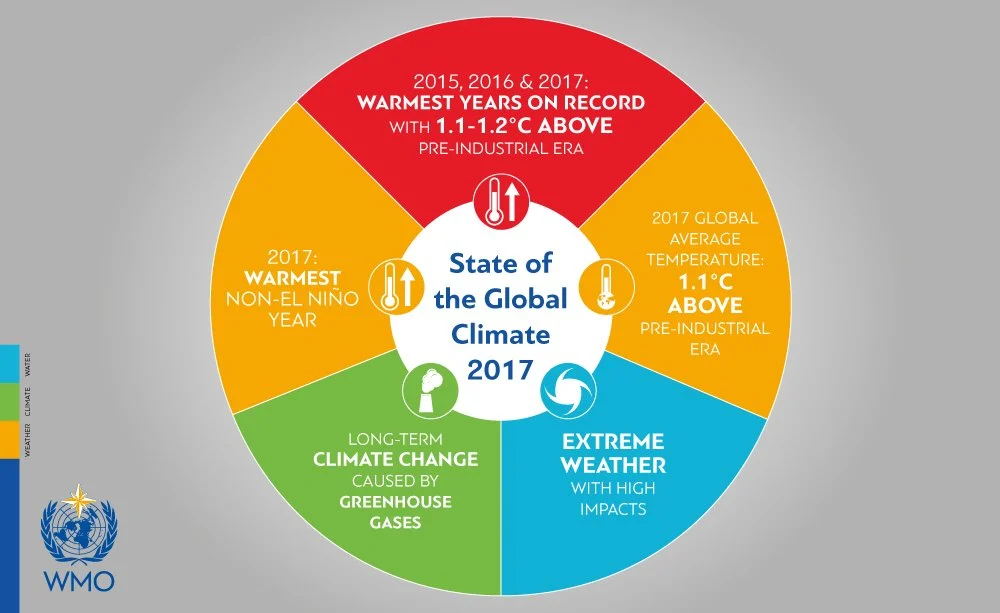
Drawing inspiration from popular stories on our social media channels, as well as unique and quirky research news, this monthly column aims to bring you the best of the Earth and planetary sciences from around the web. Major stories The World Meteorological Organization (WMO) has confirmed that 2017 is among the three warmest years on …[Read More]
GeoTalk: Eleanor Frajka-Williams, the 2017 Ocean Sciences Division Outstanding Early Career Scientists Awardee
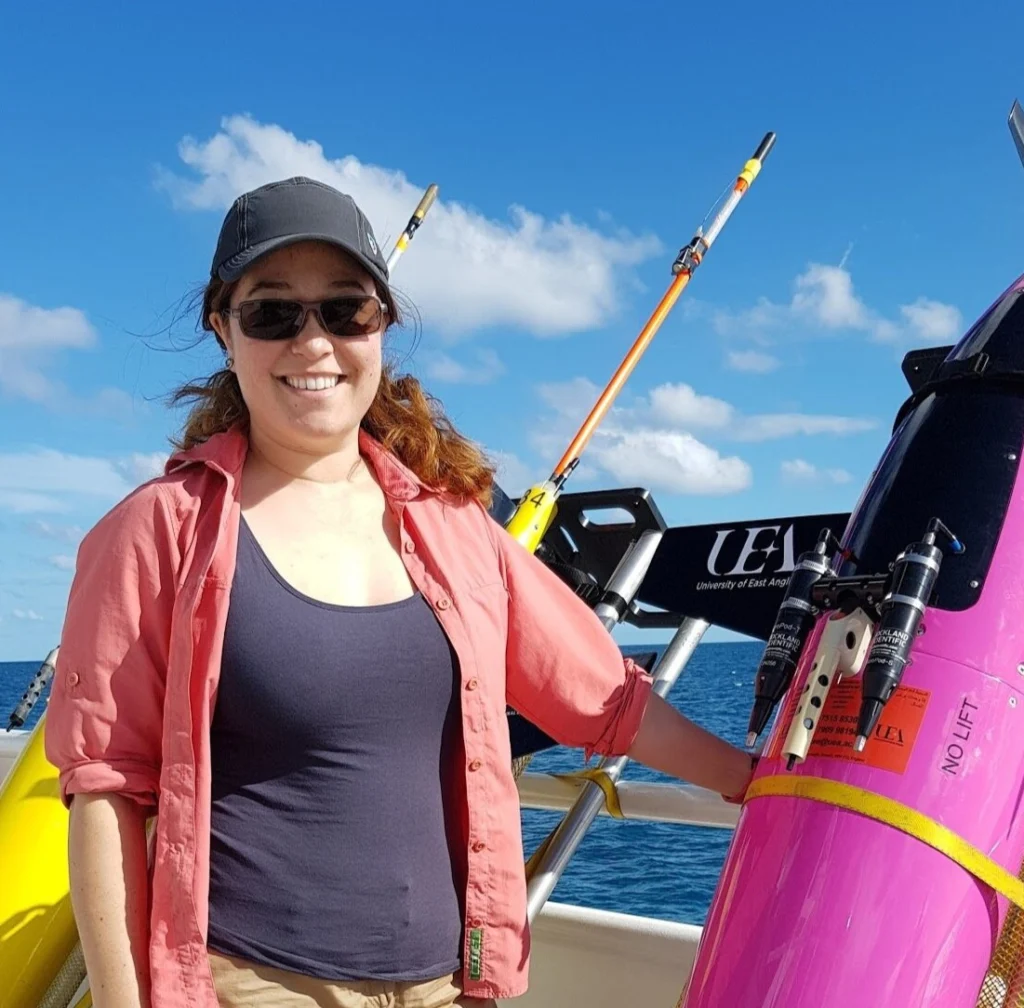
Geotalk is a regular feature highlighting early career researchers and their work. Following the EGU General Assembly, we spoke to Eleanor Frajka-Williams, the 2017 Ocean Sciences Division Outstanding Early Career Scientists awardee. In her work, Eleanor uses real-world measurements – from ships, satellites, sea gliders and moorings – to understand how the world’s oceans work. …[Read More]