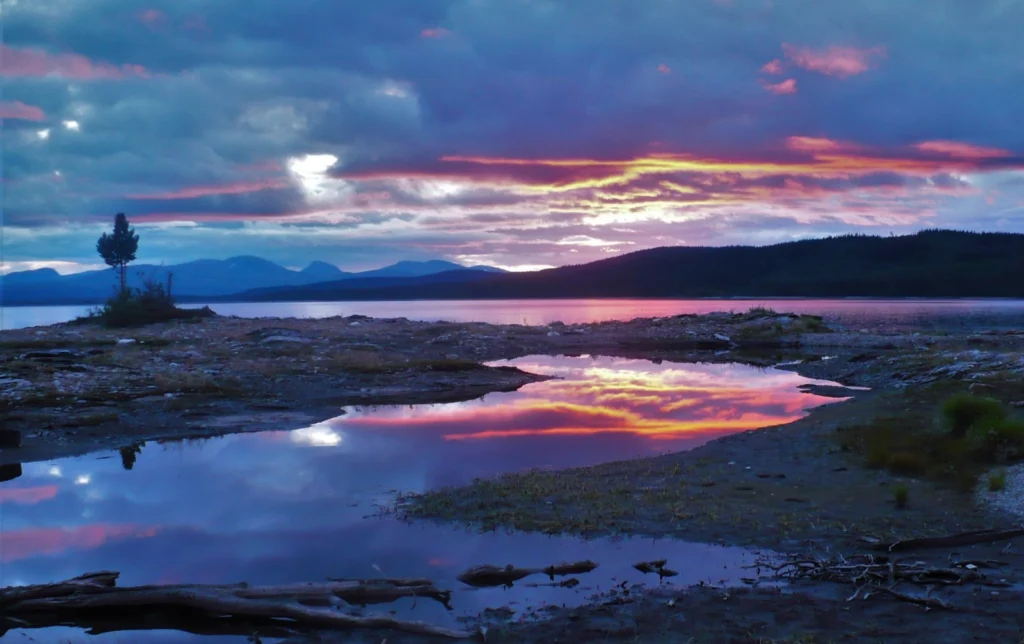
For the start of a new year, we bring you a photograph featuring some of the oldest rocks in the world but bursting with new life. The image, taken by Gerrit de Rooij, of the Helmholtz Centre for Env. Res. – UFZ, comes complete with an informative caption which we’ve included below. May the new …[Read More]
GeoLog
MinCup: Elevating humble minerals to new heights
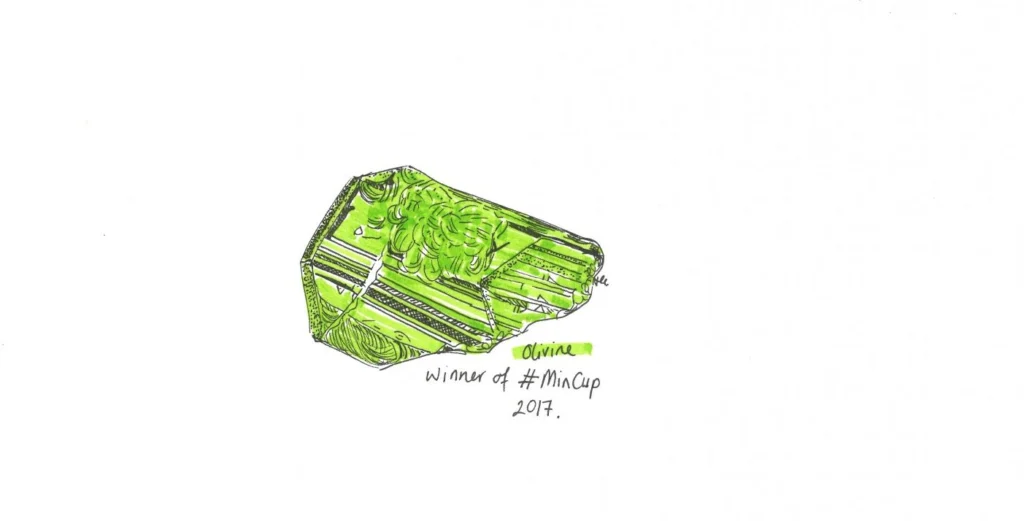
Throughout October and November, the world of (Earth science) Twitter was taken by storm: Day after day, Eddie Dempsey (a lecturer at the University of Hull, and @Tectonictweets for those of you more familair with his Twitter handle) pitted minerals against each other, in a knock out style popular contest. The aim? To see which …[Read More]
Imaggeo on Mondays: Happy holidays!
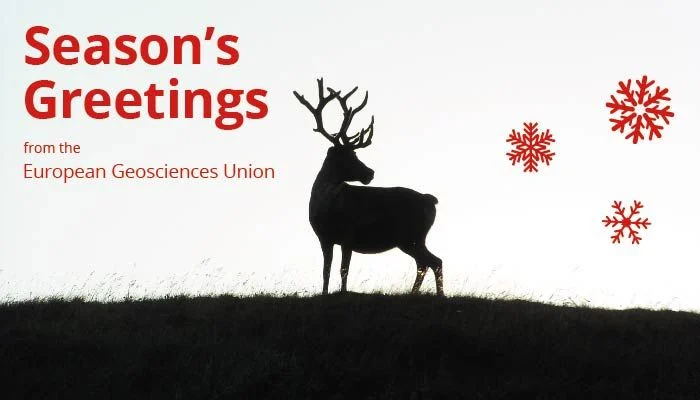
Along with this magestic sunlit reindeer, photographed on a hilltop in one of the expeditions on the Yamal Peninsula, EGU wishes all our readers happy holidays and very warm wishes for 2018. And for a chance to be featured on GeoLog throughout the new year, don’t forget to submit your field and lab based photographs …[Read More]
GeoPolicy: Reaching out on Twitter – casually engage with policymakers!
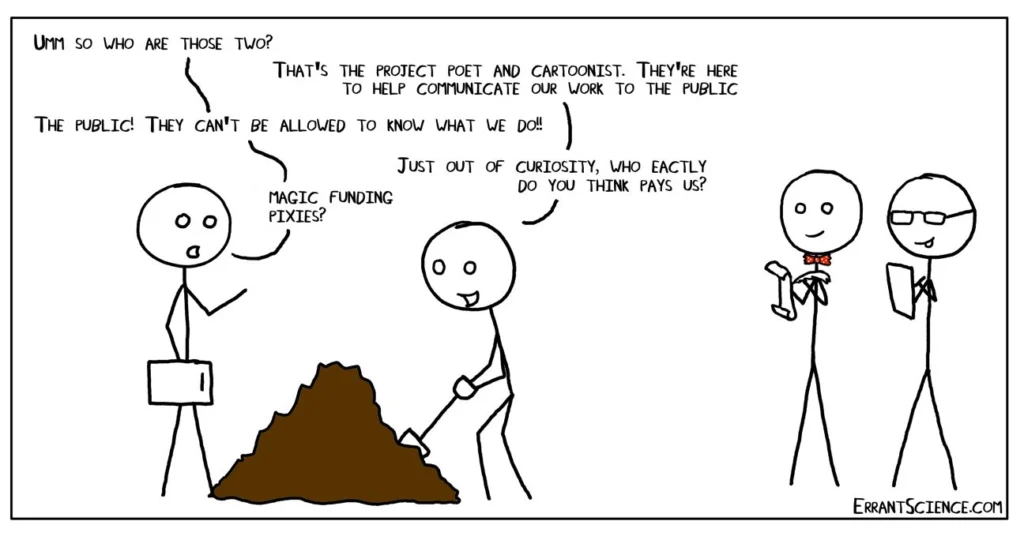
Reaching out to policymakers and sharing your research with them can seem like a daunting task! While there are many formal outlets for engaging with policymakers (such as completing questionnaires, contributing to workshops and participating in paring schemes), there are also more casual methods that can be done sporadically and with less effort. One example …[Read More]
The role of exploration geologists in fostering healthy community-industry relationships
In November 2015, the failure of the Fundão tailings dam in Brazil devastated the surrounding landscape and local villages, killing 19 people and leaving the media filled with images of landslides, fallen infrastructure and ruined livelihoods. The limited communication and lack of relationship between joint operators BHP Billiton and Brazilian company Vale with the surrounding …[Read More]
Imaggeo on Mondays: Smoking mountain top
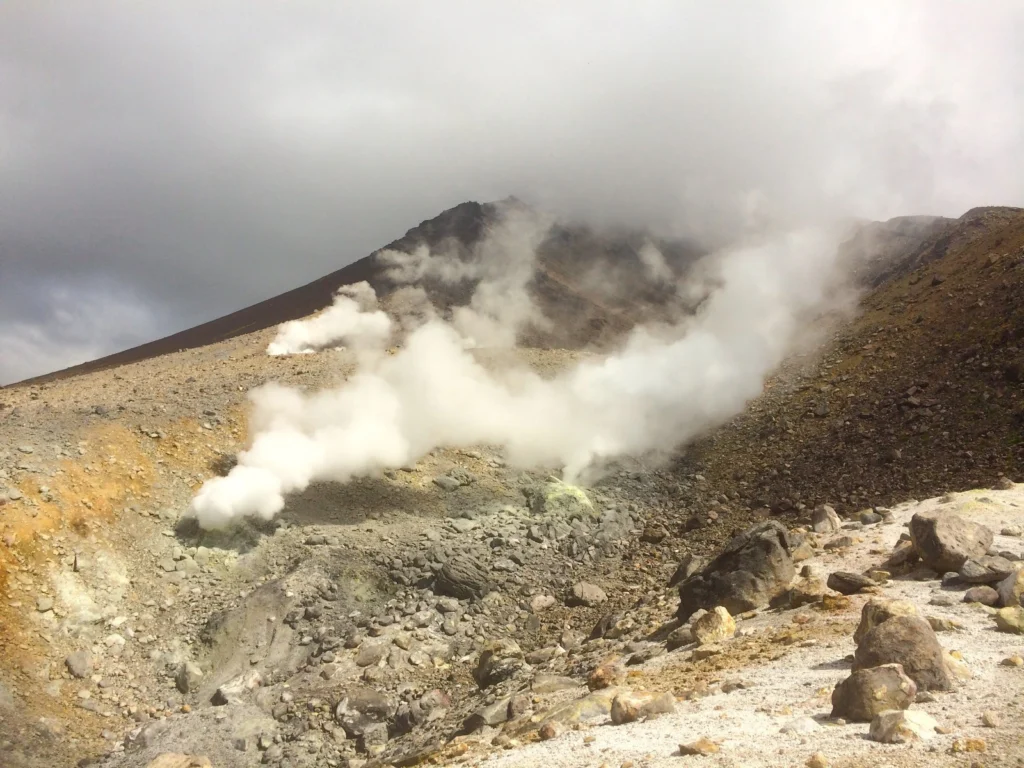
Japan’s northernmost, second largest and least developed island, Hokkaido, is famous for its unspoilt nature. Harsh, cold and snowy winters make way for pleasant summers, which allow tourists and locals to enjoy a variety of outdoor activities, year-round, in the island’s six protected areas. The largest of the natural parks is Daisetsuzan: known for it’s …[Read More]
GeoTalk: Maribel García-Ibáñez, Early Career Scientist Representative
In addition to the usual GeoTalk interviews, were we highlight the work and achievements of early career researchers, this month we’ll also introduce one of the (outgoing) Division early career scientist representatives (ECS). The representatives are responsible for ensuring that the voice of EGU ECS membership is heard. From organising short courses during the General …[Read More]
Arts and culture at EGU 2018
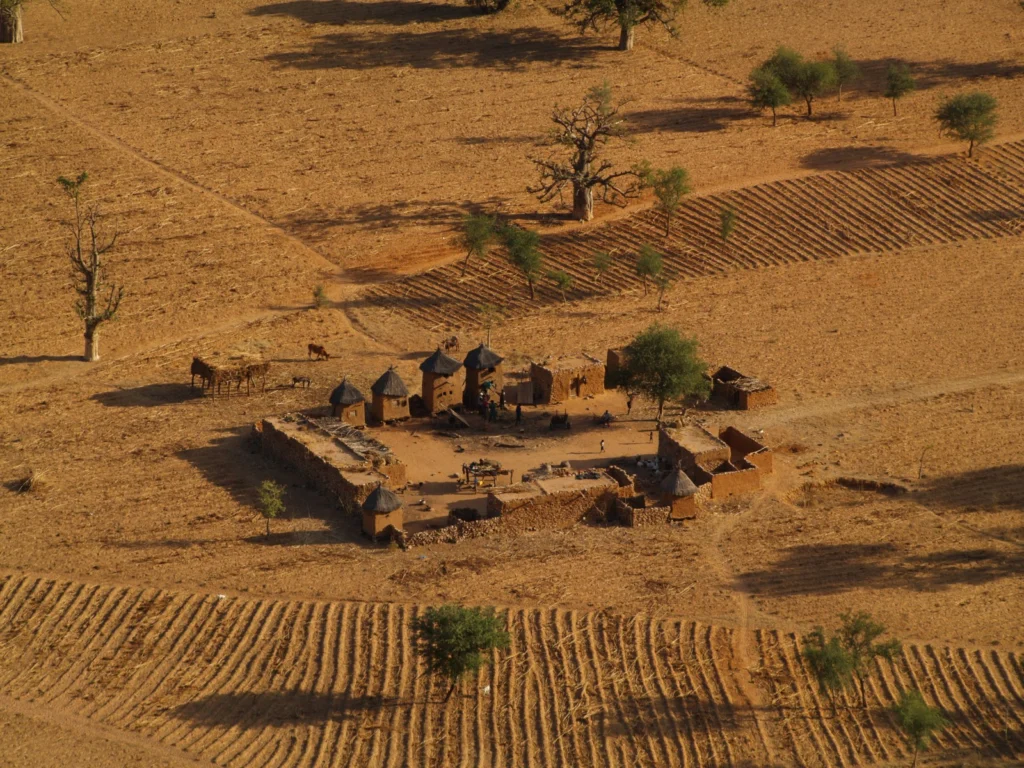
As well as a stimulating scientific programme (remember the call-for-abstracts is currently open!), the upcoming General Assembly will also feature exciting cultural activities. Read on for a whistle-stop tour of what to expect, and of course, stay tuned to our social media channels, and follow the official hashtag (#EGU18) for more information on the run-up …[Read More]
Imaggeo on Mondays: A spectacular rainbow
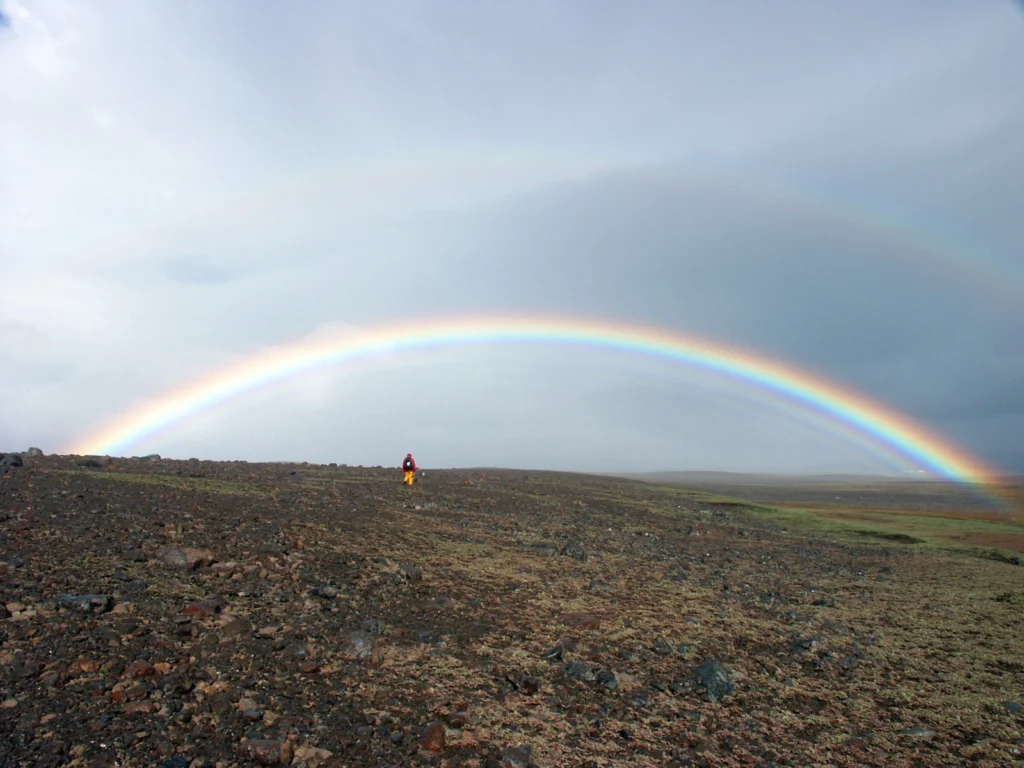
Back in February 2005, François Dulac and Rémi Losno worked in the field in the very remote Kerguelen Islands (also known as the Desolation Islands). Located in the southern Indian Ocean they are one, of the two, only exposed parts of the mostly submerged Kerguelen Plateau. Our work consisted in sampling atmospheric aerosols and their …[Read More]
GeoSciences Column: Don’t throw out that diary – medieval journals reveal the secret of lightning
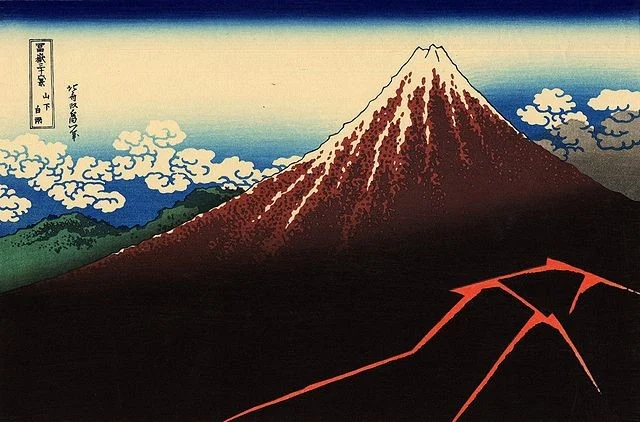
When 17th century Japanese princess Shinanomiya Tsuneko took note of an afternoon storm in her diary one humid Kyoto summer, she could not have imagined her observations would one day help resolve a longstanding scientific conundrum. Statistical analysis of her journals has revealed a link between lightning strikes and the solar wind – proving that …[Read More]