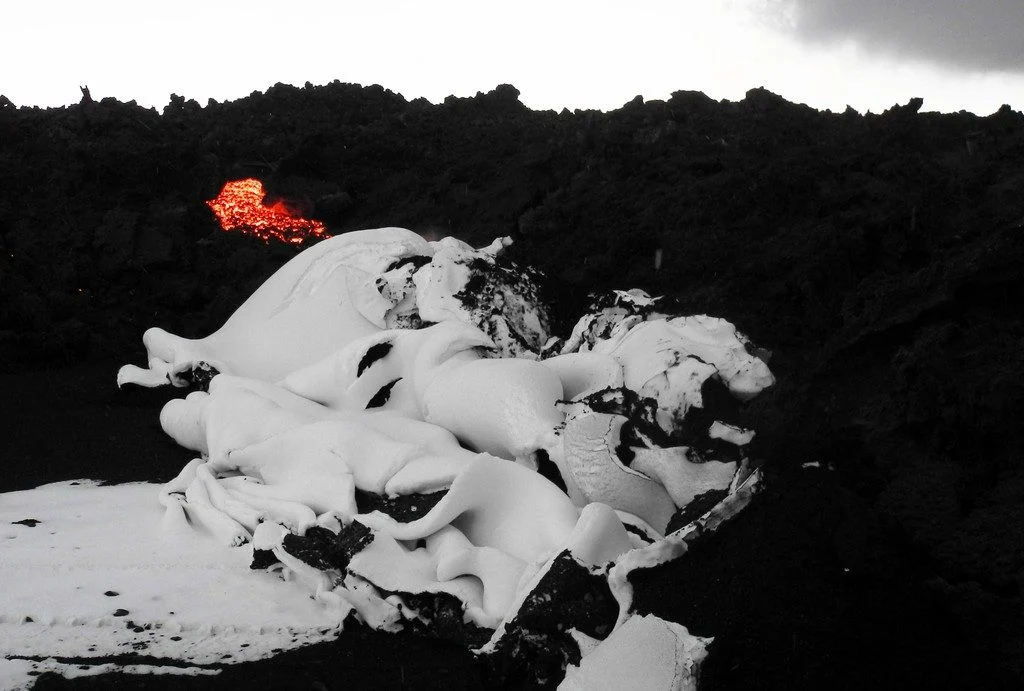
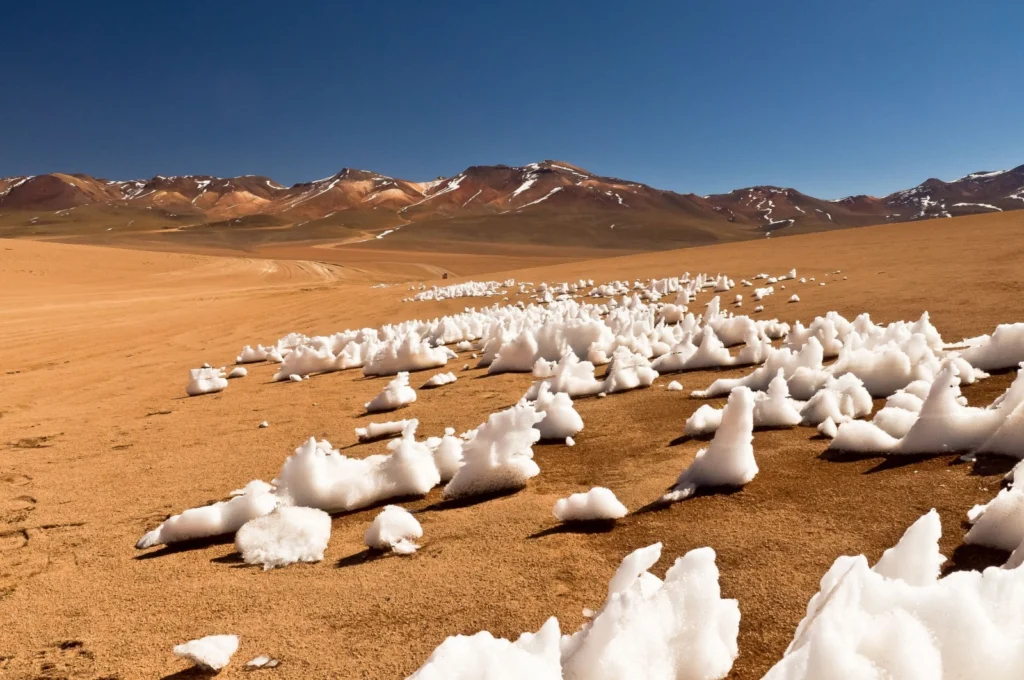
The photograph shows the interaction of the first snow and an active lava flow during the 2014 / 2015 Holuhraun eruption in Iceland. The first snow fell onto a ground covered by fine black ash on 26 September 2014. While the meter thick lava flow advanced a few meters per day, it neither melted the snow …[Read More]
GeoLog
Geopolicy: How does scientific uncertainty translate into policy?
Scientific uncertainty is one of the only things in science that is certain. It’s found in complex modelling systems, in the unpredictability of natural processes and even when there seems to be scientific consensus, a new scientific discovery can recreate ambiguity. But how do policymakers deal with scientific uncertainty when they are making decisions? Policymakers …[Read More]
Get involved: become an early career scientist representative
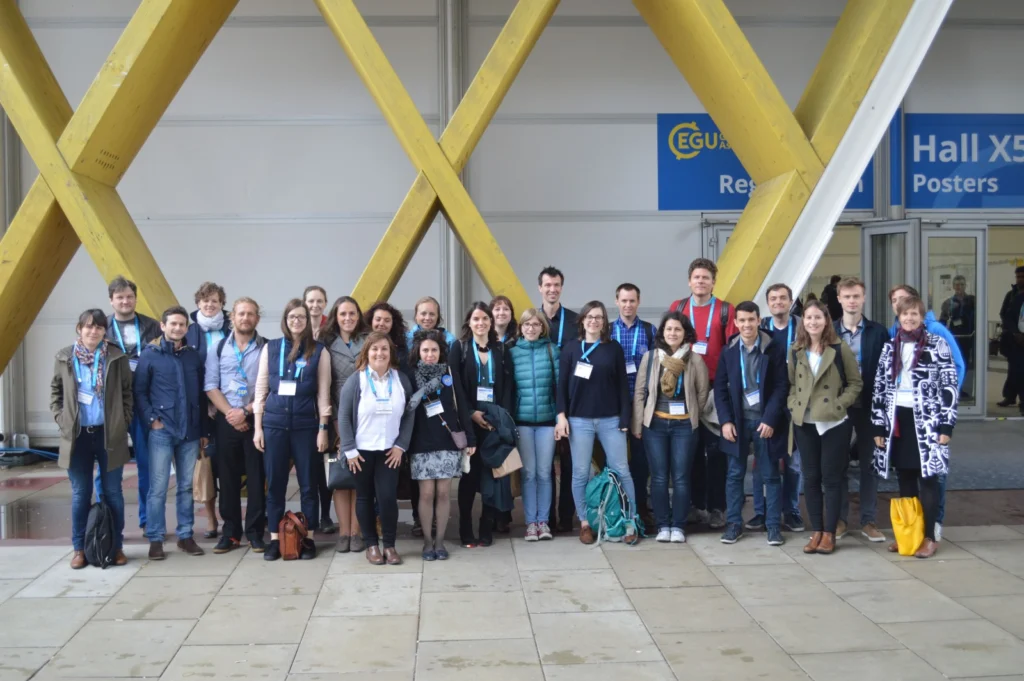
Early career scientists (ECS) make up a significant proportion of the EGU membership and it’s important to us that your voices get heard. To make sure that happens, each division appoints an early career scientists representative: the vital link between the Union and the ECS membership. After tenure of two or four years, a few …[Read More]
Imaggeo on Mondays: Decreasing Moon
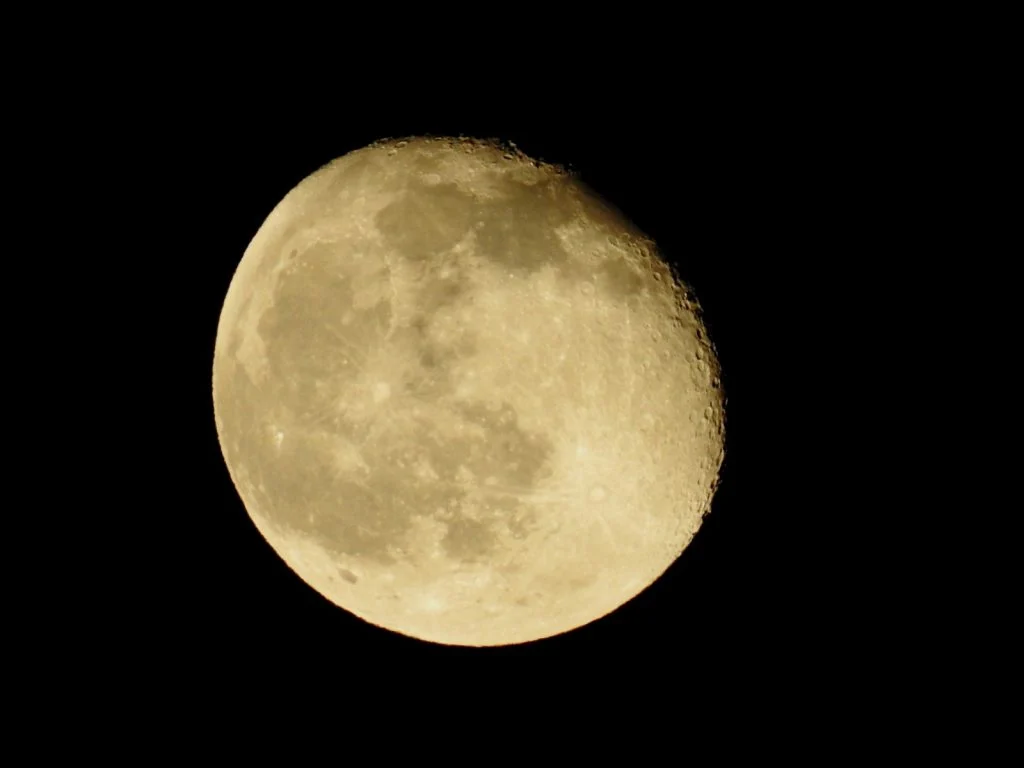
This picture shows the decreasing Moon on May 6, 2015, two days after the full Moon, as viewed from Hamburg, Germany. There are still 96.4% of the lunar front illuminated. The Moon does not glow on its own, but its surface reflects the sunlight. The Sun always illuminates a complete half of our natural satellite, …[Read More]
EGU Photo Contest 2018: Now open for submissions!
If you are pre-registered for the 2018 General Assembly (Vienna, 8 – 13 April), you can take part in our annual photo competition! Winners receive a free registration to next year’s General Assembly! The ninth annual EGU photo competition opens on 15 January. Up until 15 February, every participant pre-registered for the General Assembly can submit up three …[Read More]
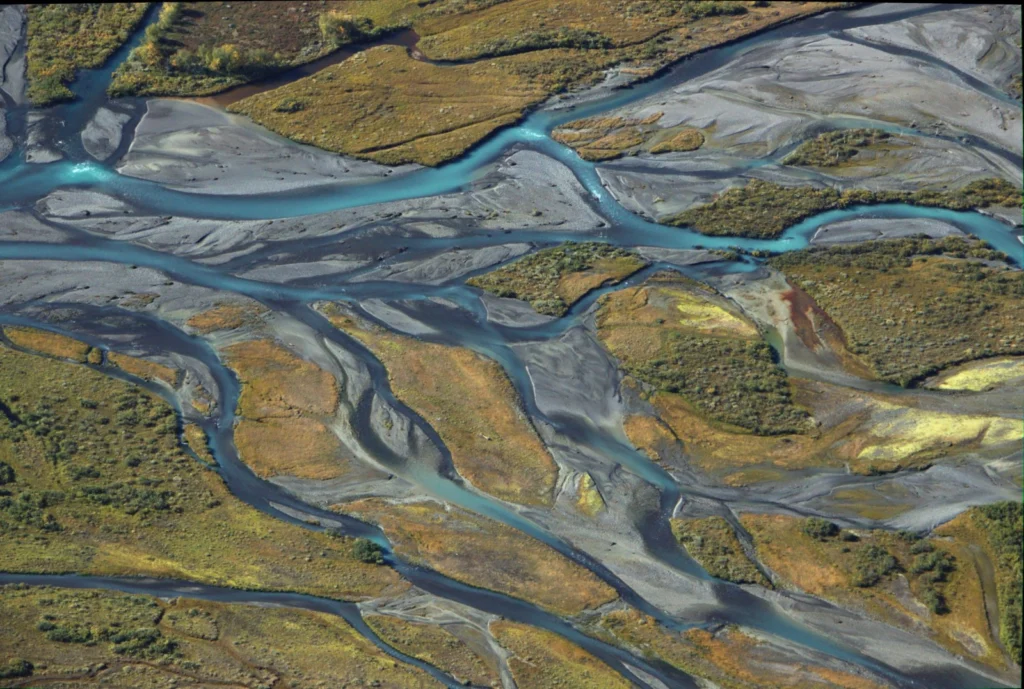
Imaggeo on Mondays: Glacier-fed rivers
A view of the southern edge of the Ladebakte mountain in the Sarek national park in north Sweden. At this place the rivers Rahpajaka and Sarvesjaka meet to form the biggest river of the Sarek national park, the Rahpaädno. The rivers are fed by glaciers and carry a lot of rock material which lead to …[Read More]
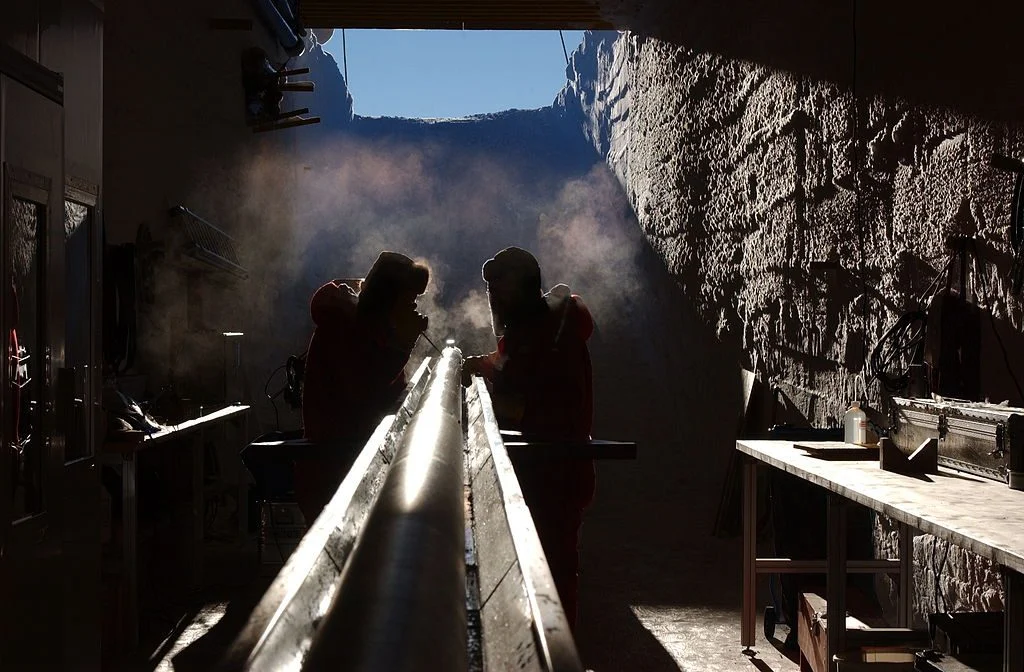
Geosciences Column: The hunt for Antarctica’s oldest time capsule
The thick packs of ice that pepper high peak of the world’s mountains and stretch far across the poles make an unusual time capsule. As it forms, air bubbles are trapped in the ice, allowing scientists to peer into the composition of the Earth’s atmosphere long ago. Today’s Geosciences Column is brought to you by …[Read More]
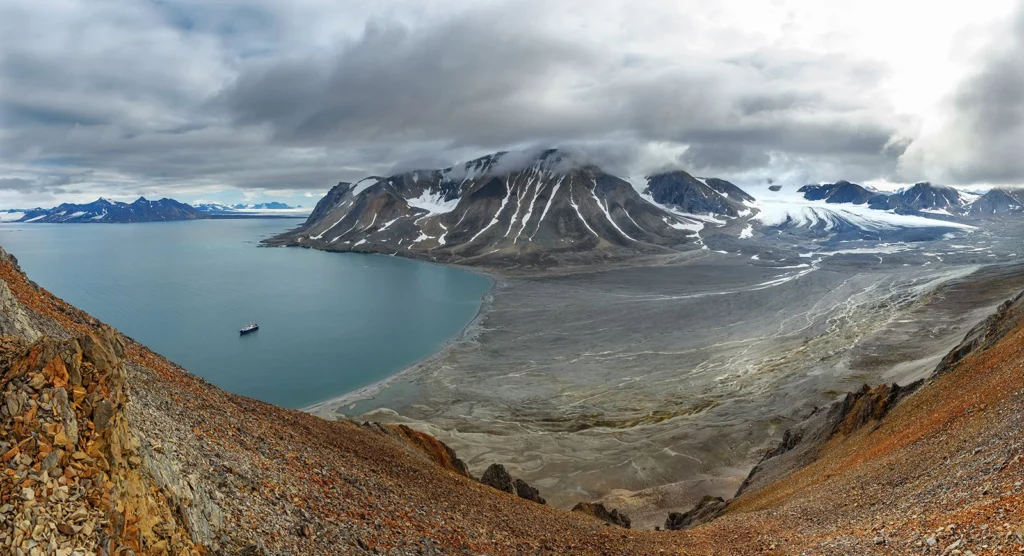
Communicating Antarctic science…in the Antarctic
Communicating the fragility of one of Earth’s remotest environments is hugely difficult, precisely due to the location of the poles. Jon Fuhrmann, a freelance science writer and guide on Antarctic cruises, discusses the potential benefits of taking tourists to these once inaccessible locations, especially when it comes to making members of the public aware of …[Read More]
Imaggeo on Mondays: The best of imaggeo in 2017
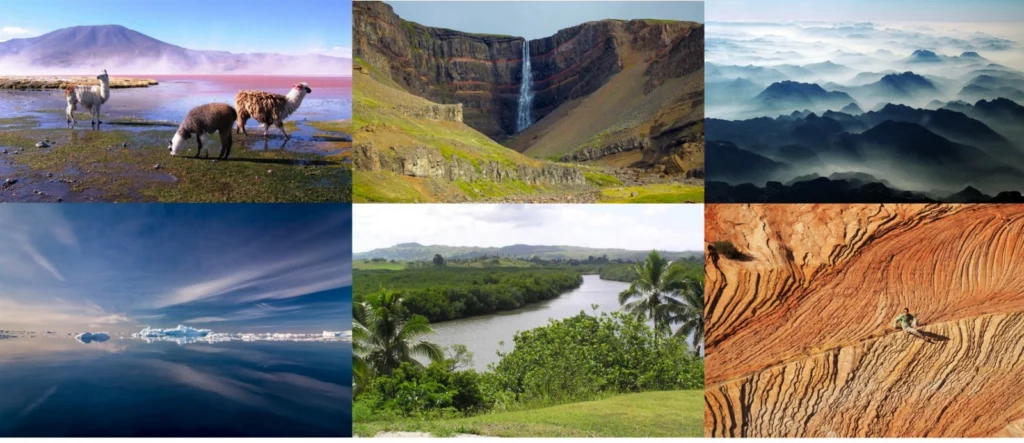
Imaggeo, our open access image repository, is packed with beautiful images showcasing the best of the Earth, space and planetary sciences. Throughout the year we use the photographs submitted to the repository to illustrate our social media and blog posts. For the past few years we’ve celebrated the end of the year by rounding-up some …[Read More]
I want you to stop being an early career scientist
In this guest post Roelof Rietbroek, EGU’s Union-wide Early Career Scientist Representative (2017-2018), speaks about the importance of reseachers getting involved with the Union’s early career activities to really reap the benefits of being part of the network. With over half of the participants of EGU’s general assembly qualifying as an Early Career Scientist (ECS), …[Read More]