In yet another year that saw uncertainty and change, one thing has remained a positive constant: the impressive and insightful blog posts published regularly across the EGU’s official blog, GeoLog, and division blogs. The EGU Division bloggers in particular have been hard at work producing new informative, fun and interesting blog posts for our …[Read More]
Uncategorized
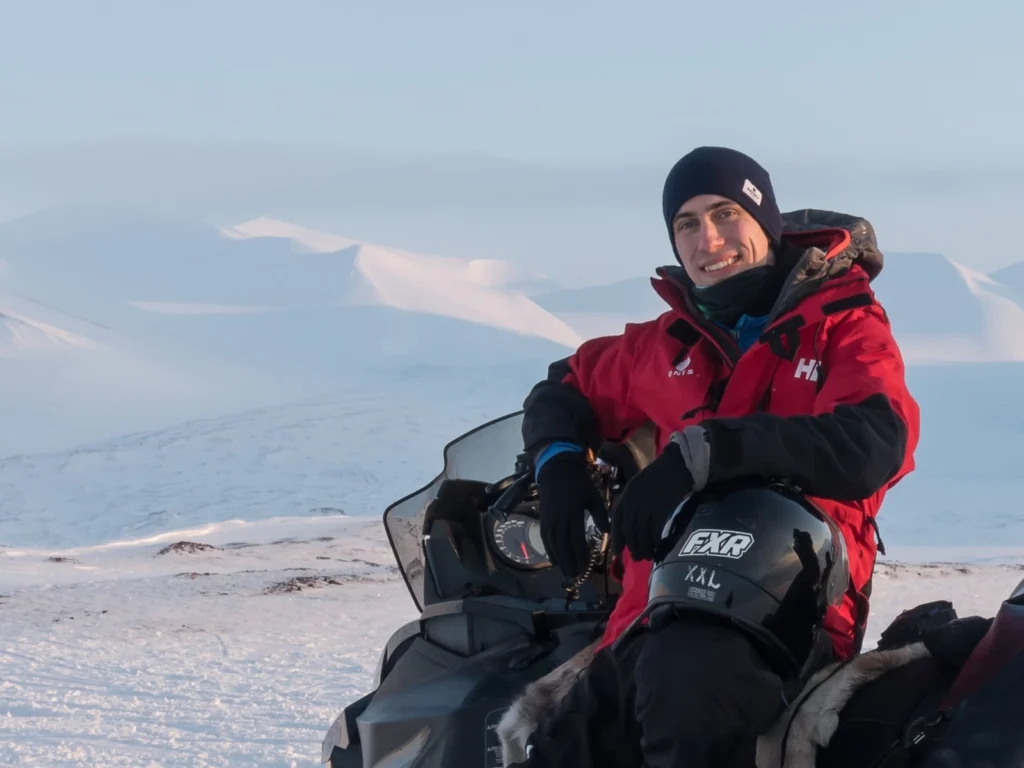
GeoTalk: Meet Joshua Dreyer, planetary scientist and the Planetary and Solar System Sciences Division’s Early Career Scientist Representative!
Hello Josh, thankyou for talking with us! Before we take off, could you tell us a little about yourself and your research? Hi Simon, thanks for inviting me! I’m a PhD student at the Swedish Institute of Space Physics (IRF) and Uppsala University, just started my third year. My research is focused on Saturn’s ionosphere …[Read More]
GeoPolicy: What does the IPCC’s 6th Assessment Report tell us about the future?
The Intergovernmental Panel on Climate Change (IPCC) prepares and publishes extensive Assessment Reports on the scientific, technical and socio-economic knowledge on climate change, including its impacts, future risks, and likely scenarios based on the actions that humanity takes. In their sixth Assessment Report (AR6), the IPCC’s certainty and warnings were clearer than ever. This month’s …[Read More]
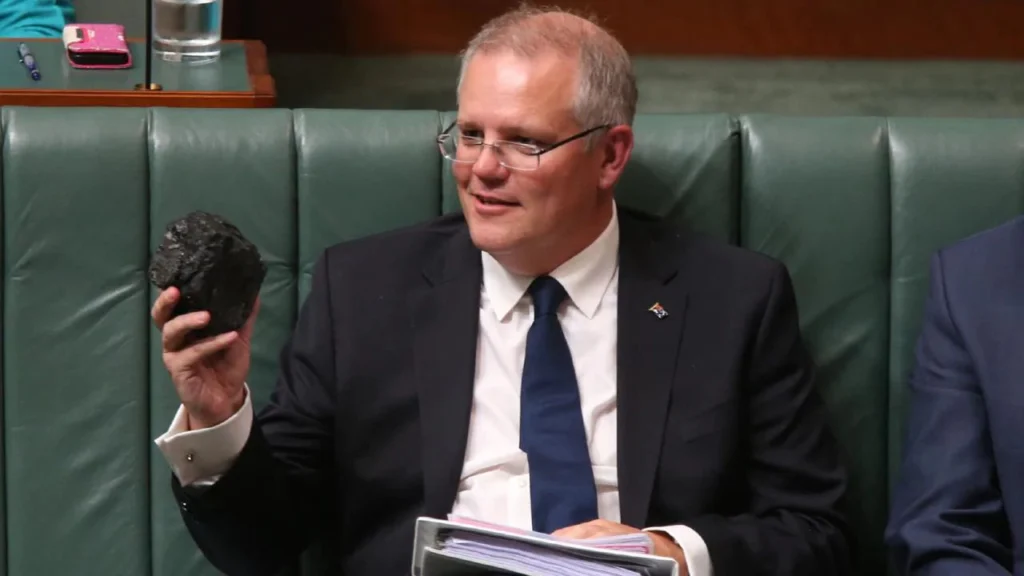
GeoPolicy: When policymakers misuse science
Most of the EGU’s GeoPolicy blog posts focus on overarching topics that I believe will be useful for the majority of scientists who read them. I see myself as a facilitator who connects scientists and policymakers, providing impartial information to promote more effective knowledge exchange and subsequently evidence-informed policies. This month’s GeoPolicy post however, takes …[Read More]
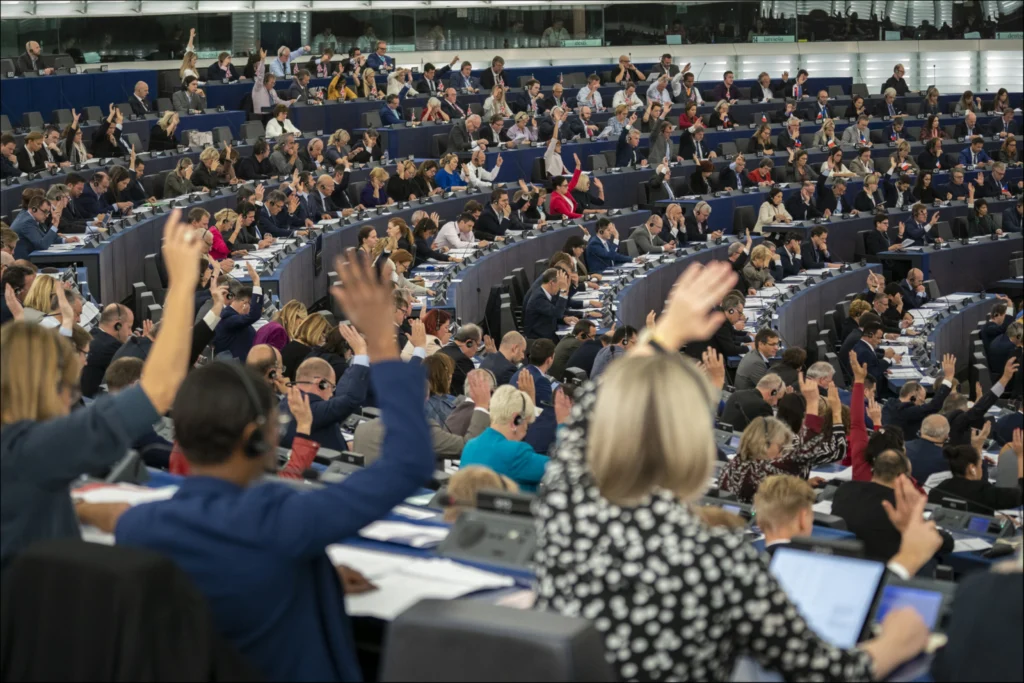
EGU virtual Science-Policy Pairing Scheme with MEP Maria Spyraki
The EGU sponsors an annual science-policy pairing scheme each year to help promote a culture of evidence-informed policymaking and encourage stronger science-policy partnerships! The EGU’s 2020/21 pairing scheme was slightly different from normal, being run virtually rather than in person as a result of the COVID-19 restrictions. This month’s GeoPolicy blog post is written by …[Read More]
vEGU21: What makes a good CV?
This year for vEGU21 we couldn’t have our normal CV board for our attendee’s to share their skills and talents, so instead we added the ‘Ask me for my CV’ sticker that you can put in your profile to let people know that your CV is available. But what about the actual CV itself? Seismology …[Read More]
GeoPolicy: EGU science for policy: what’s coming up in 2021?
There were a lot of big changes to the EGU’s science for policy programme in 2020 with many of our activities, such as the annual science for policy event and science-policy pairing scheme, moving online. But 2021 promises to be an even bigger year with a greater number of opportunities to engage and activities becoming …[Read More]
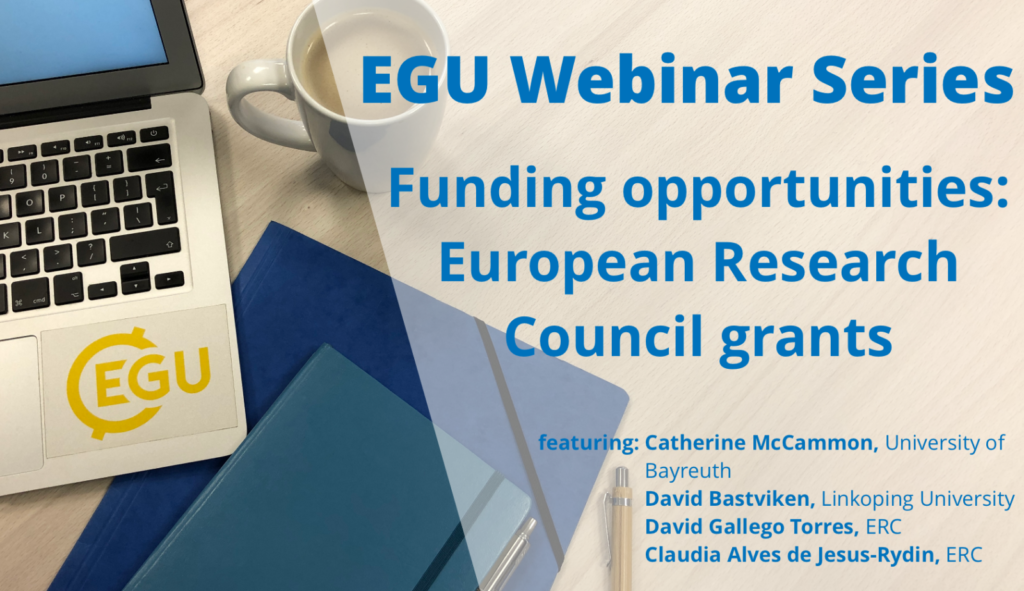
GeoPolicy: European Research Council funding opportunities – Your questions answered!
The European Research Council (ERC) is a leading European funding body supporting frontier research, investigator-driven, across all fields of science.The ERC offers various different funding opportunities with grants budgets of €1.5 to €3.5 million for individual scientists with the sole criterion for selection being scientific excellence. In October, the EGU hosted a webinar that highlighted …[Read More]
GeoPolicy: How geoscience can support the European Green Deal
Earlier this year, the EGU hosted the Integrating science into the EU Green Deal event in collaboration with the Intergroup on Climate Change, Biodiversity and Sustainable Development to outline how the geosciences can most effectively support the European Green Deal and ensure its ambitious biodiversity and zero-pollution targets are reached. The event provided policymakers, scientists and …[Read More]
GeoPolicy: How to use webinars to share your science with a wider audience!
Since the explosive spread of COVID19, the way most academics work has changed and it can sometimes feel like we’re all living on conference calls, Skype and online events. While this may not suit everyone’s preferred working style, it’s difficult to deny that people are now more willing to engage online and it’s worth thinking …[Read More]