Our EGU blogging team has had a fantastic 2023 posting across our official blog, GeoLog and the division blogs. With the Near Year now officially upon us, you may know that we like to pause and reflect on our blogging efforts of the year gone by! Much like previous years, we saw yet again an impressive and insightful collection of blog posts throughout 2023. Most of our readers appreciate EGU’s bl ...[Read More]
Mind Your Head: How to have a mindful December and holiday season
It’s December and the Life-Work-Balance group is recalling the “Mind Your Head” blog posts, a blogpost series which started in May 2018. We invite you to join our journey through 11 inspiring blog posts and five simple activities to foster our life-work-balance, revive knowledge and find new inspiration during this holiday season. A word at the beginning: perhaps your current life and daily routin ...[Read More]
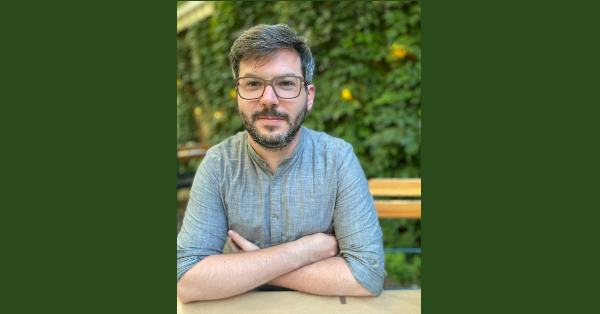
GeoTalk: meet Andreas Kvas, researcher of Earth’s gravity affected by climate change!
Hello Andreas. Welcome to GeoTalk! You’re a specialist in Geodesy, and your research surveys the Earth’s spatial and gravitational properties as they relate to climate change. Could you tell us more about how Geodesy can help us understand climate change? Geodesy studies Earth’s geometric shape, orientation in space, and gravity field. Each of these components changes in time and is af ...[Read More]
Learning from EGU’s first Peer Review Training: In conversation with Kifle Aregahegn
For the first time, EGU organized a Peer Review Training in September and October this year. It was attended by 50 participants, most of whom were early career scientists with little to no background in the peer review process. The training comprised three online sessions and an at-home exercise of reviewing real manuscripts. And of course, with feedback being key in such trainings, all participan ...[Read More]
Dive into the depths: 90 Years of Loch Ness monster lore
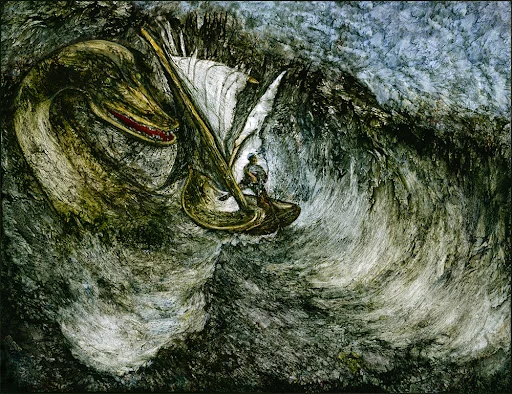
Folk tales and myths, they’ve lasted for a reason. We tell them over and over because we keep finding truths in them, and we keep finding life in them. ~ Patrick Ness, American-British author (*nae, this Ness isn’t related to Nessie) Is it an eel? Is it a snake? Is it a diplodocus with fins? No, it’s Nessie! If there’s one myth that has weathered the passage of time and stands in defi ...[Read More]
Biosphere Reserves: What are they and why must we care for them?
Today, 3 November, is globally recognized as the International Day for Biosphere Reserves. The first edition of this observance day was marked last year, with UNESCO urging our relationship with nature needed “a radical rethink.” As Audrey Azoulay, Director-General of UNESCO explains, “The logic is simple: to improve our relationship with nature, we must first improve our understanding of how we a ...[Read More]
Swamps may be considered spooky, but is there more than meets the eye?
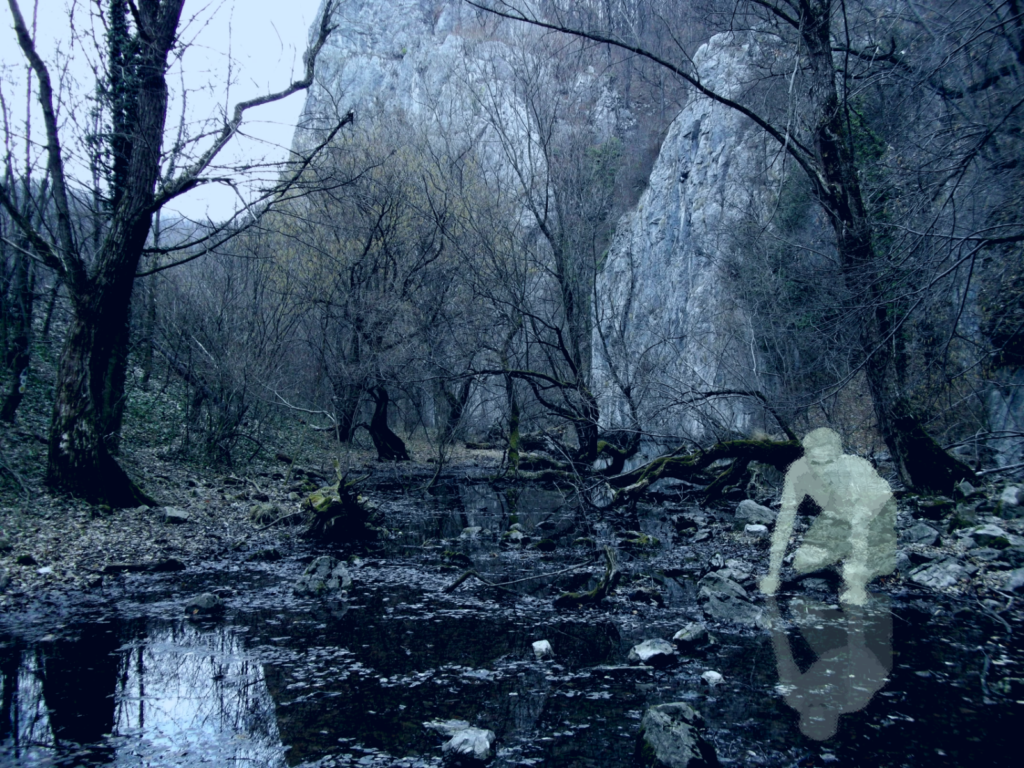
Swamps are spooky. This is the prevailing notion from the depiction of wetlands – the saturated lands of swamps, bogs, and fens – in the media. From the folktales of Will-o’-the-Wisps guiding travellers astray to the many, many swamp monsters of Scooby Doo, the sign is clear: a scrawled “stay away from here” thrust deep in the mud, writ by centuries of storytellers. As a reputation it’ ...[Read More]
GeoPolicy: From research to regulation – unpacking the EU Soil Directive
This month’s GeoPolicy Blog post unpacks the Directive on Soil Monitoring and Resilience, it’s impacts from research to regulation and how scientists can get involved with it. It can be challenging for scientists to understand and engage with the European policymaking process. The intricacies and nuances of the legislative process, with its numerous institutions, committees, and political pr ...[Read More]
International Archaeology Day: Challenging stereotypes about migration
Discoveries like excavations of prehistoric civilizations, shipwrecks with long-lost treasures, forgotten cities, and ancient tombs and temples, paint a vivid picture of archaeology and human history. Yet understanding how cultures evolved is often a more laborious process focused on prosaic finds; pottery shards, tools, implements, skeletal remains, art, inscriptions, pollen or soil samples, amon ...[Read More]
What does open science mean in the real world? My experiences in becoming EGU’s editorial manager
For nearly 7 months now, I have held the position of EGU’s editorial manager. However, my interest in and passion for open access and open science in general goes back several years. Here, it is important to make the distinction: open science is a broad concept that encompasses transparency and accessibility in the entire research process, while open access is an important component of open scienc ...[Read More]