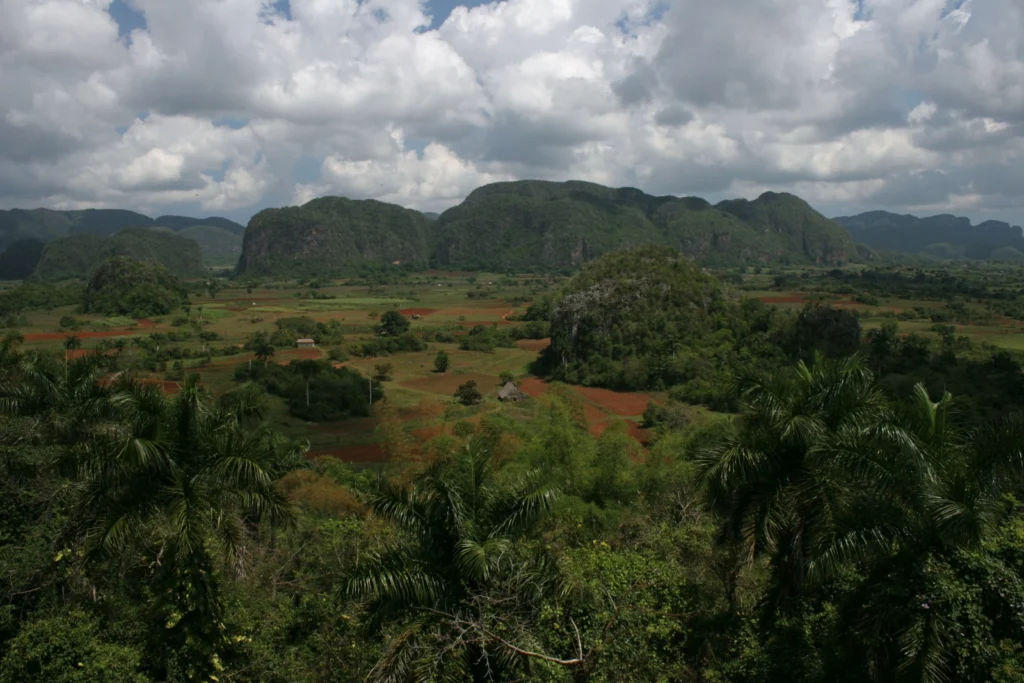
From last week’s unusual desert landscape to this week’s lush valley in Cuba… The picture shows the Vinales Valley, a karstic depression with mogotes in western Cuba. Karst is the general term for landscapes formed when limestone is disolved by carbonic acid, in rain water. This leads, in particular, to the formation of an underground …[Read More]
Stratigraphy, Sedimentology and Palaeontology
Light years from home – a geologist’s tale
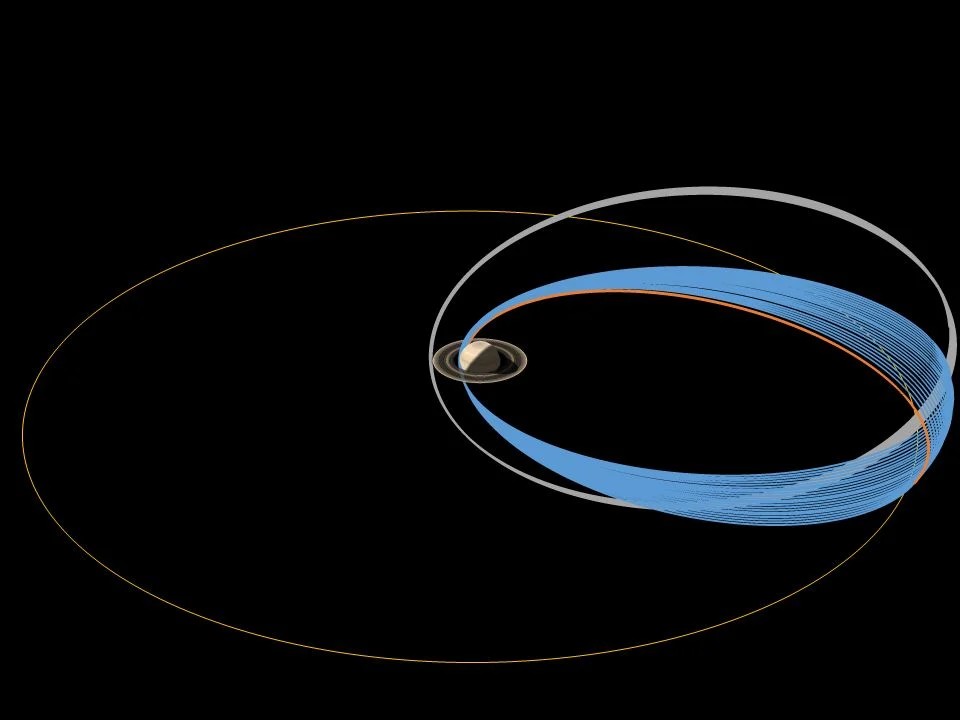
In a departure from the usual posts we feature on the blog, today Conor Purcell (a freelance science writer) brings you a thought provoking science fiction piece. Grab a drink and dive into this geology inspired adventure! “It’s typical geology for a rocky planet” K reported. “Captured beneath the ocean at its northern pole, the …[Read More]
May GeoRoundUp: the best of the Earth sciences from around the web
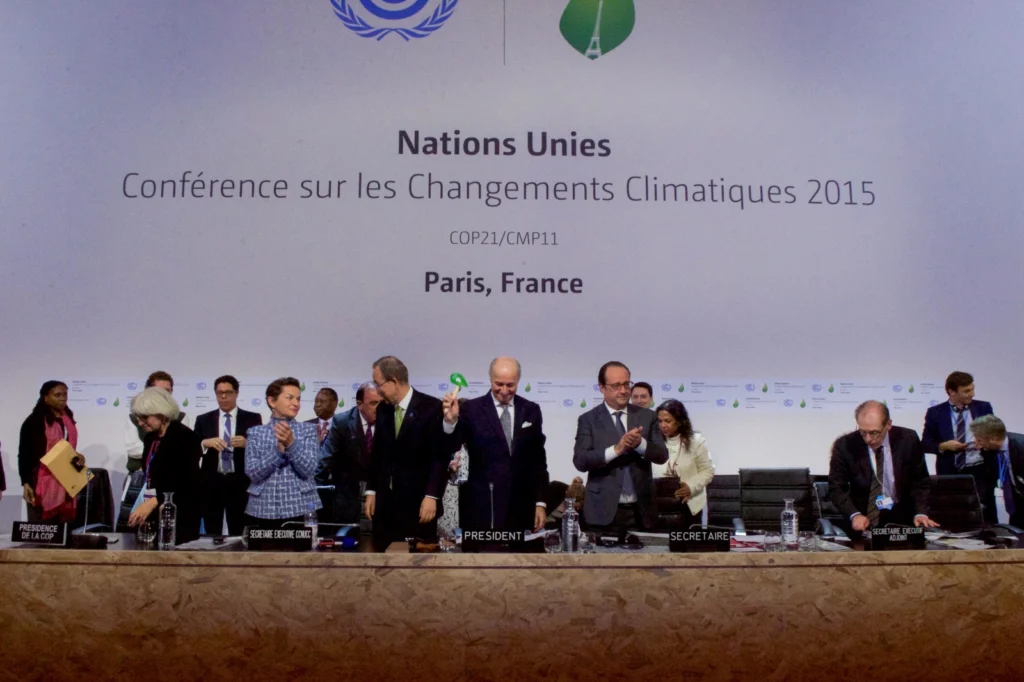
Drawing inspiration from popular stories on our social media channels, as well as unique and quirky research news, this monthly column aims to bring you the best of the Earth and planetary sciences from around the web. Major Story In the last couple of weeks of May, the news world was abuzz with the possibility …[Read More]
Imaggeo on Mondays: Natural Bridges Monument, Utah, USA
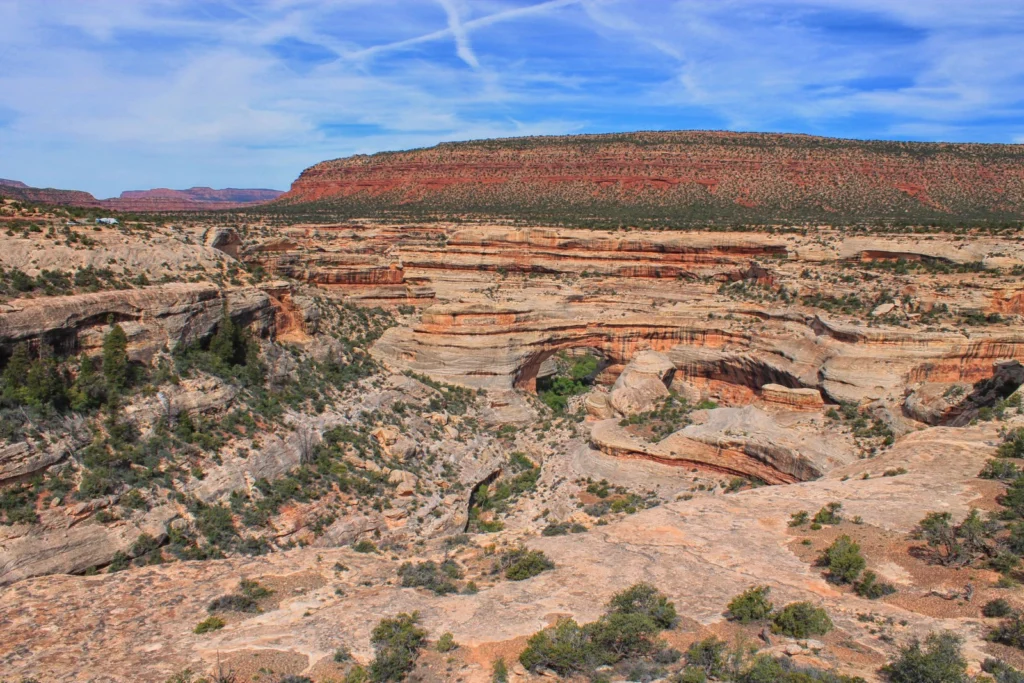
Slowly but surely, the force of water has carved out a beautiful landscape in the sandstones of the Colorado Plateau. Suspended over canyons, naturally formed bridges and arches are the starts of Utah’s first national monument. The geological and modern history of the region is rich as Kimberly Galvez, a student of the University of …[Read More]
April GeoRoundUp: the best of the Earth sciences from the 2017 General Assembly
This month’s GeoRoundUp is a slight deviation from the norm. Instead of drawing inspiration from popular stories on our social media channels and unique or quirky research featured in the news, we’ve rounded up some of the stories which came out of researcher presented at our General Assembly (which took place last week in Vienna). …[Read More]
March GeoRoundUp: the best of the Earth sciences from around the web
Drawing inspiration from popular stories on our social media channels, as well as unique and quirky research news, this monthly column aims to bring you the best of the Earth and planetary sciences from around the web. Major story While the March headlines might not have been dominated by a particular story, the state of …[Read More]
Imaggeo on Mondays: Erosion
In mountainous regions precipitation – be that in the form of rain, hail or snow, for example – drives erosion, which means it plays an important part in shaping the way the landscape looks. Precipitation can directly wear away at hillsides and creates streams and rivers, which leave their mark on the scenery by cutting …[Read More]
Imaggeo on Mondays: a storm is coming
Coastlines globally are immensely diverse: from the beautifully topical and sun kissed beaches of the Caribbean, to the wet and misty British coastline, through to the raw and wild Alaskan shores, they are home to scores of flora and fauna; rich habitats shaped by powerful forces of nature. In stark contrast, some coastlines, (28,000 km …[Read More]
Imaggeo on Mondays: Deep in the Himalayas
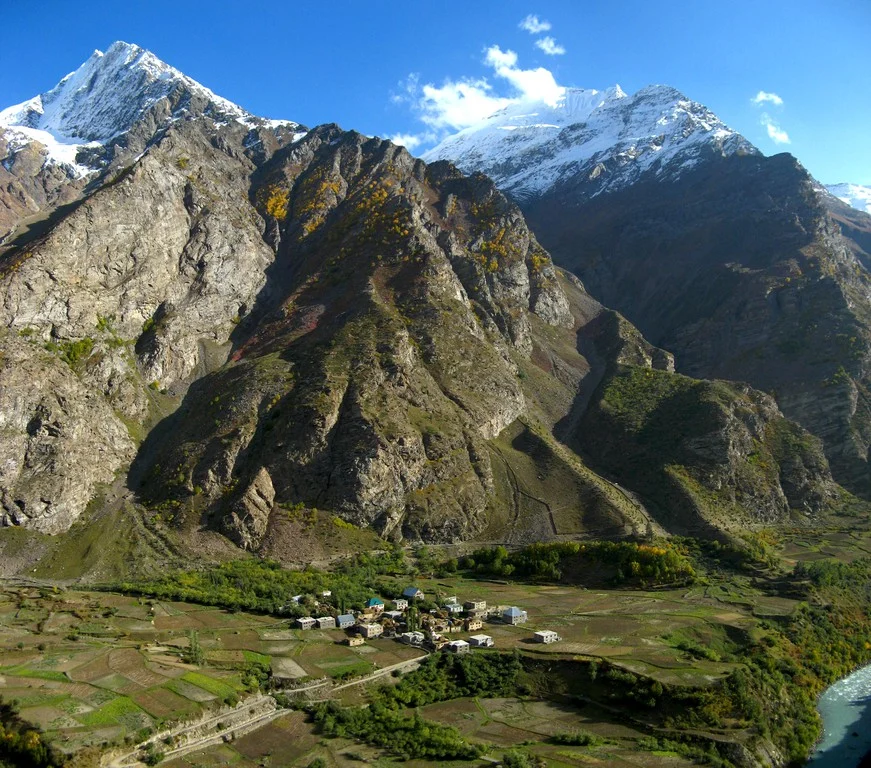
The Himalayas: vast, formidable and home to the Earth’s highest peaks. The mountain range stretches inexorably through Indian, Bhutan, Nepal, China (Tibet) and Pakistan separating the Tibetan Plateau to the north from India’s alluvial plains to the south. India, as we know it today, started life much further south, as an island not far off …[Read More]
Geosciences Column: Do coastlines have memories?
Did you know that the shape of coastlines is determined by the angle at which waves crash against the shoreline. It has long been thought that fluctuations in the wave incidence angle are rapidly felt by coastlines, which change the shapes of their shores quickly in response to shifting wave patterns. Or do they? Researchers …[Read More]