GeoLog

Stratigraphy, Sedimentology and Palaeontology

International Archaeology Day: Challenging stereotypes about migration

International Archaeology Day: Challenging stereotypes about migration

Discoveries like excavations of prehistoric civilizations, shipwrecks with long-lost treasures, forgotten cities, and ancient tombs and temples, paint a vivid picture of archaeology and human history. Yet understanding how cultures evolved is often a more laborious process focused on prosaic finds; pottery shards, tools, implements, skeletal remains, art, inscriptions, pollen or soil samples, among other …[Read More]

100 years since we learned dinosaurs laid eggs, what do we know now?

100 years since we learned dinosaurs laid eggs, what do we know now?

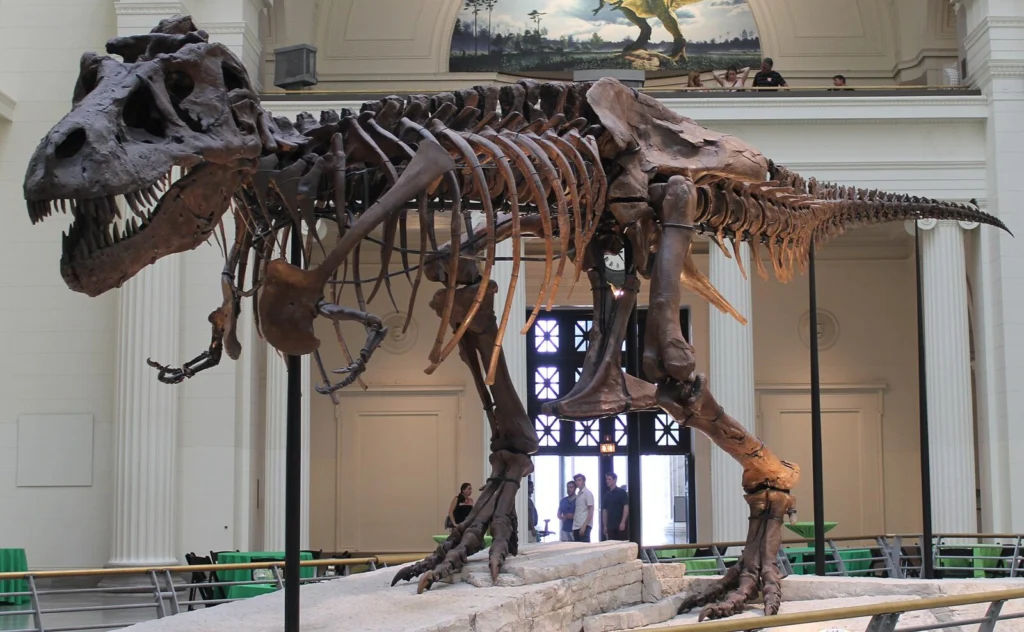
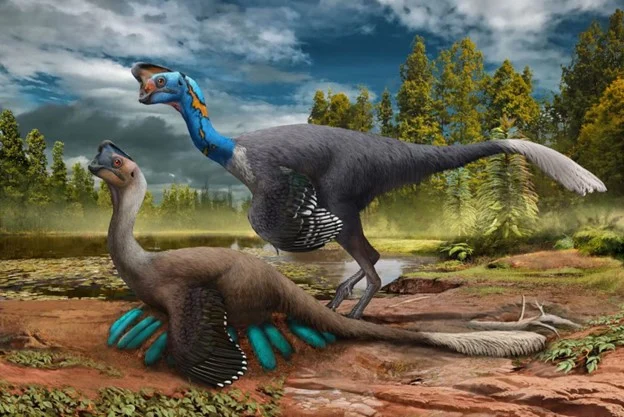
In July 1923, 100 years ago this month, scientists and explorers made an extraordinary discovery that forever changed our view of dinosaurs. An expedition to the Gobi Desert in Mongolia unearthed fossilized dinosaur eggs, in a nest, confirming that dinosaurs laid eggs like the reptiles that scientists at the time thought dinosaurs were. The find …[Read More]

GeoTalk: Meet Marisa Storm, Molecular Fossil researcher!

Marisa Storm

  Hi Marisa. Thank you for joining us today! Could you tell our readers a bit about yourself and your research? Hi, I am a geologist and organic geochemist, currently working as a postdoc at the NIOZ Netherlands Institute for Sea Research based on the island Texel. After my geology-focused undergraduate and master studies in …[Read More]

Imaggeo On Monday: A steady silent witness

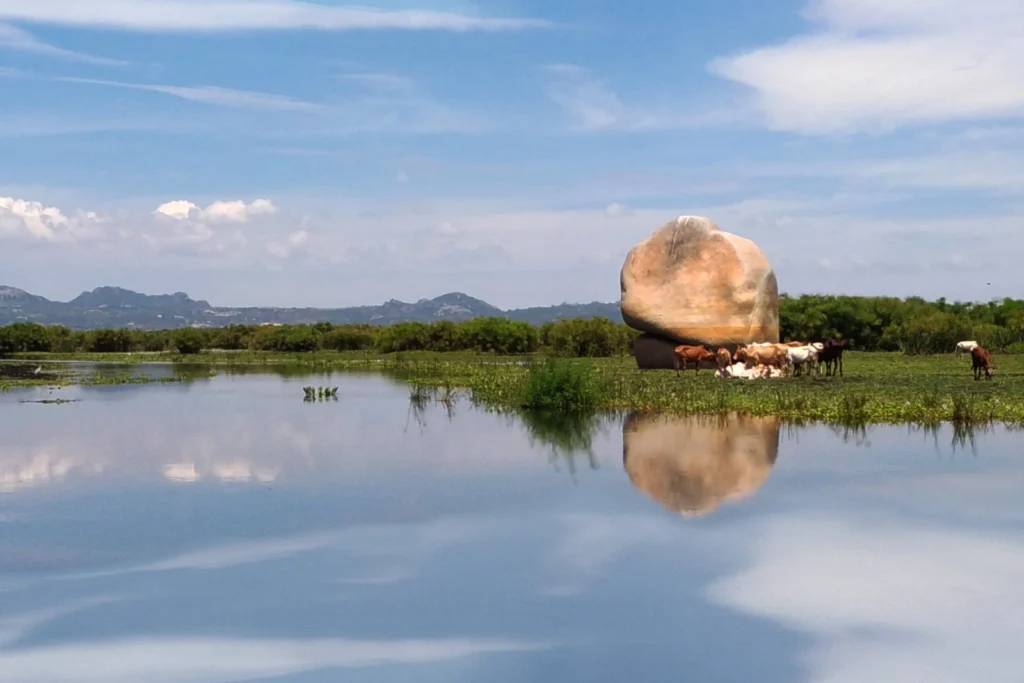
Imaggeo On Monday: A steady silent witness

I took this picture during a sunny field work day in the Mara Wetland, Tanzania. The granitic inselberg appeared to me as a huge silent witness not only of siltation and inundation of the wetland but also of the human actions. Slash-and-burn is widely used to deforest lands and riparian vegetation for new crops and …[Read More]

Imaggeo On Monday: Stands of Time

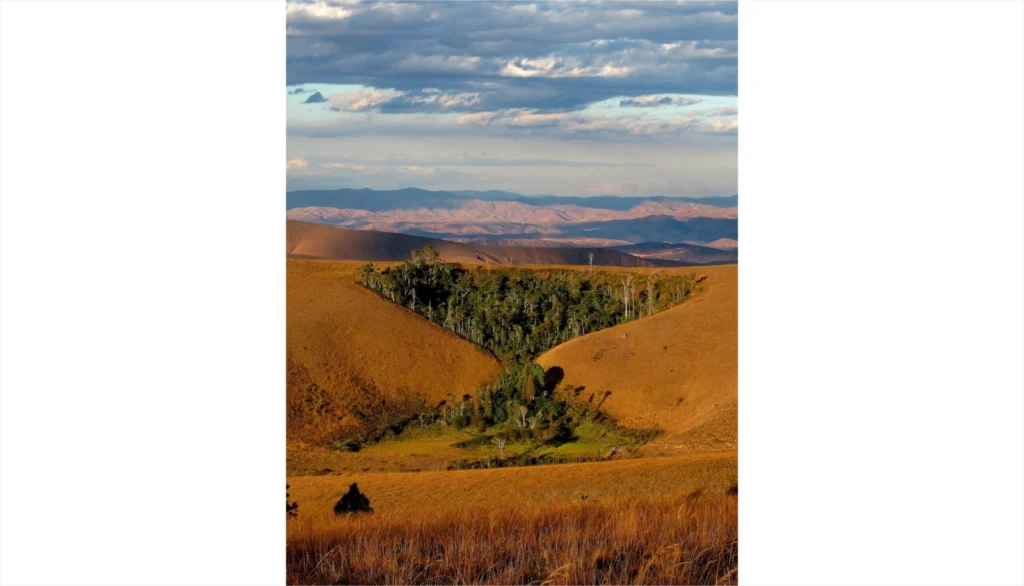
Imaggeo On Monday: Stands of Time

Within the heart of the Malagasy Hauts-Plateaux, the rolling grasslands are pitted by deep incisions locally referred to as lavaka (‘hole’ in Malagasy). These mass failure features provide vast quantities of terrestrial matter to local freshwater arteries, accounting for over 80% of the annual sediment load of the Betsiboka River. The collapse of the overlying …[Read More]