There is no doubt that 2018 was packed full of exciting, insightful and informative blog posts. An impressive 382 posts were published across the EGU’s official blog, GeoLog, as well as the network and division blogs! In December, to celebrate the excellent display of science writing across the network and division blogs, we launched the EGU Blogs competition. From a list of posts selected by our ...[Read More]
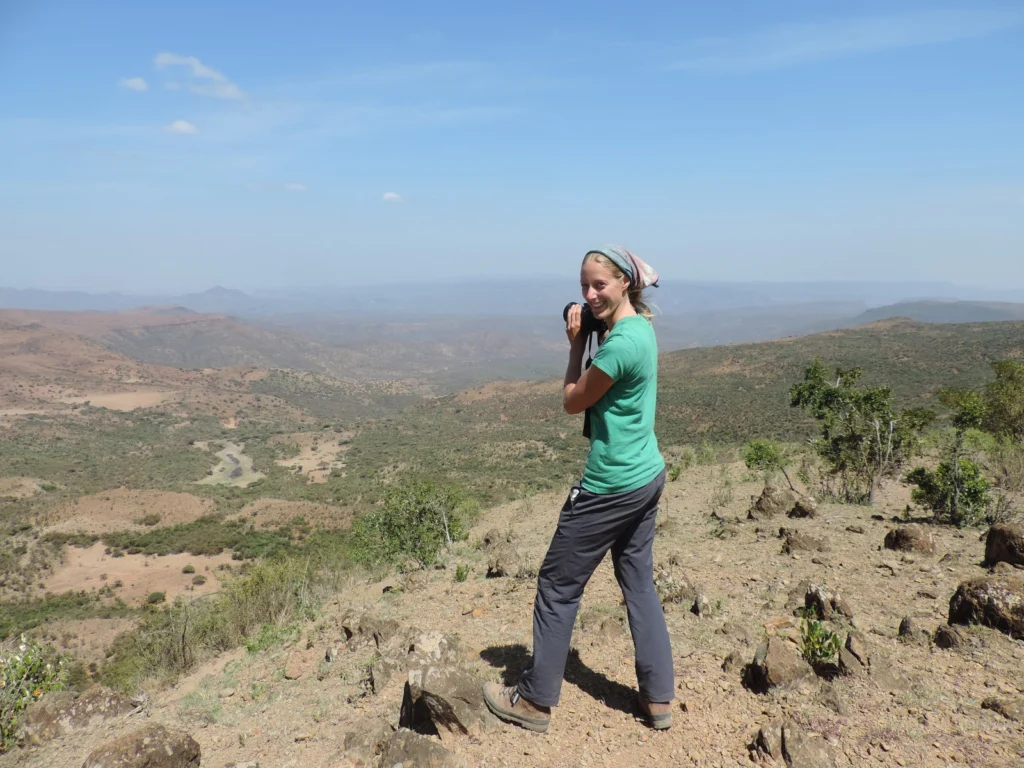
GeoTalk: Alena Ebinghaus, Early Career Scientist Representative
In addition to the usual GeoTalk interviews, were we highlight the work and achievements of early career scientists, this month we’ll also introduce one of the (outgoing) Division early career scientist representatives (ECS). The representatives are responsible for ensuring that the voice of EGU ECS membership is heard. From organising short courses during the General Assembly, through to running ...[Read More]
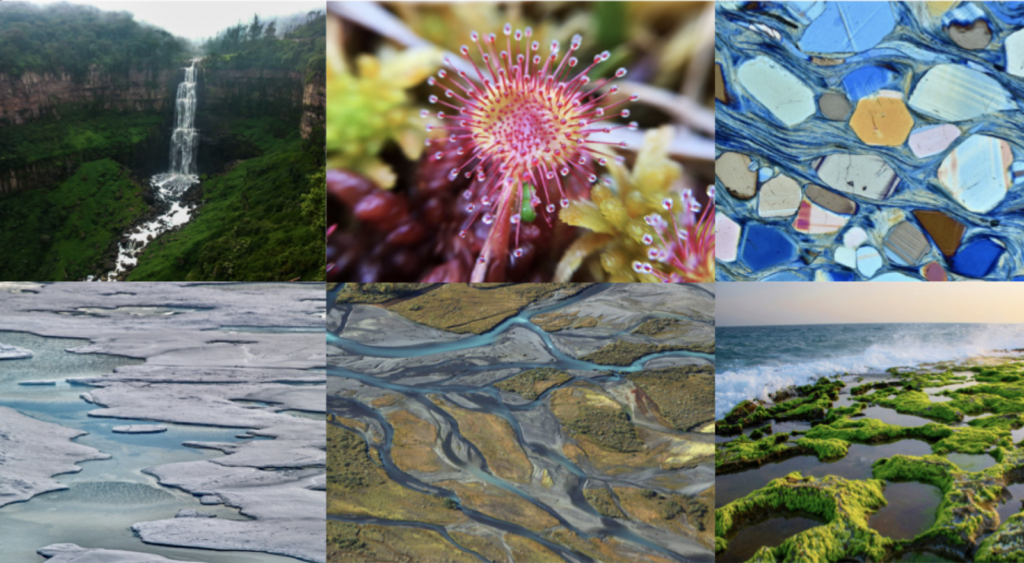
Imaggeo on Mondays: The best of imaggeo in 2018
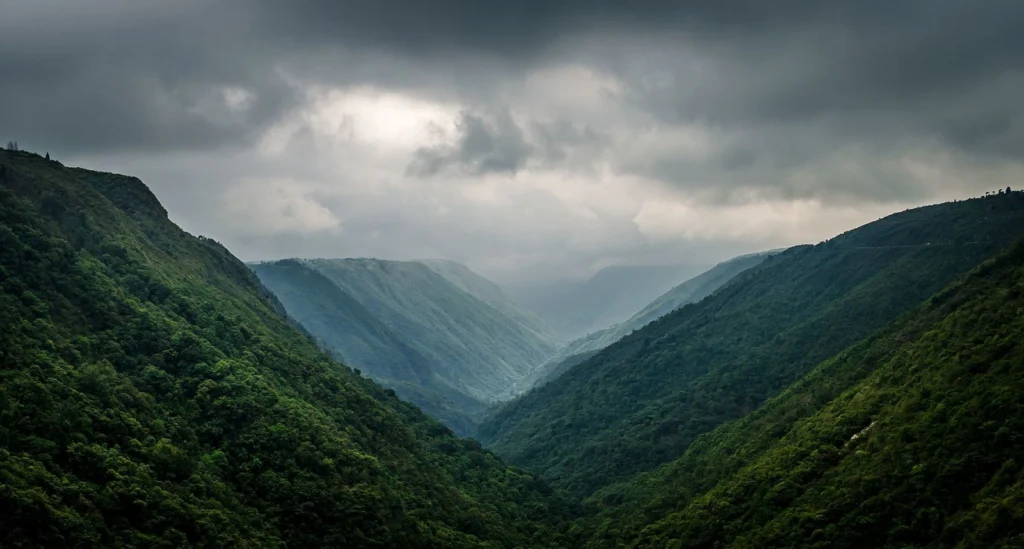
Imaggeo, our open access image repository, is packed with beautiful images showcasing the best of the Earth, space and planetary sciences. Throughout the year we use the photographs submitted to the repository to illustrate our social media and blog posts. For the past few years we’ve celebrated the end of the year by rounding-up some of the best Imaggeo images. But it’s no easy task to pick which ...[Read More]
Looking back at the EGU Blogs in 2018: a competition
The past 12 months has seen an impressive 382 posts published across the EGU’s official blog, GeoLog, as well as the network and division blogs. From an Easter-themed post on the convection of eggs, features on mental health in academia, commentary on the pros and cons of artificial coral reefs, advice on presenting research at conferences, through to a three-part “live-series” on the ...[Read More]
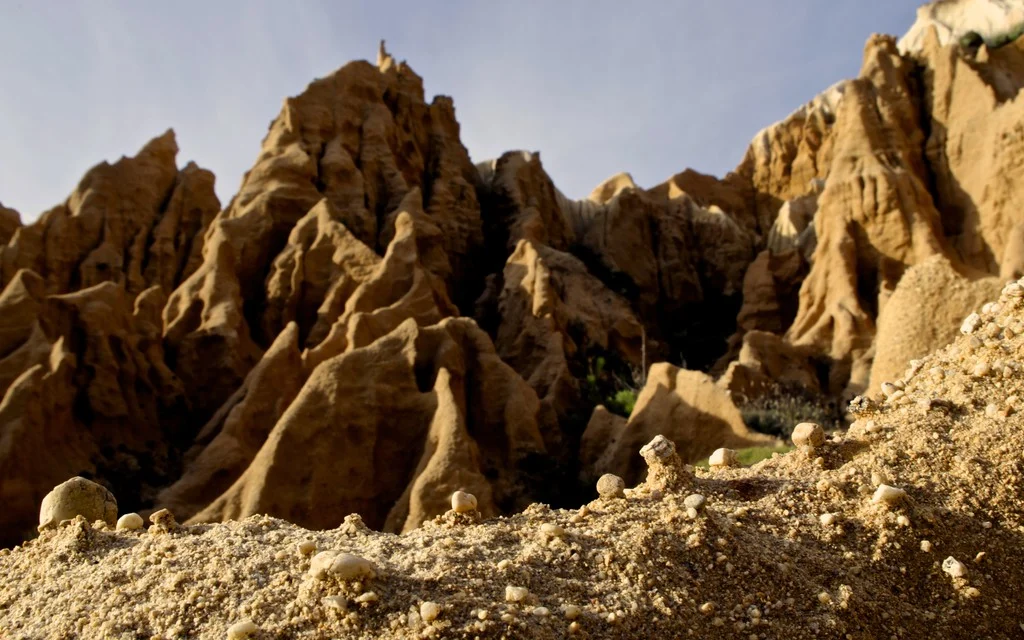
Imaggeo on Mondays: Small scale processes, large scale landforms
This picture was taken in a sea cliff gully landscape at the Portuguese coast. It shows the microrelief which small scale wash and erosional processes produce in these poorly consolidated sediments. These small scale landforms could be interpreted as initial stages of larger scale gully landforms, which can be seen in the back. This highlights the importance of regarding scales and scale linkages ...[Read More]
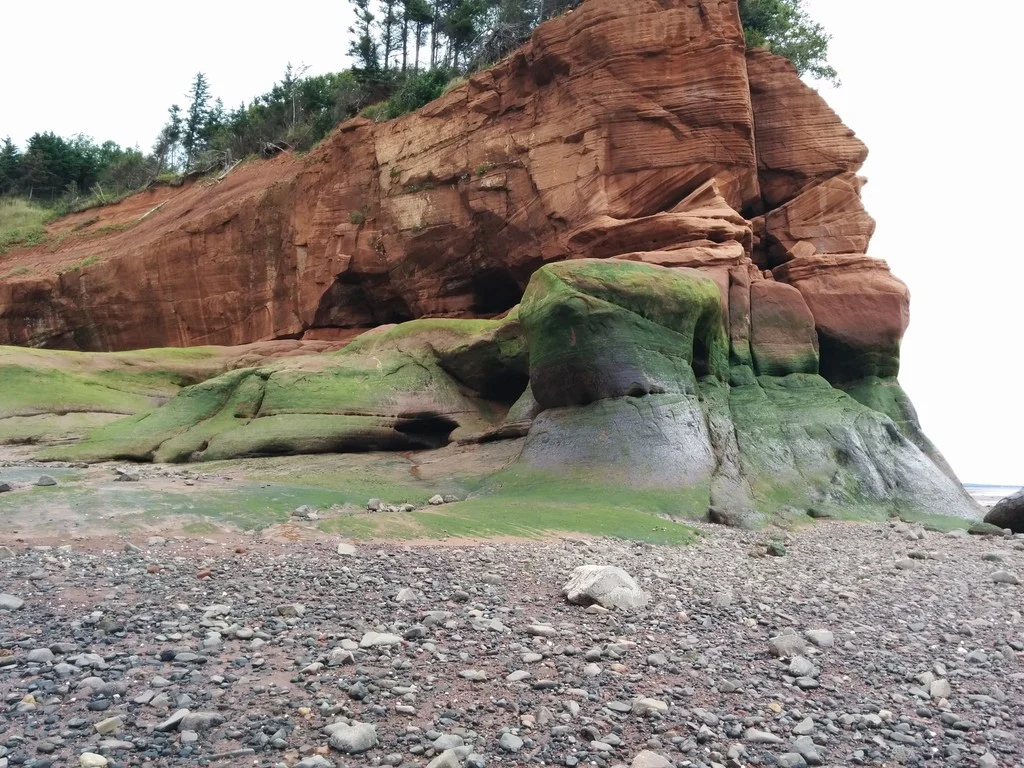
Imaggeo on Mondays: A modern cliff hides ancient dunes
Ancient sand dunes exposed off a cliff face on the shoreline of Nova Scotia at the Islands Provincial Park. The juxtaposition of the high angled strata and flat lying layers above revels the drastic change in climate in Nova Scotia’s history; from vast sand dunes to a calm lake system, and presently the western coastline of the Atlantic Ocean. Description by Robert Wu, as it first appeared o ...[Read More]
Living in a new Age
If you were suddenly told you were living in a different time period, what would your immediate reaction be? Changes in the calendar – even if it’s just terminology – have proven emotive in the past. In 1752, when England shifted from the Julian to Gregorian calendars, and 11 days were cut from 1752 to catch up, there are suggestions that civil unrest ensued. Once again, the name of the period in ...[Read More]
July GeoRoundUp: the best of the Earth sciences from around the web
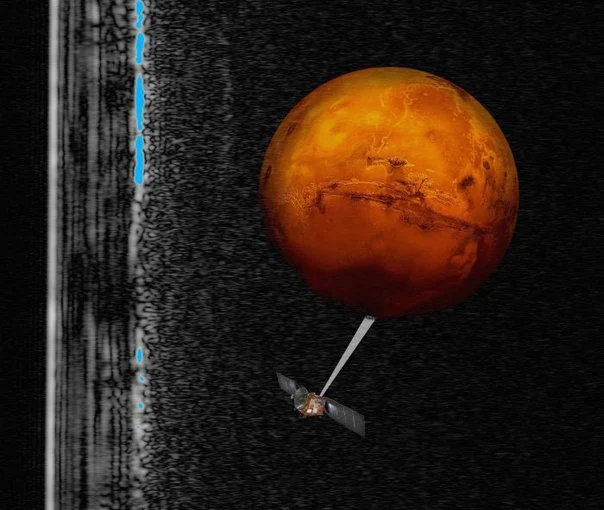
Drawing inspiration from popular stories on our social media channels, as well as unique and quirky research news, this monthly column aims to bring you the best of the Earth and planetary sciences from around the web. Major stories Signs of water 55 million kilometres away Last week scientists announced that they have found signs of existing water on Mars, offering new hope to the possibility o ...[Read More]
Imaggeo on Mondays: Probing the Pliocene
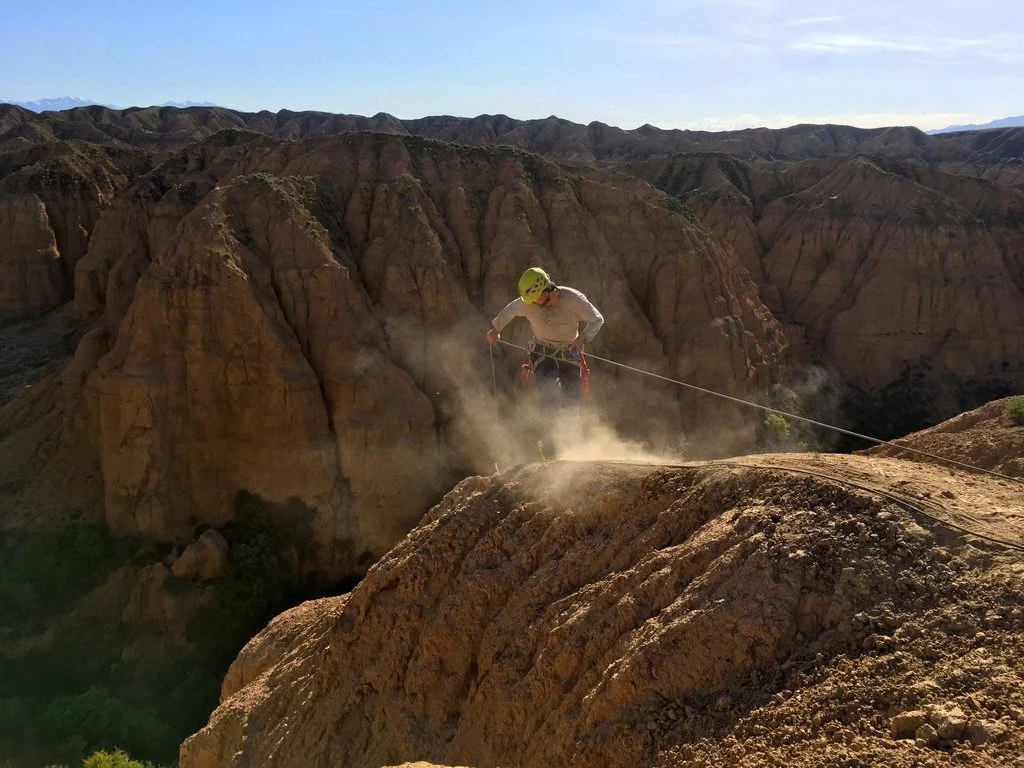
The heights we go to for science… This photograph shows a member of our team preparing to abseil down a cliff in the Charyn Canyon, in the Ili River basin of southeast Kazakhstan. The Charyn River and its tributaries, a branch of the Ili River north of the Tien Shan Mountains, have cut canyons up to 300 metres deep, carving through rocks of different geologic ages, some as old as 540 million years ...[Read More]
Imaggeo on Mondays: Nummulites, the living lentils
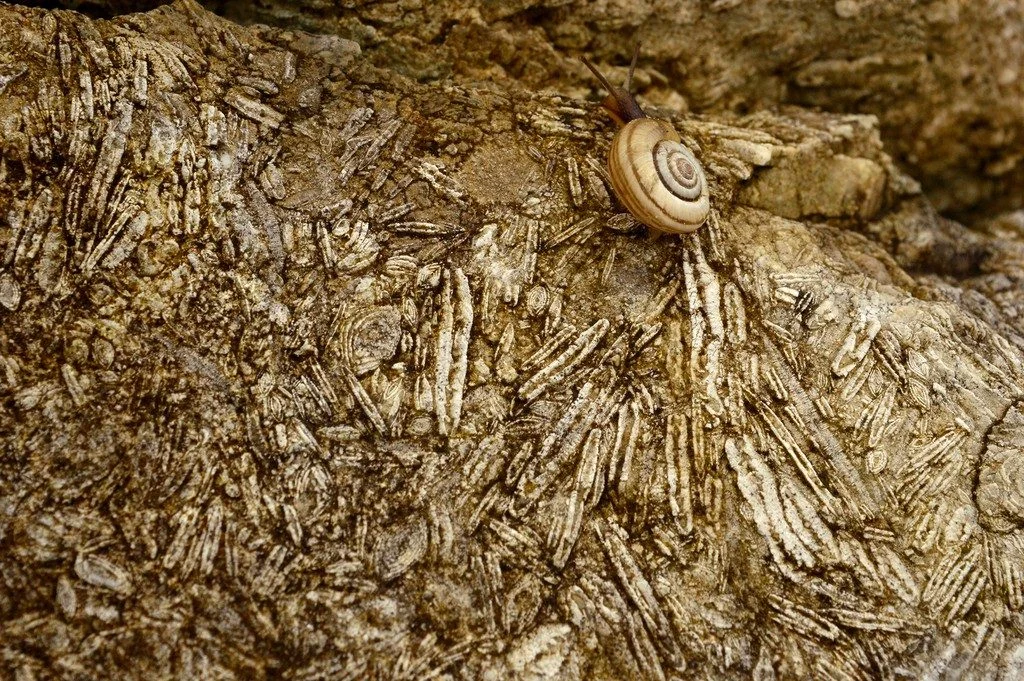
This photograph depicts a close-up of Eocene limestones from the Sardinero Formation in Cantabria (Northern Spain). The limestone is rich with foraminifera shells, most of them from the Nummulitidae family. These organisms once lived in a very shallow sea that separated Europe from Iberia in the late Mesozoic and early Cenozoic era. Later the sea basin’s closure led to the formation of the Pyrene ...[Read More]