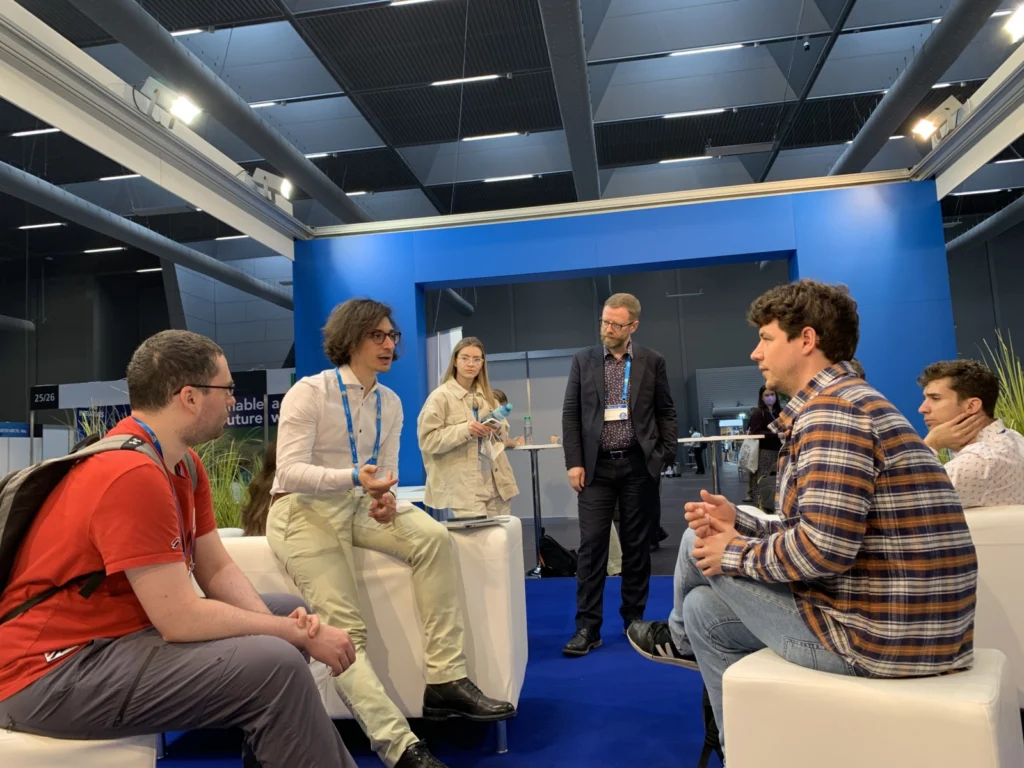
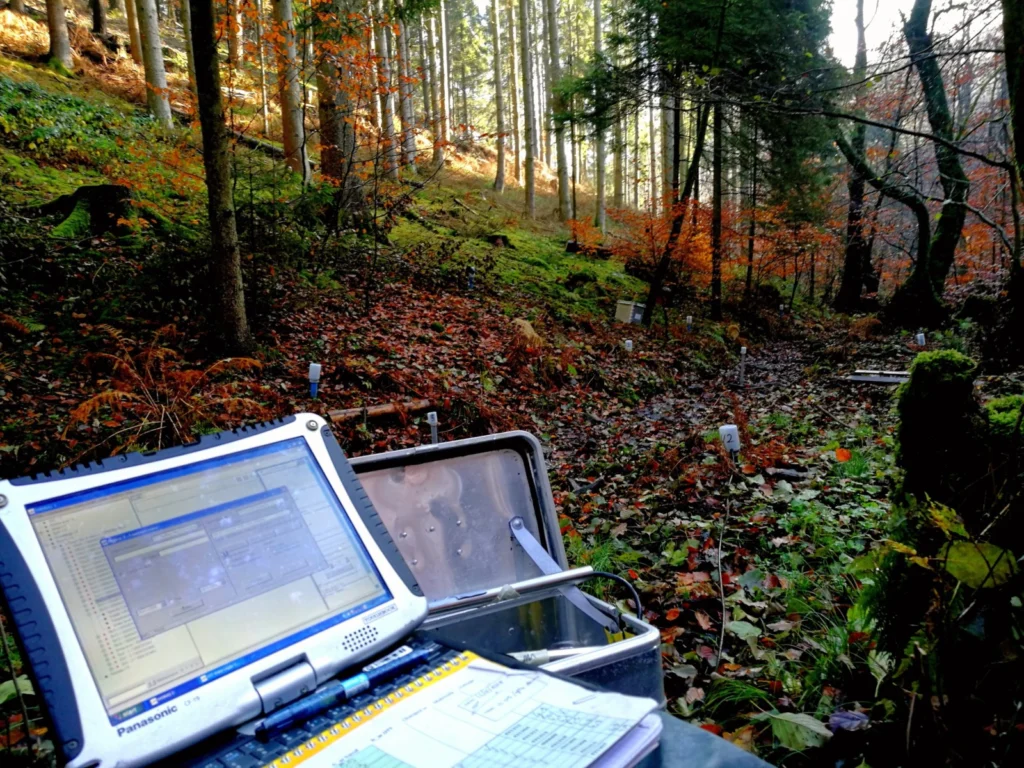
It’s October and that means that once again it’s time for Earth Science Week – a week long celebration of all things Earth Science, initiated by the American Geosciences Institute! To learn more about this history of Earth Science Week check out our previous blog post, but this year the theme is ‘Earth Science for …[Read More]
Science Communication
GeoPolicy: Top 10 science for policy resources recommended by the EGU’s Science for Policy Working Group
EGU’s Science for Policy Working Group aims to promote greater collaboration between the geoscientific community and policymakers, highlight policy-relevant outputs from EGU scientists, and support evidence-based policy. Not only does the Working Group support EGU’s policy activities but it also provides individual members with relevant information and opportunities through the EGU’s Science for Policy Newsletter, …[Read More]
To accept or not accept: what makes a good scientific editor
Researchers and those in academia sooner or later come across the scientific editor: the gatekeeper of scientific journals. The editor plays a key role in the publishing process, working closely with authors and reviewers to implement an unbiased peer-review process that upholds rigorous standards. They are often experienced scientists and experts in their field who …[Read More]
Interactive peer review: The foundation of EGU’s open access journals
Some 20 years ago, a group of young atmospheric scientists united to shake up the scientific publishing world. Their novel idea was to make the peer review process transparent and allow the scientific community to participate in the discourse – in the truest sense of the word: “reviewed by the peers.” From day one, this …[Read More]
Who is an EGU Early Career Scientist Representative and what do they do?
Early Career Scientists (ECS) are students, PhD candidates and scientists who received their highest degree within the last seven years (with extensions for parenting, illness, disability and national service). We make up over 60% of the EGU membership and we are active in research, science communication, publishing, Equality Diversity and Inclusion (EDI) initiatives, networking, convening …[Read More]
How a Spanish newspaper experiment is improving public understanding of climate change
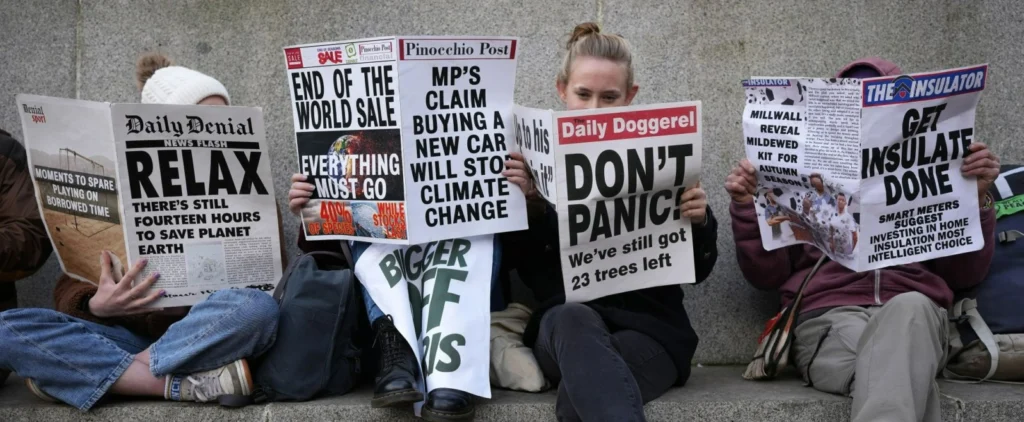
Climate change is not a new phenomenon. Nor is global warming. So why do researchers report a poor public understanding of this subject around the world? According to a recently published study, 70% of the people surveyed said they were concerned about rising global temperatures but had little knowledge about the climate crisis. When asked …[Read More]
Science is not immune to fraud: How a Microbiologist-turned-Integrity Consultant spots scientific misconduct
Elisabeth Bik is as brave as they come. She has been threatened personally and professionally by people she’s never met, only because she dares to critique some of the most widely read and published scientific papers in the world. The Dutch microbiologist discovered her unique skill of spotting – manually, with her naked eye – …[Read More]
The ancient art and science of mining: a look back at the 1500s
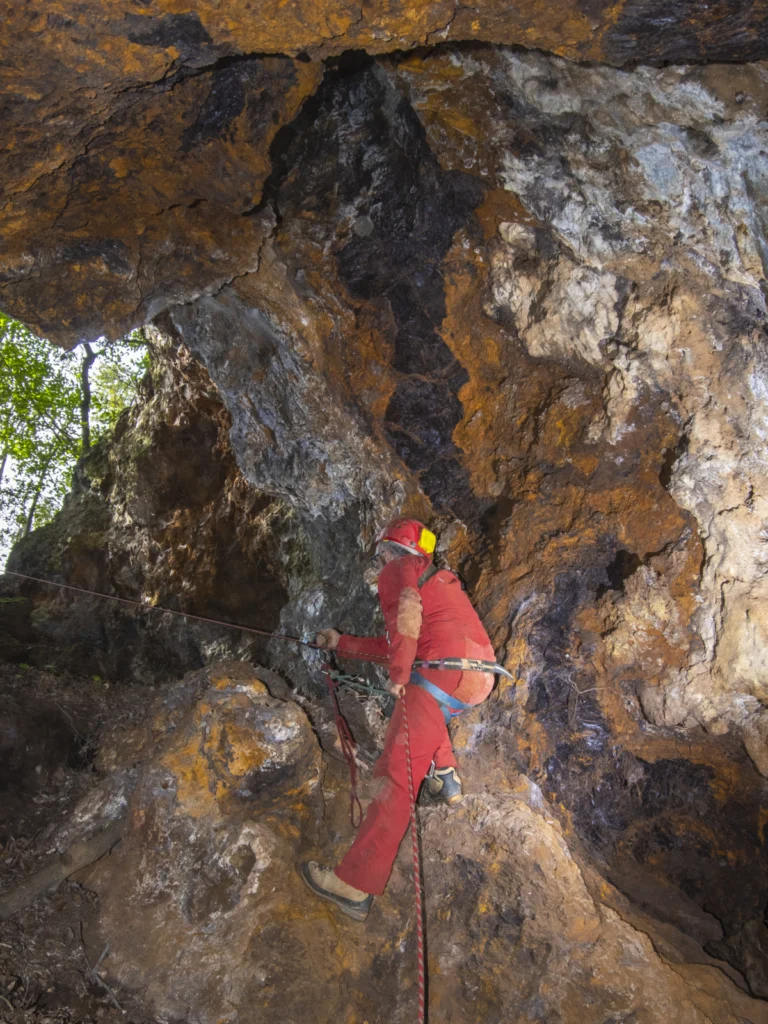
Sean Daly is a (now retired) Canadian mining geologist with 40+ years of experience, who has dedicated his career to understanding the close relationship between mining, geology and society. His recent book “From the Erzgebirge to Potosi: A History of Geology and Mining Since the 1500’s” traces the history of mining and geology from the …[Read More]
GeoTalk: meet Céline Heuzé, award-winning Early Career Ocean Scientist!
Hi Céline. Thank you for joining us today. Congratulations on winning the 2022 Ocean Sciences Division Outstanding Early Career Scientist Award! Could you tell our readers a bit about yourself and your research? As of just a few months ago, I am tenured! My exact job title is “Senior Lecturer in climatology” at the University …[Read More]
EGU22: A scientific conference through the eyes of artist Jakub Stepanovic
I am not a scientist by profession, but some years ago, I started seeing the far-reaching impact of geosciences as I navigated some of the Earth’s fascinating locations. From wild, remote areas to urban jungles, I learned to appreciate the sciences that make sense of places, and this concept started to inspire my artistic practice. …[Read More]