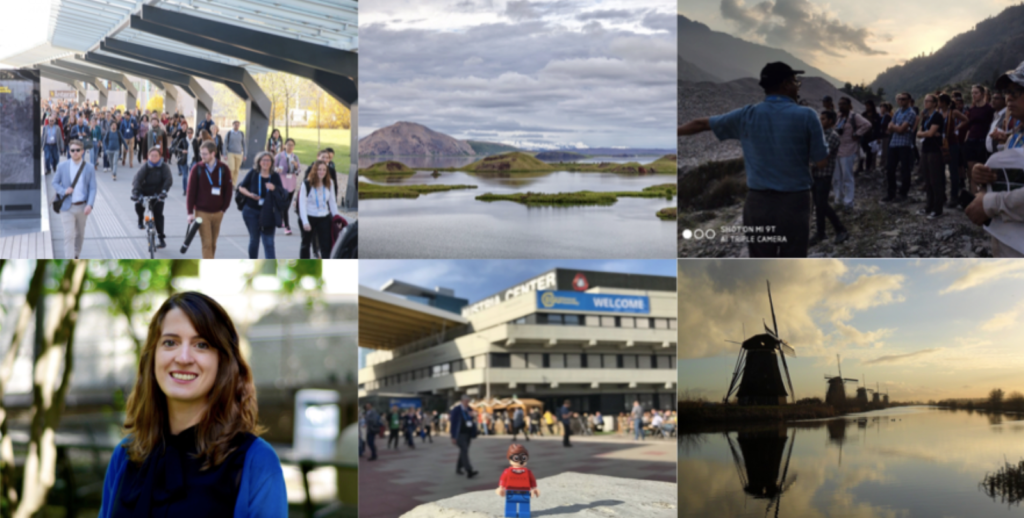
The EGU wishes all our readers happy holidays and very warm wishes for the new year. And for a chance to be featured on GeoLog throughout the new year, don’t forget to submit your field and lab based photographs and other visuals to Imaggeo: our open access image repository. All geoscientists (and others) can submit their photos and videos to this gallery and, since it is open access, these images ...[Read More]
Regular Features
GeoTalk: Olivia Trani – reflections on a communication officer’s career with EGU
GeoTalk interviews usually feature the work of early career researchers, but this month we deviate from this format to speak with Olivia Trani, who has served as EGU’s Communications Officer for the past couple of years. In this role Olivia has skillfully managed the Union’s social media presence and the EGU blogs. She has also served as the point of contact for EGU’s early career scientists. Oliv ...[Read More]
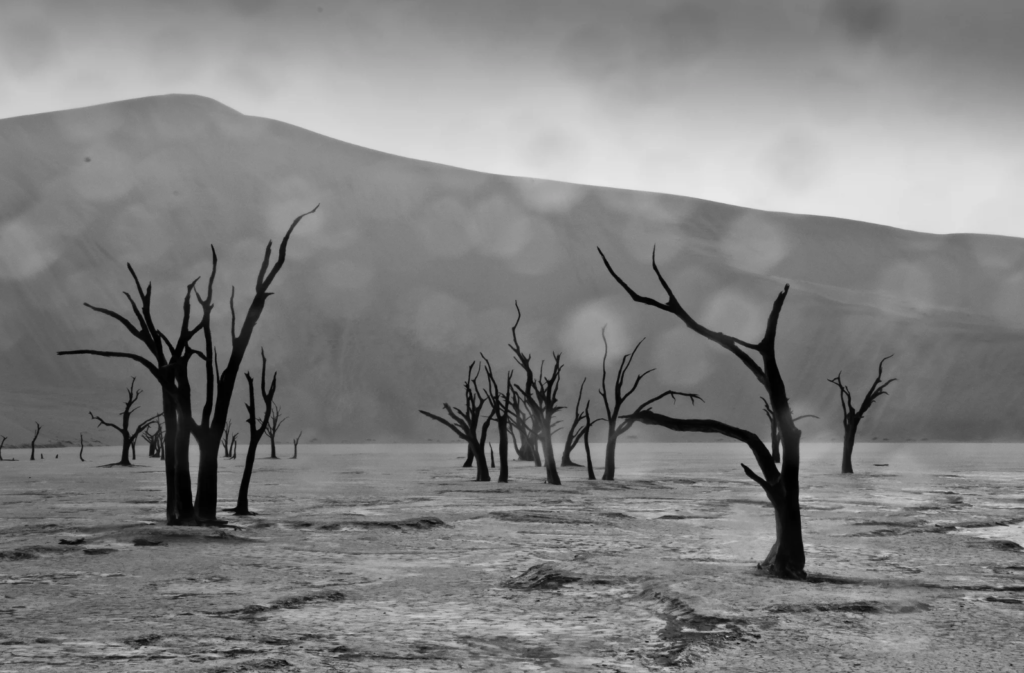
Imaggeo on Mondays: Rain on the Namib Desert
Pictured here is the arid Namib Desert on a not-so-arid day. The desert is known for its extremely dry conditions and abundance of sunshine, but this photo, taken by Christoph Schmidt, chair of geomorphology at the University of Bayreuth in Germany, gives us a rare glimpse of a rainy day. The Namib Desert spans about 81,000 square kilometres in southwest Africa, stretching throughout the entire co ...[Read More]
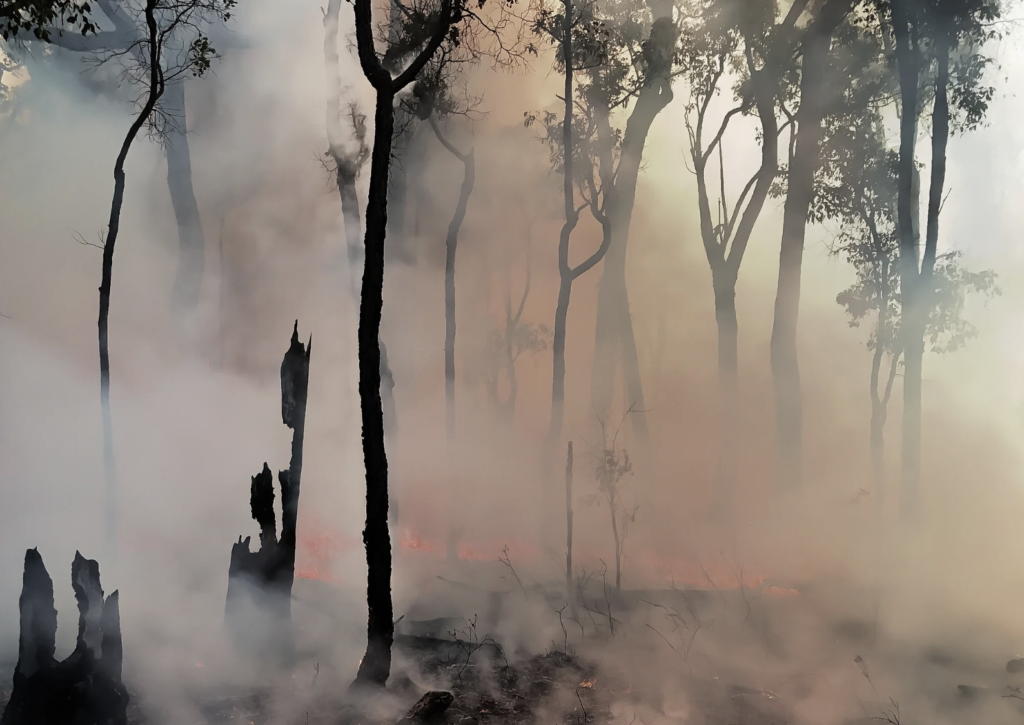
Imaggeo on Mondays: Setting trees aflame to understand the carbon balance of fires
Smoke clears after an experimental wildfire in Australian eucalyptus forest carried out for carbon balance estimations of wildfires. We meticulously measured the carbon in all leaves, twigs, logs and bark in a forest block about 35km east of Manjimup and then they set it on fire with help from the Dept. of Parks and Wildlife, [Western Australia]. We the counted the carbon all over again including ...[Read More]
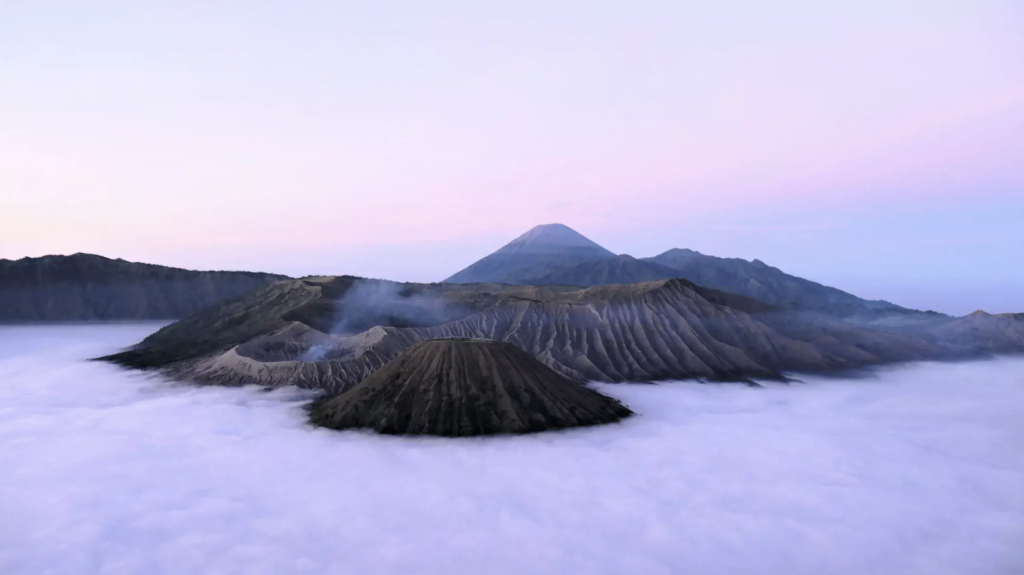
Imaggeo on Mondays: Mount Bromo – volcanic deity
Featured in this photo, rising out from a sea of violet fog at dawn, is one of Indonesia’s most iconic volcanoes, Mount Bromo. The mountain is a large volcanic crater, also known as a caldera, which formed when an ancient cone volcano collapsed in the late Pleistocene and early Holocene epochs, between 126,000 and 8,300 years ago. The current structure stands at 2,392 metres in the eastern region ...[Read More]
GeoPolicy: Communicate Geoscience? Let’s do it!
This month’s GeoPolicy Column was written by Alexander Roesner, a researcher at MARUM (the Center for Marine Environmental Sciences) and the winner of the EGU’s 2019 ECS Policy Competition, which provides the winner with funding to attend the EGU’s science-policy event, Shaping EU Missions in Brussels. Roesner outlines his motivation for applying for the competition and reflects on his experience. ...[Read More]
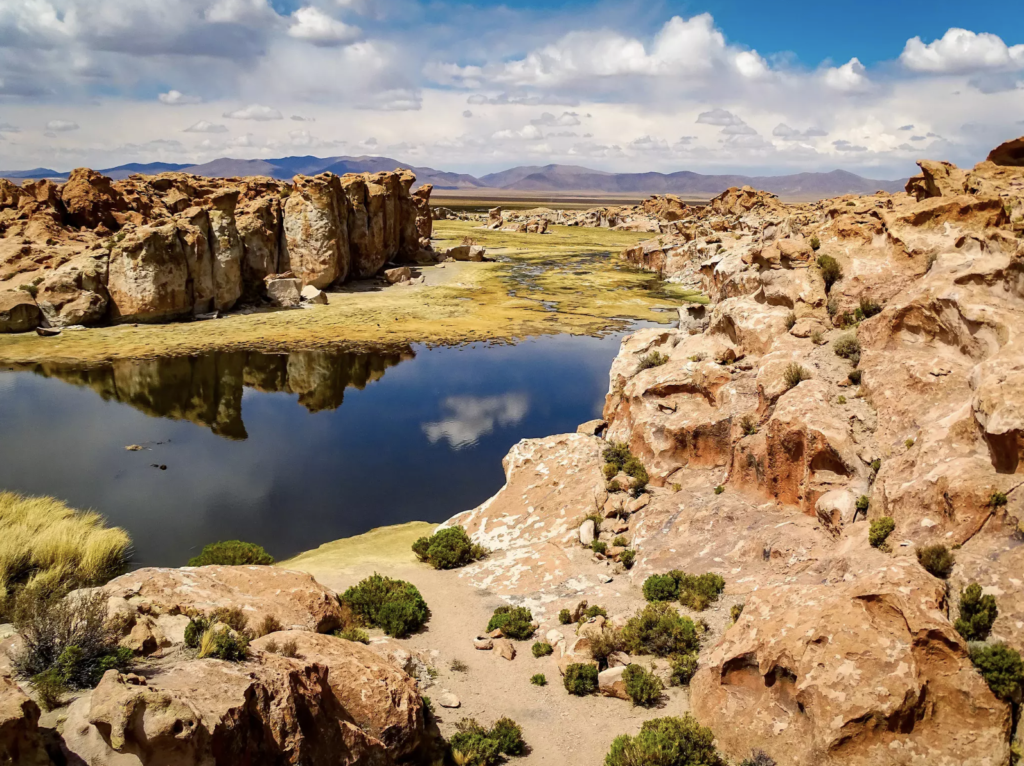
Imaggeo on Mondays: Journey to Bolivia’s Laguna Negra
This week’s featured photo showcases one of the most geologically diverse landscapes of South America: the Altiplano, the high plateau of the Andes. This plateau covers roughly 200,000 square kilometres in central South America, stretching from southern Peru to northern Argentina. The high-elevation plain sits between the eastern and western chains of the Central Andes and is home to a myriad of n ...[Read More]
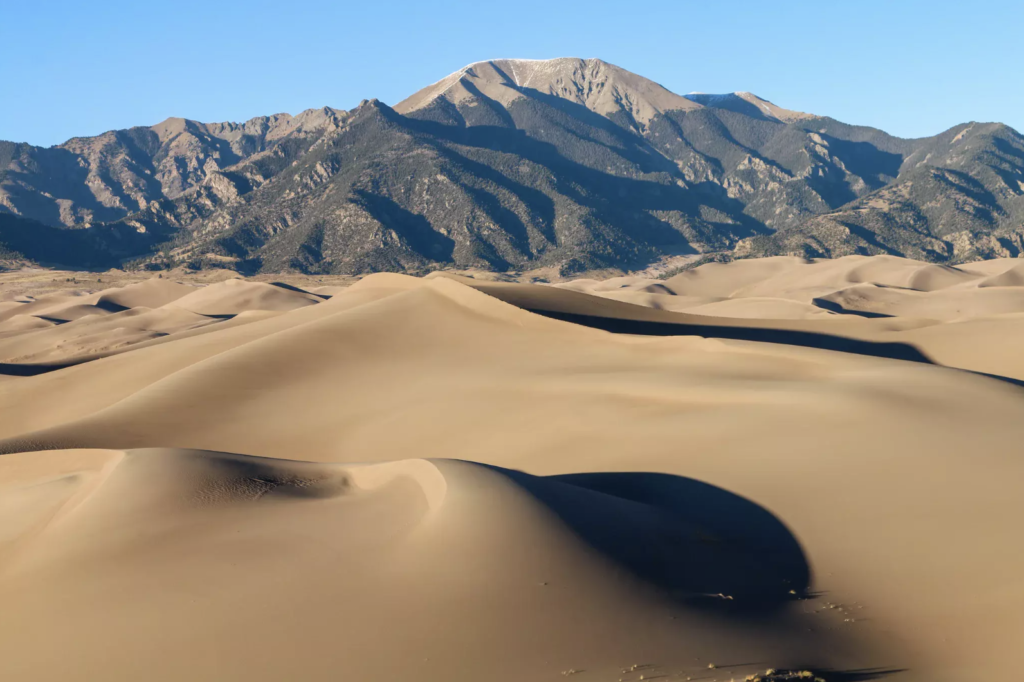
Imaggeo on Mondays: Great sand dunes and beyond
Driving eastwards through the San Luis Valley in south central Colorado, United States, the Great Sand Dunes emerge at the foot of the Sangre de Cristo Range in the northeast of the region’s upland plain. The origin story of these great dunes begins during a time of glacial melt, five to three million years ago, when the rivers of the surrounding mountains filled the basin with water and sediments ...[Read More]
GeoTalk: Introducing EGU’s new Head of Media, Communications and Outreach
GeoTalk interviews usually feature the work of early career researchers, but this month we deviate from the standard format to speak to the newest member of the EGU office, Terri Cook. Terri is an award-winning science and travel writer who has a passion for geology and storytelling. You can find her work featured in a number of news outlets, including Scientific American, New Scientist, Eos, Lone ...[Read More]
Imaggeo on Mondays: Civita di Bagnoregio – the dying town
On top of a steep cliff standing out from the surrounding countryside, lies the small town of Civita di Bagnoregio, one of the most famous villages of Italy. It is often called the dying town, although more recently people have started to refer to it as fighting to live. What this little town is fighting against is the threat of erosion, as its walls are slowly crumbling down. Located in central I ...[Read More]