GeoLog

Regular Features

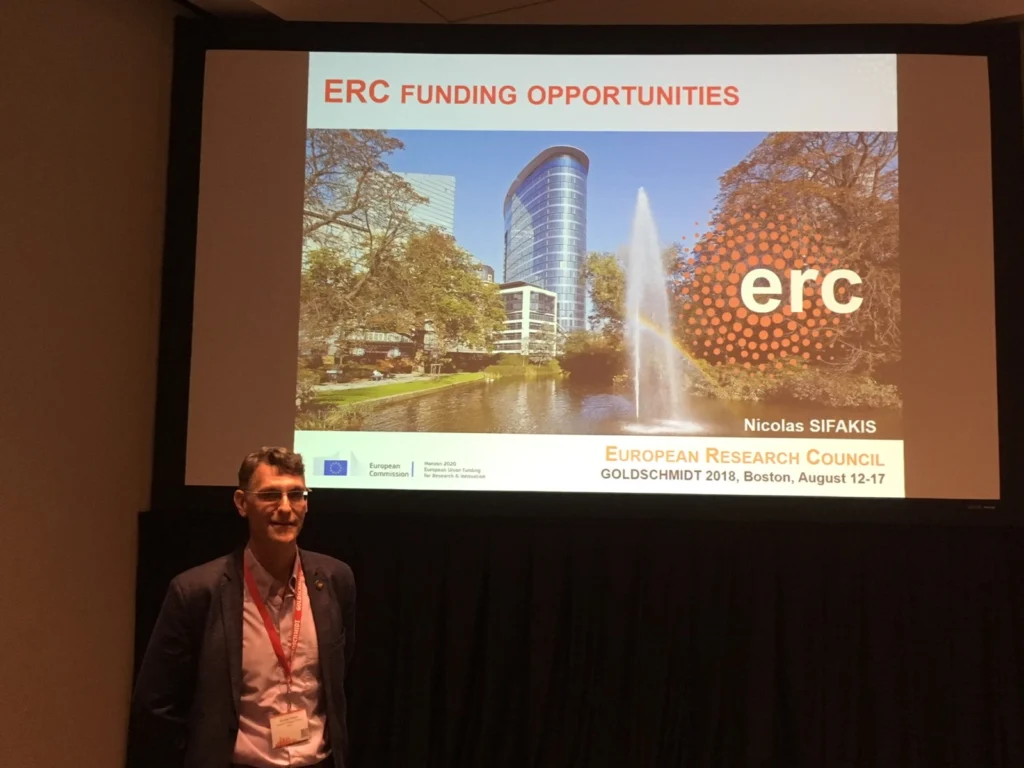
GeoPolicy: Interview with the former President of the European Research Council – Jean-Pierre Bourguignon

GeoPolicy: Interview with the former President of the European Research Council – Jean-Pierre Bourguignon

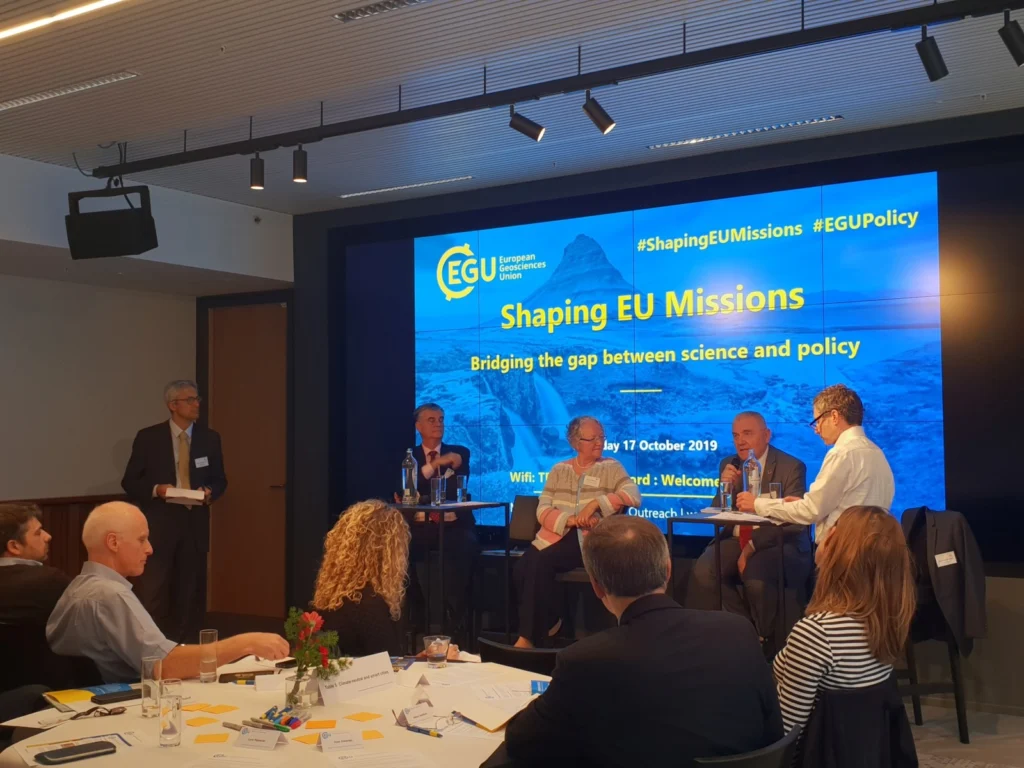
I recently had the honour of interviewing Professor Jean-Pierre Bourguignon, who completed his six-year term as the President of the European Research Council (ERC) at the end of 2019. As an award-winning mathematician, he has been a fellow of the Centre National de la Recherche Scientifique for most of his career. Bourguignon held a Professor position at École Polytechnique (1986-2012) and served ...[Read More]

Imaggeo on Monday: Time-proven shelter in drifting snow

Imaggeo on Monday: Time-proven shelter in drifting snow

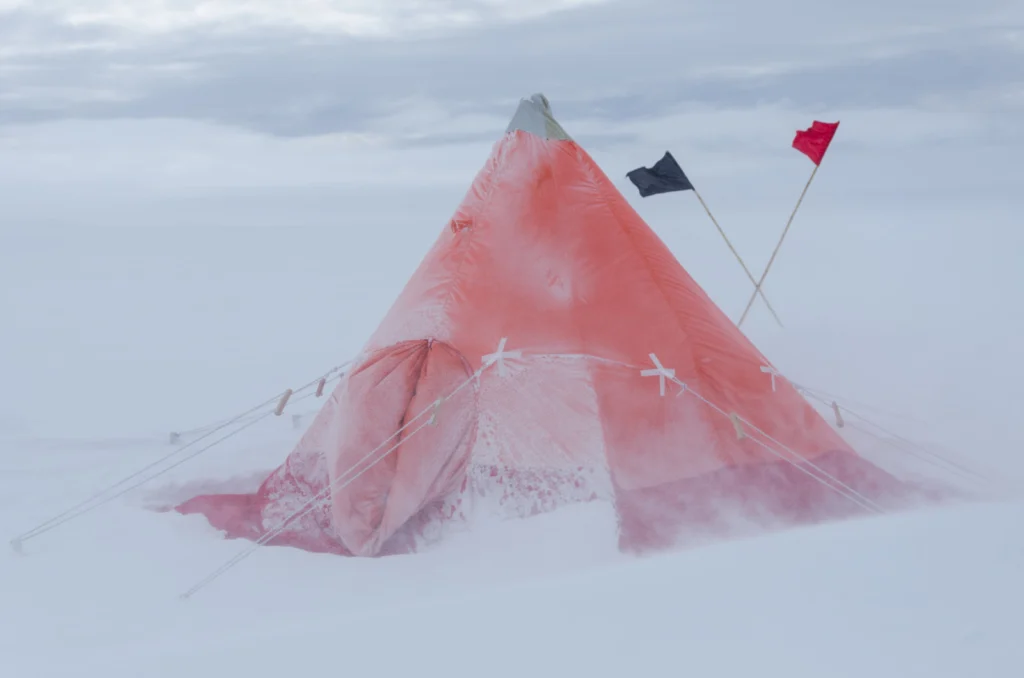
During my PhD I was working at the German Neumayer III station in Antarctica for my research on polar atmospheric chemistry. Since my instrument was set up on an observatory south of the main station, every day I would walk past a Scott pyramid tent to go and do my research. One day, in the midst of an Antarctic storm, I caught sight of the tent deep in the drifting snow, and took this picture. Th ...[Read More]

GeoTalk: Meet the EGU’s next president, Helen Glaves

GeoTalk: Meet the EGU’s next president, Helen Glaves

GeoTalk interviews usually feature the work of early career researchers, but this month we deviate from the standard format to speak to Helen Glaves, the incoming president of the EGU. Helen has been involved with the Union for many years, also serving as Earth and Space Science Informatics Division President. Following a year as President-elect, Helen will become President at the 2021 General Ass ...[Read More]

Imaggeo on Mondays: Tertiary Flying Saucers

Imaggeo on Mondays: Tertiary Flying Saucers

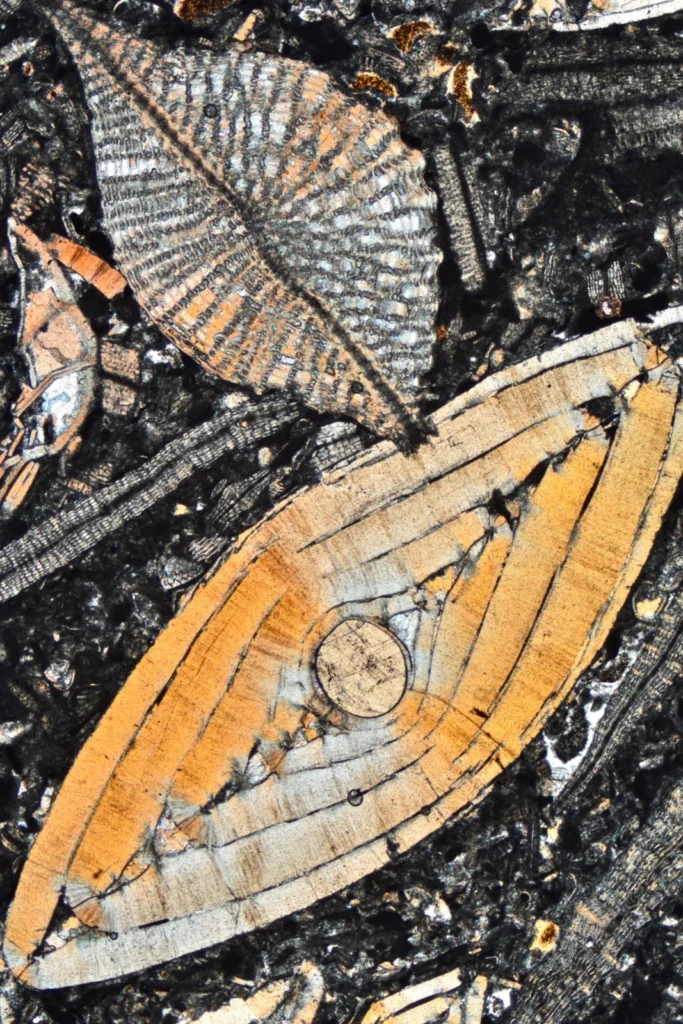
Besides for the purposes of documenting my research, I like to take photos of rocks under the microscope also because of their aesthetic appeal. It’s an hidden, marvelous world. These flying-saucer-looking objects are in fact the fossil skeletons of a Nummulites (the larger) and a Discocyclina (the one on top left), both belong to the phylum of Foraminifera. These single-celled organisms occupyied ...[Read More]

Imaggeo on Mondays: The Tempest

Imaggeo on Mondays: The Tempest

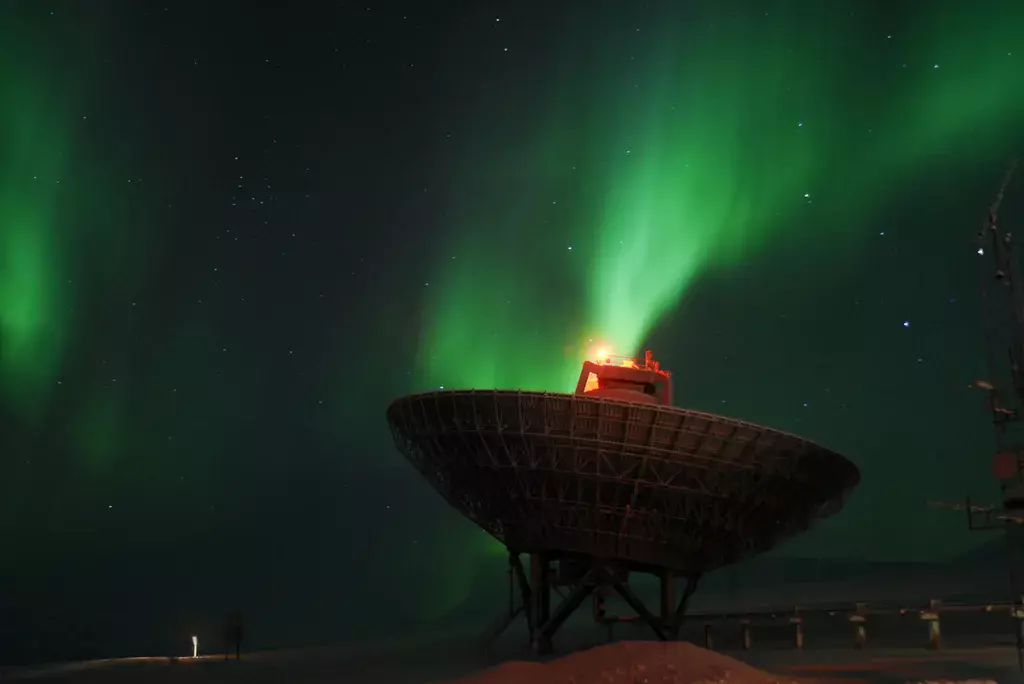
Measuring the aurora. This picture was taken while doing an optical/radar coordinated campaign in Svalbard, Norway, near the settlement of Longyearbyen. In this campaign, we were measuring for the first time the polarisation of the auroral ‘red line’ of atomic oxygen with a photopolarimeter and were running the radars in order to have a better understanding of the state of the ionosphe ...[Read More]

GeoTalk: Joel Gill discusses the UN’s Sustainable Development Goals and the ‘Decade of Action’

GeoTalk: Joel Gill discusses the UN’s Sustainable Development Goals and the ‘Decade of Action’

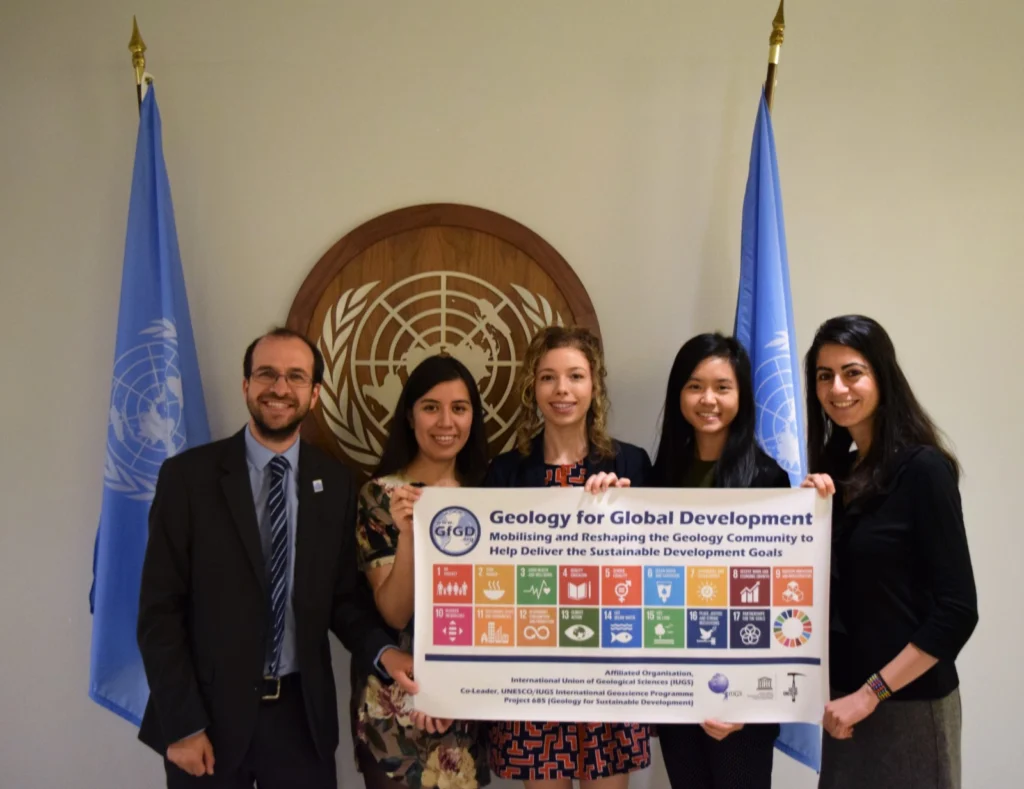
Geotalk is a regular feature highlighting early career researchers and their work. In this interview we speak with Joel Gill who a geoscientist, based in the UK, who works at the British Geological Survey, supporting their international development programmes, whilst also researching multi-hazards and disaster risk reduction. In addition he leads a not-for-profit organisation, Geology for Global D ...[Read More]

Imaggeo on Mondays: The sun rises also in the middle of nowhere

Imaggeo on Mondays: The sun rises also in the middle of nowhere

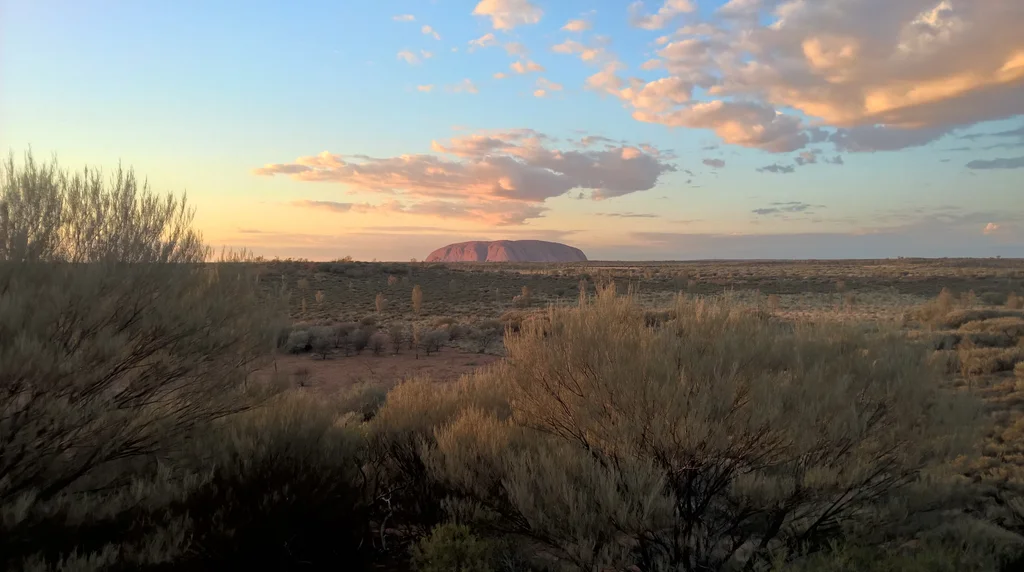
Uluru in Australia is one of the most visibly recognisable geological features in the world. This sandstone formation covers an area of 3.3 kilometres and stands 345 metres above the plains around it. According to geoscientists, the rocks that form Uluru were deposited in an inland sea during the Cambrian Period approximately 500 million years ago. The arkose sandstones were then uplifted and fold ...[Read More]

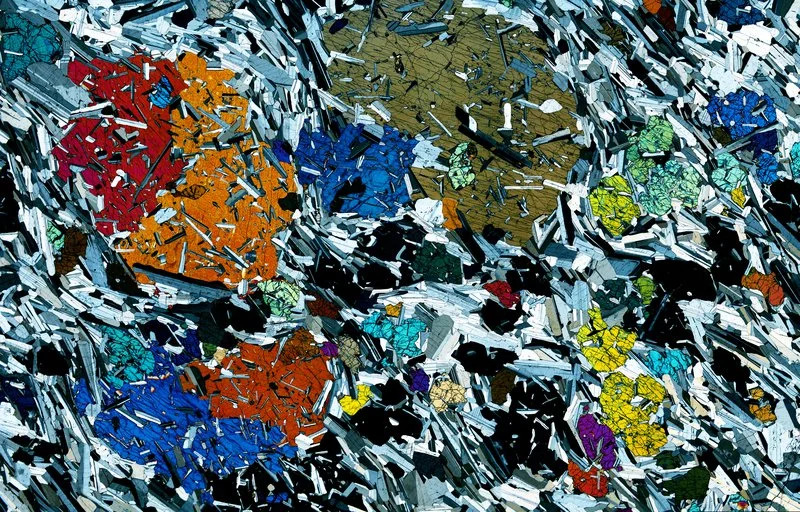
Imaggeo on Mondays: Cooking crystals in the Earth cauldron

Imaggeo on Mondays: Cooking crystals in the Earth cauldron

This picture shows a 30 micrometer thick rock section of a gabbro from the Rum Layered Intrusion (Scotland). Large clinopyroxene crystals are enclosed in a foliated fine grained groundmass of plagioclase and olivine. The clinopyroxene core crystallized at an early stage, at 1160°C. They were partly molten at 1200°C during successive hot magma injections and subsequently recrystallized, enclosing h ...[Read More]

Inclusive flood mapping: using citizen science to collect historical flood data in Dakar, Senegal.

Inclusive flood mapping: using citizen science to collect historical flood data in Dakar, Senegal.

During the month of February, we are focusing on ‘Accessibility and Inclusivity’ here at the EGU. Although these topics are clearly relevant to the General Assembly, some people may wonder whether they also relate to scientific research. Clearly all geoscientists are people, so accessibility and inclusivity matter regardless of what scientific discipline they are in. But there can also be tangible ...[Read More]