GeoLog

Regular Features

Imaggeo On Monday: Both Ends of the Rainbow

Imaggeo On Monday: Both Ends of the Rainbow

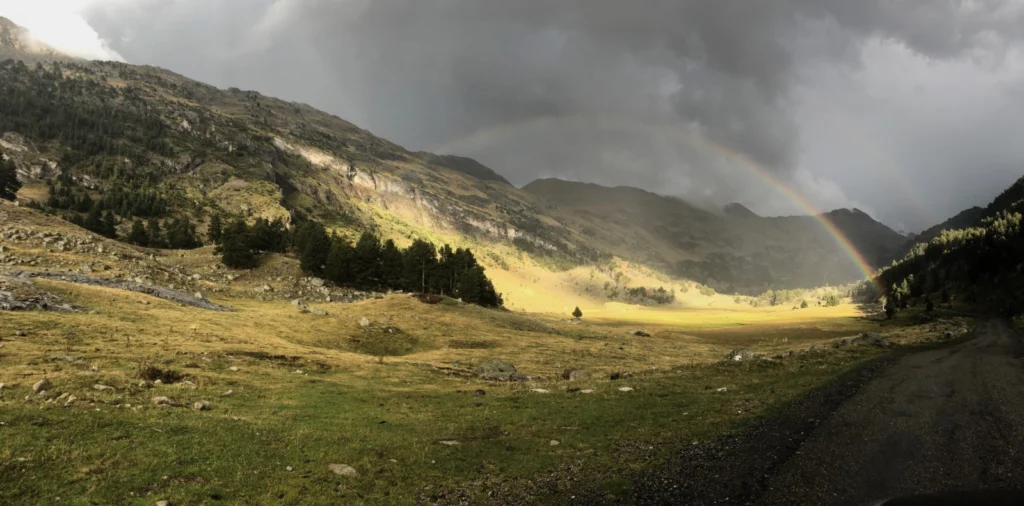
A double rainbow was captured when heading through the glaciated Benasque valley, located in the heart of the Pyrenees. The photo was taken just before the sunset, after heavy rainfall. A rainbow is caused by reflection and dispersion of light in water droplets. Second rainbow arc results from one reflection more than in the first one, thus the rainbow colours are “reverted”. The geome ...[Read More]

GeoRoundup: the highlights of EGU Journals published during June!

GeoRoundup: the highlights of EGU Journals published during June!

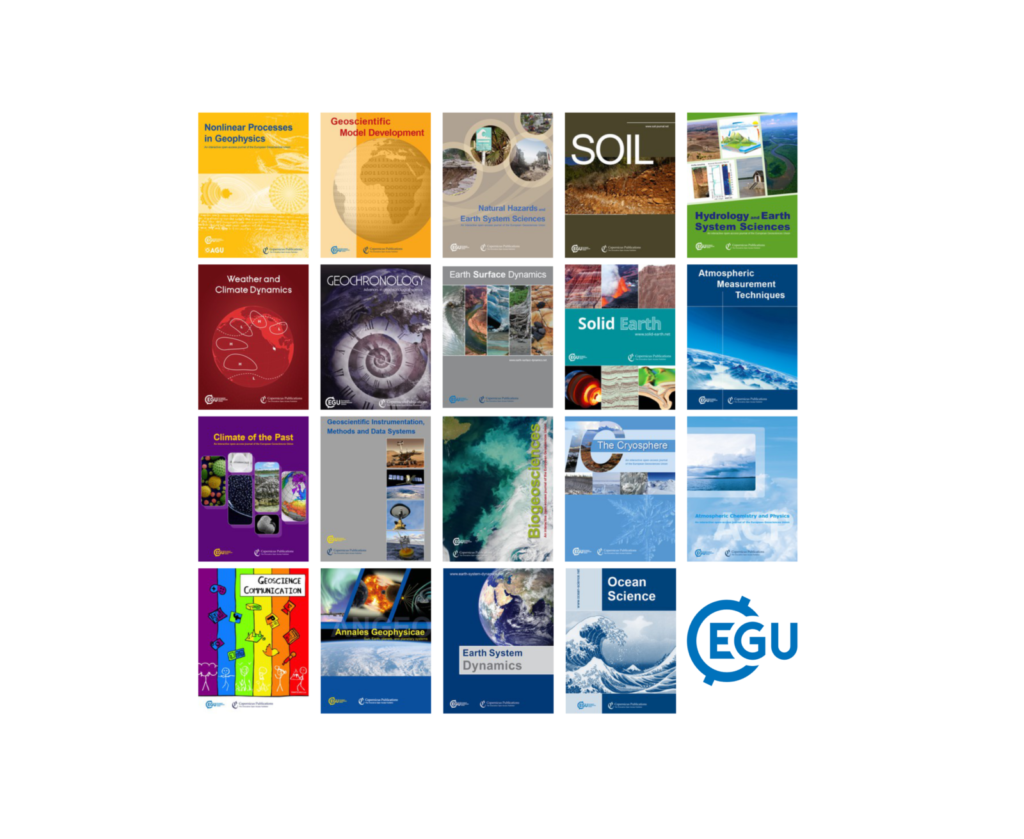
Each month we feature specific Divisions of EGU and during the monthly GeoRoundup we will be putting the journals that publish science from those Divisions at the top of the Highlights roundup. For June, the Divisions we are featuring are: Ocean Science (OS) and Biogeosciences (BG). They are served by the journals: Geoscientific Model Development (GMD), Ocean Sciences (OS), Biogeosciences (BG) and ...[Read More]

Imaggeo On Monday: A drift of sea-snail shells

Imaggeo On Monday: A drift of sea-snail shells

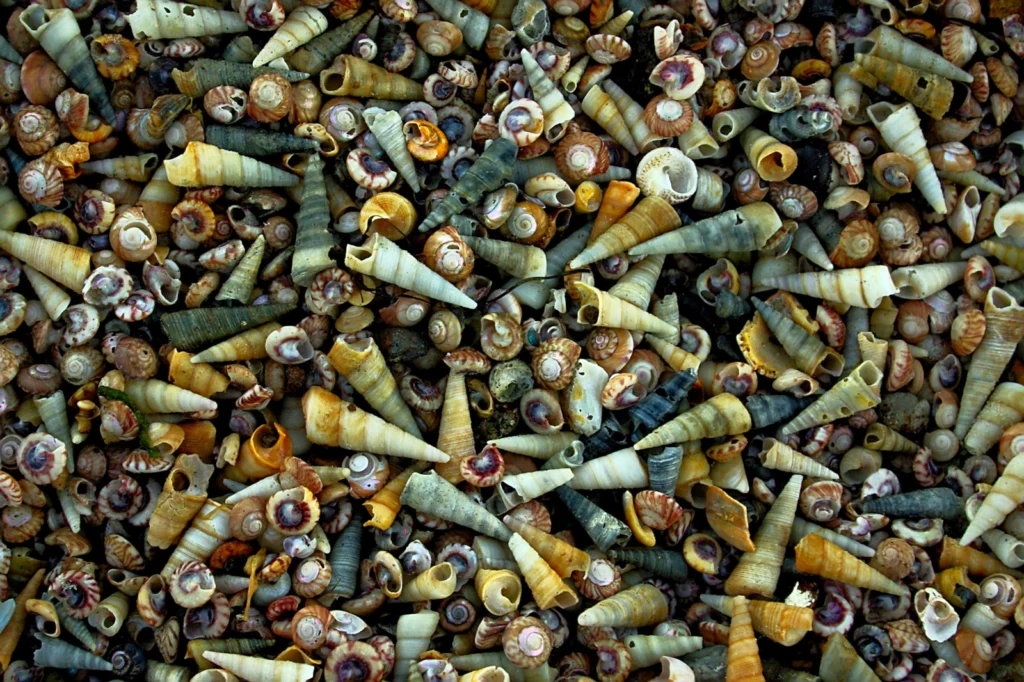
A collection of washed-up shells on a beach on the south island of New Zealand. Shore transport processes have produced a well-sorted drift of similarly sized (approx. 1-2 cm) shells and shell fragments. The main species represented are the common turret shell (Maoricolpus roseus) and wheel shell (Zethalia zelandica), both sea snails endemic to New Zealand.   Description by Pontus Lurcock, af ...[Read More]

Imaggeo On Monday: Giant Australian Cuttlefish in the Spencer Gulf, South Australia

Imaggeo On Monday: Giant Australian Cuttlefish in the Spencer Gulf, South Australia

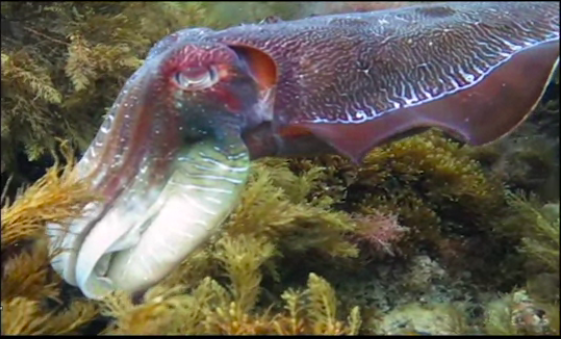
In the shadow of the Santos oil and gas processing plant and export terminal lies the only place in the world where cuttlefish come together by the tens of thousands to mate every winter. The unique geology of the area, with a seafloor composed of bedrock and tabular quartzite blocks, makes for an ideal egg-laying habitat, and thus is an attractive breeding ground for the Australian Giant Cuttlefi ...[Read More]

GeoPolicy: When policymakers misuse science

GeoPolicy: When policymakers misuse science

Most of the EGU’s GeoPolicy blog posts focus on overarching topics that I believe will be useful for the majority of scientists who read them. I see myself as a facilitator who connects scientists and policymakers, providing impartial information to promote more effective knowledge exchange and subsequently evidence-informed policies. This month’s GeoPolicy post however, takes a differ ...[Read More]

GeoTalk: Meet Meriel Bittner, the Ocean Science Division’s Early Career Scientist Representative
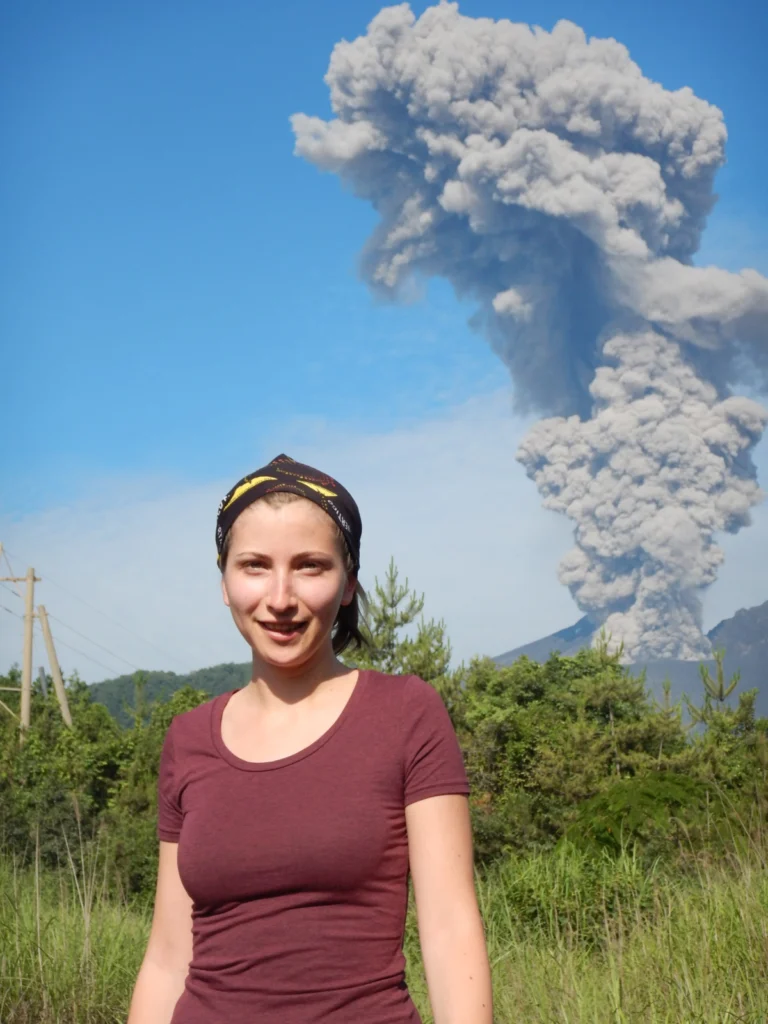
GeoTalk: Meet Meriel Bittner, the Ocean Science Division’s Early Career Scientist Representative
Hello Meriel, thank you for speaking with us today! Could you introduce yourself? My name is Meriel Bittner and I am the Early Career Scientist Representative for the Ocean Sciences (OS) Division of EGU. Currently, I am a PhD fellow at the University of Copenhagen. Originally from Germany, I did my Bachelor and Master at the University of Vienna in Austria, hence I have attended multiple general a ...[Read More]
Imaggeo On Monday: Studying shell morphodynamics to improve climate models

Imaggeo On Monday: Studying shell morphodynamics to improve climate models

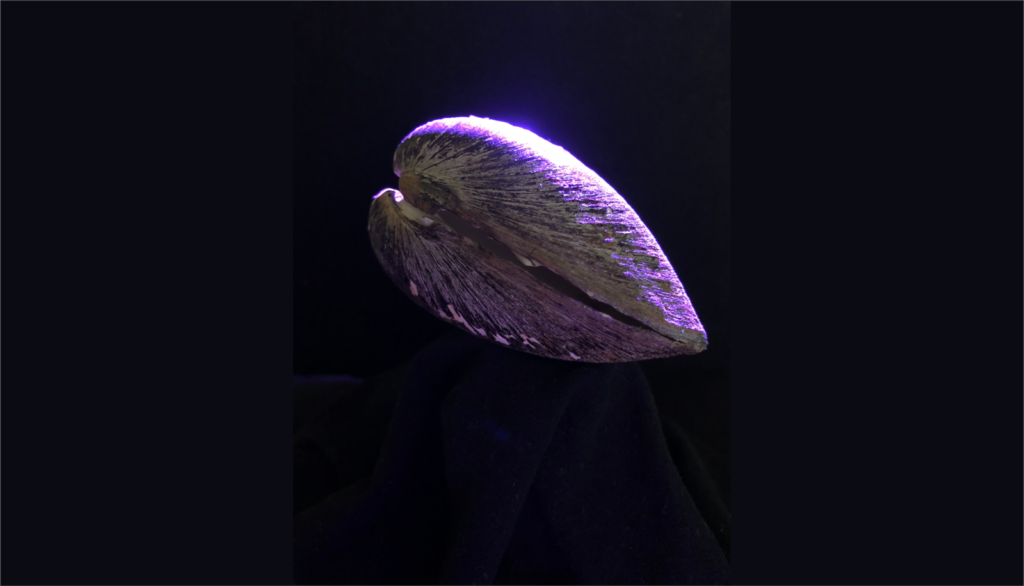
Profile of a specimen of Arctica islandica, one of the longest lived marine bivalves known, undergoing a 3D scan. Their longevity is exploited for reconstruction of climate patterns in the North Atlantic. However, mathematical models of their morphodynamics are necessary to account for bias induced by their asymmetric growth (“morphodynamics” is the study of how an organisms’ gro ...[Read More]

Imaggeo On Monday: Catch the wave hitting on the rocks

Imaggeo On Monday: Catch the wave hitting on the rocks

A wave is caught on camera when it hits the rocks on Tung Ping Chau, an offshore island in the northeastern corner of Hong Kong. Tung Ping Chau is unique island in Hong Kong that is mainly made up of sedimentary rock. Weathering and erosion have great impacts on forming the current landscape and geologic features such as wave-cut platforms and sea cliffs on Tung Ping Chau.   Description by An ...[Read More]

Imaggeo On Monday: Water Force

Imaggeo On Monday: Water Force

A force is a push or pull upon an object resulting from the object’s interaction with another object. This image shows the most magnificent force in nature; water, interacting with an inclined rock formation, with a backdrop of the magnificent landscapes of Canada.   Description by Daniela Lobianco, after the description on imaggeo.egu.eu.   Imaggeo is the EGU’s online open access ...[Read More]

GeoRoundup: the highlights of EGU Journals published during May!

GeoRoundup: the highlights of EGU Journals published during May!

Each month we feature specific Divisions of EGU and during the monthly GeoRoundup we will be putting the journals that publish science from those Divisions at the top of the Highlights roundup. For May, the Divisions we are featuring are: Geodynamics (GD) and Earth Magnetism and Rock Physics (EMRP). They are served by the journals: Geoscientific Model Development (GMD) and Solid Earth. Featured hi ...[Read More]