GeoLog

Regular Features

Imaggeo On Monday: Intriguing artwork by heat-loving microbes
Imaggeo On Monday: Intriguing artwork by heat-loving microbes

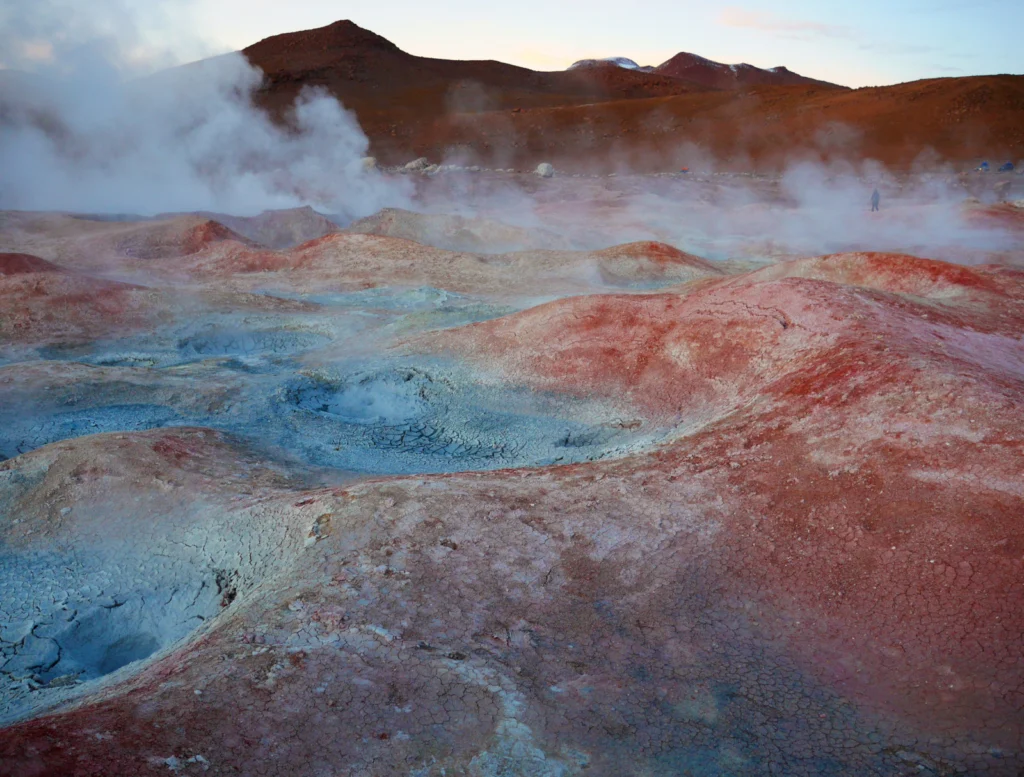
The geothermal area Sol de Mañana is part of the Altiplano–Puna volcanic complex shared between Bolivia and Chile. The area is characterized by volcanic activity and the sulphur springs host mud lakes and steam pools. The different colours stem from thermophilic, hyperthermophilic and acidophilic bacteria that colonize areas of varying temperatures.   Description by Julia Miloczki, …[Read More]

GeoRoundup: the highlights of EGU Journals published during January!

GeoRoundup: the highlights of EGU Journals published during January!

Each month we feature specific Divisions of EGU and during the monthly GeoRoundup we will be putting the journals that publish science from those Divisions at the top of the Highlights roundup. For January, the Divisions we are featuring are: Earth Magnetism and Rock Physics (EMRP) and Geochemistry, Mineralogy, Petrology and Volcanology (GMPV). They are …[Read More]

Imaggeo On Monday: Križna jama

Imaggeo On Monday: Križna jama

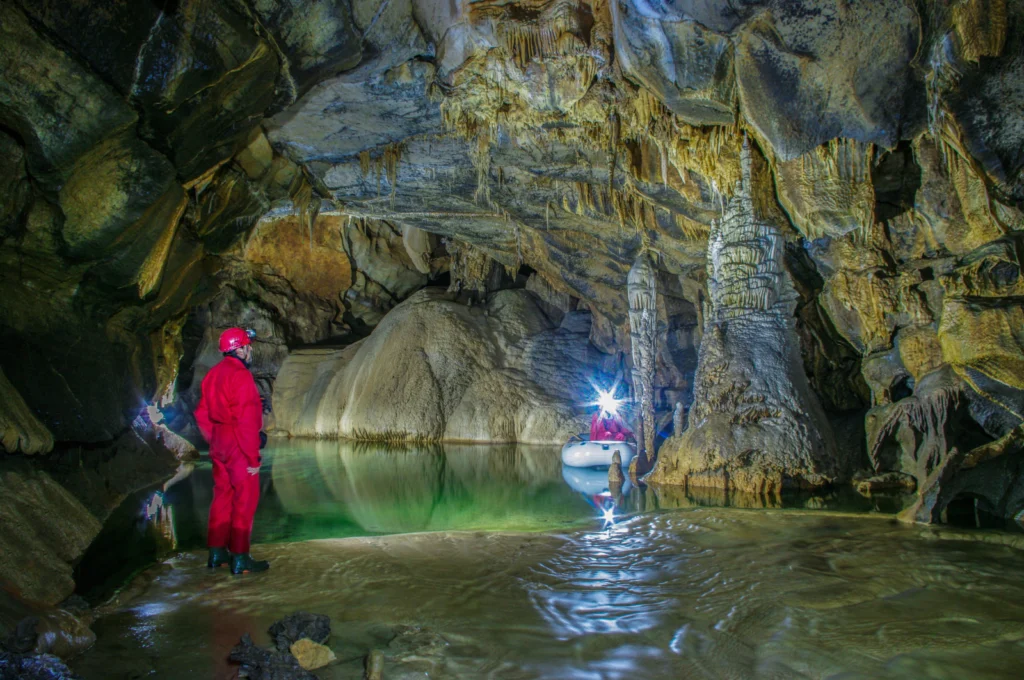
The Križna jama Cave on the east side of the periodic Cerknica Lake in Slovenia is an underground karstic cave primarily famous as a rich site of bones of the extinct cave bear, Ursus speleus. The eight kilometer long cave is full of stalagmites and stalactites (sometimes called drip-stone decorations) and also boasts 50 underground …[Read More]

Imaggeo On Monday: Quartz – sericite mylonite, Calamita, Elba

Imaggeo On Monday: Quartz – sericite mylonite, Calamita, Elba

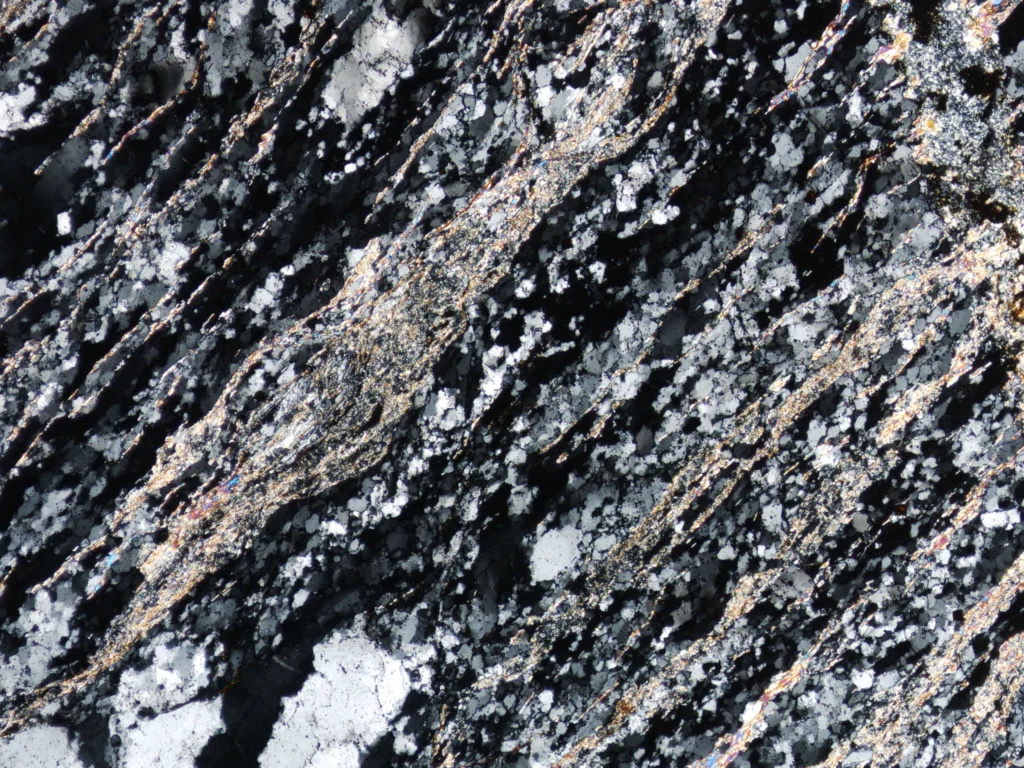
Concomitant thrusting and magmatism resulted in the development of ductile mylonites in the Calamita Schists, part of the contact aureole of the Late Miocene Porto Azzurro pluton. This mylonite is made up of stretched and recrystallized quartz layers, interlayered with thin sericite-rich levels. Sericite resulted from the crushing of contact-metamorphic minerals such as andalusite, cordierite, …[Read More]

Imaggeo On Monday: Artificial peridotite takes its gold coat off

Imaggeo On Monday: Artificial peridotite takes its gold coat off

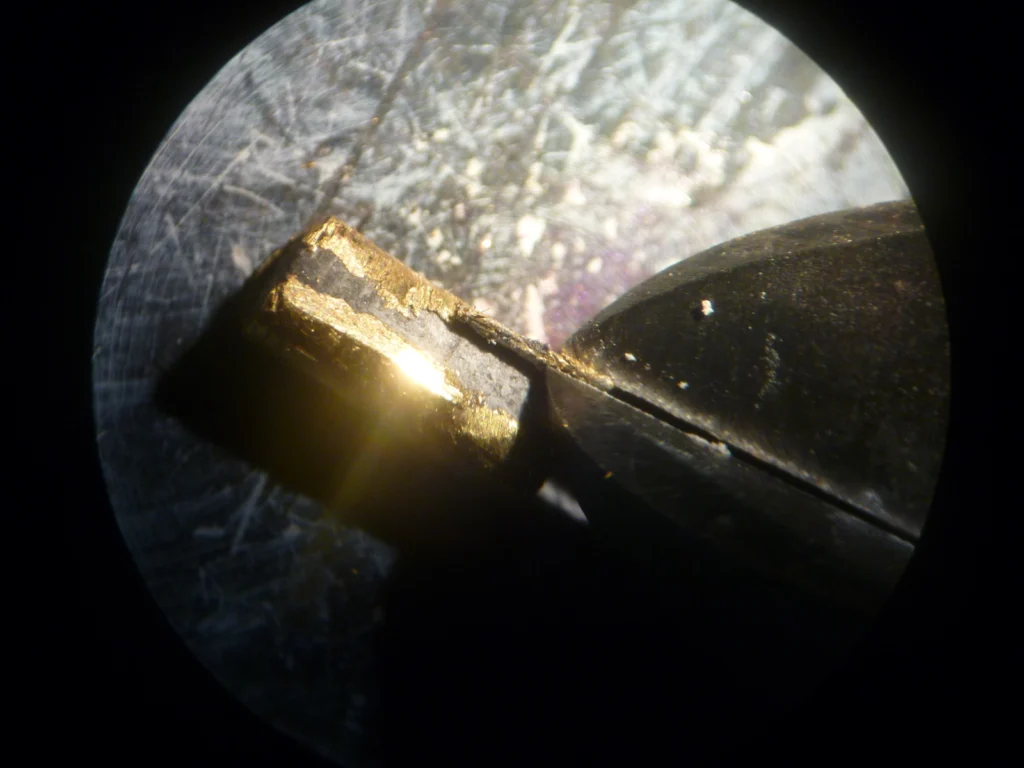
Sometimes in order to test a theory about how processes work below the surface of the Earth, scientists need to recreate minerals found in very specific circumstances. This photograph was taken through a binocular microscope during a critical step of the creation of artificial peridotite: extraction of the artificial peridotite from its gold capsule. The …[Read More]

GeoPolicy: What’s new in 2022?

GeoPolicy: What’s new in 2022?

2021 was yet another year of uncertainty, with many changes and disruptions to our plans, activities, and goals. EGU’s science for policy programme was no exception to this with the Science for Policy Pairing Scheme and annual Science for Policy Event taking a back seat. We hope that 2022 will not only bring new activities …[Read More]

Imaggeo On Monday: Geometric Microscape of Agate

Imaggeo On Monday: Geometric Microscape of Agate

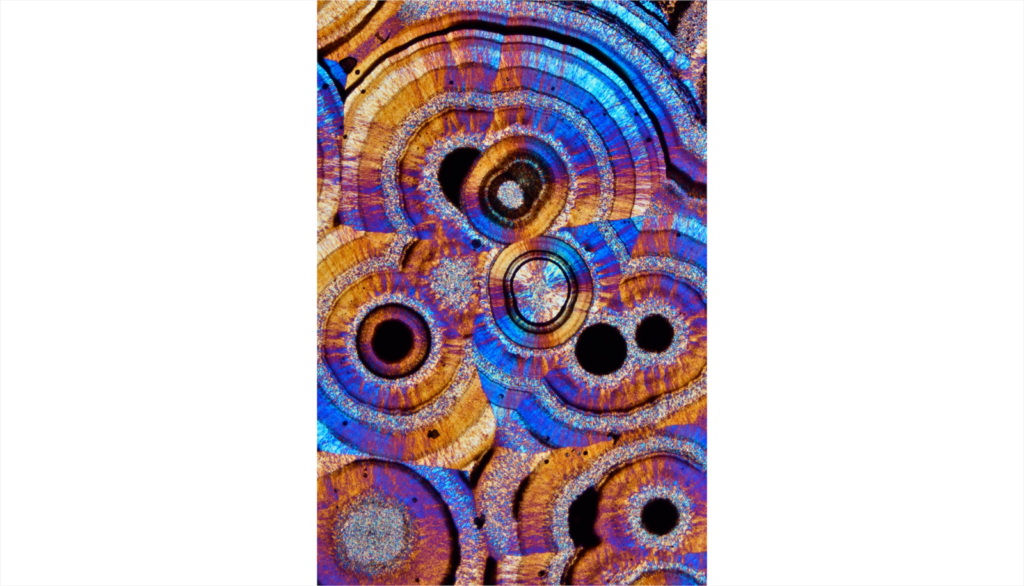
“Crazy Lace” is an agate collected in Mexico, which offers great opportunities for aesthetic photomicrography. Here we see the common arrangement of fibers of chalcedony (microcrystalline quartz) in parallel bands alternating with black thin layers of Fe oxides. Polarized light photomicrograph, crossed polarizers and red tint plate. width 5.4 mm. Sample kindly provided by Denise …[Read More]

Imaggeo On Monday: A meander in the meltwater valley

Imaggeo On Monday: A meander in the meltwater valley

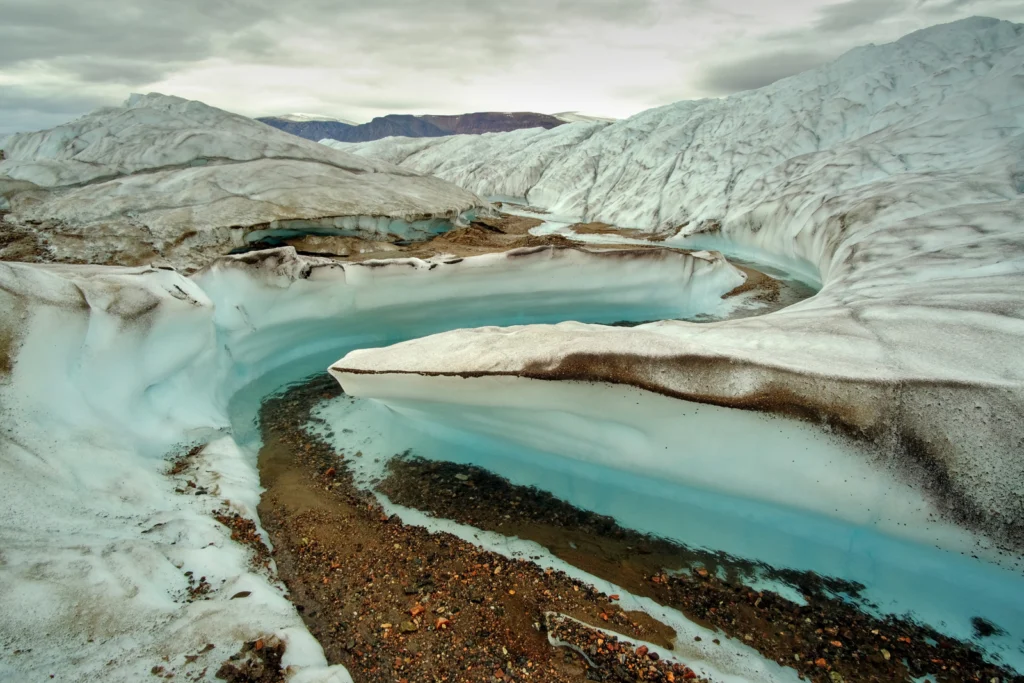
At the edge of the Greenland Ice Sheet, surface melt releases old layers of dust, that have travelled thousands of years into the ice. Under sunny weather, the dust heats up with radiation, melts the ice underneath, and thus accumulates in tiny potholes and meltwater creeks. However, this photo was taken after a rainy day. …[Read More]