GeoLog

Imaggeo on Mondays

Imaggeo on Mondays: How do Earth’s Northern Lights form?
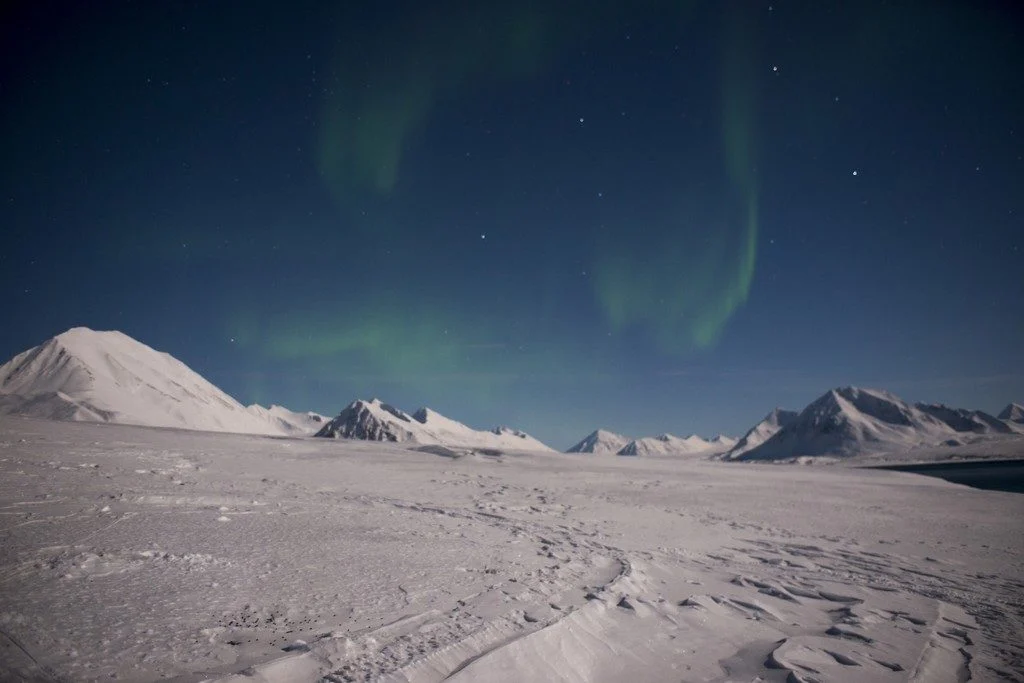
Imaggeo on Mondays: How do Earth’s Northern Lights form?
Aurora Borealis, which means Northern Lights are caused by electrically charged particles from the sun, which enter the Earth’s atmosphere and collide with gases such as oxygen and nitrogen. When the charged particles are blown towards the Earth by the solar wind, they are largely deflected by the Earth’s magnetic field. However, the Earth’s magnetic field is weaker at the poles and therefore some ...[Read More]

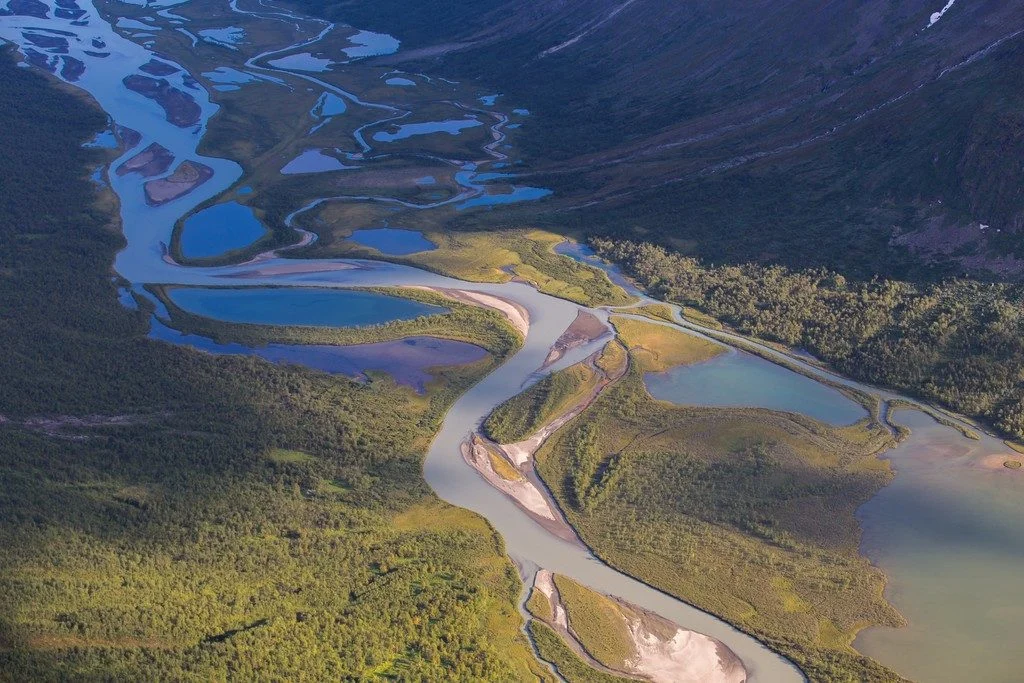
Imaggeo on Mondays: A lifeline between light and shadow

Imaggeo on Mondays: A lifeline between light and shadow

The Rapaälven making its way through the Rapadalen valley in Northern Sweden. After over a week of hiking through pure wilderness I reached the summit of Skierffe together with three friends. We were just blown away by the view and completely in awe for the beautiful shape of the rivers course… little lakes in between river channels of different sizes as well as dense vegetation forming a ha ...[Read More]

Imaggeo on Mondays: how short-term storms can impact our landscapes

Imaggeo on Mondays: how short-term storms can impact our landscapes

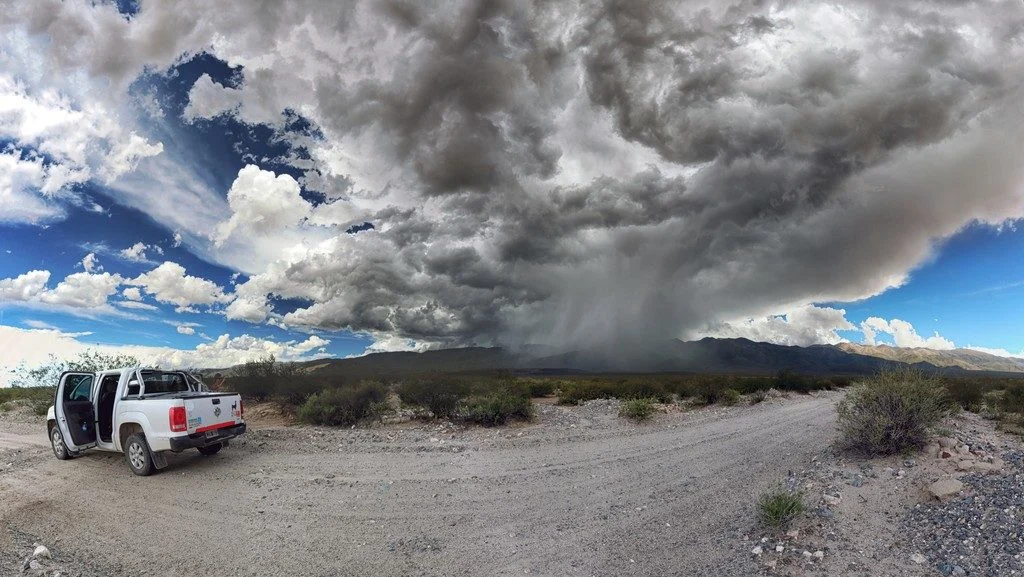
In the Sierra de Aconquija, a mountain range in the southern Central Andes of Argentina, strong storms often come and go at a moment’s notice, but they can have a long-lasting impact on the Earth’s surface. The thunderstorm cell featured in this photo formed in less than half an hour, giving all those nearby only a few minutes to take cover. Mitch D’Arcy, a geomorphologist and postdoctoral researc ...[Read More]

Imaggeo on Mondays: The salt mine carving into the Carpathians

Imaggeo on Mondays: The salt mine carving into the Carpathians

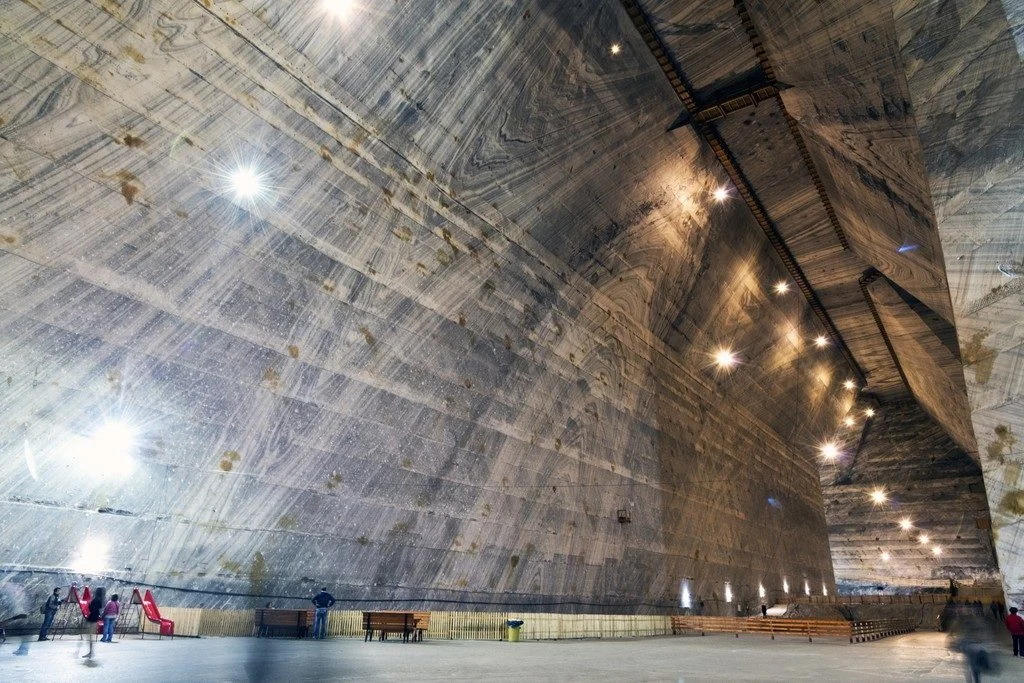
The image gives us a glimpse into the Slănic Salt Mine in central Romania, about 100 kilometres north of the capital city Bucharest. The region was actively mined for almost 30 years, from 1943 to 1970. The Slănic Salt Mine is the largest salt mine in Europe, and the facility consists of 14 large chambers, each more than 50 metres high. The cavities of the mine, more than 200 metres deep, carve in ...[Read More]

Imaggeo on Mondays: Inside the whale’s mouth

Imaggeo on Mondays: Inside the whale’s mouth

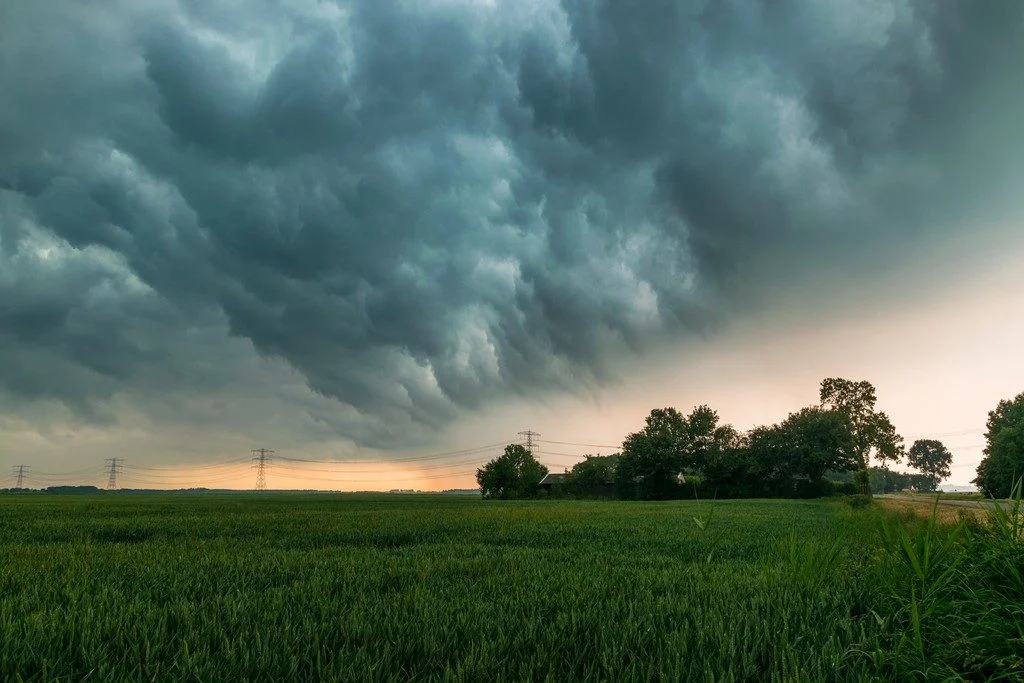
Often there are moments in our lives when we are reminded of the strength and magnitude of our environment, whether that’s trekking through a mountain range or gazing at the horizon from the ocean shore. Yet arguably there are few things that can make you feel as small as a particularly powerful summer storm. “The atmosphere is undoubtedly one of the most dynamic components in the Earth System. No ...[Read More]

Imaggeo on Mondays: The ephemeral salt crystals

Imaggeo on Mondays: The ephemeral salt crystals

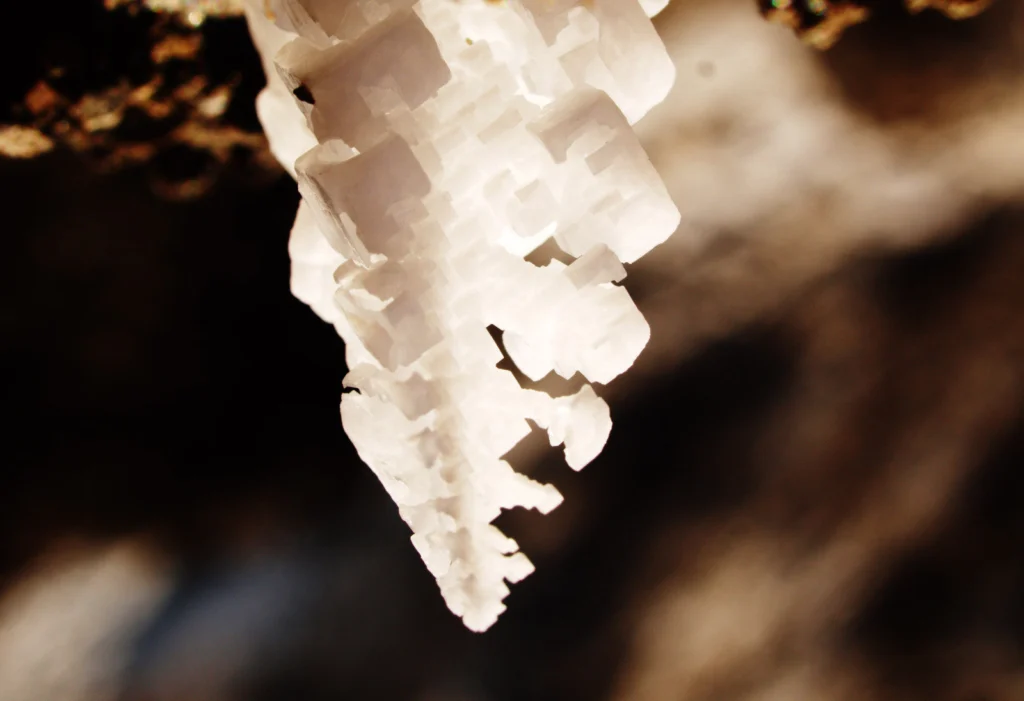
Rock salt stalactites (Speleothems) are the indicators of entrance in a salt cave. These crystal stalactites precipitate from brine only at the entrance in the salt caves, as that is the only place where the physical and chemical properties of the air and the brine dripping from the ceiling allow these crystals to grow and be preserved. And they are extremely fragile – if there is just a sma ...[Read More]

Imaggeo on Mondays: Monitoring Antarctica’s ocean current

Imaggeo on Mondays: Monitoring Antarctica’s ocean current

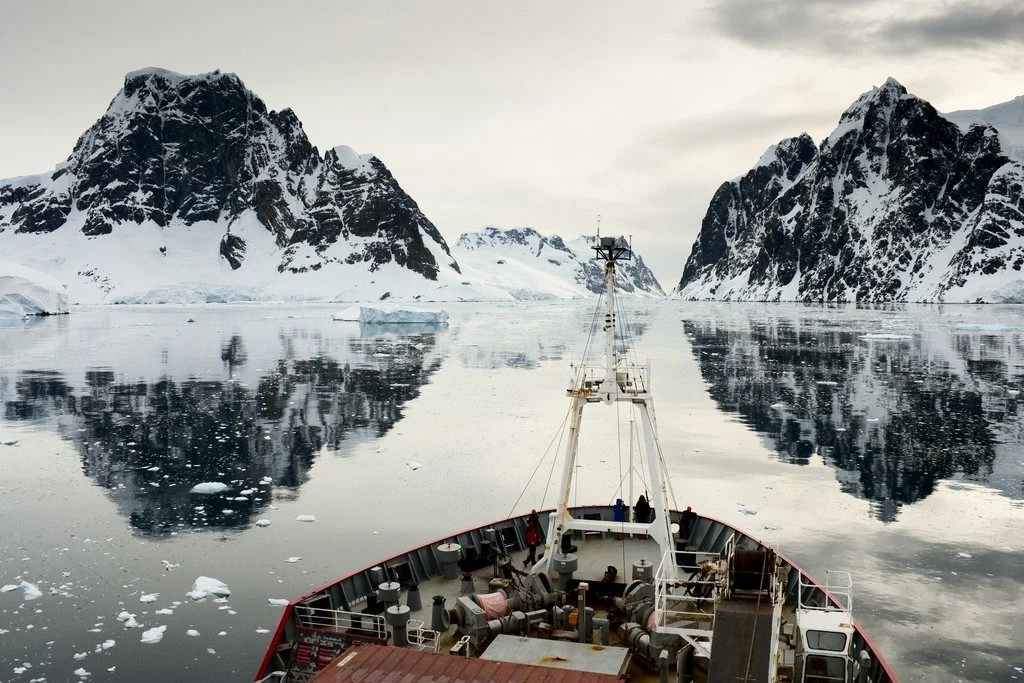
This week’s featured image depicts a quiet and still oceanic landscape in Antarctica, but polar scientists are studying how energetic and variable the ocean currents in this part of the world can be. In this picture, the marine research vessel RRS James Clark Ross is making its way through the Lemaire Channel, a small passage off the coast of the Antarctic Peninsula, south of the southernmost tip ...[Read More]

Imaggeo on Mondays: At the edge of a wildfire

Imaggeo on Mondays: At the edge of a wildfire

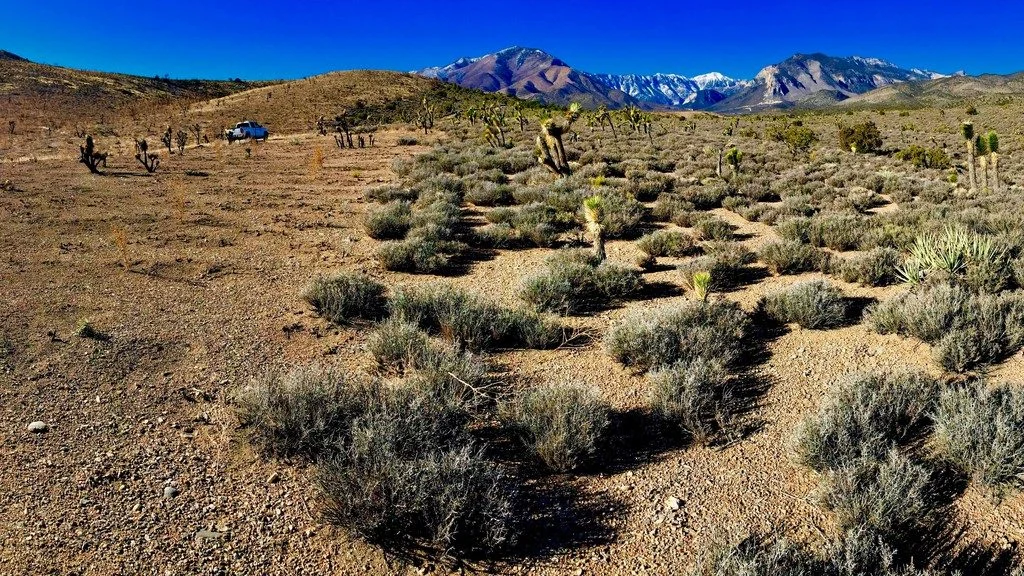
The Carpenter 1 fire burned approximately 11,000 ha in the Spring Mountain National Recreation Area (Humboldt-Toiyabe National Forest) near Las Vegas, Nevada between July 1, 2013 and its containment on August 18, 2013. The left side of the photo shows the fire affected arid desert scrub ecosystems at 1500 m (foreground) to subalpine pine ecosystems at 3400 m (background). The foreground of the pho ...[Read More]

Imaggeo on Mondays: Loch Coruisk – home of the wild Kelpie

Imaggeo on Mondays: Loch Coruisk – home of the wild Kelpie

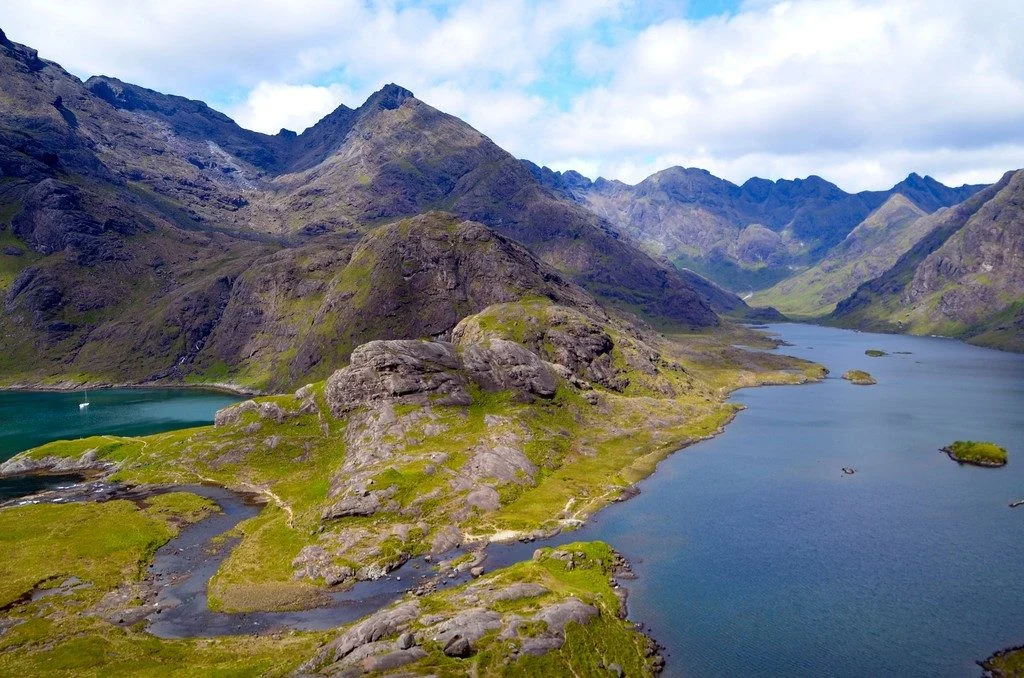
On the south-western coast of the Isle of Skye, Scotland, lies Loch Coruisk, supposedly home of a water horse. At the southern end of this freshwater Loch, the Scavaig River discharges into a sea Loch, Loch na Cuilce. Loch Coruisk snuggles close to the center of the Cuillin Hills complex, younger than both the northern and southern formations of the Isle. At present, the neighbouring hills are dom ...[Read More]

Imaggeo on Mondays: The surprising beauty of the Arctic tundra

Imaggeo on Mondays: The surprising beauty of the Arctic tundra

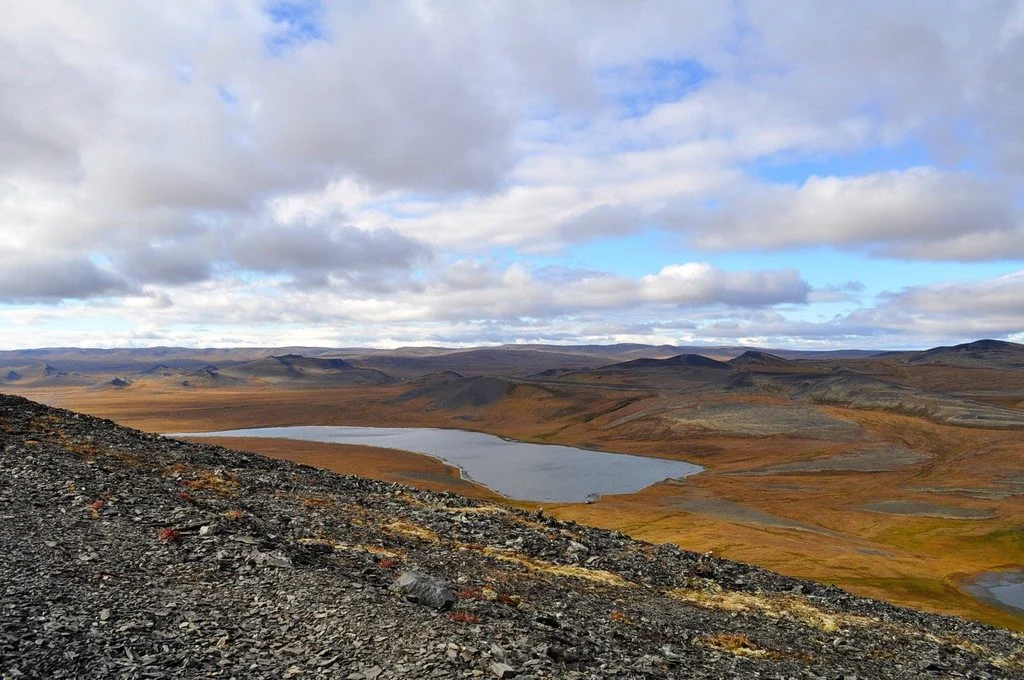
Close your eyes and try to imagine first thing which comes to your mind, when somebody says “Tundra”. What would you imagine? Being a master student, I imagined cold, flat and a dead field. In fact, Tundra turn out to be completely different, at least in September 2010, when I and my colleagues were lucky to visit it. As it is well known from textbooks no big trees grows in Tundra, how ...[Read More]