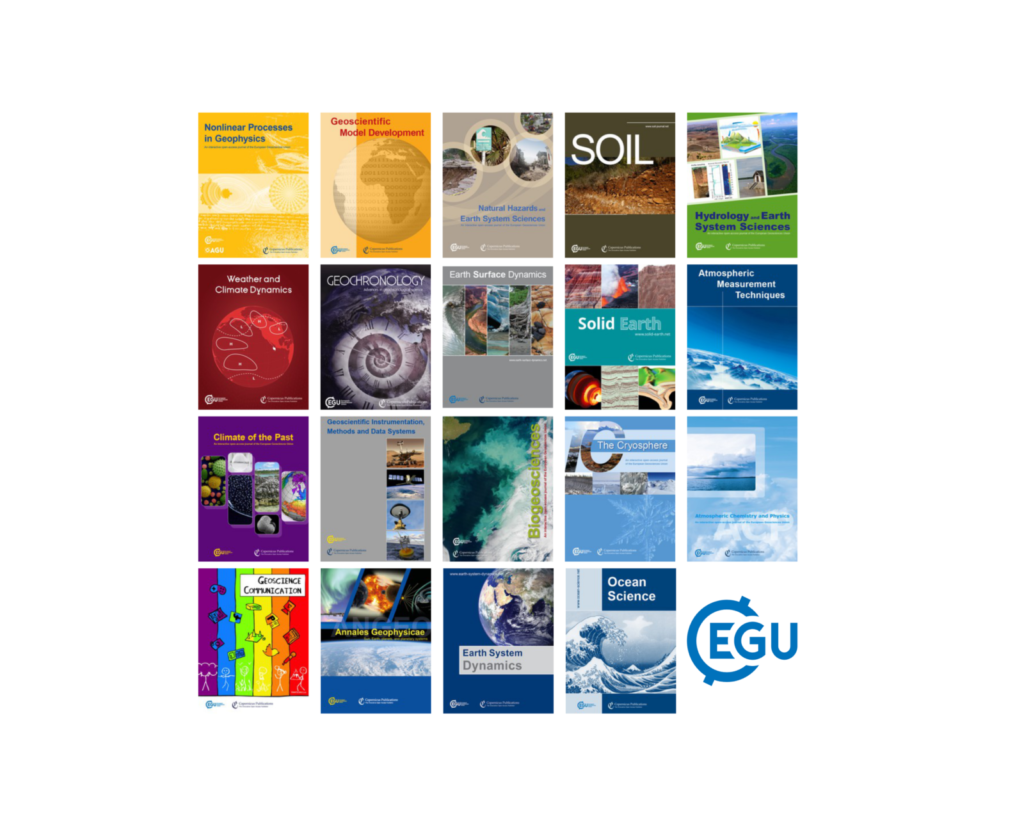
Each month we feature specific Divisions of EGU and during the monthly GeoRoundup we put the journals that publish science from those Divisions at the top of the Highlights section. This May we are not highlighting any specific Division as our monthly plan will start in June, so this month our GeoRoundup Journals will be …[Read More]
News
GeoRoundup: the highlights of EGU Journals published during April!
Each month we feature specific Divisions of EGU and during the monthly GeoRoundup we put the journals that publish science from those Divisions at the top of the Highlights roundup. As April was the month we held the General Assembly we are not highlighting any specific Division, so this month our GeoRoundup Journals will be …[Read More]
GeoRoundup: the highlights of EGU Journals published during March!
Each month we feature specific Divisions of EGU and during the monthly GeoRoundup we put the journals that publish science from those Divisions at the top of the Highlights roundup. For March as we approach the General Assembly we are not highlighting any specific Division, so this month our GeoRoundup Journals will be alphabetical! …[Read More]
GeoRoundup: the highlights of EGU Journals published during February!
Each month we feature specific Divisions of EGU and during the monthly GeoRoundup we put the journals that publish science from those Divisions at the top of the Highlights roundup. For February, the Divisions we are featuring are: Natural Hazards (NH) and Sedimentology, Stratigraphy and Paleontology (SSP). They are served by the journals: Natural Hazards and …[Read More]
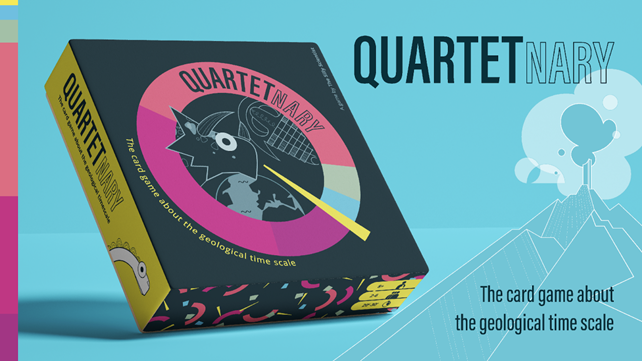
QUARTETnary – The card game about the geological time scale
Do you like games? Do you like the Earth? Then you will love QUARTETnary! QUARTETnary is a card game about the geological time scale, developed by long-term EGU members Iris van Zelst and Lucia Perez-Diaz and partly funded through the EGU Public Engagement Grant 2021. The game is finally ready to be manufactured, but in …[Read More]
GeoRoundup: the highlights of EGU Journals published during January!
Each month we feature specific Divisions of EGU and during the monthly GeoRoundup we put the journals that publish science from those Divisions at the top of the Highlights roundup. For January, the Divisions we are featuring are: Geochemistry, Mineralogy, Petrology and Volcanology (GMPV) and Tectonic and Structural Geology (TS). They are served by the journals: …[Read More]
Geopolicy: A sneak peak into EGU’s Science for Policy 2024 Agenda
The EGU’s Science for Policy Programme is continually developing and expanding to help meet the needs of EGU members and European policymakers. This blog post will kick-off the New Year by outlining a few of the key science for policy activities that you can look forward to and engage with in the next 12 months. …[Read More]
The Global South Climate Database: one thousand experts in one year!
Climate change is one of the most urgent problems facing humanity today. Every corner of the planet is already feeling the impacts of climate change, from devastating heatwaves to sweeping floods. The wealthy and powerful are responsible for the lion’s share of greenhouse gas emissions. Yet, the impacts of climate change are disproportionately felt by …[Read More]
GeoRoundup: the highlights of EGU Journals published during December!
Each month we feature specific Divisions of EGU and during the monthly GeoRoundup we put the journals that publish science from those Divisions at the top of the Highlights roundup. For December, the Divisions we are featuring are: Geodynamics (GD), Geomorphology (GM) and Soil System Sciences (SSS). They are served by the journals: Biogeosciences (BG), Earth …[Read More]
The best Christmas gift you could ask for: how a rare solar event created a once-in-a-lifetime Martian experiment
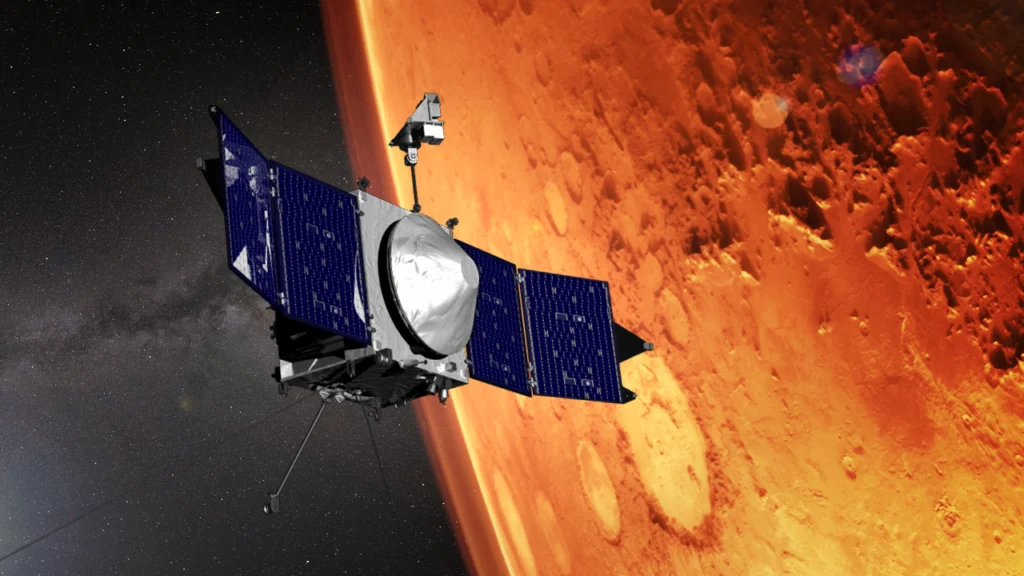
One of the realities of studying the Earth, planetary or space sciences is that we are attempting to observe an experiment that has been in progress for billions of years, with variables that are most often far outside of our control. Many researchers try to understand these systems by recreating aspects of it, either in …[Read More]