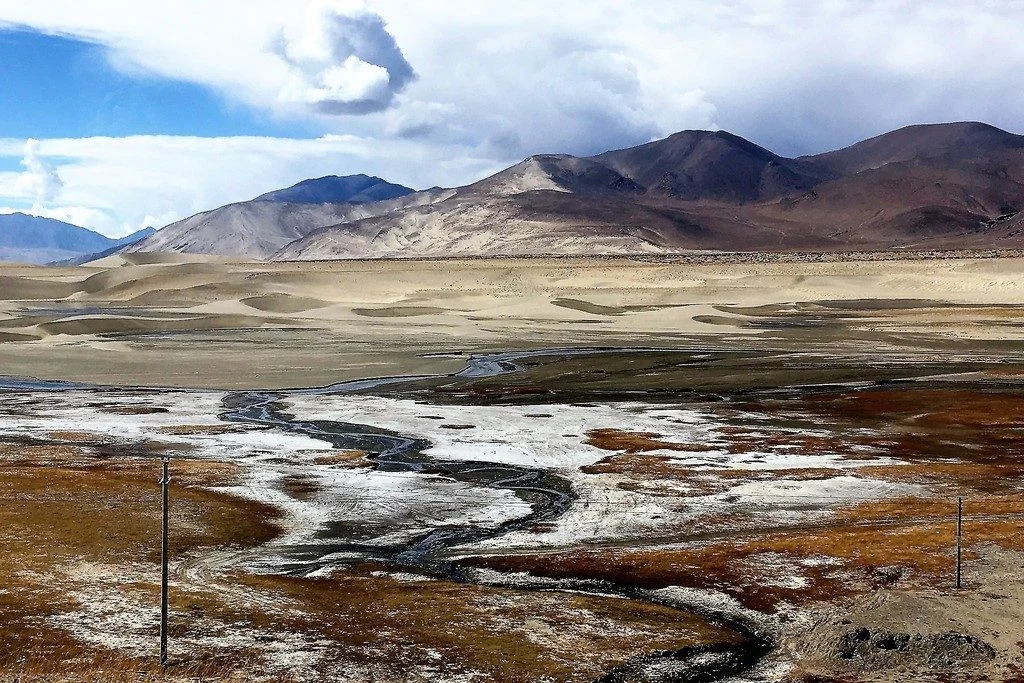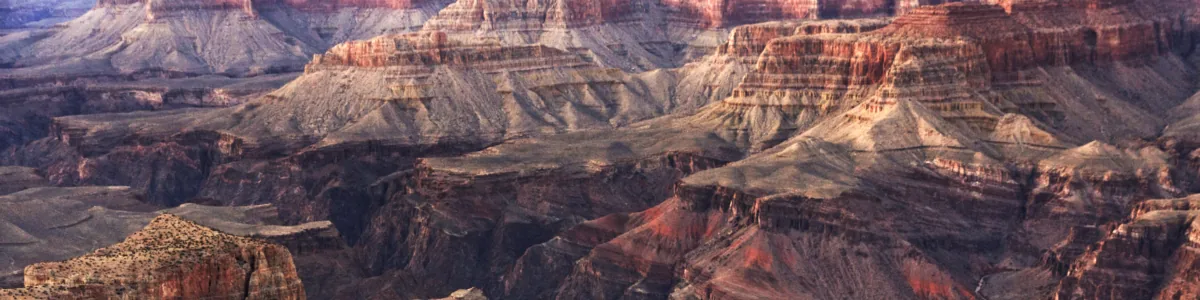
Roughly 50 million years ago, the Eurasian and Indian continental plates began to crash into each other, dramatically changing the landscape of modern-day Asia. The force of the collision caused the Earth to scrunch together at the zone of impact, subsequently forming the Himalayan mountain range. However, to the north of the crash, a stretch of the Earth uplifted without bunching up or wrinkling; ...[Read More]
Imaggeo
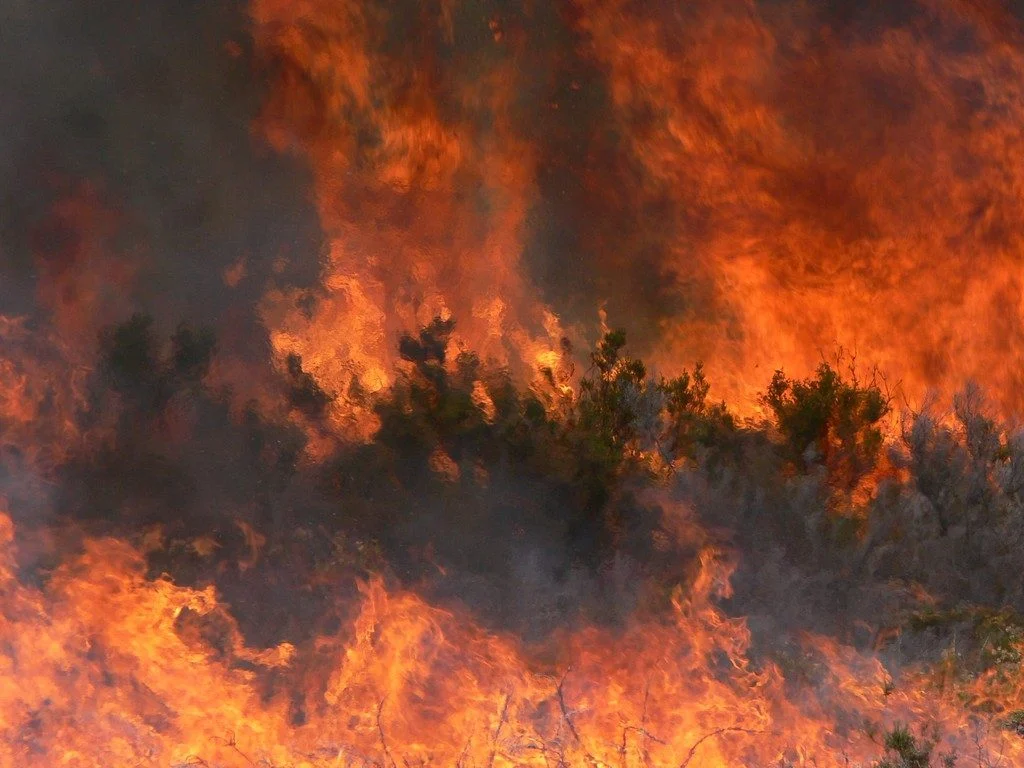
Imaggeo on Mondays: A painted forest fire
This week’s featured image may appear to be a painted landscape, but the picture is in fact a photo, taken ten years ago by Victoria Arcenegui, an associate professor at Miguel Hernández University in Spain, during a controlled forest fire in northern Portugal. The blaze is actually hot enough to distort the image, making some of the flames appear as brush strokes, beautifully blurring together th ...[Read More]
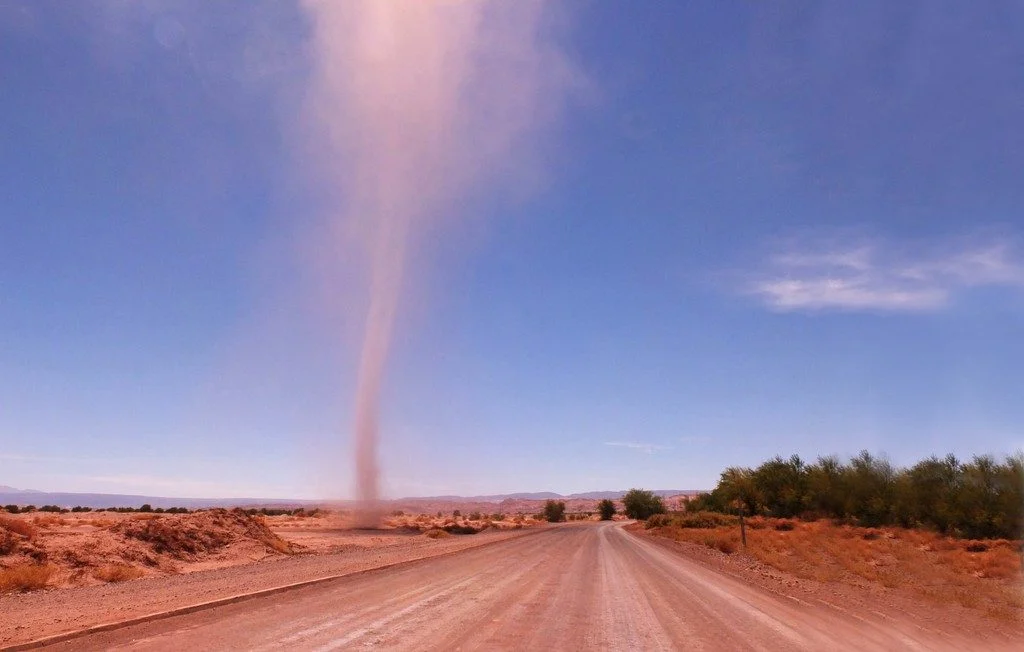
Imaggeo on Mondays: Dust devil sighting in the Atacama Desert
Dust devils are like miniature tornadoes, they form when a pocket of hot air near the surface moves fast upward and meets cooler air above it. As the air rapidly rises, the column of hot air is stretched vertically, thereby moving mass closer to the axis of rotation, which causes intensification of the spinning effect by conservation of angular momentum. In the Atacama Desert [in Chile] they are r ...[Read More]
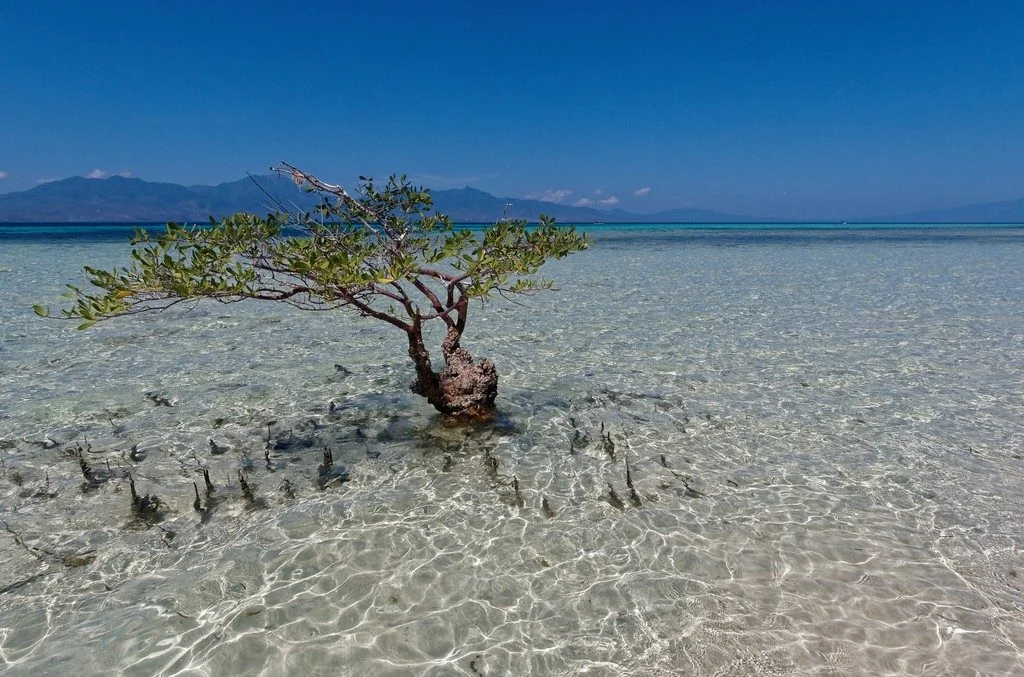
Imaggeo on Mondays: Indonesian mangroves and tsunamis
Pictured here is a solitary mangrove tree, rooted off the northern coast of the Indonesian island Flores. While this tree has the shallow sandy reef to itself, mangroves are often found clumped together in large forests covering tropical and subtropical coastlines. The propped-up roots of mangrove trees often tangle together, creating a dense natural barrier that can weaken the coastal impact of o ...[Read More]
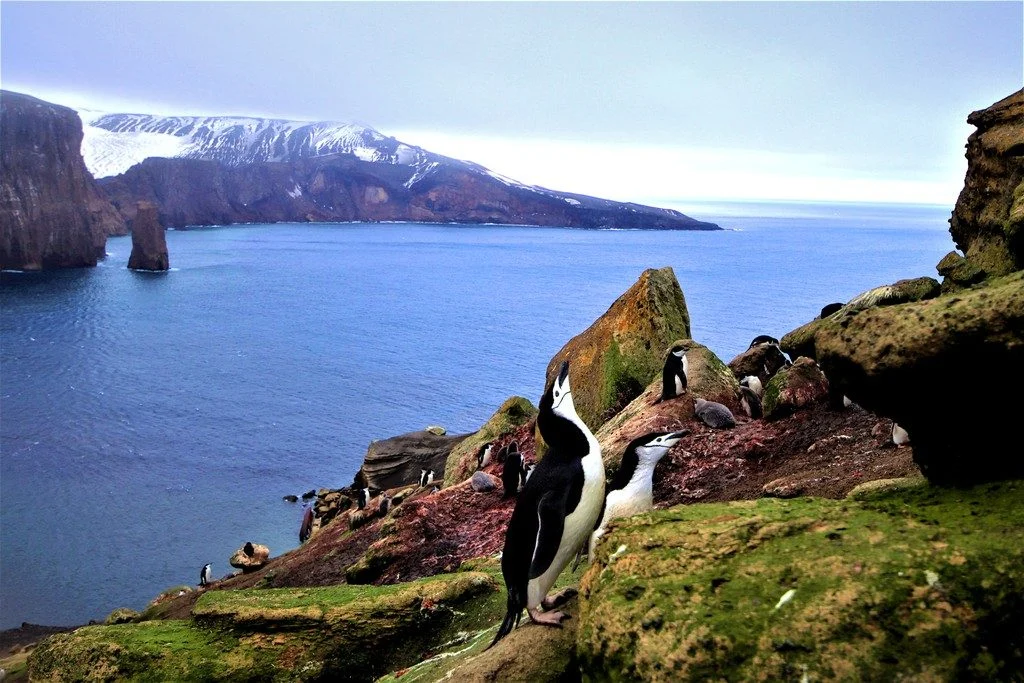
Imaggeo on Mondays: Penguins – a biogeochemical link between sea and land
A couple of Chinstrap penguins (Pygoscelis antarctica) at their nesting site on Deception Island, maritime Antarctica. Sea birds contribute importantly to biogeochemical cycles in coastal ecosystems and on islands. Feeding on the marine food chain and nesting on land, they carry large amounts of marine nutrients into terrestrial ecosystems. This might be of particular importance for the nitrogen ( ...[Read More]
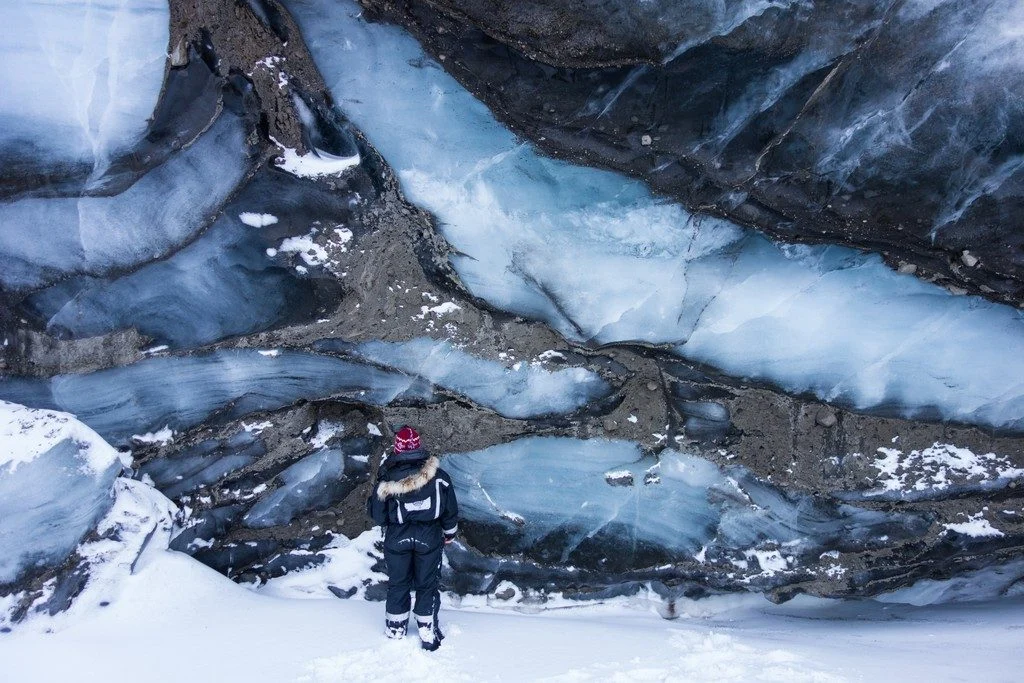
Imaggeo on Mondays: Up close and personal with Svalbard glaciers
A University Centre in Svalbard (UNIS) Glaciology student examines the calving front of the Paulabreen glacier [in Spitsbergen, Svalbard], taking advantage of sea ice in the Rindersbukta fjord to safely approach the front. Paulabreen is a surge-type glacier, which means that it periodically switches between long periods of slow, stable flow to short-lived periods of very fast flow during which it ...[Read More]
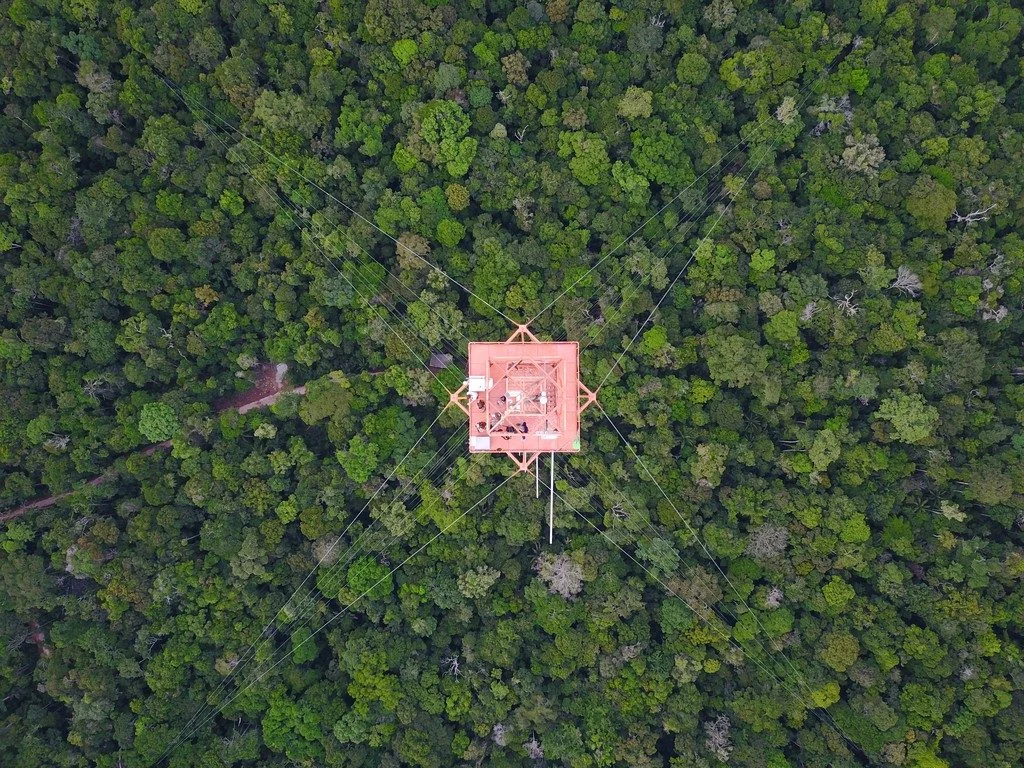
Imaggeo on Mondays: Science above the Amazon rainforest
The color and symmetry of the Amazon Tall Tower Observatory (ATTO) sticks out against the endless green of the rainforest. Built in a remote and pristine location, the ATTO tower is the tallest construction in South America. In a joint Brazilian-German project, atmospheric scientists aim to unravel the interaction of pristine rainforest with the atmosphere. With its height of 325 meters, the ATTO ...[Read More]
Announcing the winners of the EGU Photo Competition 2019!
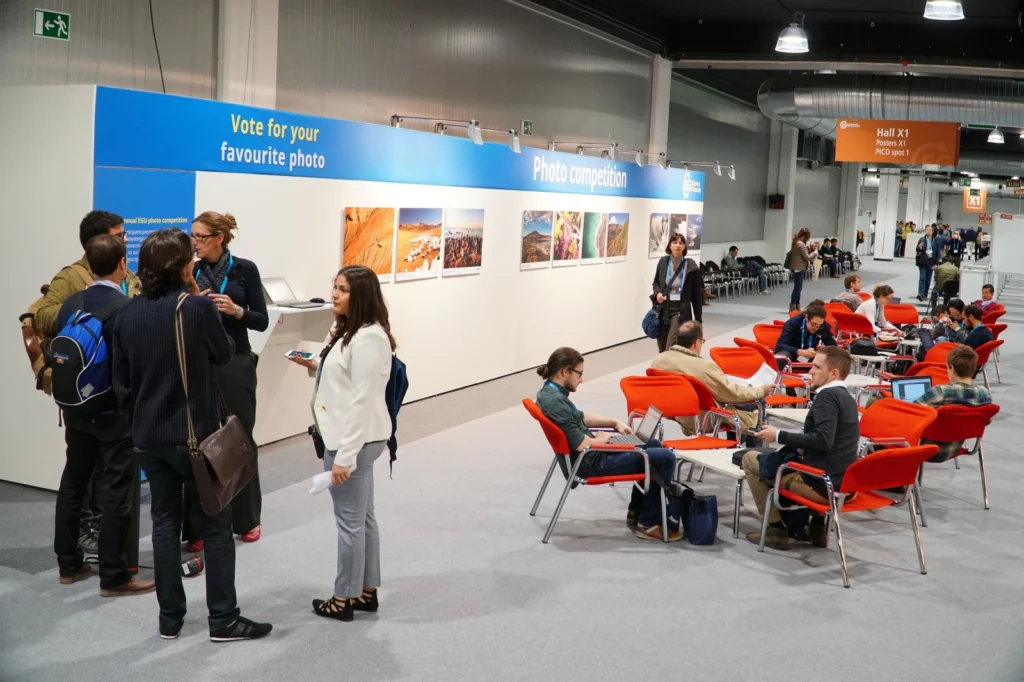
The selection committee received over 600 photos for this year’s EGU Photo Contest, covering fields across the geosciences. Participants at the 2019 General Assembly have been voting for their favourites throughout the week of the conference and there are three clear winners. Congratulations to 2019’s fantastic photographers! Imaggeo is the EGU’s online open access geo ...[Read More]
At the Assembly 2019: Friday highlights
The conference is coming to a close and there’s still an abundance of great sessions to attend! Here’s our guide to getting the most out of the conference on its final day. Boost this information with features from EGU Today, the daily newsletter of the General Assembly – download it here. Union-wide sessions The final day of the conference kicks off with the last two Union sessions. The first ses ...[Read More]
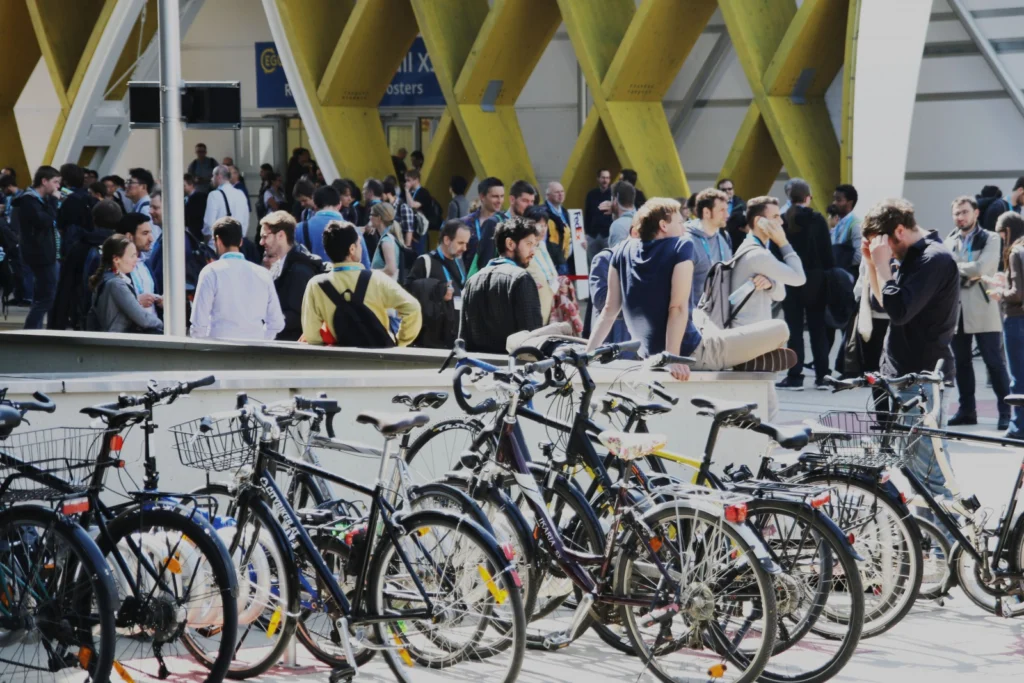
Imaggeo Photo Competition finalists 2019 – who will you vote for?
This year’s Photo Competition judging panel received more than 600 photo submissions, covering fields across the geosciences. The fantastic finalist photos are below and they are being exhibited in Hall X2 (basement, Brown Level) of the Austria Center Vienna – see for yourself! Do you have a favourite? Vote for it! There is a voting terminal (also in Hall X2), just next to the exhibit. Votin ...[Read More]