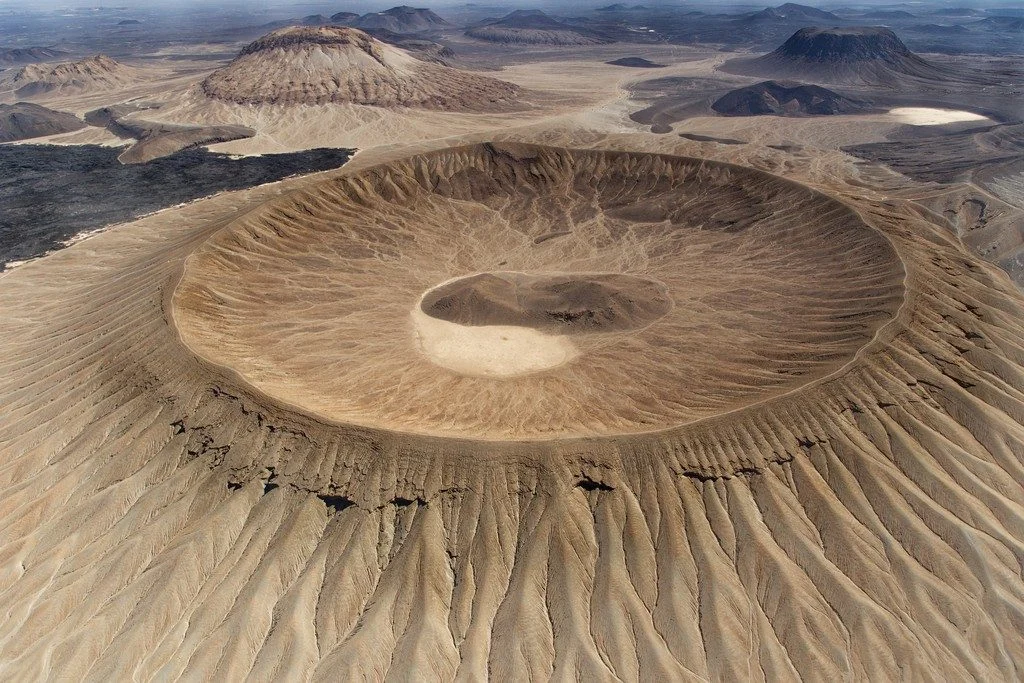
If you are pre-registered for the 2019 General Assembly (Vienna, 7 – 12 April), you can take part in our annual photo competition! Winners receive a free registration to next year’s General Assembly! The tenth annual EGU photo competition opened on 15 January. Up until 15 February, every participant pre-registered for the General Assembly can submit up to three original photos and one moving image ...[Read More]
Imaggeo
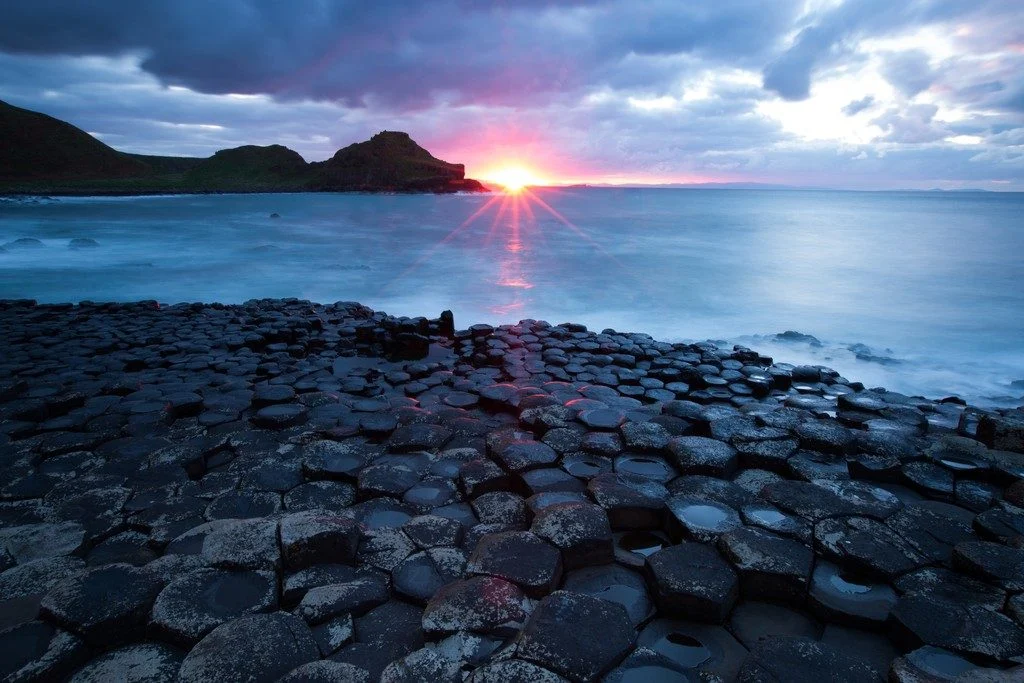
Imaggeo on Mondays: Sunset on the Giant’s Causeway
Pictured here is the Giant’s Causeway – a region of basalt columns, created 50-60 million years ago during the Paleogene. The typical polygonal form of the bedrocks, a product of active volcanic processes from the past, is well underlined by the sunset’s light; that’s why I took the photo in the late evening. The separate cracks are extended by weathering over time and are filled eluvi ...[Read More]
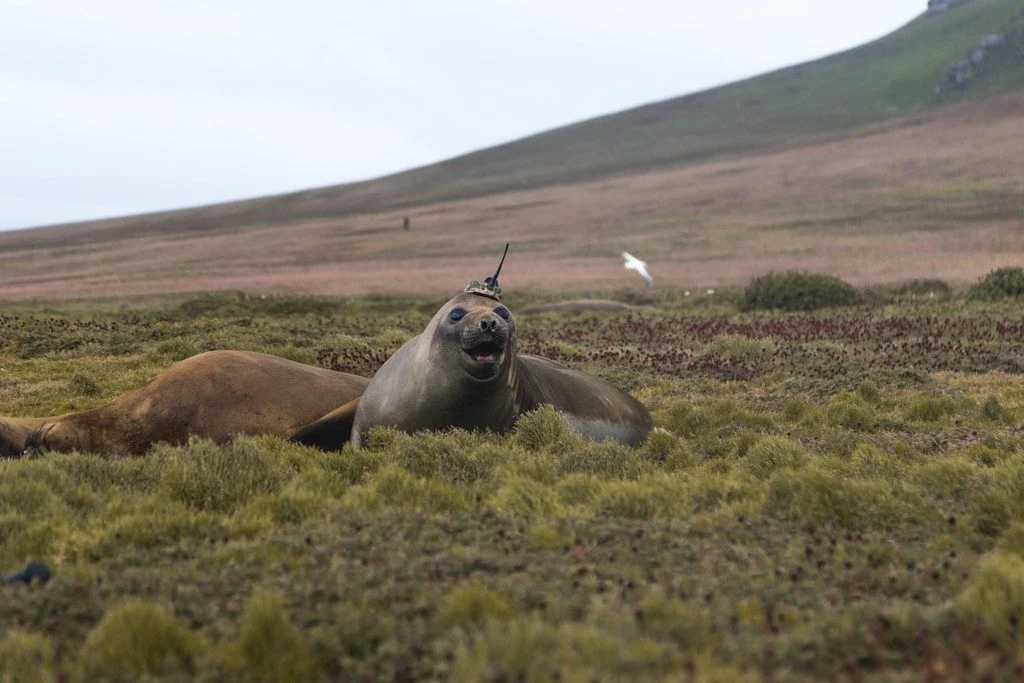
Imaggeo on Mondays: Crowned elephant seals do citizen science
In the Southern Ocean and North Pacific lives a peculiar type of elephant seal. This group acts like any other marine mammal; they dive deep into the ocean, chow down on fish, and sunbathe on the beach. However, they do all this with scientific instruments attached to their heads. While the seals carry out their usual activities, the devices collect important oceanographic data that help scientist ...[Read More]
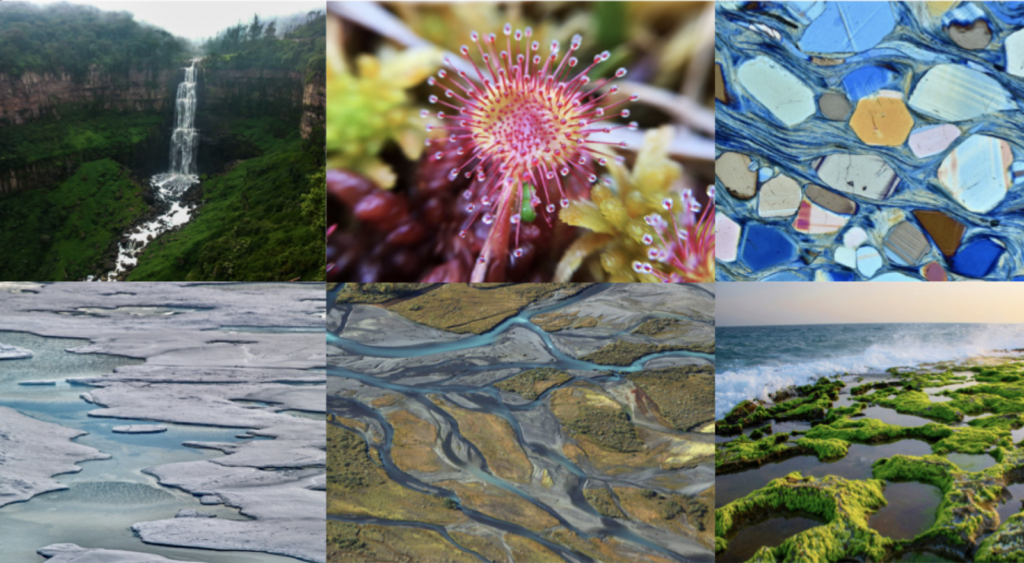
Imaggeo on Mondays: The best of imaggeo in 2018
Imaggeo, our open access image repository, is packed with beautiful images showcasing the best of the Earth, space and planetary sciences. Throughout the year we use the photographs submitted to the repository to illustrate our social media and blog posts. For the past few years we’ve celebrated the end of the year by rounding-up some of the best Imaggeo images. But it’s no easy task to pick which ...[Read More]
Imaggeo on Mondays: Happy holidays!
The EGU wishes all our readers happy holidays and very warm wishes for the new year. And for a chance to be featured on GeoLog throughout the new year, don’t forget to submit your field and lab based photographs and other visuals to Imaggeo: our open access image repository. All geoscientists (and others) can submit their photos and videos to this gallery and, since it is open access, these images ...[Read More]
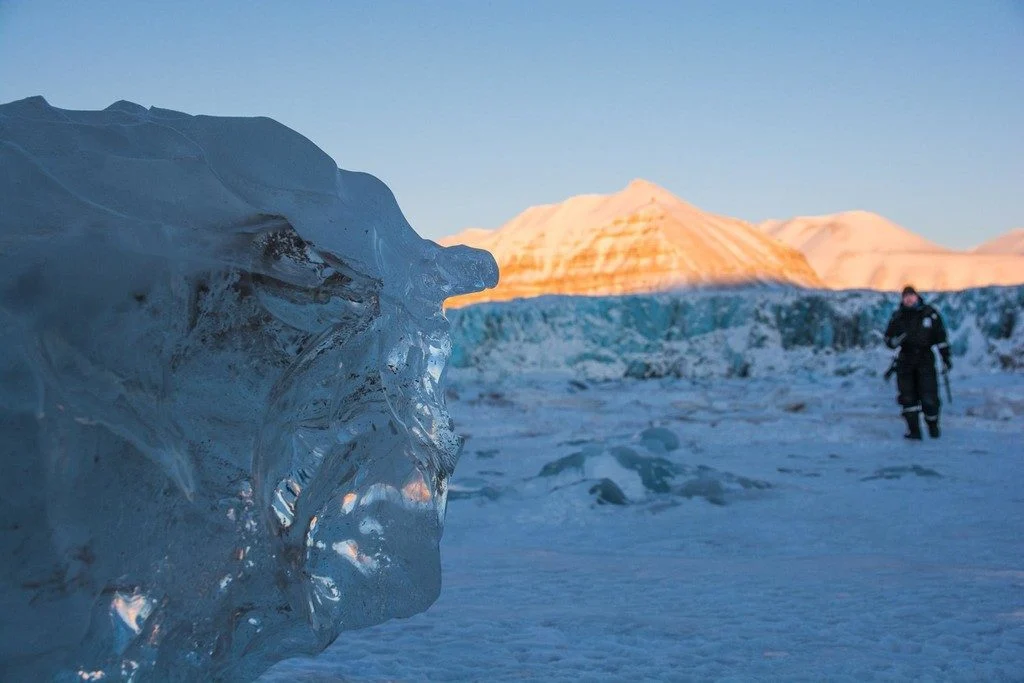
Imaggeo on Mondays: Wandering the frozen Svalbard shore
These ethereal, twisted ice sculptures litter the frozen shoreline of Tempelfjorden, Svalbard, giving the landscape an otherworldly feel and creating a contrast with the towering ice cliff of the glacier and the mountains behind. They are natural flotsam, the scoured remnants of icebergs calved from the Tunabreen glacier, washed up on the shoreline. These icebergs were calved from the Tunabreen gl ...[Read More]
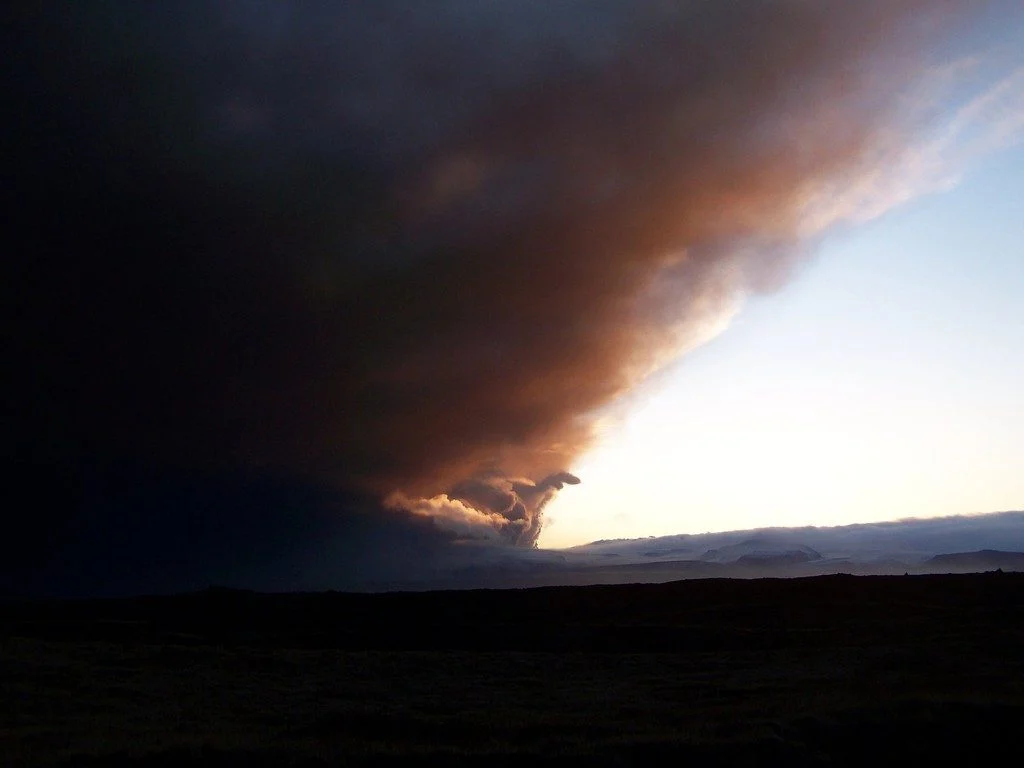
Imaggeo on Mondays: The ash cloud of Eyjafjallajökull approaches
This photo depicts the famous ash cloud of the Icelandic volcano Eyjafjallajökull, which disrupted air traffic in Europe and over the North Atlantic Ocean for several days in spring 2010. The picture was taken during the initial phase of the eruption south of the town of Kirjubæjarklaustur, at the end of a long field work day. Visibility inside the ash cloud was within only a few metres. The erupt ...[Read More]
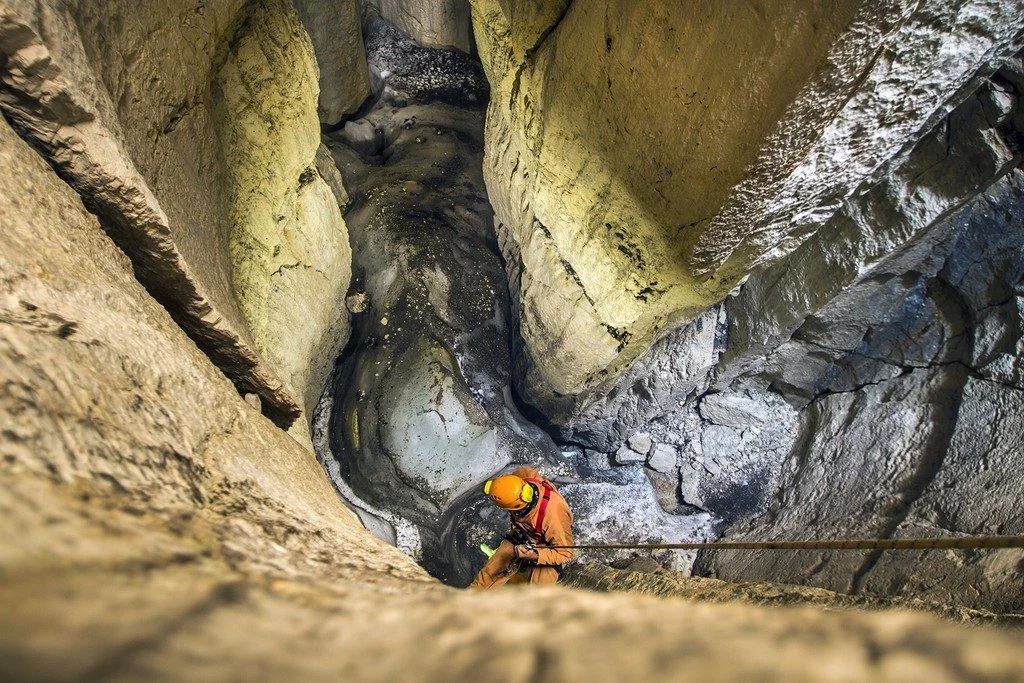
Imaggeo on Mondays: Exploring ice in the deep
The occurrence of sporadic permafrost in the Alps often needs challenging fieldwork in order to be investigated. Here in the high altitude karstic plateau of Mt. Canin-Kanin (2587 m asl) in the Julian Alps (southeastern European Alps) several permanent ice deposits have been recently investigated highlighting how also in such more resilient environments global warming is acting rapidly. Important ...[Read More]
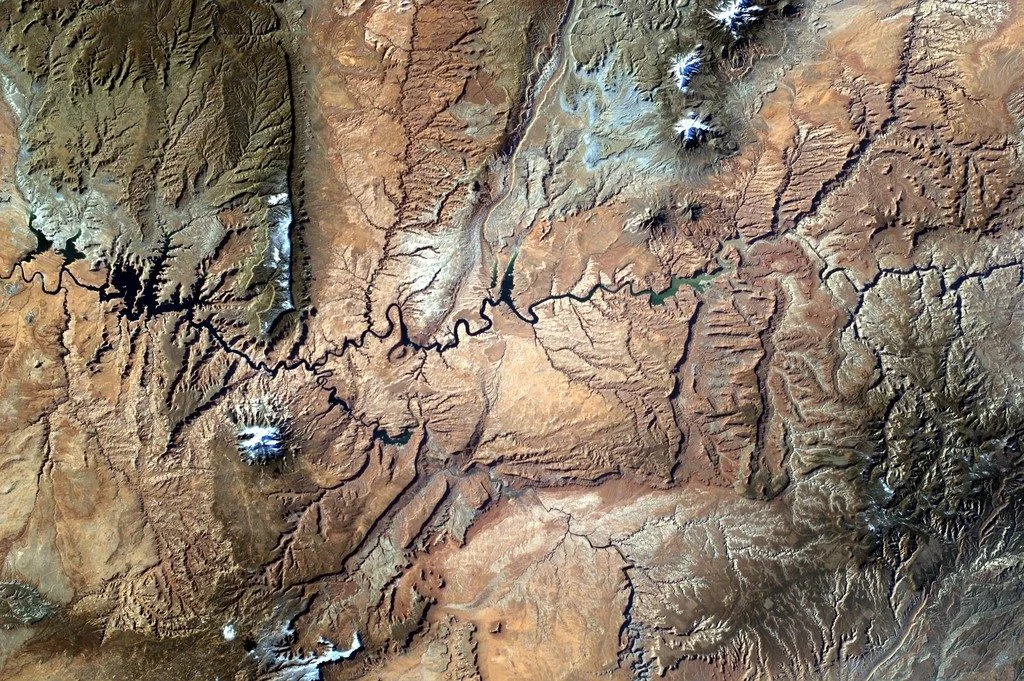
Imaggeo on Mondays: Watching the world from space with EarthKAM
This photo was taken from the International Space Station (ISS), approx. 400 km above the Earth, in the NASA-led educational project Sally Ride EarthKAM (www.earthkam.org), Mission 58, April 2017. The image was requested by a team of 10th and 11th grade students from the National College of Computer Science, Piatra-Neamț, Romania, coordinated by me. The lenses used on the digital camera mounted on ...[Read More]
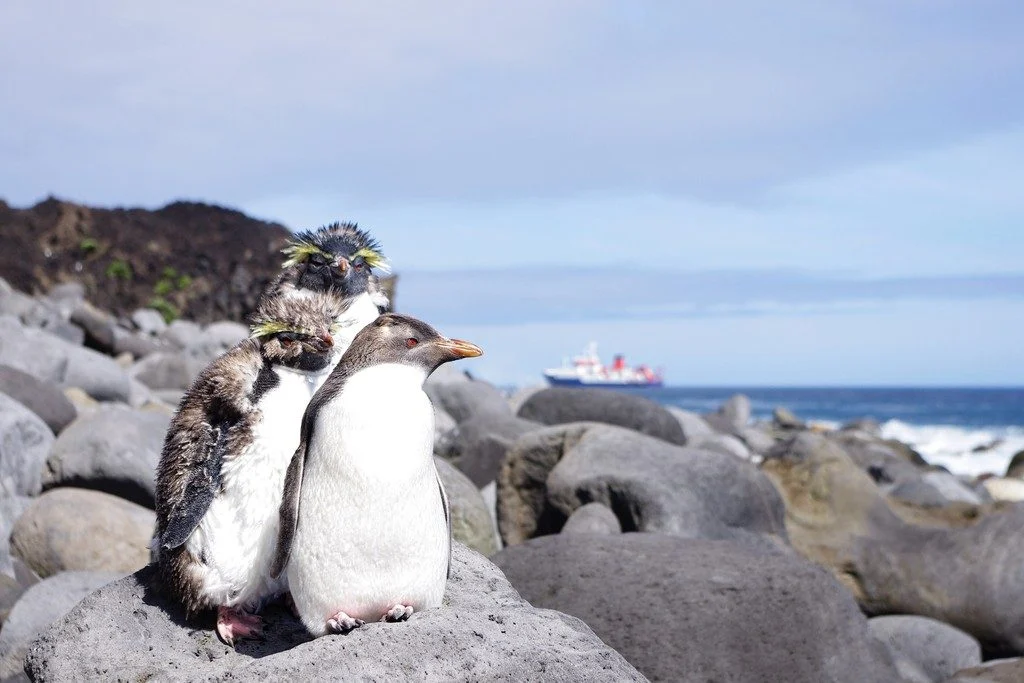
Imaggeo on Mondays: On the way to Tristan’s penguins
Tristan da Cunha is a remote volcanic island in the south Atlantic Ocean. In fact, it is the most remote inhabited archipelago in the world. Tristan is still volcanically active; the last time it erupted was in 1961. After the eruption, which luckily did not have any casualties, the whole population of around 260 people evacuated the island for some time, but they all returned back to the island b ...[Read More]