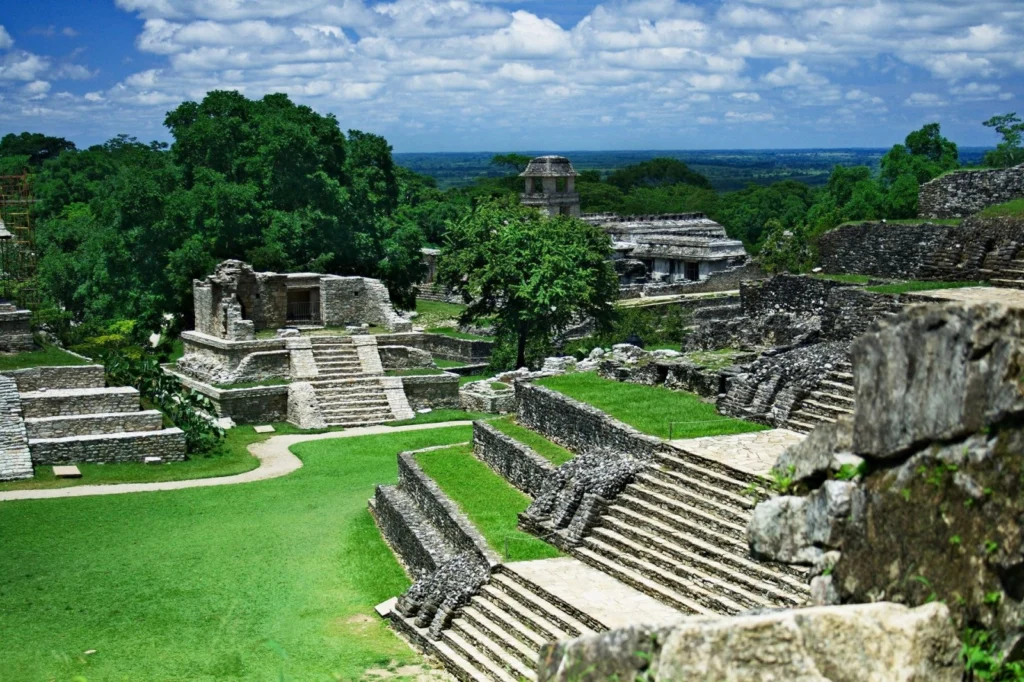
More than 4,000 years ago, when the Great Pyramid of Giza and Stonehenge were being built, the Maya civilisation emerged in Central America. The indigenous group prospered for thousands of years until its fall in the 13th century (potentially due to severe drought). However, thousands of years before this collapse, severely soggy conditions lasting for many centuries likely inhibited the civilisat ...[Read More]
EGU GA 2016
GeoTalk: Beatriz Gaite on why videos are a great tool for communicating your research to a broad audience
If you’ve not heard about our Communicate Your Science Video Competition before it gives early career scientists the chance to produce a video up-to-three-minutes long to share their research with the general public. The winning entry receives a free registration to the General Assembly the following year. In this GeoTalk interview, Laura Roberts talks to Beatriz Gaite an early career scientist wh ...[Read More]
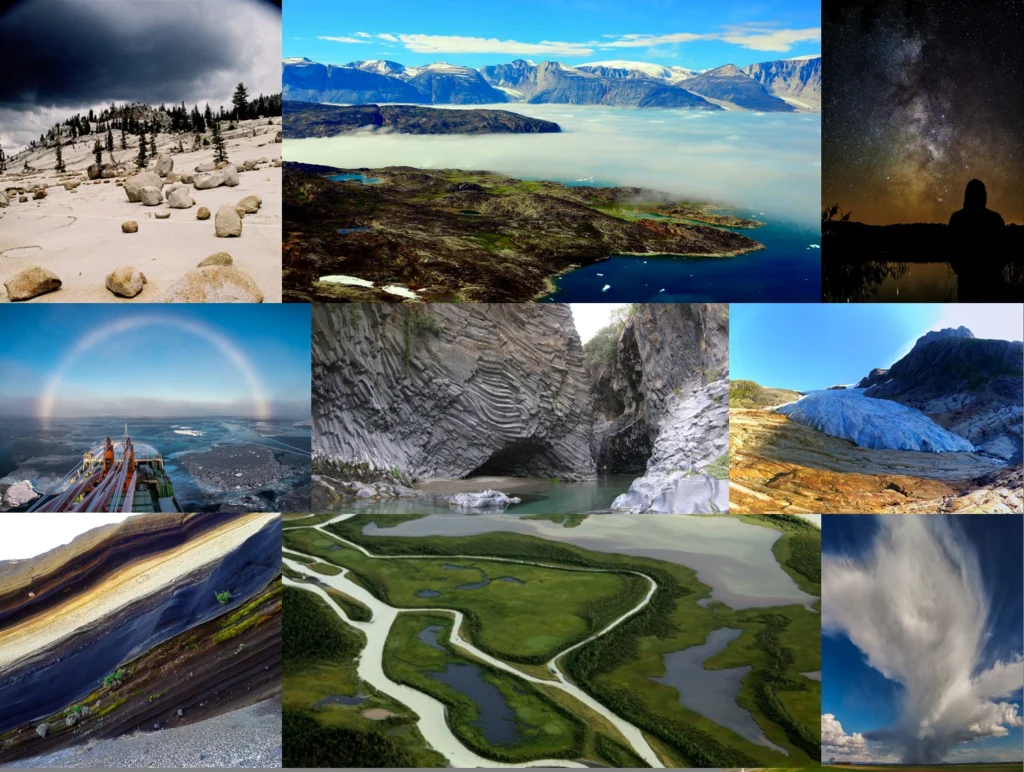
The best of Imaggeo in 2016: in pictures
Imaggeo, our open access image repository, is packed with beautiful images showcasing the best of the Earth, space and planetary sciences. Throughout the year we use the photographs submitted to the repository to illustrate our social media and blog posts. For the past few years we’ve celebrated the end of the year by rounding-up some of the best Imaggeo images. But it’s no easy task to pick which ...[Read More]
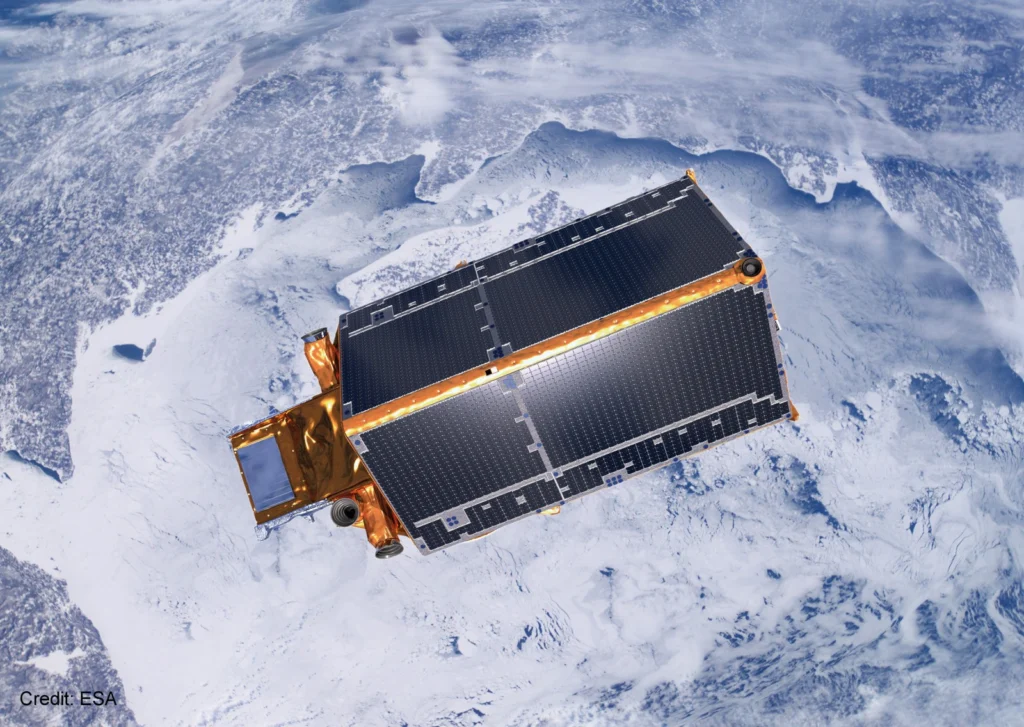
GeoTalk: Using satellites to unravel the secrets of our planet’s polar regions
Geotalk is a regular feature highlighting early career researchers and their work. In this interview we speak to Bert Wouters, a polar scientist at the University of Utrecht, and winner of one of the 2016 Arne Richter Awards for Outstanding Young Scientists. At a time when the polar regions are facing increasing challenges resulting from climate change, understanding how they might respond to them ...[Read More]
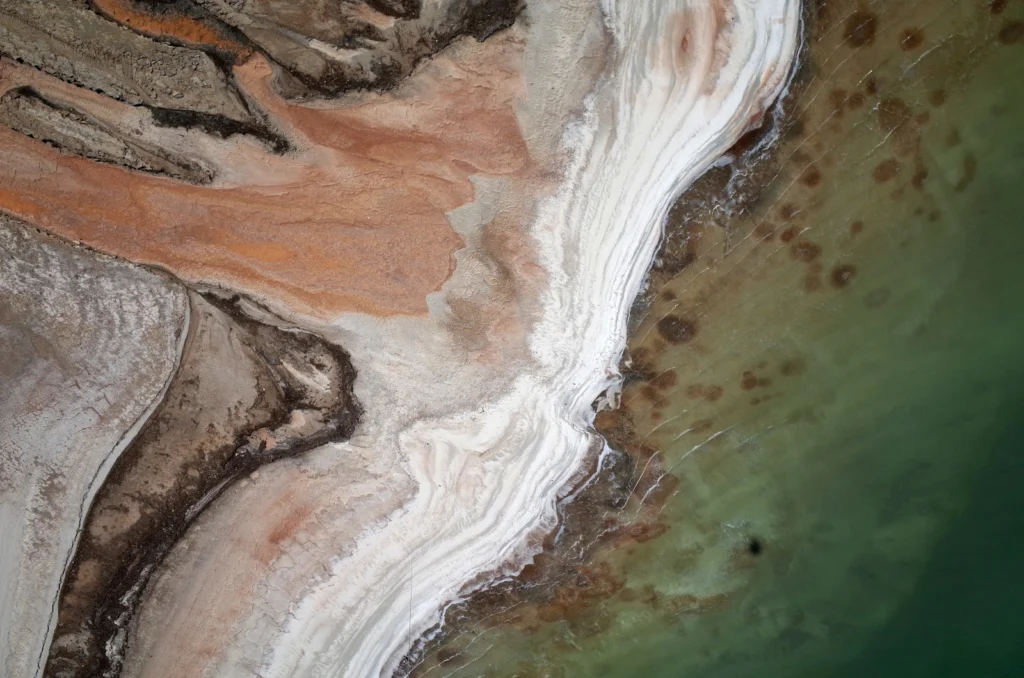
Imaggeo on Mondays: The shrinking of Earth’s saltiest lake
The Dead Sea is one of the saltiest lakes on Earth, located at the lowest point of the globe. For centuries it has been known for the restorative powers of its muds and waters. Their hypersalinity means it is possible to easily float on the lake’s surface. Bordering Israel, the West Bank and Jordan, it is a unique environment in an otherwise arid region. Changing climate, which is seeing tempera ...[Read More]
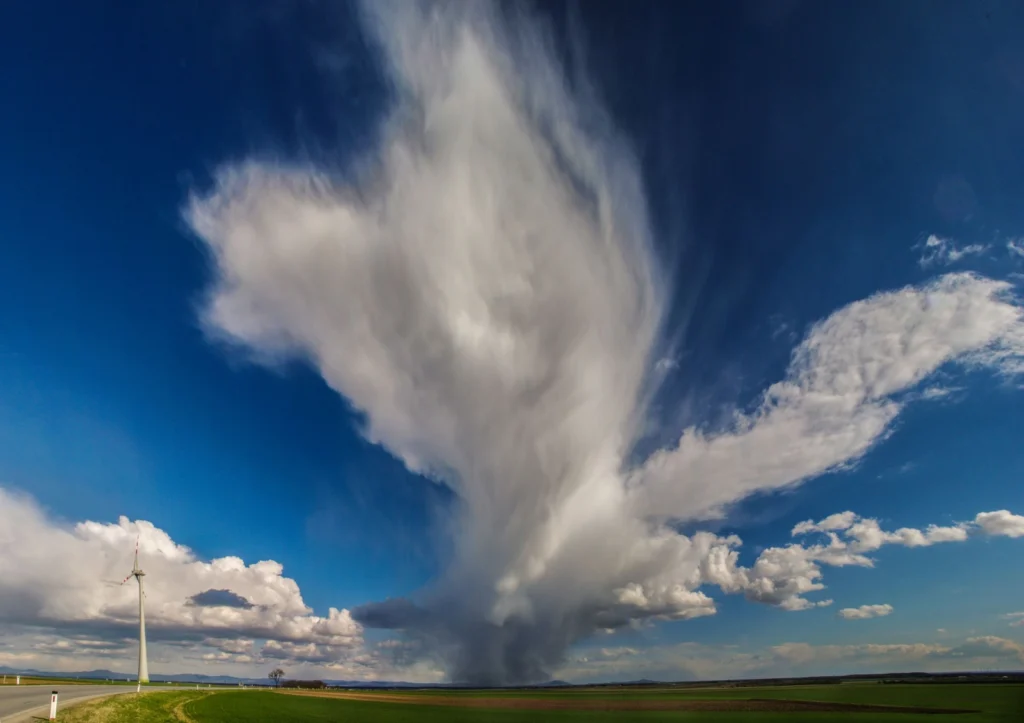
Imaggeo on Mondays: Isolated storm
Clouds and storms are formed when warm, moist air rises. This causes the air to expand and cool: forming clouds as the moisture condenses onto particles suspended in the air (called cloud condensation nuclei). Normally, air rises from surface heating, or when warm and cold air pockets collide, or if air is pushed upwards when passing over hills or mountains. If this heating, and subsequent rising, ...[Read More]
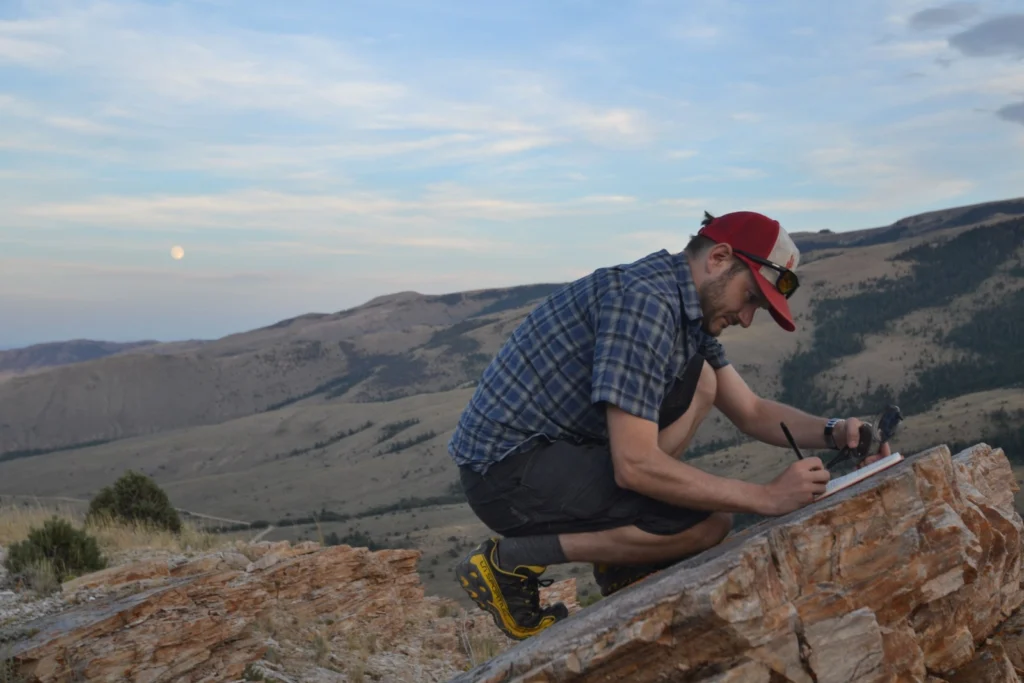
GeoTalk: Peter Lippert, understanding continental tectonics through palaeomagnetic studies
Geotalk is a regular feature highlighting early career researchers and their work. In this interview we speak to Peter Lippert, a palaeomagnetist at the University of Utah, and winner of the 2016 EMRP Outstanding Young Scientist Award. He was granted the award for his contributions to insights into palaeoceanography and continental tectonics through palaeomagnetic studies. Crucially, his work usin ...[Read More]
Stop the press!: How to pitch your research to a journalist or editor
Why does some research make it into the main stream media, while so many stories languish in the expanse between the lab bench and research papers? The answer isn’t straightforward. A variety of factors come into play: is the research newsworthy; is it timely; does it represent a ground-breaking discovery; or is it of human and societal interest? Newsworthiness isn’t the be all and end all. Someti ...[Read More]
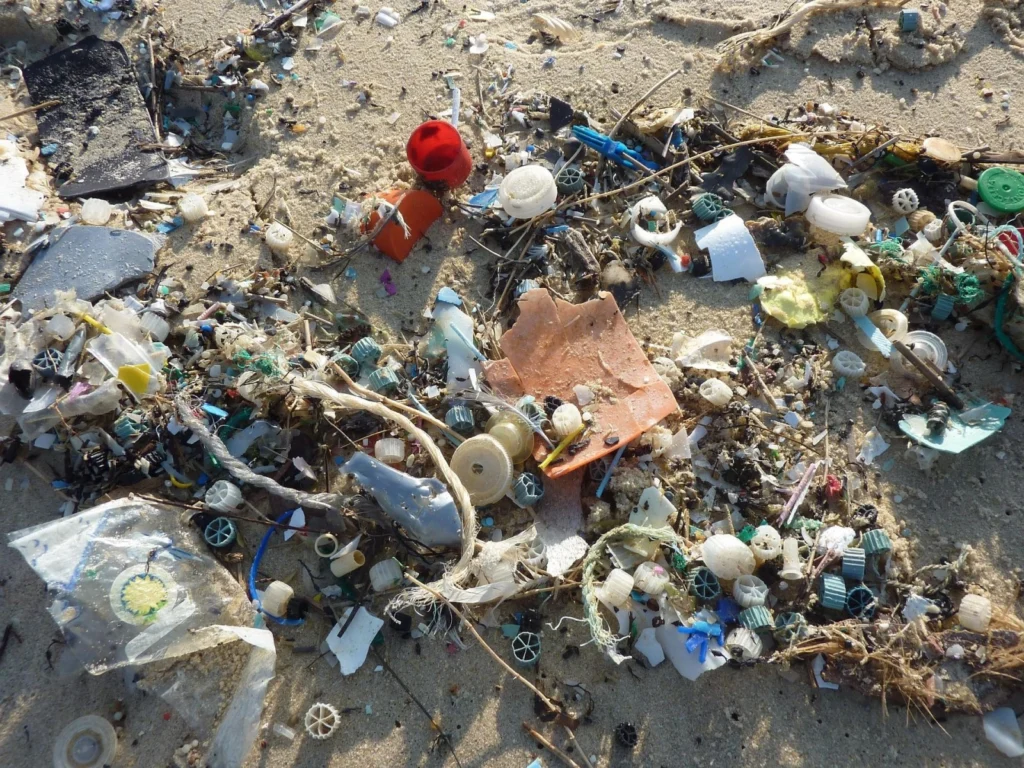
GeoTalk: Investigating the transport of plastic pollution in the oceans
Geotalk is a regular feature highlighting early career researchers and their work. In this interview we speak to Erik van Sebille, an oceanographer at the Grantham Institute at Imperial Collage London, and winner of the 2016 OS Outstanding Young Scientist Award. As an expert in understanding how oceans transport all kinds of materials, from water and heat through to plastics, Erik has gained detai ...[Read More]
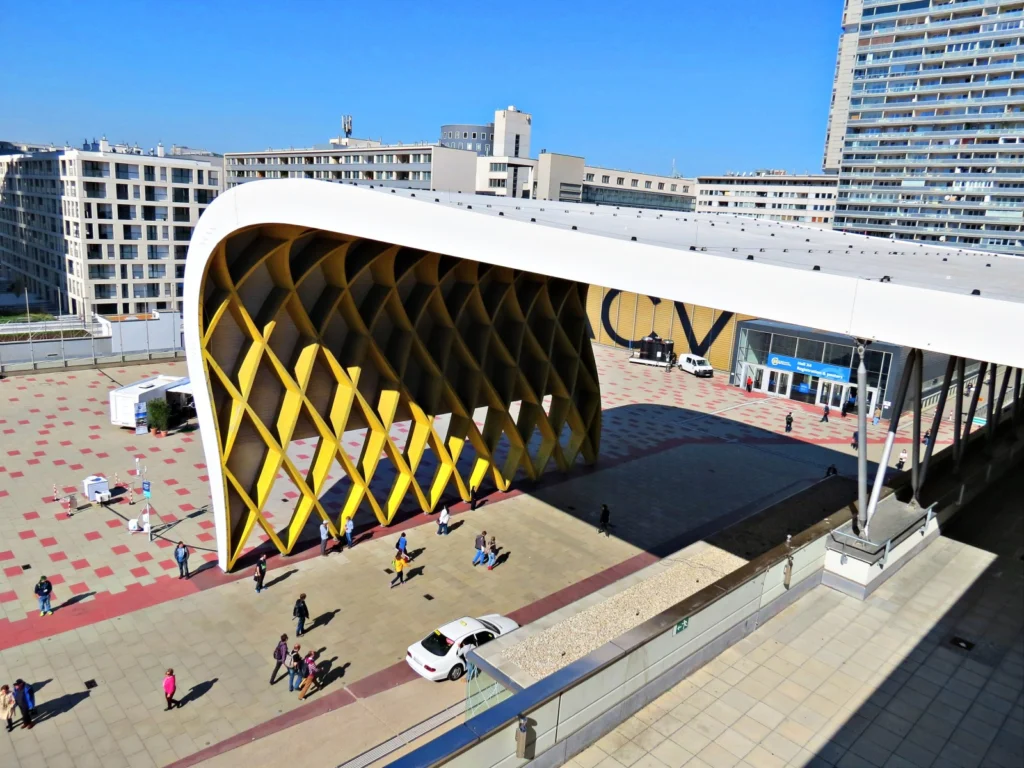
Imaggeo on Mondays: Get involved!
Today’s featured image is a throw back to our 2016 General Assembly! Did you enjoy this year’s 619 unique scientific sessions and 321 side events at conference? Did you know that EGU members and conference attendees can play an active role in shaping the scientific programme of the conference? It is super easy! You can suggest a session (with conveners and description), and/or modifica ...[Read More]