GeoLog

EGU GA 2016

GeoTalk: Raffaele Albano, Early Career Scientist Representative
GeoTalk: Raffaele Albano, Early Career Scientist Representative
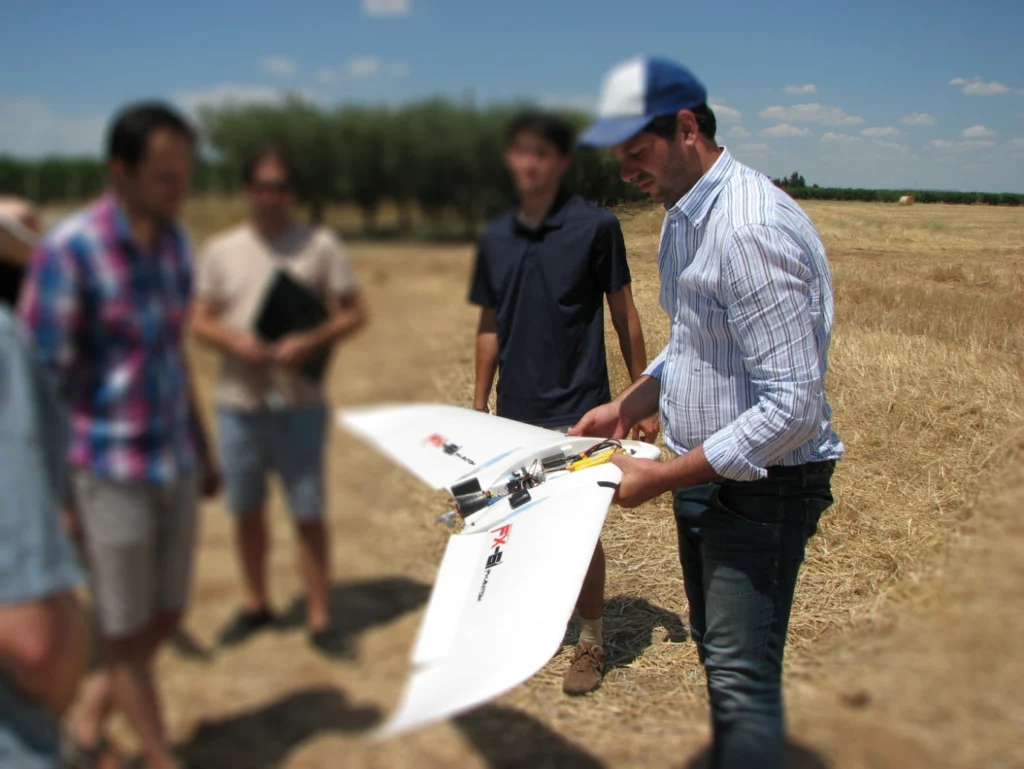
In addition to the usual GeoTalk interviews, were we highlight the work and achievements of early career researchers, over the next few months we’ll be introducing the Division early career scientist representatives (ECS). They are responsible for ensuring that the voice of EGU ECS membership is heard. From organising short courses during the General Assembly, through to running Division Blogs and ...[Read More]

Imaggeo on Mondays: Living flows

Imaggeo on Mondays: Living flows

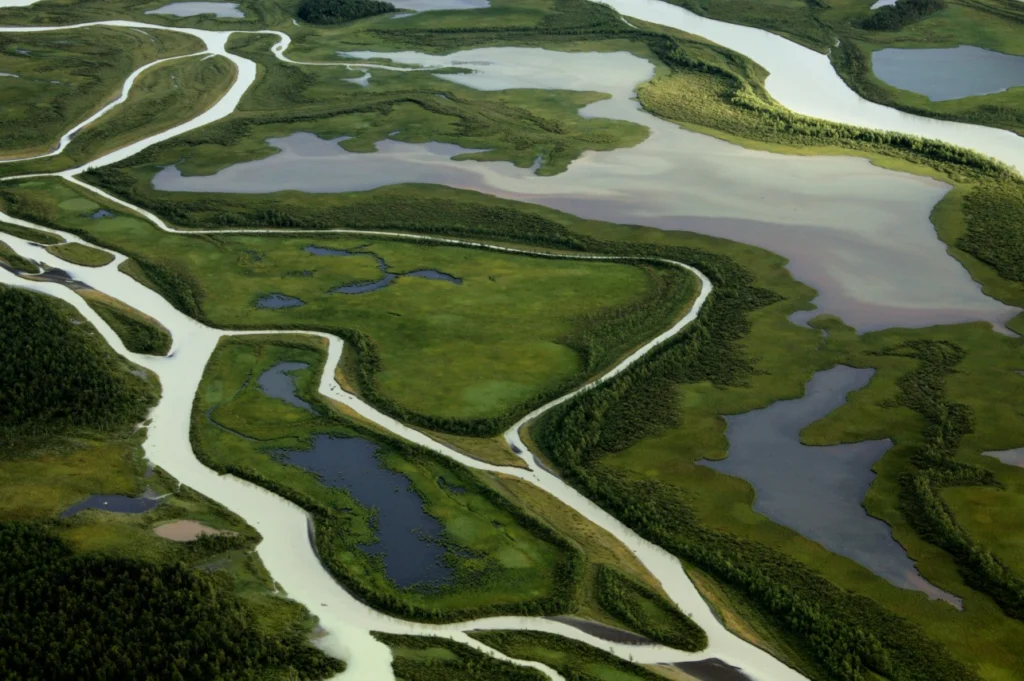
There are handful true wildernesses left on the planet. Only a few, far flung corners, of the globe remain truly remote and unspoilt. To explore and experience untouched landscapes you might find yourself making the journey to the dunes in Sossuvlei in Namibia, or to the salty plain of the Salar Uyuni in Bolivia. But it’s not necessary to travel so far to discover an area where humans have, so far ...[Read More]

Imaggeo on Mondays: counting stars

Imaggeo on Mondays: counting stars

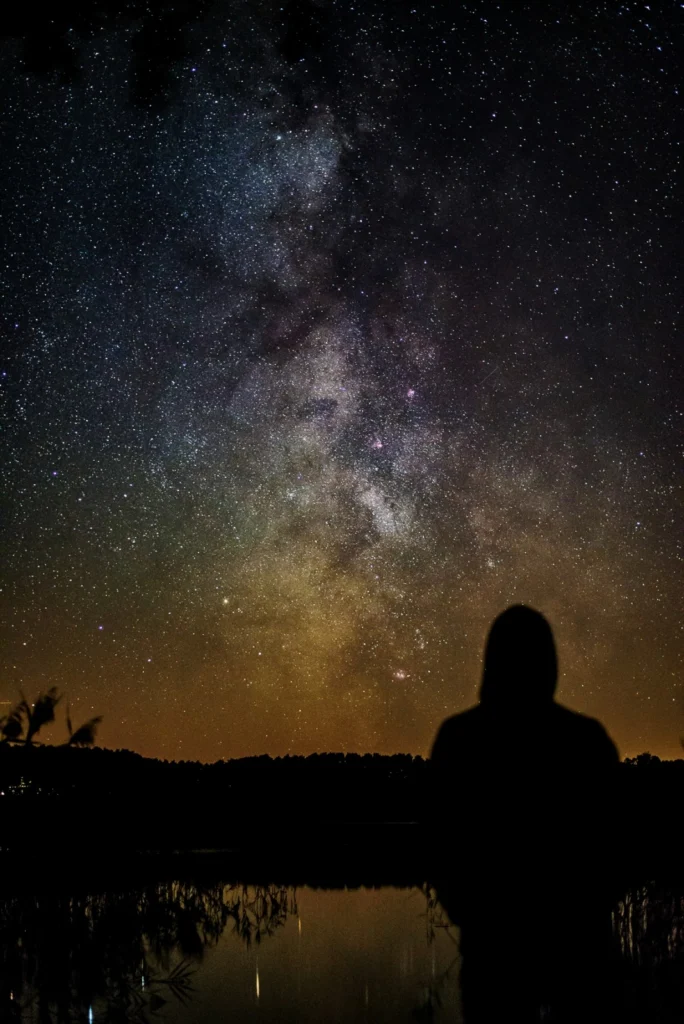
This year’s imaggeo photo contest saw humdreds of great entries. Among the winning images was a stunning night-sky panorama by Vytas Huth. In today’s post, Vytas describes how he captured the image and how the remote location in Southern Germany is one of the few (in Europe) where it is still posssible to, clearly, image the Milk Way. I took the image in October 2015, usually the last ...[Read More]

My film is ready, now what?

My film is ready, now what?

It’s no secret that at EGU we believe using film as a medium to communicate science and engage the public with research is a great tool! So much so that we organise an annual competition for early career scientists (ECS) to produce a three-minute video to share their research with the general public, as well as publishing film how-to-guides on our blog and organising film-making workshops at our G ...[Read More]

GeoTalk: Matt Taylor of ESA’s Rosetta mission

GeoTalk: Matt Taylor of ESA’s Rosetta mission

In November 2014, space exploration history was made. Millions of kilometres away, orbiting a piece of ice and rock, the European Space Agency’s (ESA) Rosetta mission sent its probe Philae to become the first spacecraft to soft-land on a comet. After the tense 7-hour wait that followed the separation from the main orbiter, a tweet confirmed that the little lander had successfully completed the fir ...[Read More]

Gender equality in the geosciences: is it a numbers game?

Gender equality in the geosciences: is it a numbers game?

Here’s a tricky question for you. Try and name a woman in geoscience who has won an award for their studies in the last 5 years? How about a man? Chances are it is much easier to think of a male geoscientist who has won an award than a female one, but is that because more men win awards in geoscience than women (compared to the number of male and female geoscientists)? This was the question that w ...[Read More]

Finding Funding: a how to guide to applying for research grants

Finding Funding: a how to guide to applying for research grants

Drafting your first grant proposal can be daunting. Grant writing improves with experience, so how do early career scientists compete on an equal footing with those who are more established? At this year’s General Assembly we tackled this very question at the Finding Funding (SC46)  short course. Grant Allen, an atmospheric scientist, who has plenty of experience in applying for funding  spoke abo ...[Read More]

Volcanic darkness marked the dawn of the Dark Ages

Volcanic darkness marked the dawn of the Dark Ages

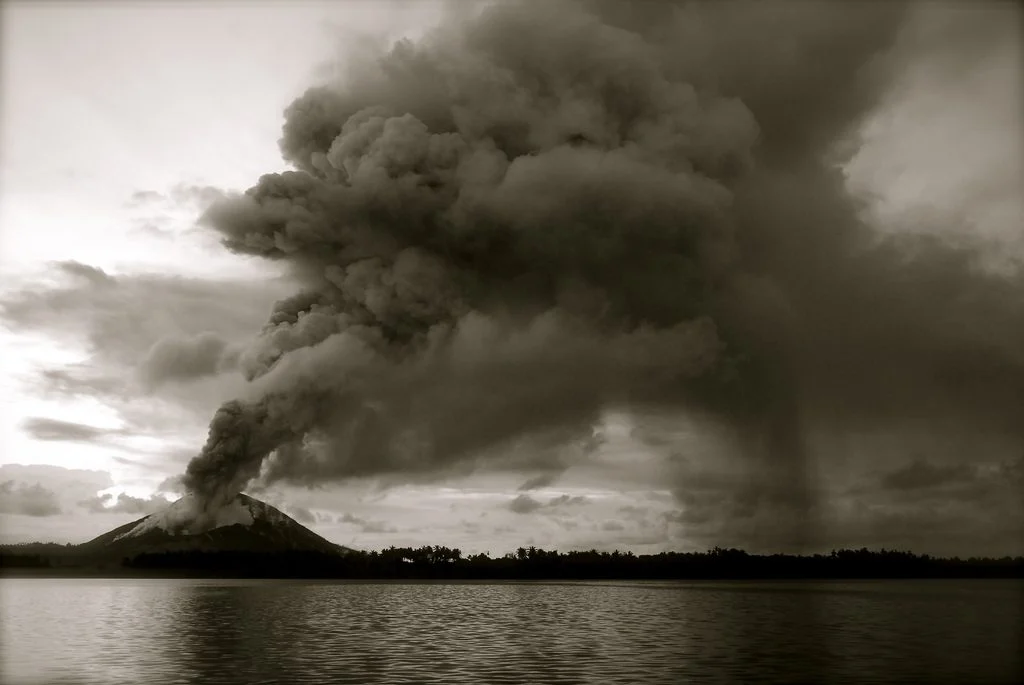
The dawn of the Dark Ages coincided with a volcanic double event – two large eruptions in quick succession. Combined, they had a stronger impact on the Earth’s climate than any other volcanic event – or sequence of events – in the last 1200 years. Historical reports reveal that a mysterious dust cloud dimmed the sun’s rays between in 536 and 537 CE, a time followed by global societal decline. Now, ...[Read More]

General Assembly 2016 – Highlights

General Assembly 2016 – Highlights

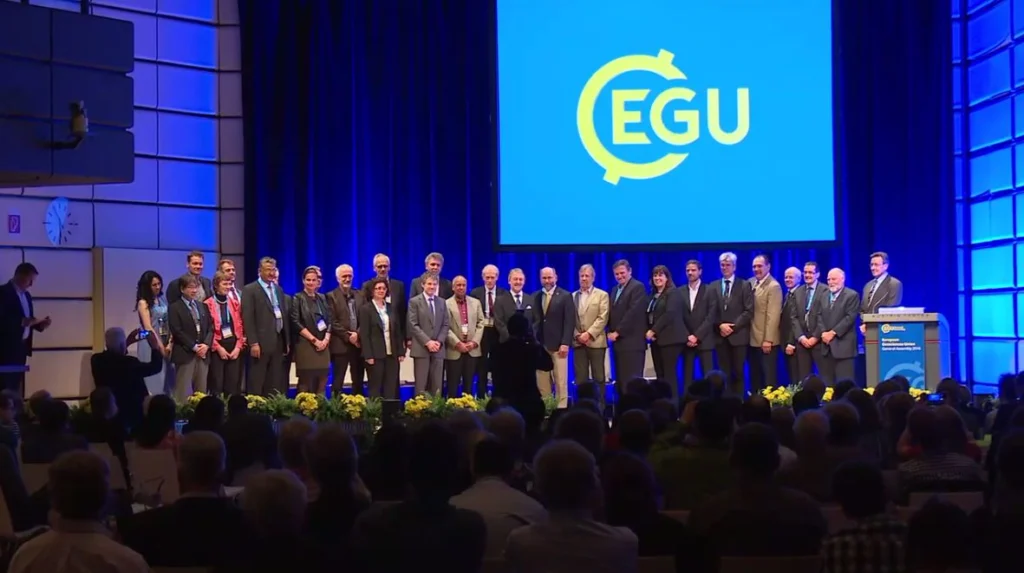
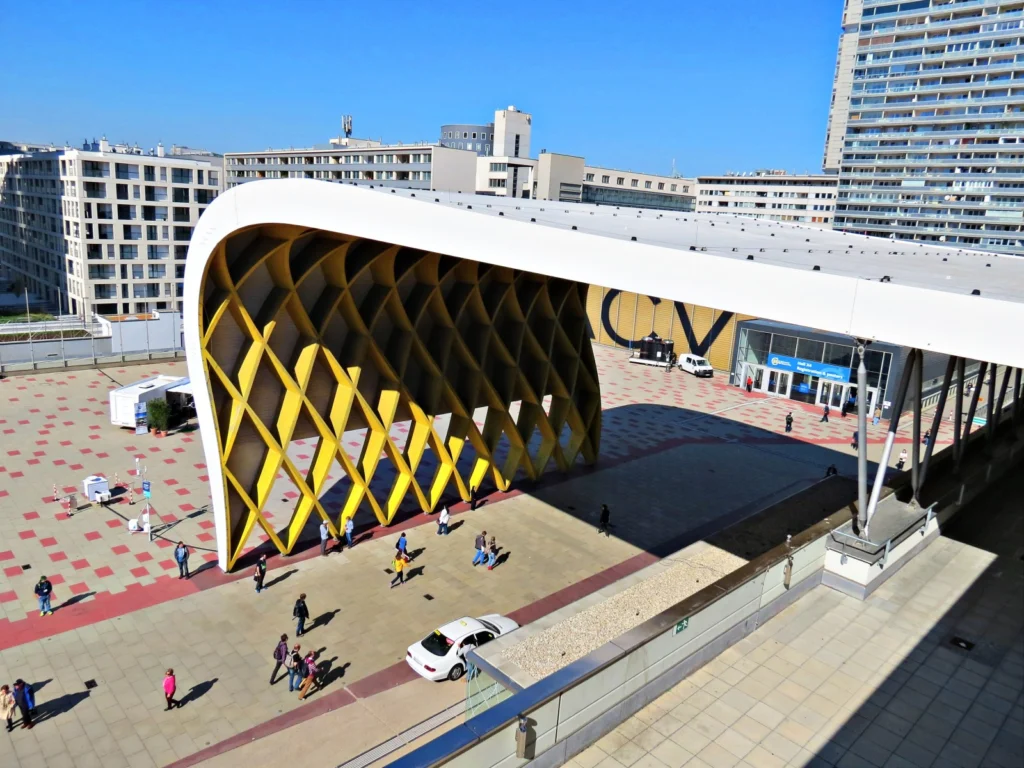
It’s been a month and a half since the EGU General Assembly 2016 in Vienna. The conference this year was a great success with 863 oral, 10,320 poster, and 947 PICO presentations. A further 619 unique scientific sessions were complimented by an impressive 321 side events, creating an interesting and diverse programme.The conference brought together 13,650 scientists from 109 countries, 25% were stu ...[Read More]

Testing triggers of catastrophic climate change

Testing triggers of catastrophic climate change

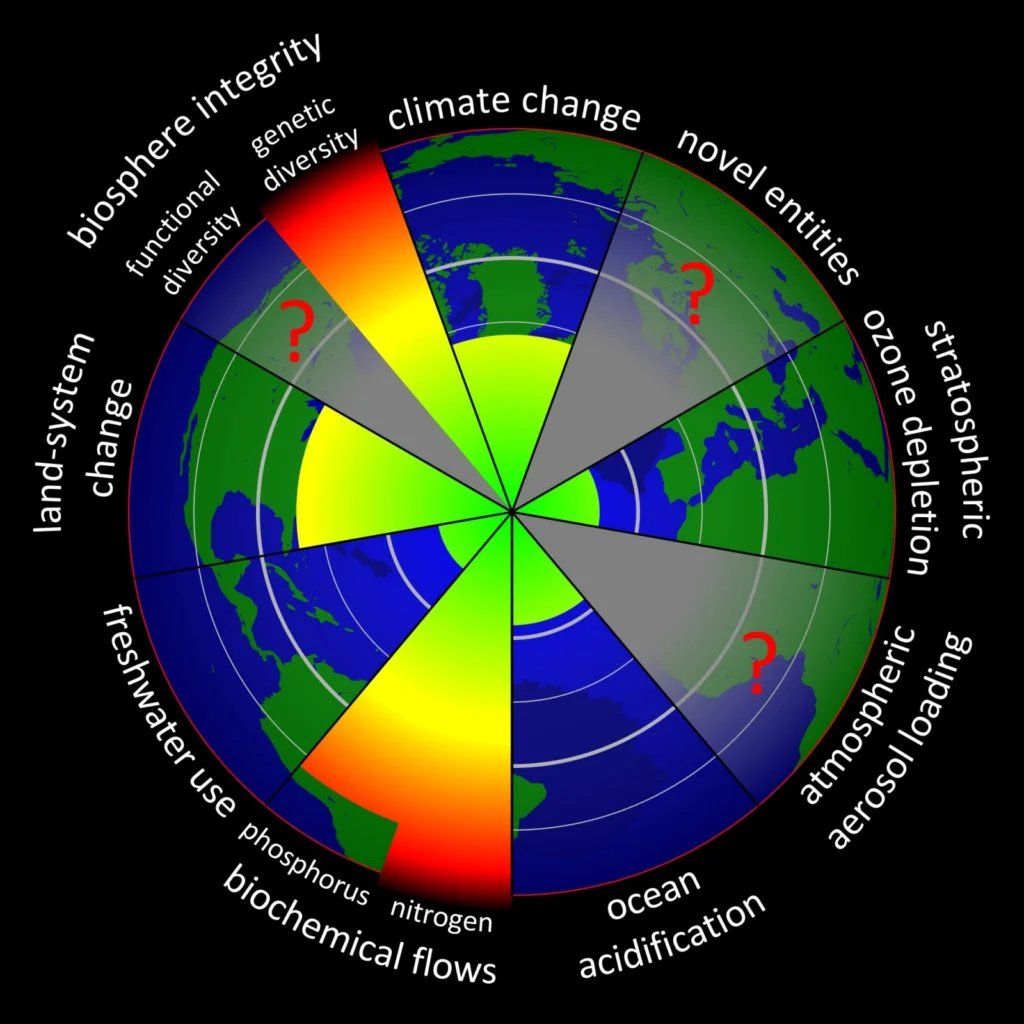
The research presented during the EGU’s 2016 General Assembly have wide-reaching implications for how we understand planet Earth. In today’s post, Sara Mynott, an EGU press assistant during the conference, writes about findings presented at the meeting which highlight the importance of the biosphere when it comes to understanding the threat posed to our planet by environmental challenges. With the ...[Read More]