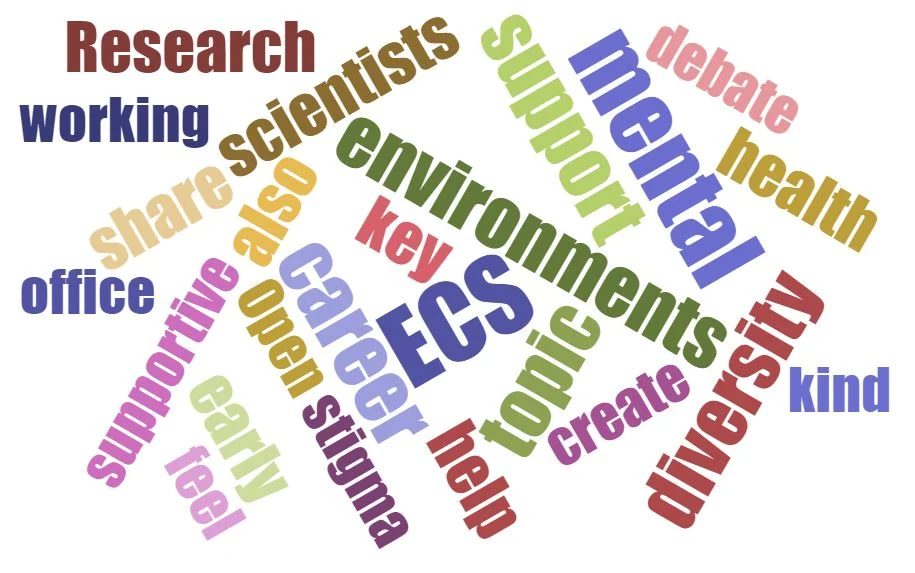
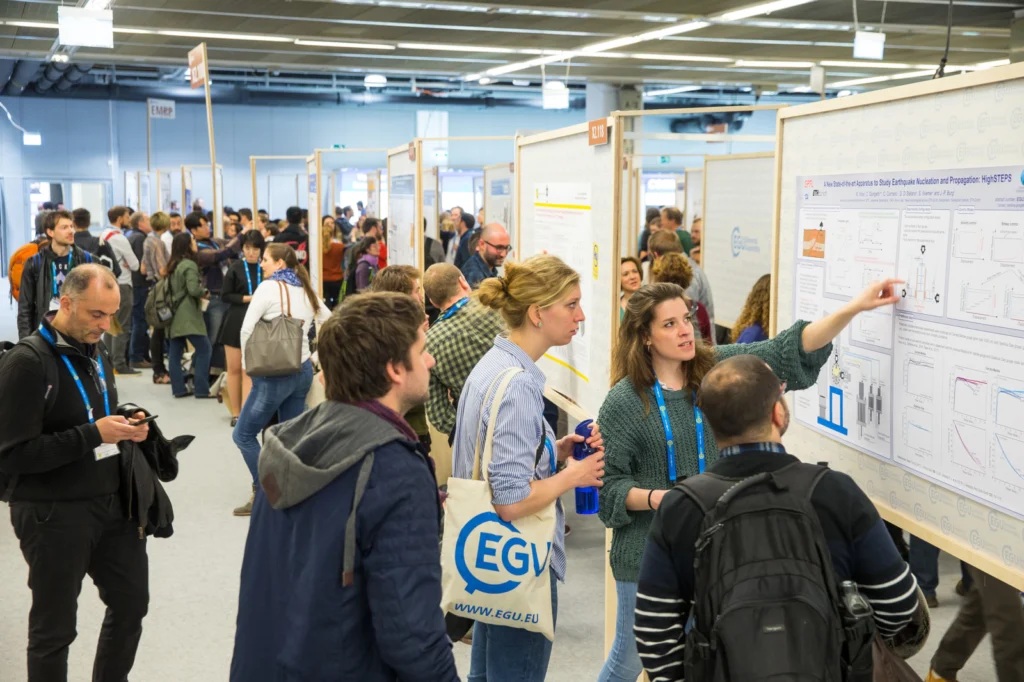
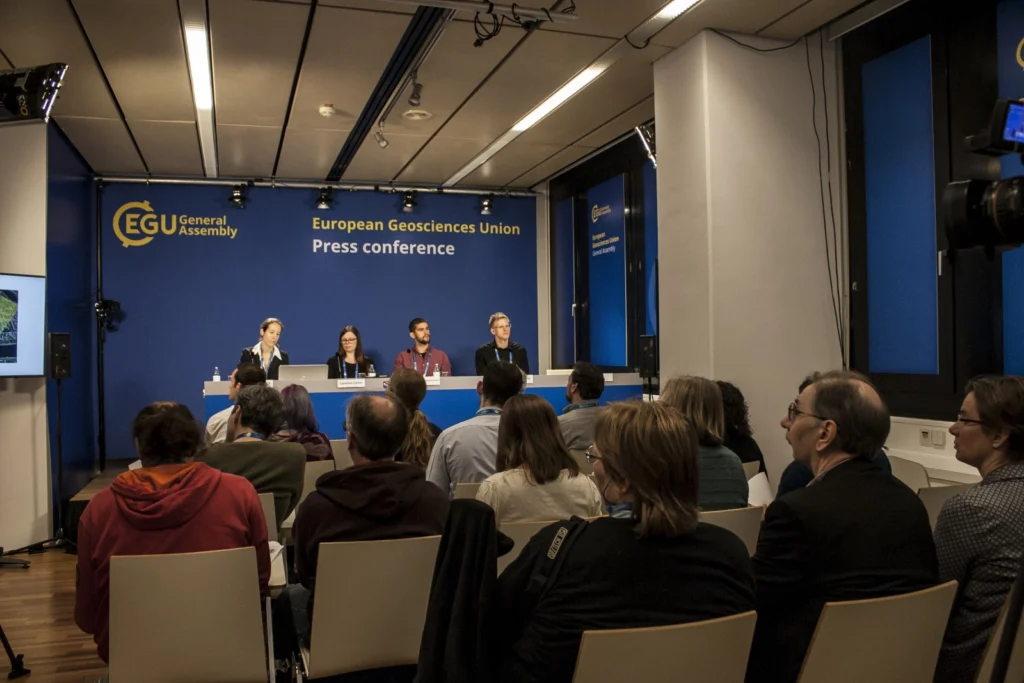
The EGU Early Career Scientists’ (ECS) Great Debates offer early career scientists at the EGU General Assembly the chance to network and voice their opinions on important topics in the format of round-table discussions. At the end of the debate, each table delivers a statement that summarises the discussion and recommendations. By publishing the results, …[Read More]
EGU
Uploading your 2019 General Assembly presentation
This year it is, once again, possible to upload your oral presentations, PICO presentations and posters from EGU 2019 for online publication alongside your abstract, giving all participants a chance to revisit your contribution – hurray for open science! Files can be in either PowerPoint or PDF format. Note that presentations will be distributed under the Creative Commons Attribution …[Read More]
Games, games, games at the EGU 2019 meeting
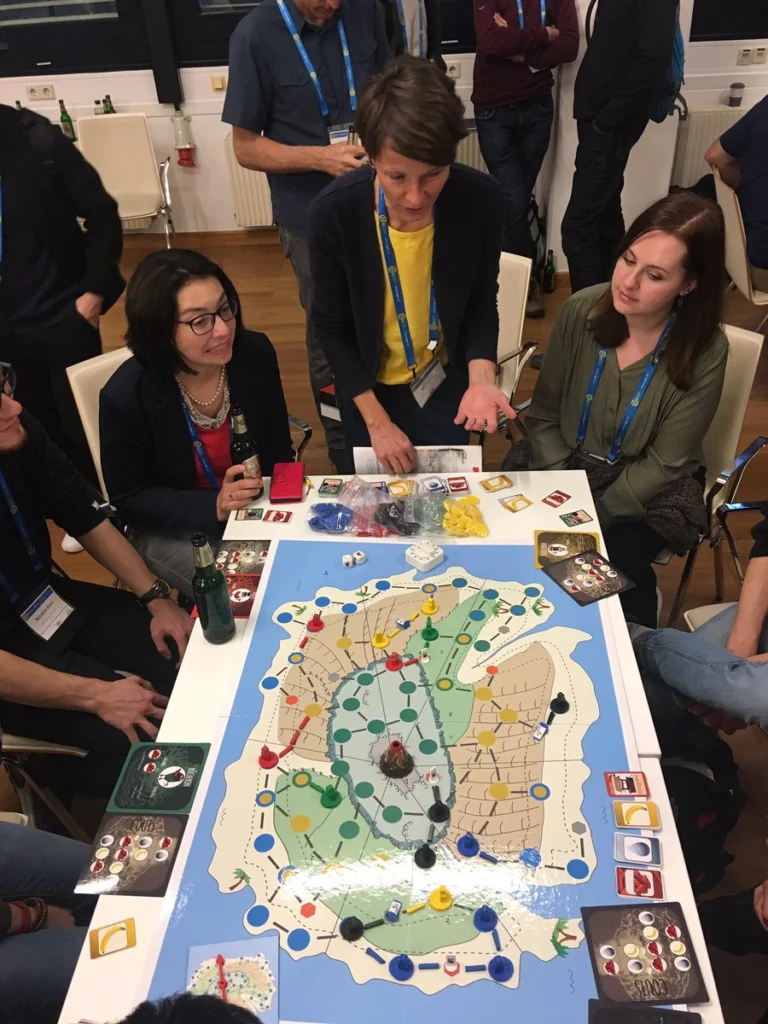
At the EGU General Assembly 2019, more than 16,000 scientists came together in Vienna to present their research, discuss the latest advances in their field, and engage in workshops. On the Wednesday evening of the EGU conference, hundreds of researchers also came together to play geoscience-based games! Games can be great tools for geoscience outreach …[Read More]
Challenging challenges in Earth science research at the EGU General Assembly!
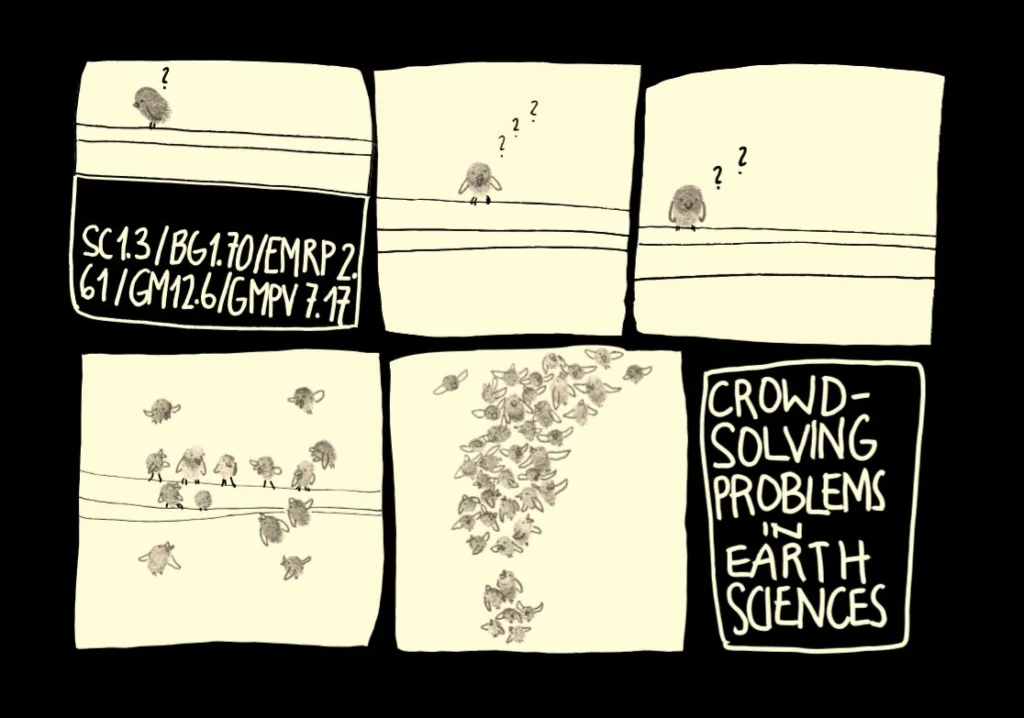
At the EGU General Assembly 2019 last month, if you walked through the dark basement and the most distant hallways of the convention centre, into room -2.62 on Wednesday evening, you may have heard people introducing themselves followed by the words “… and I have a problem.” This may have sounded like a support group. …[Read More]
May GeoRoundUp: the best of the Earth sciences from around the web
Drawing inspiration from popular stories on our social media channels, major geoscience headlines, as well as unique and quirky research, this monthly column aims to bring you the latest Earth and planetary science news from around the web. Major story The impact that humans have left on the planet’s landscape is so profound, that up …[Read More]
Bringing geoscience into prisons
During the European Geosciences Union General Assembly in Vienna, I caught up with Phil Heron, a Newcastle-born geodynamicist at Durham University, UK. Earlier this year he won an EGU outreach grant to engage young offenders with geoscience subjects and help improve their employability. He tells us how he started working in prisons and shares what …[Read More]
GeoTalk: Meet the EGU’s president, Alberto Montanari
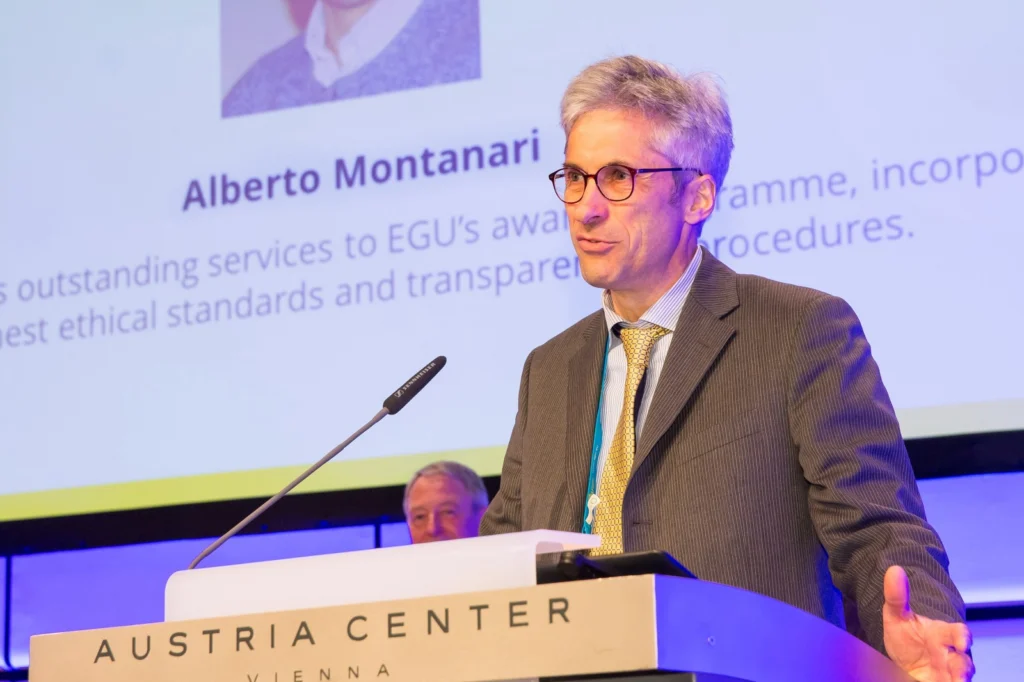
GeoTalk interviews usually feature the work of early career researchers, but this month we deviate from the standard format to speak to Alberto Montanari, president of the EGU. Alberto has a long-standing involvement with the Union, stretching back more than 15 years. Following a year as vice-president, Alberto was appointed president at this year’s General …[Read More]
IGLUNA: students work towards building an icy human habitat on the Moon!
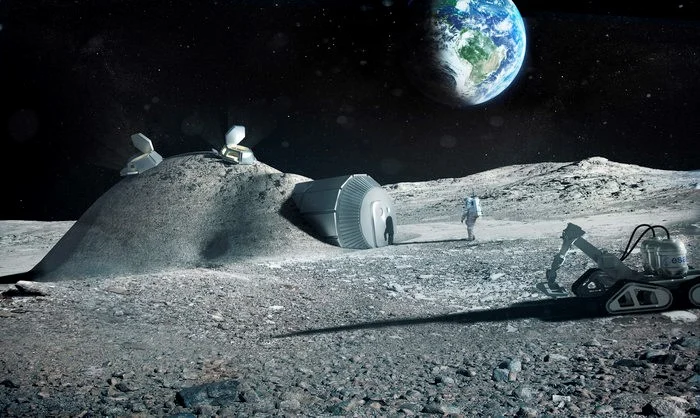
What does it take to build a habitat in ice on the Moon? An international group of university students and professionals is working together to provide this answer and develop a sustainable and operational habitat in lunar ice. The project is called IGLUNA and is organised by the Swiss Space Center and the European Space …[Read More]
April GeoRoundUp: the best of the Earth sciences from the 2019 General Assembly
The EGU General Assembly 2019 took place in Vienna last month, drawing more than 16,000 participants from 113 countries. This month’s GeoRoundUp will focus on some of the unique and interesting stories that came out of research presented at the Assembly! Major Stories Glacial disappearing act in the European Alps New research from a team …[Read More]
Could beavers be responsible for long-debated deposits?
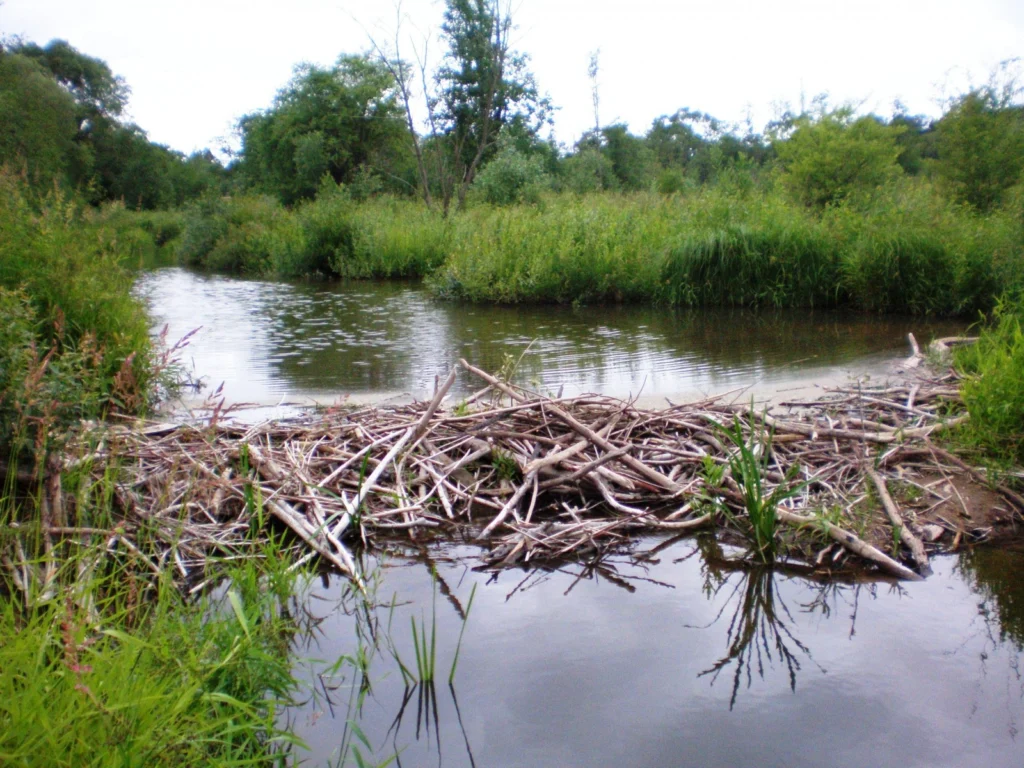
Following her presentation at the European Geosciences Union General Assembly in Vienna, I caught up with geomorphologist and environmental detective Annegret Larsen from the University of Lausanne, Switzerland, about beavers, baffling sediments and a case she’s been solving for the past seven years. Back in 2012 the German geomorphology community was seriously debating the source …[Read More]