GeoLog

Planetary and Solar System Sciences

Imaggeo on Mondays: counting stars

Imaggeo on Mondays: counting stars

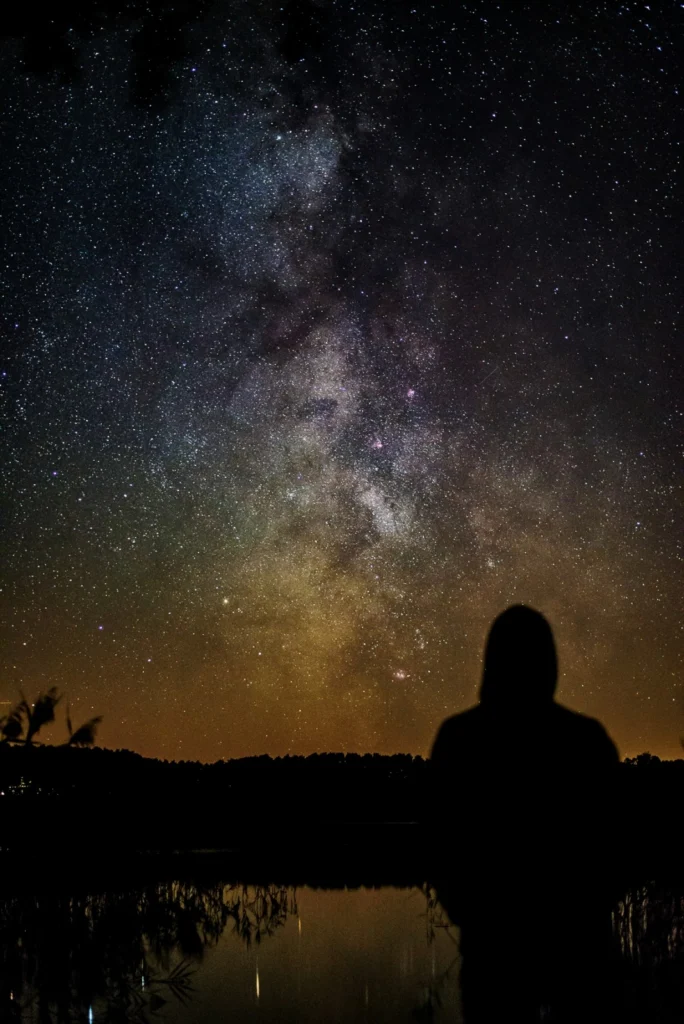
This year’s imaggeo photo contest saw humdreds of great entries. Among the winning images was a stunning night-sky panorama by Vytas Huth. In today’s post, Vytas describes how he captured the image and how the remote location in Southern Germany is one of the few (in Europe) where it is still posssible to, clearly, image the Milk Way. I took the image in October 2015, usually the last ...[Read More]

GeoTalk: Matt Taylor of ESA’s Rosetta mission

GeoTalk: Matt Taylor of ESA’s Rosetta mission

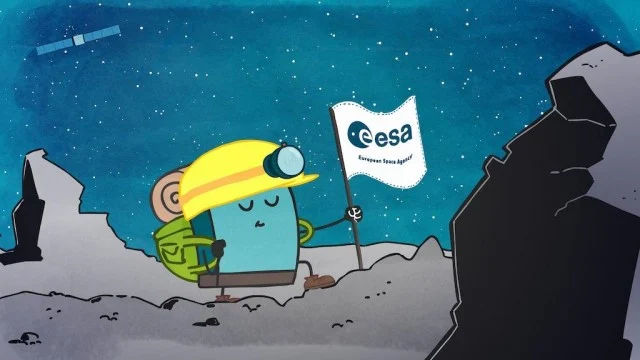
In November 2014, space exploration history was made. Millions of kilometres away, orbiting a piece of ice and rock, the European Space Agency’s (ESA) Rosetta mission sent its probe Philae to become the first spacecraft to soft-land on a comet. After the tense 7-hour wait that followed the separation from the main orbiter, a tweet confirmed that the little lander had successfully completed the fir ...[Read More]

GeoPolicy: 8 science-based projects improving regions in the EU

GeoPolicy: 8 science-based projects improving regions in the EU

As scientists, it can sometimes be difficult to see the real-world implications of some of our research. Concepts can often seem abstract and remote when sitting in a lab or taking field measurements. But researching the Earth sciences can have profound effects on global society. Understanding how the natural world works can help protect and improve human, animal, and plant life. This month’s GeoP ...[Read More]

Imaggeo on Mondays: The waxing Earth

Imaggeo on Mondays: The waxing Earth

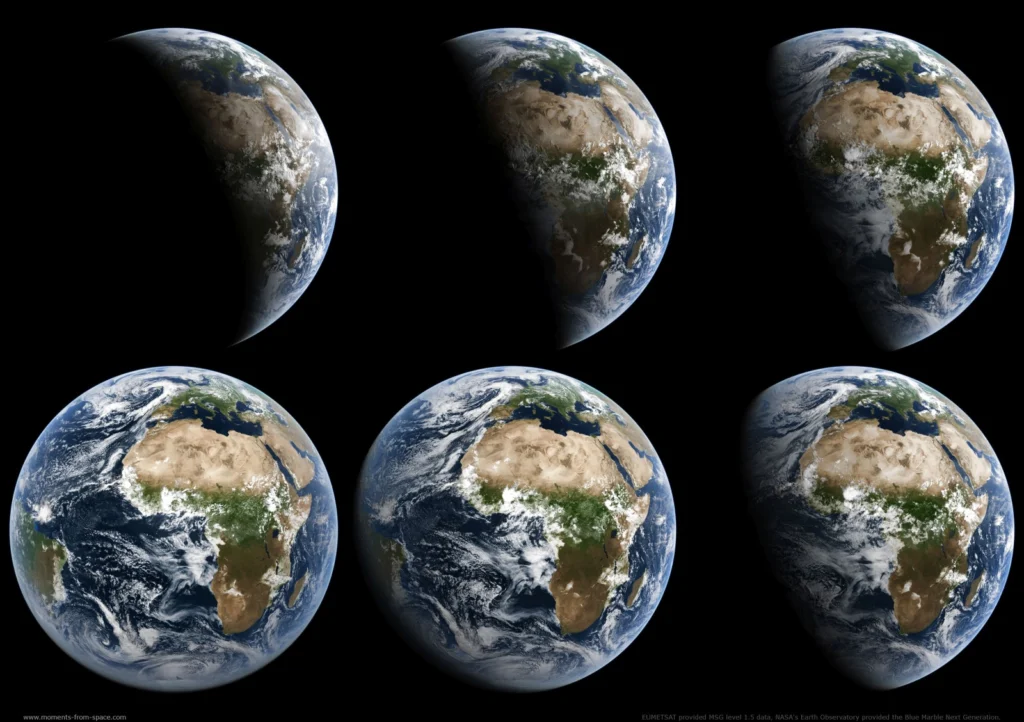
These incredible images of Earth were acquired from the European MSG-2 satellite on July 21, 2009. The MSG, which stands for Meteosat Second Generation, satellites are operated as a series of satellites which continually orbit our planet, capturing detailed images of Europe, Africa and parts of the Atlantic and Indian Ocean every 15 minutes. The data acquired is largely used by meteorologists. The ...[Read More]

Announcing the winners of the EGU Photo Contest 2016!

Announcing the winners of the EGU Photo Contest 2016!

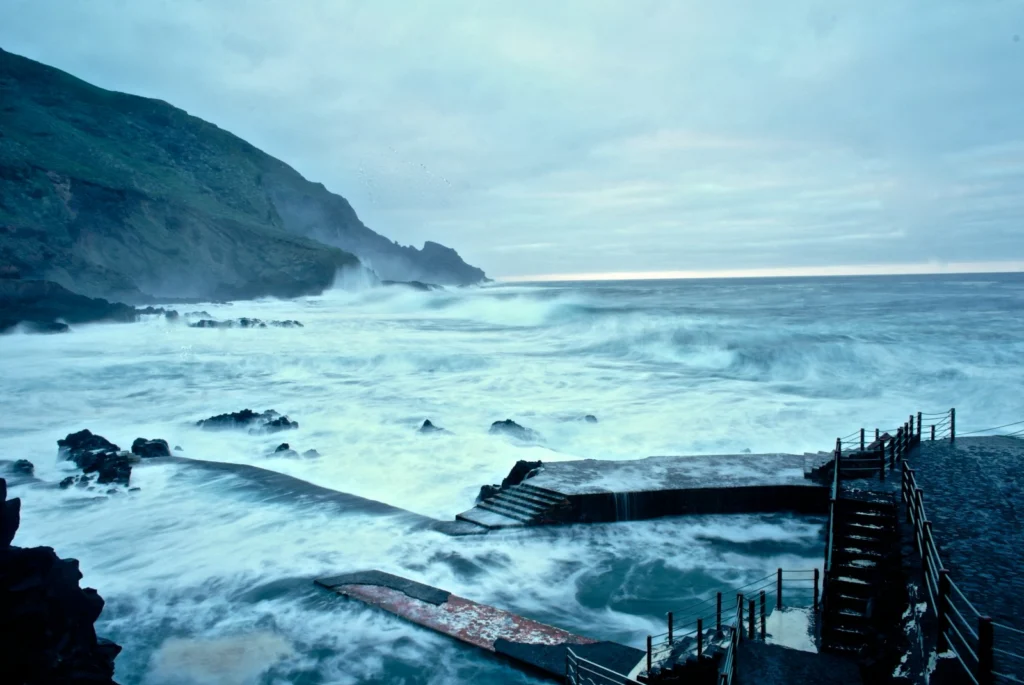
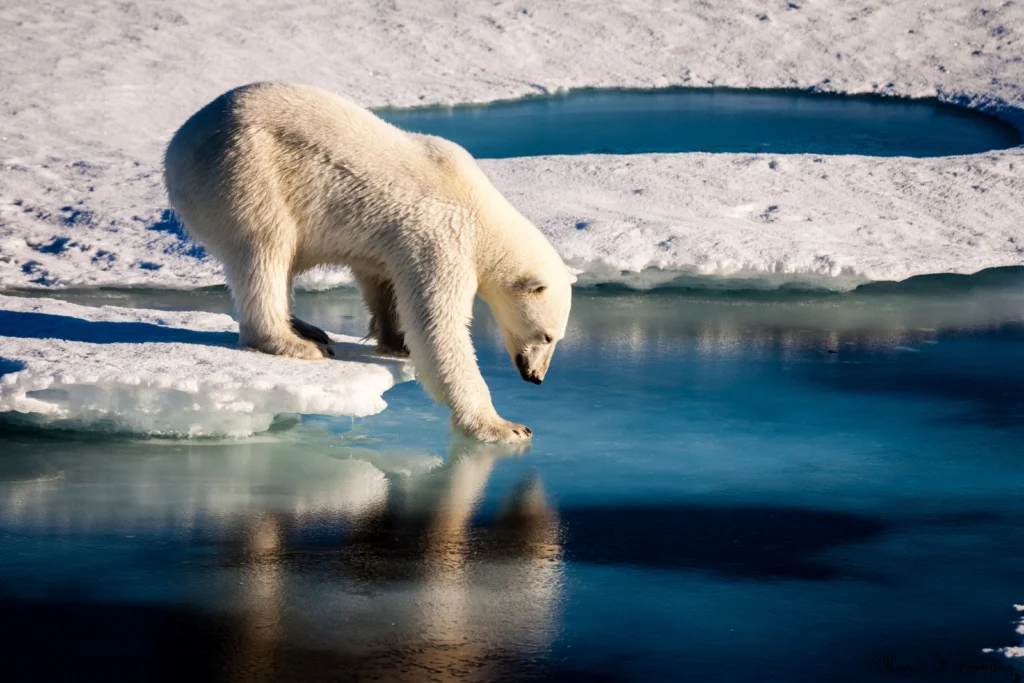
The selection committee received over 200 photos for this year’s EGU Photo Contest, covering fields across the geosciences. Participants at the 2016 General Assembly have been voting for their favourites throughout the week  of the conference and there are three clear winners. Congratulations to 2016’s fantastic photographers! In addition, this year, to celebrate the theme of the EGU 2016 General ...[Read More]

Photo Contest finalists 2016 – who will you vote for?

Photo Contest finalists 2016 – who will you vote for?

The selection committee received over 400 photos for this year’s EGU Photo Contest, covering fields across the geosciences. The fantastic finalist photos are below and they are being exhibited in Hall X2 (basement, Brown Level) of the Austria Center Vienna – see for yourself! Do you have a favourite? Vote for it! There is a voting terminal (also in Hall X2), just next to the exhibit. The results w ...[Read More]

GeoTalk: Lena Noack, Early Career Scientist Representative

GeoTalk: Lena Noack, Early Career Scientist Representative

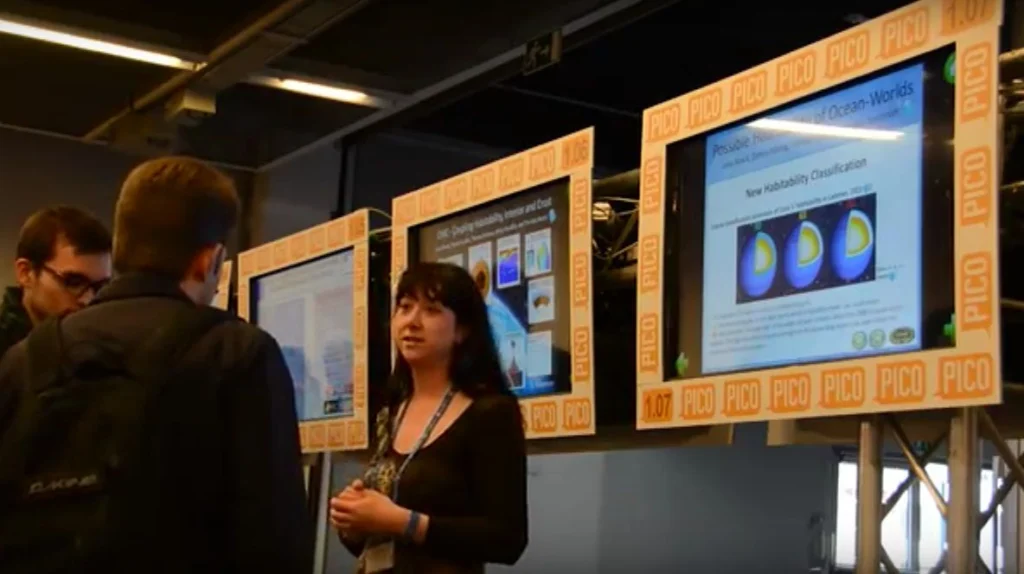
In addition to the usual GeoTalk interviews, where we highlight the work and achievements of early career researchers, over the next few months we’ll be introducing the Division early career scientist representatives (ECS). They are responsible for ensuring that the voice of EGU ECS membership is heard. From organising short courses during the General Assembly, through to running Division Blogs an ...[Read More]

GeoTalk: Anastasia Tezari – understanding space weather

GeoTalk: Anastasia Tezari – understanding space weather

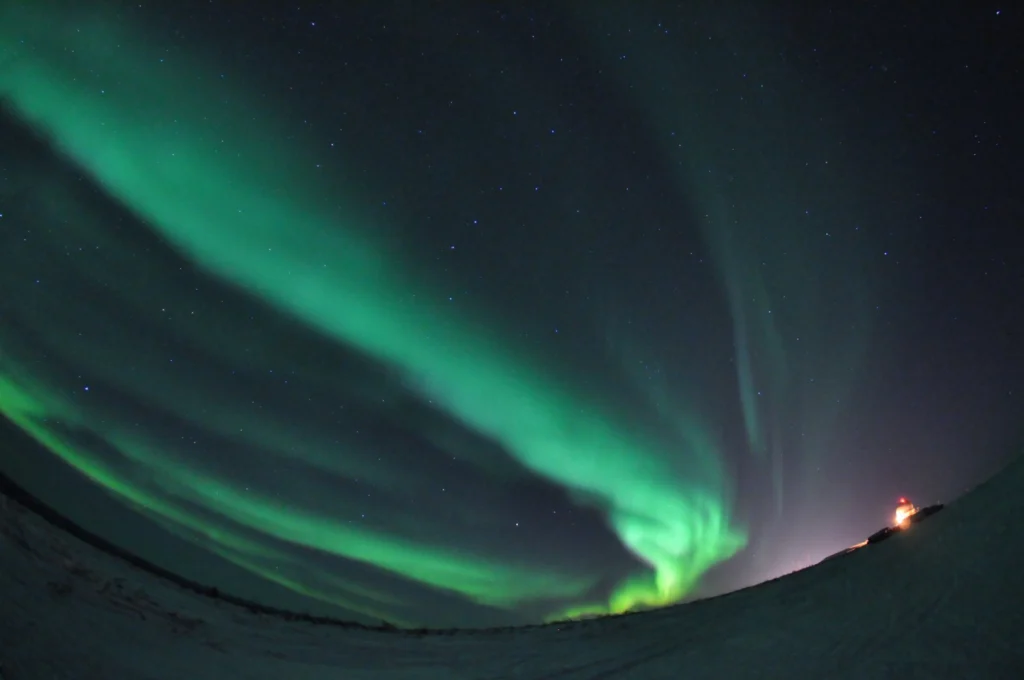
Weather – it dictates the clothes we wear, is engrained in our culture, shapes our seasons and plays an important role in our daily lives. Not only that, its long term forecast and understanding of its variability, is the focus of much research as it holds one of the keys to understanding the Earth’s past and future. Earthly weather has an altogether less familiar, but not less fascinating a ...[Read More]

Mars Rocks – introducing a citizen science project

Mars Rocks – introducing a citizen science project

GeoLog followers will remember our previous report on Citizen Geoscience: the exciting possibilities it presents for the acquisition of data, whilst cautioning against the exploitation of volunteered labour. This blog presents a Citizen Science platform that goes beyond data collection to analysis, specifically for geological changes in remote sensing imagery of Mars. Jessica Wardlaw, a Postdoctor ...[Read More]