What are the most interesting, cutting-edge and compelling research topics within the scientific areas represented in the EGU divisions? Ground-breaking and innovative research features yearly at our annual General Assembly, but what are the overarching ideas and big research questions that still remain unanswered? We spoke to some of our division presidents and canvased their thoughts on what the ...[Read More]
Planetary and Solar System Sciences
Geosciences Column: What made the comet sing?
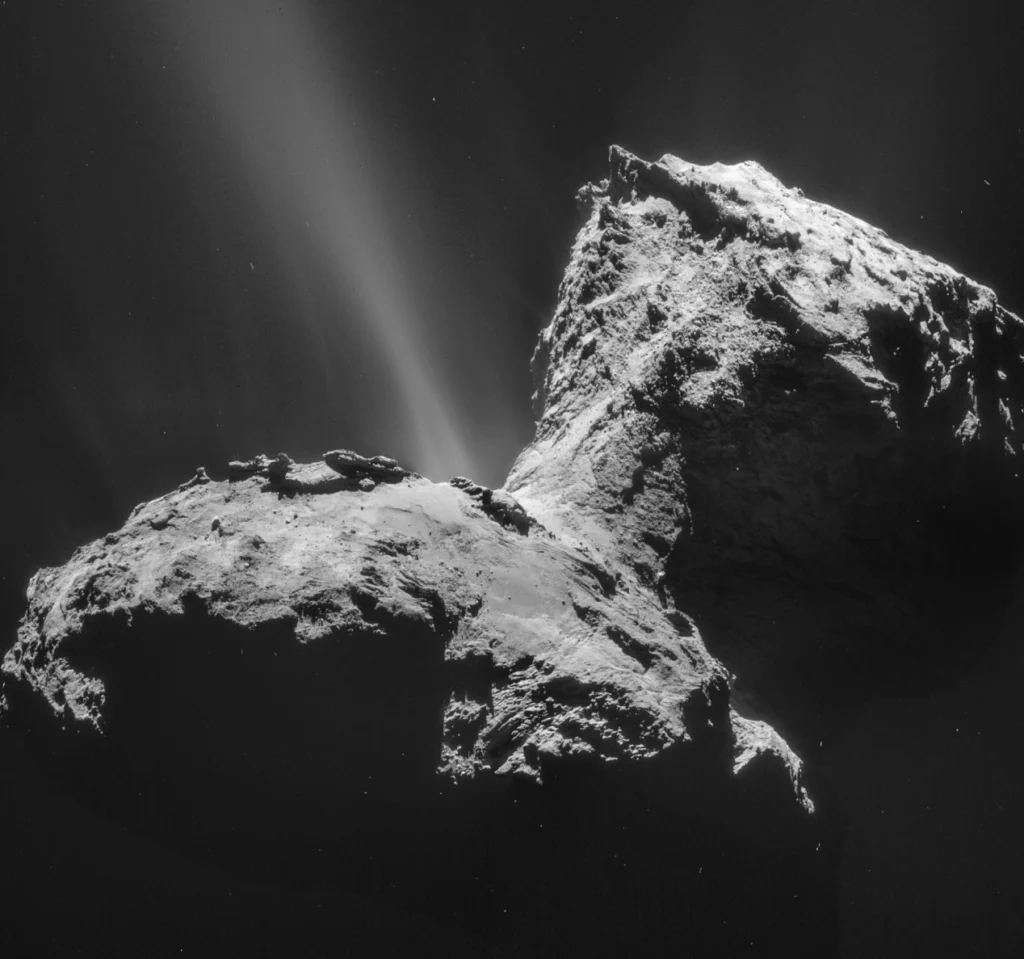
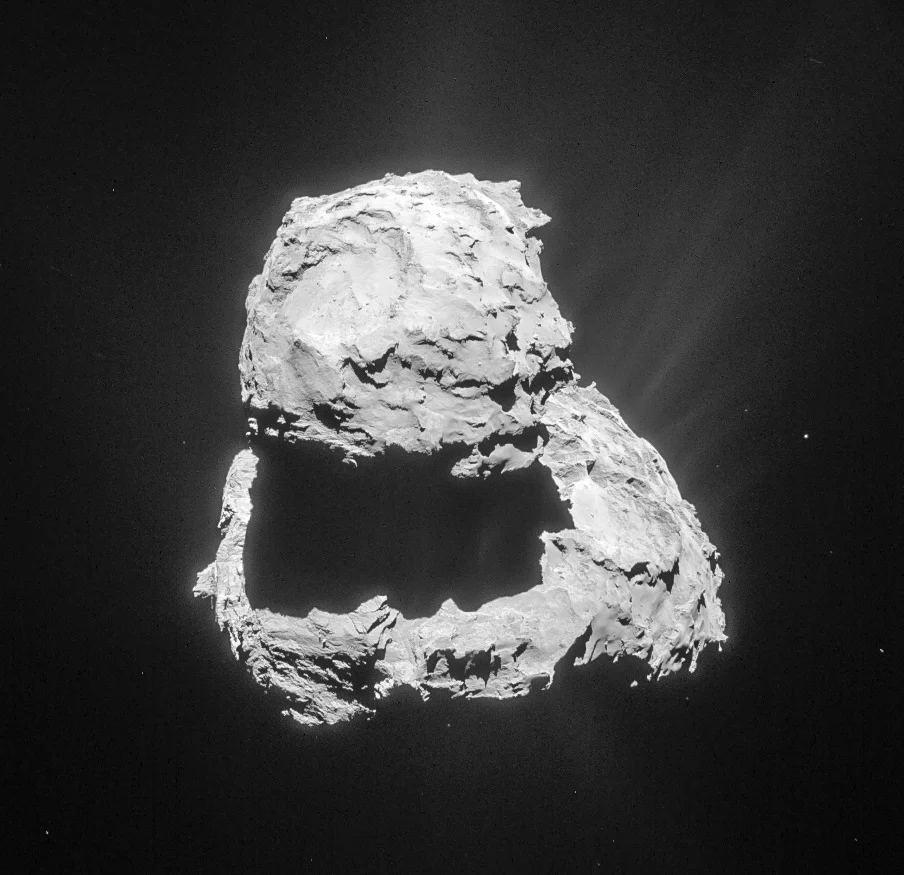
Late last year the Rosetta’s Plasma Consortium (RPC) announced that Comet 67P/Churyumov-Gerasimenko, which the European Space Agency’s Rosetta spacecraft has been studying since August 2014, was singing into space. Now, in a paper published today in the EGU’s open access journal Annales Geophysicae, the RPC team reveals more details about 67P’s song, including why the comet was singing. The sounds ...[Read More]
Meet the experts: The future of solar-terrestrial research
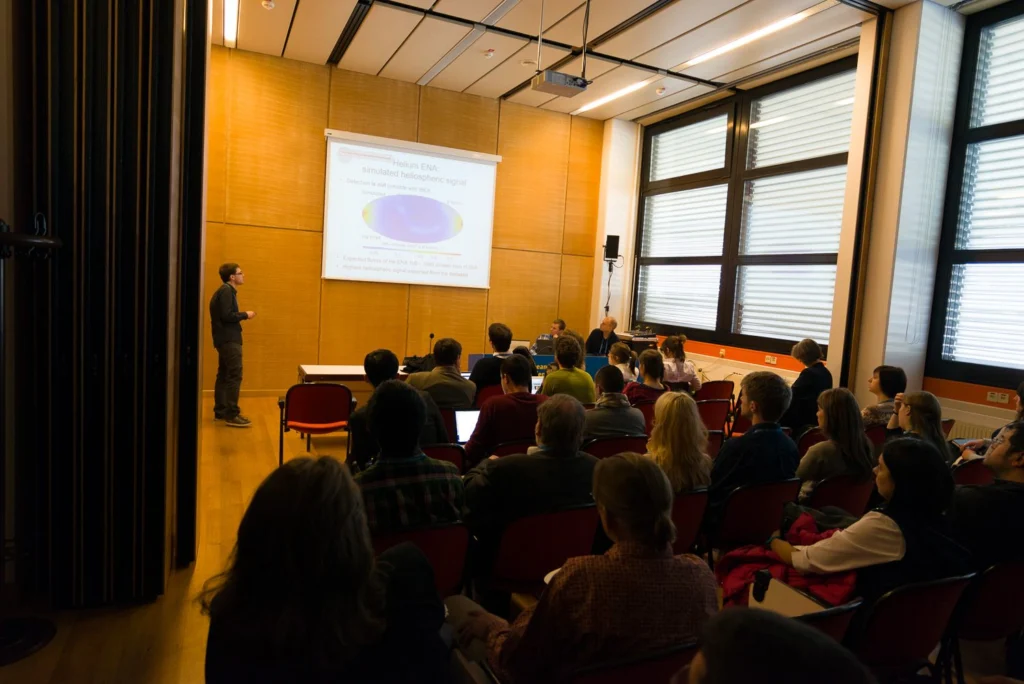
This year’s General Assembly saw more Short Courses than ever before! With many of the 50 courses on offer having been organised by and/or for early career scientitst, there was no excuse not to pick up some new skills. In this guest blog post, Jone Peter Reistad a PhD candidate at the University of Bergen, outlines the details of a session which explored what the future might hold for resea ...[Read More]
Scientists share new observations from comet-chasing Rosetta Mission
Scientists working on the European Space Agency (ESA) Rosetta Mission provided an update on the comet-chaser and its lander, Philae, at the European Geosciences Union (EGU) General Assembly last week, as well as sharing new science gained from the duo so far. These new results from Rosetta were announced at a press conference on Tuesday 14 April, with additional research presented at the Rosetta s ...[Read More]
Findings from NASA’s Dawn Mission shed new light on Ceres
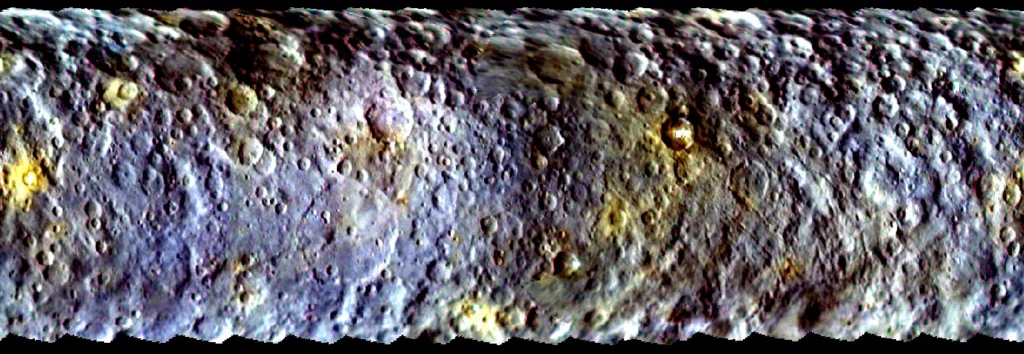
Scientists working on NASA’s Dawn mission revealed new findings from the spacecraft at EGU’s General Assembly. This blog post is brought to you by Nikita Marwaha, reporting on the press conference in Vienna, Austria. The very first press conference of the 2015 General Assembly this year took a closer look at the surface of Ceres. Scientists working on NASA’s Dawn Mission shared new results from th ...[Read More]
Imaggeo on Mondays: Mirror Image
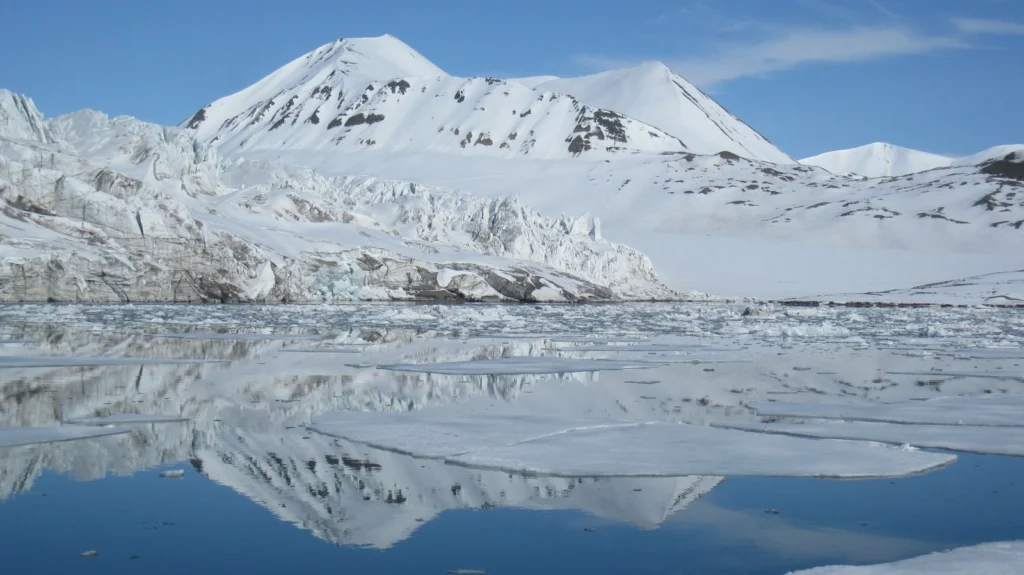
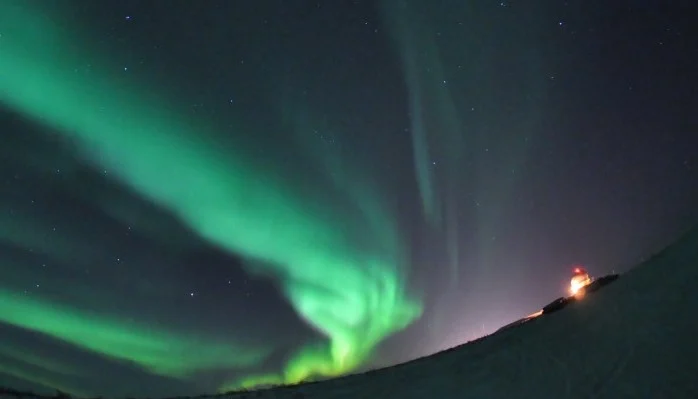
This week’s Imaggeo on Mondays image is brought to you by Fabien Darrouzet, who visited the icy landscapes of Svalbard back in 2012. Whilst the aim of his trip was not to better understand the geology of the landscapes, his eyes were very much focused on goings on up, up in the sky, it didn’t stop him taking this still of the snow covered peaks. This picture was taken in Svalbard (78° lat.) in Jun ...[Read More]
Geosciences Column: The quest for life on Mars
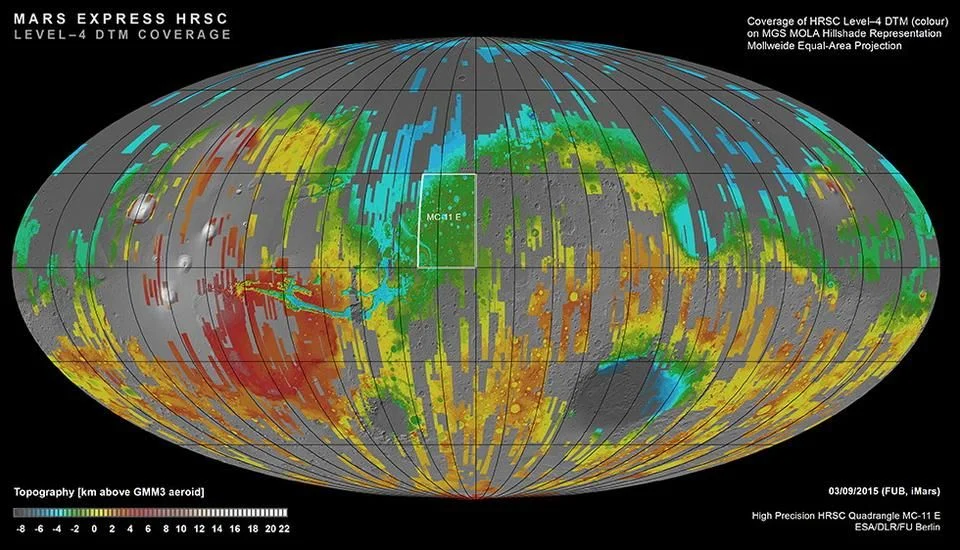
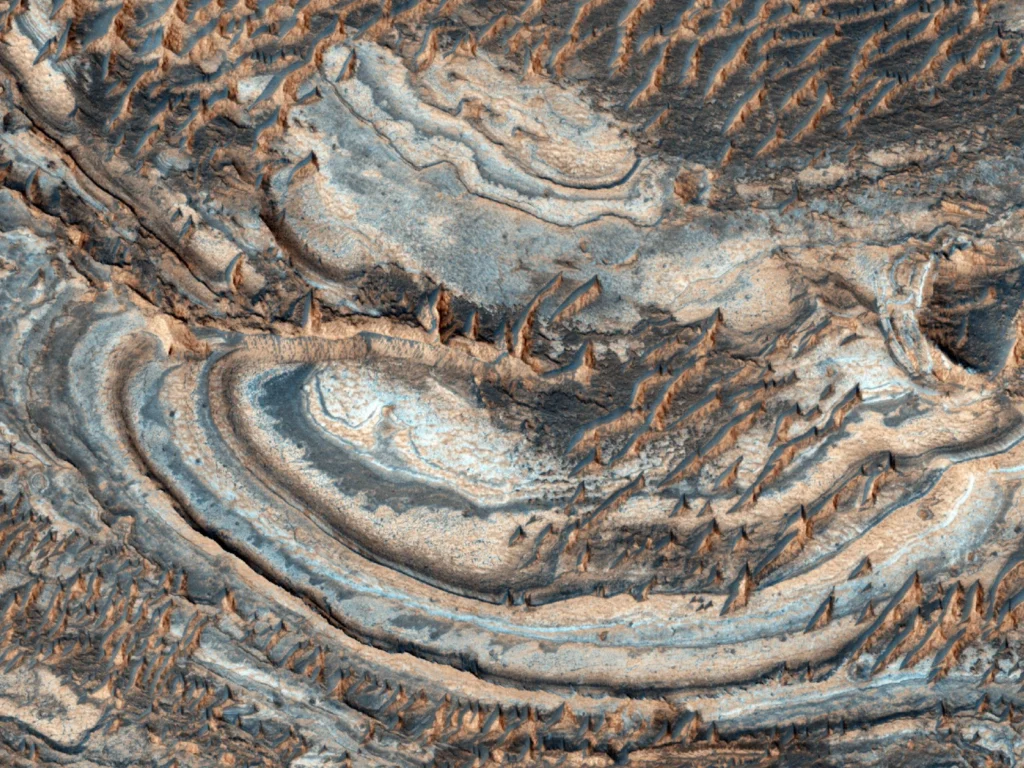
Understanding where we come from and whether Earth is the only habitable planet in the Solar System has been a long standing conundrum in science. Partly because it is our nearest neighbour, partly because of its past and current similarities with our own home, Mars, the red planet, is a likely contender in the quest for extra-terrestrial life. In this guest blog post, James Lewis, a PhD student a ...[Read More]
When Astronomy Gets Closer to Home: Why space weather outreach is important and how to give it impact
When the public think about natural hazards, space weather is not the first thing to come to mind. Yet, though uncommon, extreme space weather events can have an economic impact similar to that of large floods or earthquakes. Although there have been efforts across various sectors of society to communicate this topic, many people are still quite confused about it, having only a limited understandi ...[Read More]
Imaggeo on Mondays: A single beam in the dancing night lights
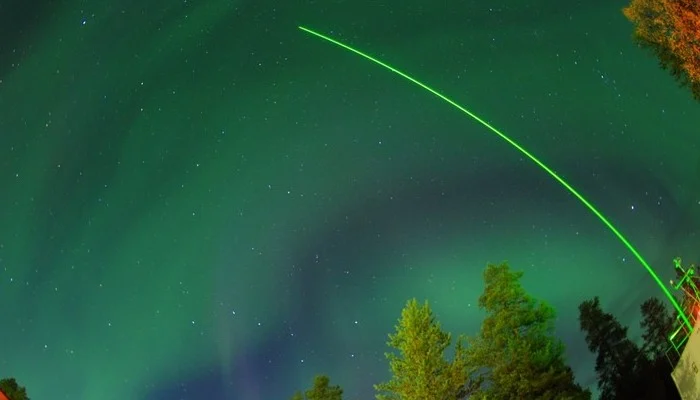
Research takes Earth scientists to the four corners of globe. So, if you happen to have a keen interest in photography and find yourself doing research at high latitudes, chances are you’ll get lucky and photograph the dancing night lights: aurora (or northern lights), arguably one of the planet’s most breath taking natural phenomenon. That is exactly the position Matias Takala, a researcher at th ...[Read More]
GeoTalk: Beate Humberset
In this edition of Geotalk, the regular feature were we highlight the work and achievements of early career researchers, we are talking to Beate Humberset, the winner of the Outstanding Student Poster (OSP) Award for the Solar- Terrestrial Sciences Division (ST) in 2013. In addition, Beate is the Young Scientist Representative for the ST Division so we will also touch upon her responsibilities in ...[Read More]